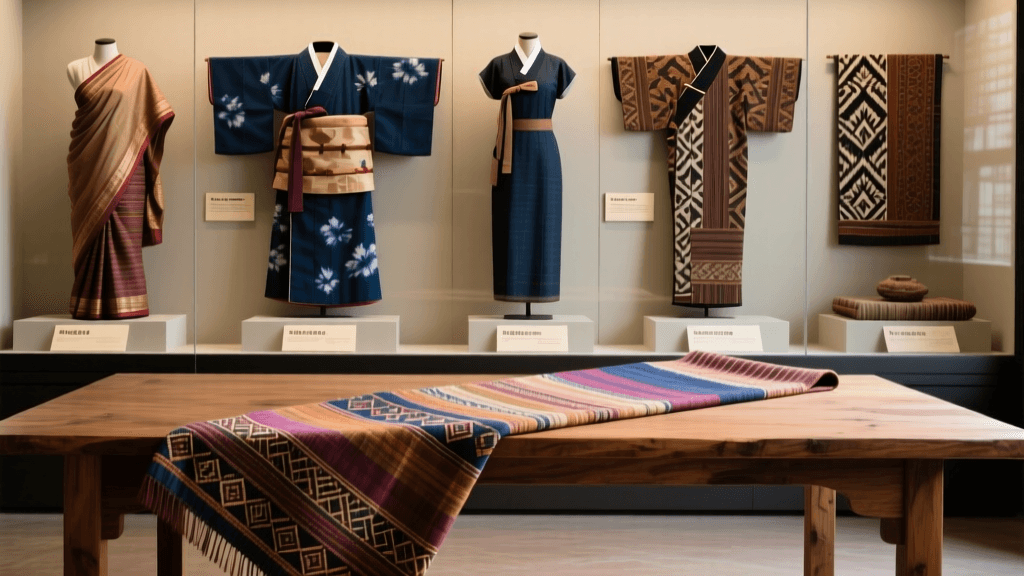
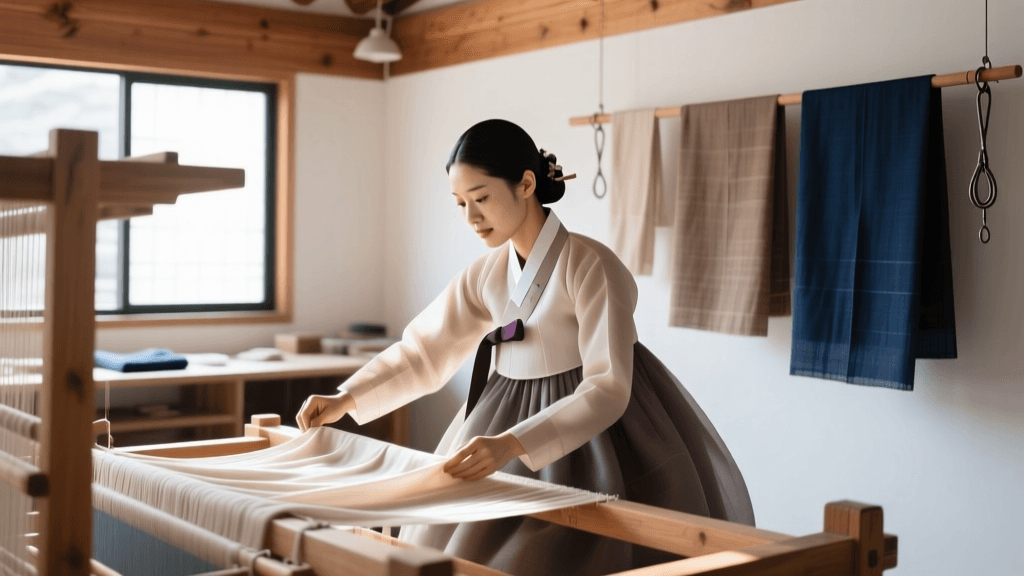
Kimono Fabric Acoustics & Texture: Sensory Guide 2026
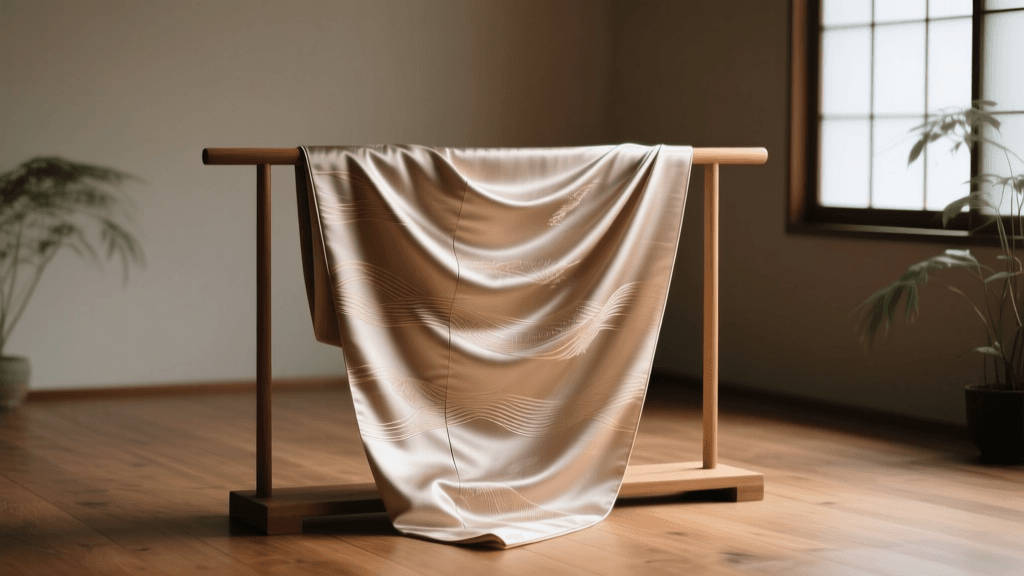
The Phenomenon of Kinuzure: When Silk Speaks
In the contemporary landscape of 2026, the appreciation of traditional Japanese garments has evolved far beyond mere visual aesthetics. Today, collectors, practitioners, and cultural historians are increasingly focused on the somatic and auditory dimensions of wearing a kimono. This holistic approach to traditional dress emphasizes the sensory experience, transforming the act of wearing a kimono into a profound exercise in mindfulness and grounding. At the very heart of this sensory revolution is the concept of kinuzure (衣擦れ), the distinctive, whispering rustle produced by silk fabrics in motion.
The term kinuzure translates literally to "cloth rubbing," but its cultural significance is deeply poetic. It is the auditory signature of the kimono, a sound that has inspired centuries of Japanese literature, poetry, and theater. In traditional Kabuki and Noh performances, the deliberate amplification of this rustling sound is used to signal the entrance of a noble character or to convey the quiet, restrained emotions of a protagonist. According to cultural preservation archives maintained by the Kyoto National Museum, the acoustic properties of historical garments were considered just as vital as their visual patterns, serving as an invisible yet undeniable extension of the wearer's presence.
The science behind this acoustic phenomenon lies in the physical structure of the silk thread and the presence of sericin, the natural protein gum that coats silk fibers. When tightly woven silk fabrics rub against one another, the microscopic friction between the sericin-coated threads generates a high-frequency, crisp sound. In 2026, modern acoustic textile research highlighted by the Textile Society of America has mapped the exact decibel ranges and frequency spectrums of various traditional weaves, proving that the "voice" of a kimono is a measurable, quantifiable metric of its quality and weaving technique.
Tactile Landscapes: From Crisp Sha to Supple Tsumugi
Beyond the auditory feedback, the tactile sensation of a kimono against the skin—or more accurately, against the underlying nagajuban (undergarment)—provides a continuous stream of sensory grounding. The weight, drape, and thermal properties of different textiles dictate how the garment moves with the body, creating a unique physical dialogue between the wearer and the fabric.
Consider the contrast between habutae and tsumugi. Habutae is a plain-weave silk known for its liquid drape and buttery smoothness. When worn, it feels cool and heavy, sliding effortlessly over the body and creating a continuous, flowing sensation that encourages slow, deliberate movements. In contrast, tsumugi (pongee) is woven from spun silk noil, resulting in a fabric with a slubbed, slightly irregular texture. Tsumugi is lighter, more breathable, and possesses a dry, matte hand-feel. It does not glide; rather, it moves with a subtle, structured resistance that makes the wearer hyper-aware of their posture and gait.
Summer fabrics introduce an entirely different tactile paradigm. Ro and sha are sheer, leno-weave silks designed to catch the breeze. The tactile experience of wearing ro is defined by its crispness and its subtle, raised geometric patterns, which create a microscopic buffer between the fabric and the skin, promoting airflow and a sensation of coolness. The sensory experience of these summer textiles is deeply intertwined with the Japanese aesthetic of suzushisa (coolness), a psychological and physical relief from the humid summer months.
2026 Sensory Fabric Comparison Chart
To help collectors and enthusiasts curate a mindful wardrobe, we have compiled a comprehensive sensory profile of the most prominent kimono textiles available in the 2026 market. This chart evaluates fabrics based on their acoustic signature, tactile feel, and their specific grounding effects during wear.
| Fabric Type | Acoustic Signature (Kinuzure) | Tactile Profile | Best Season | Mindfulness & Grounding Effect |
|---|---|---|---|---|
| Habutae (Plain Weave Silk) | Soft, continuous, low-frequency swoosh | Buttery, heavy, cool, liquid drape | Spring / Autumn | Promotes fluid, sweeping movements; encourages deep breathing and calm. |
| Chirimen (Silk Crepe) | Crisp, high-frequency, pronounced sizzle | Pebbled, elastic, substantial weight | Autumn / Winter | High sensory feedback; keeps the wearer anchored in the present moment. |
| Tsumugi (Spun Silk Pongee) | Muted, soft, almost silent friction | Dry, slubbed, lightweight, matte | Year-round (Unlined) | Subtle and unobtrusive; fosters a quiet, introspective state of mind. |
| Ro / Sha (Leno Weave Sheer) | Faint, papery rustle; highly breathable | Crisp, sheer, textured, cooling | Summer | Connects the wearer to the environment (breezes); promotes lightness. |
| Omeshi (Heavy Crepe) | Loud, sharp, rhythmic snapping sound | Dense, firm, heavily textured | Winter | Commands physical presence; enforces upright posture and deliberate steps. |
The Role of the Juban in Acoustic Layering
A crucial, often overlooked element of the kimono's sensory experience is the interplay between the outer garment and the nagajuban (the full-length undergarment). The acoustic phenomenon of kinuzure is not generated by the kimono rubbing against itself, but rather by the friction between the inner lining of the kimono and the outer surface of the juban. In 2026, bespoke kimono tailors are highly attentive to this layering effect.
Pairing a smooth silk habutae kimono with a crisp, stiff silk juban will maximize the high-frequency rustling sound, creating a vibrant auditory aura. Conversely, pairing a textured tsumugi kimono with a soft cotton or silk-cotton blend juban will dampen the sound entirely, resulting in a silent, stealthy wear experience. Understanding this acoustic layering allows the wearer to "tune" their garment to their desired sensory output, a practice that has become highly popular in modern somatic dressing workshops supported by the Japan Foundation.
Modern Preservation: Maintaining Acoustic Integrity in 2026
As we navigate 2026, the intersection of heritage preservation and textile science has yielded new methods for maintaining the acoustic integrity of vintage and antique silks. The primary enemy of kinuzure is the loss of sericin. Historically, harsh chemical dry cleaning methods stripped this natural protein from the silk threads, leaving the fabric soft, visually dull, and acoustically "dead." A vintage kimono that has been over-cleaned will simply not produce the signature rustle, regardless of its weave.
Today, leading conservationists utilize advanced, eco-friendly preservation techniques to restore and protect the fabric's voice. Ozone-based cleaning chambers are now the gold standard for sanitizing antique silks without the use of liquid solvents that degrade sericin. Furthermore, specialized "silk baths" utilizing amino-acid-enriched water are being used to gently rehydrate the fibers, restoring their natural friction and, consequently, their acoustic properties. When sourcing vintage garments in 2026, buyers are advised to specifically inquire about the cleaning history of the piece and to seek out conservators who specialize in acoustic-preserving silk care.
Curating a Mindful, Sensory-Driven Wardrobe
For those looking to build a kimono wardrobe centered around sensory mindfulness, the key is intentionality. Begin by identifying the type of grounding you seek in your daily life. If you suffer from anxiety and seek a calming, enveloping presence, invest in a heavy, unlined habutae or a soft tsumugi that moves quietly and feels like a weighted blanket. If you are looking to cultivate sharp focus, presence, and physical awareness, a highly textured chirimen or omeshi will provide the constant, crisp auditory and tactile feedback necessary to keep your mind anchored to your physical movements.
When attending fittings or purchasing textiles, close your eyes. Run the fabric between your thumb and forefinger to feel the microscopic resistance of the weave. Gather a large fold of the fabric and gently compress it near your ear to listen to the internal friction. By prioritizing the acoustic and tactile dimensions of traditional Japanese garments, we not only preserve the physical textiles but also keep the ancient, whispering voice of the kimono alive for future generations.