Kimono Fabric Sensory Guide: Silk Textures and Sounds 2026
The Hidden Dimension of Japanese Garments
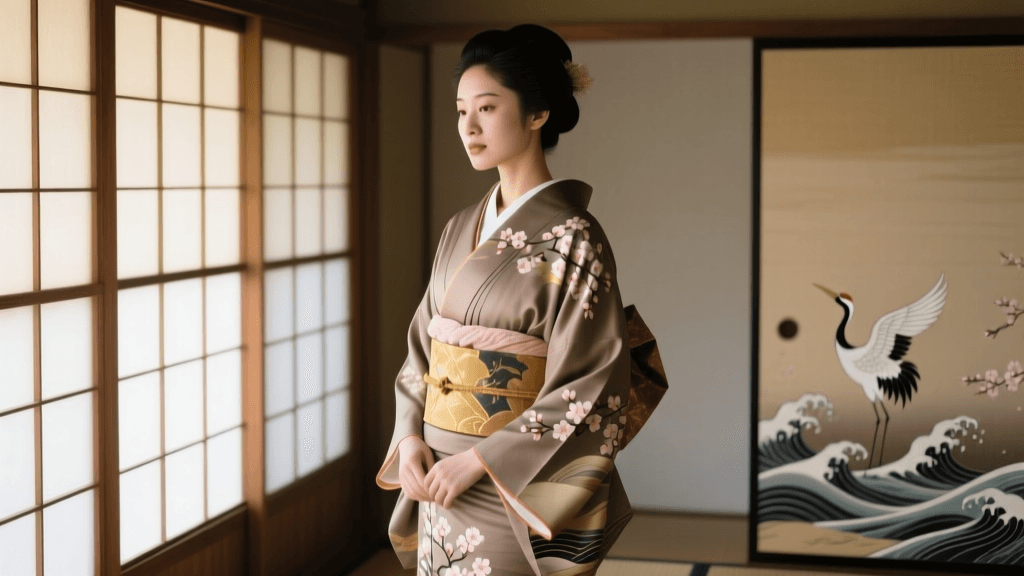
When enthusiasts and scholars discuss the traditional Japanese kimono, the conversation almost exclusively revolves around visual aesthetics: the brilliance of yuzen dyeing, the elegance of the obi knot, and the symbolic motifs woven into the silk. However, to truly understand the kimono in 2026, one must look beyond the visual and engage with the profound sensory experience of the garment. The traditional Japanese wardrobe is a masterpiece of tactile and auditory design. From the crisp, cooling touch of summer gauze to the distinctive, rhythmic rustling of heavy silk, the sensory profile of a kimono is just as meticulously engineered as its visual appearance.
In recent years, a renaissance in sensory-focused textile appreciation has swept through Kyoto and Tokyo. Artisans and wearers alike are prioritizing the physical feel and the acoustic signature of their garments. According to Japan's Ministry of Economy, Trade and Industry (METI), the preservation of traditional crafts in 2026 heavily emphasizes the intangible cultural properties of textile creation, including the specialized techniques required to produce specific fabric sounds and textures. This guide will immerse you in the auditory and tactile landscapes of kimono fabrics, offering actionable advice on how to select, experience, and preserve these sensory marvels.
Kinu-Zure: The Acoustic Signature of Silk
Perhaps the most romanticized sensory element of the kimono is kinu-zure (衣擦れ), which translates literally to "the rubbing of silk." This is the soft, rhythmic, swishing sound produced when the tightly woven silk panels of a kimono rub against one another as the wearer walks. In traditional Japanese literature and poetry, kinu-zure is often used to evoke the presence of an elegant woman approaching, her arrival announced by the whisper of her garments before she is even seen.
The physics behind kinu-zure are fascinating. The sound is not merely a byproduct of friction; it is the result of highly specific weaving techniques and the natural properties of silk. Raw silk contains sericin, a natural gum-like protein that coats the silk fibers. When silk is woven tightly without completely boiling away all the sericin (a process known as degumming), the fibers retain a slight stiffness and microscopic texture. As the wearer moves, these stiffened, tightly packed threads catch and release against each other, creating high-frequency acoustic vibrations that the human ear perceives as a crisp, luxurious rustle.
In 2026, acoustic textile analysis has become a niche but vital tool for master weavers in regions like Tango and Kiryu. By using sensitive audio equipment, artisans can measure the decibel level and frequency of a newly woven bolt of silk to ensure it meets the historical standards for kinu-zure. A kimono that lacks this sound is often considered "flat" or "lifeless" by traditionalists, regardless of how beautiful its dye pattern might be.
Tactile Landscapes: Mapping Kimono Textures
Beyond sound, the tactile experience of wearing a kimono is incredibly diverse. The Japanese textile tradition features hundreds of distinct weaves, each offering a unique sensation against the skin. Understanding these textures is crucial for selecting the right garment for the right season and occasion.
Chirimen (Crepe Silk)
Chirimen is characterized by its bumpy, textured surface, known as shibo. This texture is created by using tightly over-twisted weft yarns that alternate in their direction of twist. When the fabric is washed and relaxed, the yarns contract, creating a pebbled surface. Tactilely, chirimen feels resilient, slightly springy, and almost massage-like against the skin. It is highly breathable and resistant to wrinkling, making it the premier choice for everyday and formal silk kimono in 2026.
Habutae (Plain Weave Silk)
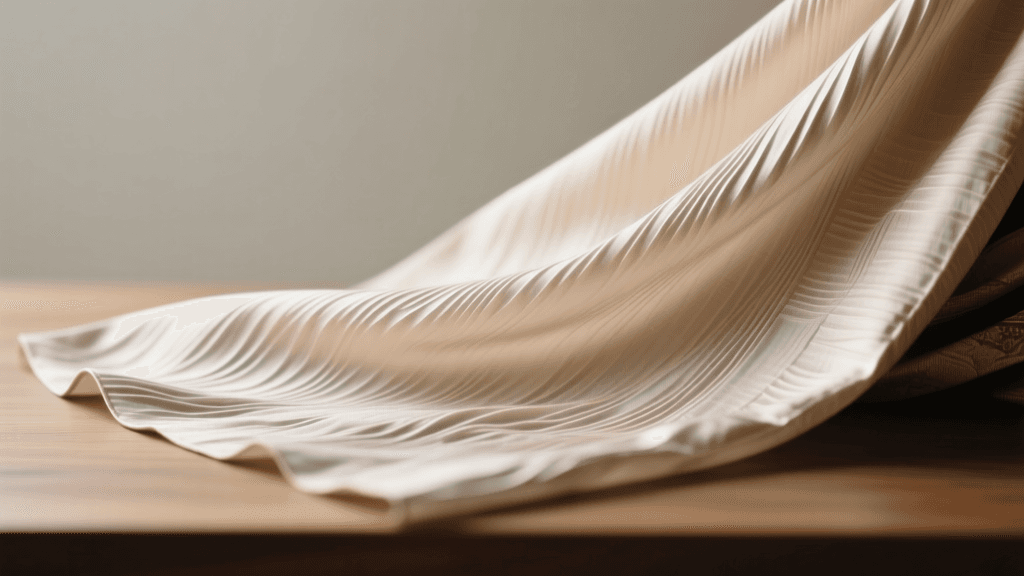
In stark contrast to chirimen, habutae is a plain-weave silk that is smooth, fluid, and incredibly soft. It lacks the stiffening sericin of heavier silks, giving it a "liquid" drape. When you run your hand over habutae, it feels cool and frictionless. It is frequently used for the juban (undergarment) and the lining of heavier kimono, providing a soothing, frictionless barrier against the skin.
Tsumugi (Pongee / Slub Silk)
Tsumugi is woven from silk noil or hand-spun silk threads, resulting in a fabric with a rustic, nubby texture. It feels remarkably similar to high-quality cotton or linen. Tactilely, it is warm, matte, and grounding. Because it lacks the slippery sheen of refined silk, tsumugi provides a comforting, earthy sensory experience, highly favored for casual, rural, or Zen-inspired aesthetics.
Ro and Sha (Summer Gauze)
For the sweltering Japanese summer, weavers create ro and sha, which are leno-weave gauze fabrics. These textiles feature intentional gaps in the weave, allowing for maximum airflow. The sensory experience of ro and sha is defined by crispness and lightness. They feel cool to the touch and stiff enough to stand away from the body, creating a micro-climate of circulating air between the fabric and the skin.
2026 Sensory Fabric Comparison Chart
To help collectors, renters, and buyers navigate the sensory profiles of traditional garments, we have compiled a comprehensive comparison based on 2026 market data and textile standards.
| Fabric Type | Tactile Sensation | Acoustic Profile (Kinu-zure) | Optimal Season | 2026 Avg. Price (per Tan/Bolt) |
|---|---|---|---|---|
| Tango Chirimen | Springy, pebbled, resilient | Loud, crisp, rhythmic swish | Spring / Autumn | ¥55,000 - ¥85,000 |
| Habutae | Liquid, frictionless, cool | Soft, muted whisper | Year-round (Linings) | ¥25,000 - ¥40,000 |
| Yuki Tsumugi | Nubby, warm, cotton-like | Dull, muffled, minimal sound | Autumn / Winter | ¥300,000 - ¥2,000,000+ |
| Echigo Jofu (Ramie) | Crisp, dry, cooling | Sharp, papery rustle | High Summer | ¥150,000 - ¥500,000 |
| Ro / Sha Gauze | Airy, stiff, lightweight | Faint, breezy flutter | Mid-Summer | ¥40,000 - ¥70,000 |
Note: Prices reflect undyed, high-grade artisan bolts (approx. 12 meters) as of early 2026. Masterpiece hand-woven tsumugi commands exponentially higher prices.
Preserving the Sound and Feel in 2026
The sensory qualities of a kimono are not permanent; they require meticulous care. The kinu-zure sound, in particular, is highly susceptible to environmental factors. Excess humidity causes the silk fibers to swell and soften, entirely eliminating the crisp friction required for the rustling sound. Conversely, extreme dryness can make the fibers brittle.
To preserve the acoustic and tactile integrity of your silk garments, follow these expert preservation steps:
- Tatou-Shi Wrapping: Always store silk kimono wrapped in tatou-shi, traditional acid-free Japanese paper. This paper regulates moisture, wicking away ambient humidity that would otherwise silence the silk's rustle.
- Paulownia Wood Storage: Keep wrapped garments in a kiri (paulownia wood) chest. Paulownia naturally expands in high humidity to seal out moisture and contracts in dry weather to allow the wood to breathe, creating a perfect micro-climate for silk.
- Avoid Synthetic Camphor: Modern chemical mothballs can leave a residue that coats the silk fibers, altering their tactile feel and dampening the kinu-zure. Use natural cedar blocks or traditional jinko (aloeswood) instead.
- The Arai-Hari Method: For deep cleaning, avoid modern dry cleaning which strips the silk of its natural body. Seek out artisans who practice arai-hari—the traditional method of unsewing the kimono, washing the flat panels in rice bran water, and stretching them on bamboo frames. This restores the fabric's original tension and acoustic crispness.
Experiencing the Sensory Kimono in 2026
For those looking to physically experience these textures and sounds, the 2026 cultural tourism landscape offers unprecedented opportunities. The Japan National Tourism Organization (JNTO) has recently highlighted several "sensory-first" cultural tours that move beyond simple visual sightseeing. In Kyoto's Nishijin weaving district, select studios now offer "blindfolded textile tours," allowing visitors to identify different historical weaves purely by touch and sound.
Furthermore, high-end kimono rental salons in Tokyo and Kanazawa have introduced "acoustic fitting" sessions. During these sessions, clients are encouraged to walk across traditional wooden floorboards in the salon to test the kinu-zure of various chirimen and habutae combinations before selecting their final outfit for the day. For international scholars and designers, the Asian Art Museum's textile archives and partnered digital sensory databases now provide high-fidelity audio recordings of historical garments in motion, bridging the gap between physical preservation and digital accessibility.
Conclusion
The kimono is not merely a canvas for visual art; it is an immersive, multi-sensory environment. The rustle of kinu-zure and the varied landscapes of silk textures connect the wearer to centuries of Japanese material science and aesthetic philosophy. As we move through 2026, the renewed focus on the auditory and tactile dimensions of traditional garments ensures that the kimono will continue to be felt and heard, not just seen, for generations to come. Whether you are a seasoned collector or a first-time wearer, paying attention to the sound and touch of your silk will profoundly deepen your appreciation for this unparalleled Asian tradition.