Best Kimono & Hanbok Tailoring Workshops 2026: A Guide
The Renaissance of Heritage Garment Construction in 2026
As the global fashion industry continues to grapple with the environmental and ethical costs of mass production, 2026 has witnessed an unprecedented renaissance in the pursuit of slow, heritage craftsmanship. Discerning textile enthusiasts, fashion students, and cultural preservationists are increasingly traveling to East Asia to participate in immersive workshops and seminars dedicated to traditional Asian garment making. Rather than simply purchasing a finished piece, attendees are seeking the profound satisfaction of constructing these sartorial masterpieces from scratch. According to recent cultural tourism data highlighted by the Japan National Tourism Organization, specialized craft-based travel itineraries have surged in popularity, with traditional textile workshops becoming a primary draw for international visitors to Kyoto and Tokyo.
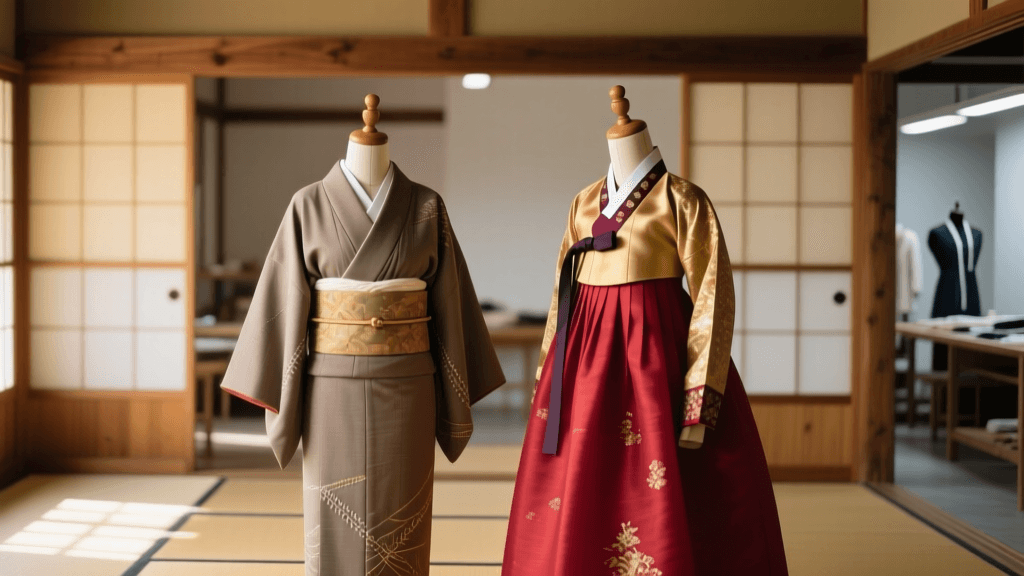
Learning to construct a kimono or a hanbok is not merely about sewing; it is an exercise in geometry, cultural philosophy, and deep respect for materials. In 2026, master artisans are opening their ateliers to dedicated students, offering rigorous seminars that cover everything from silk tensioning to the precise folding techniques required for ceremonial wear. This comprehensive guide explores the most prestigious kimono and hanbok tailoring workshops available this year, detailing what you can expect to learn, the tools you will use, and how to prepare for an immersive foray into Asian sartorial traditions.
Kyoto’s Kimono Tailoring and Nishijin-ori Seminars
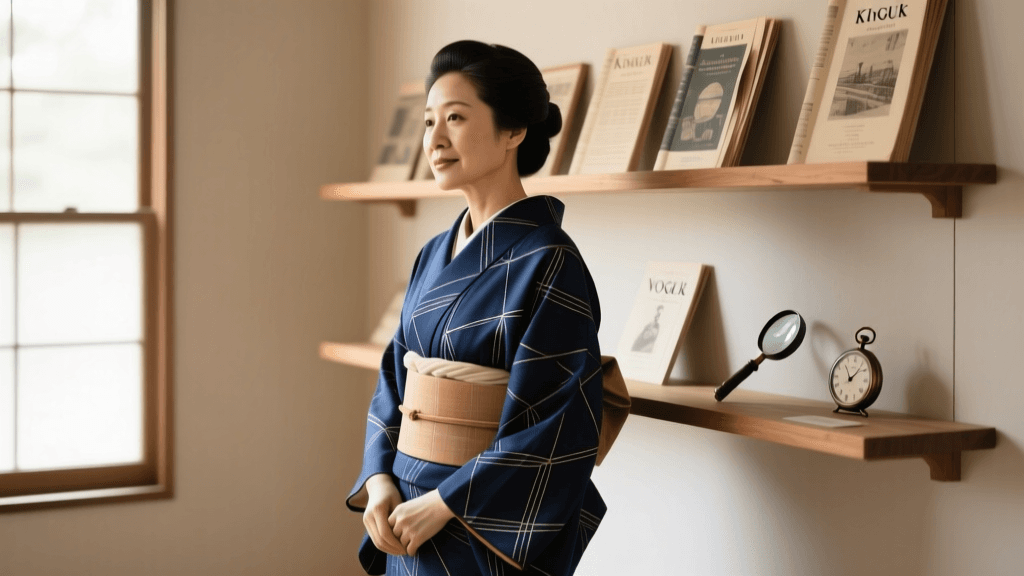
Kyoto remains the undisputed epicenter of kimono craftsmanship. In 2026, the city’s premier workshops focus heavily on the intersection of Nishijin-ori (traditional multi-colored weave) and the meticulous art of wasai (Japanese sewing). Unlike Western tailoring, which relies on cutting fabric to fit the body’s curves, kimono construction is based on the straight-line cutting of a tanmono—a standard bolt of fabric measuring approximately 36 centimeters in width and 12 meters in length.
Understanding the Tanmono and Straight-Line Construction
Participants in Kyoto’s advanced 2026 seminars spend their first days mastering the tanmono. Institutions affiliated with the historic weaving districts teach students how to map out the garment without wasting a single millimeter of silk. You will learn to use a hera, a traditional bamboo or bone spatula, to mark seam lines by gently creasing the silk, entirely avoiding the use of chalk or water-soluble pens that could damage delicate Nishijin brocades. The seminars emphasize the kakehari technique, utilizing specialized tensioning tools and weighted clips to keep the slippery silk perfectly taut while executing the long, invisible running stitches that define the kimono’s interior seams.
Bunka Fashion College and Guild-Led Masterclasses
For those seeking academic rigor alongside traditional practice, extensions of the renowned Bunka Fashion College continue to offer specialized short-term modules in 2026 that bridge historical techniques with modern ergonomic understanding. However, the most intimate experiences are found in guild-led masterclasses tucked away in Kyoto’s Kamigyo ward. Here, third-generation artisans guide small cohorts of no more than six students through the creation of a juban (undergarment) and a formal tomesode (married women's formal kimono). These seminars also cover the vital art of shibori preparation, teaching students how to baste and bind silk before it is sent to regional dyers, ensuring a holistic understanding of the garment's lifecycle.
Seoul’s Hanbok Masterclasses: Constructing the Jeogori and Chima
While the kimono relies on straight lines and hidden seams, the traditional Korean hanbok is a celebration of dynamic curves, voluminous silhouettes, and vibrant color theory. In 2026, Seoul’s cultural foundations and independent master tailors are offering intensive seminars focusing on the structural integrity of the jeogori (the upper jacket) and the sweeping elegance of the chima (the wrap-around skirt). The Korea Tourism Organization has heavily promoted these deep-dive cultural stays, noting that international demand for authentic hanbok construction classes has doubled since the early 2020s.
The Geometry of the Baerae Sleeve
The most challenging and rewarding aspect of any 2026 hanbok seminar is mastering the baerae—the beautifully curved underarm seam of the jeogori. Unlike Western set-in sleeves, the hanbok sleeve is cut to create a soft, rounded drape that mimics the eaves of traditional Korean architecture. Master tailors in Seoul’s Bukchon Hanok Village teach students how to calculate the precise ease required for the baerae using traditional proportional measuring systems, rather than standard metric tapes. Students learn to manipulate stiff silk organza and soft ramie, understanding how different textiles react to the aggressive steam-ironing techniques required to set the curved seams permanently.
The Art of the Goreum and Dongjeong
A hanbok is incomplete without its goreum (the long, sweeping chest ties) and the dongjeong (the crisp, white paper-lined collar). Seminars in Seoul place immense emphasis on the structural interlining of the dongjeong, which must remain perfectly rigid against the collarbone despite the movement of the wearer. In 2026, workshops have begun integrating sustainable, modern cellulose-based interlinings that mimic the historical use of mulberry paper, allowing students to practice traditional folding and stitching techniques with eco-conscious materials. The tying of the goreum is also taught as a kinetic art form, with seminars dedicating full afternoons to the physics of the knot, ensuring it sits asymmetrically yet balanced across the chest.
2026 Workshop Comparison Chart
To help you choose the right immersive experience, we have compiled a comparative analysis of the leading traditional garment workshops available in 2026.
| Workshop Focus | Location | Duration | Estimated 2026 Cost | Skill Level | Key Techniques Mastered |
|---|---|---|---|---|---|
| Nishijin-ori Kimono Basics | Kyoto, Japan | 5 Days | ¥185,000 (~$1,250 USD) | Intermediate | Tanmono mapping, Hera marking, Kakehari tensioning |
| Formal Tomesode Assembly | Tokyo, Japan | 10 Days | ¥320,000 (~$2,150 USD) | Advanced | Invisible running stitch, silk lining, mon (crest) placement |
| Everyday Jeogori & Chima | Seoul, South Korea | 4 Days | ₩650,000 (~$480 USD) | Beginner/Intermediate | Baerae curve drafting, Dongjeong interlining, Goreum tying |
| Ceremonial Hwalot Restoration | Seoul, South Korea | 14 Days | ₩1,800,000 (~$1,330 USD) | Master/Expert | Gold-leaf stamping, heavy silk manipulation, historical embroidery |
Essential Tools and Preparation for 2026 Attendees
Attending a masterclass in East Asia requires specific preparation. While most high-end seminars in 2026 provide a comprehensive toolkit upon arrival, serious students often prefer to bring their own specialized instruments. For kimono construction, a high-quality shaku (traditional Japanese ruler measuring approximately 37.9 cm) is essential for authentic pattern drafting. You will also need a set of machi-bari (specialized silk pins with fine glass heads) that will not snag delicate Nishijin threads.
For hanbok seminars, the focus shifts to cutting tools. The layered, stiff silks used in Korean ceremonial wear require heavy-duty, titanium-alloy shears that maintain a razor edge. Additionally, students are advised to purchase a traditional dariumi (a specialized heavy iron) or familiarize themselves with the modern steam-press equivalents provided by the Seoul ateliers. Language barriers, once a significant hurdle, have been largely mitigated in 2026 by the widespread adoption of real-time AI translation earpieces provided by the workshop organizers, ensuring that nuanced instructions regarding fabric grain and stitch tension are perfectly understood.
Hybrid and Virtual Learning Alternatives
For those unable to travel to Japan or South Korea this year, 2026 has seen a massive improvement in hybrid and virtual seminar formats. Leading cultural foundations now ship pre-cut, ethically sourced silk tanmono and hanbok kits directly to international students. Through multi-camera 4K live streams, master artisans guide remote cohorts through the tensioning and stitching processes in real-time. While virtual learning cannot fully replicate the tactile sensation of feeling the silk's grain or the communal atmosphere of a Kyoto atelier, these hybrid models have democratized access to Asian traditional garment making, allowing a global community to participate in the preservation of these vital cultural techniques.
Final Thoughts on Preserving Asian Sartorial Heritage
The decision to invest time and resources into learning traditional kimono or hanbok construction is a profound commitment to cultural preservation. As we navigate the fast-paced, trend-driven landscape of 2026, the quiet discipline required to hand-stitch a baerae sleeve or map out a 12-meter bolt of silk offers a vital counter-narrative. These workshops do more than teach sewing; they forge a tangible connection to centuries of Asian history, ensuring that the philosophy, geometry, and beauty of traditional garments continue to drape the shoulders of future generations.