Kimono vs Hanbok vs Cheongsam: 2026 Fit & Style Guide
The Renaissance of Asian Traditional Garments in 2026
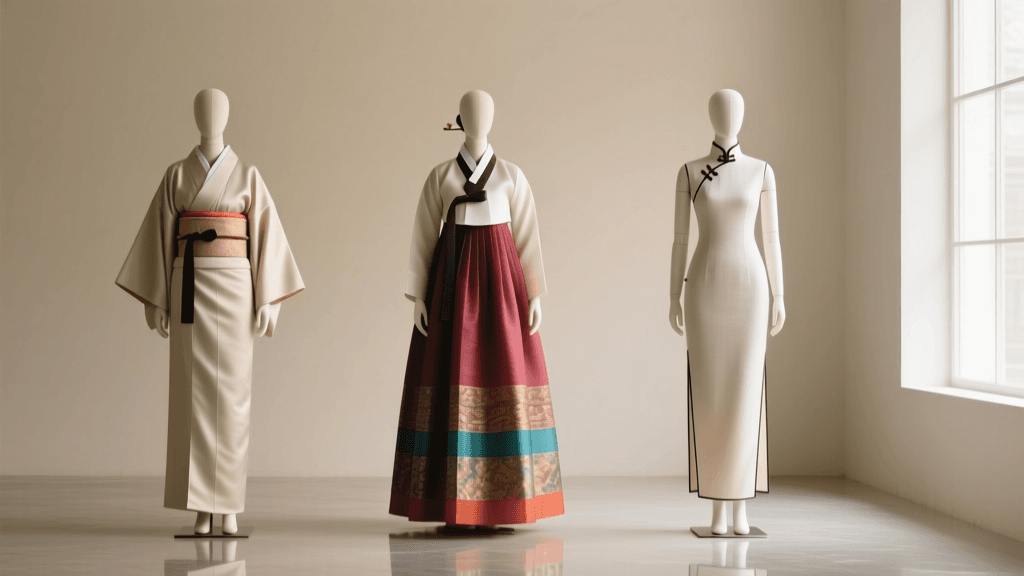
As global fashion increasingly embraces cultural heritage, the kimono, hanbok, and cheongsam have transcended their historical boundaries to become staple pieces in 2026 wardrobes. Whether you are attending a modern tea ceremony, a contemporary wedding, or a high-fashion gala, understanding the structural and stylistic differences between these three iconic garments is essential. This comprehensive guide breaks down the silhouettes, tailoring requirements, care instructions, and 2026 market trends for Japan's kimono, Korea's hanbok, and China's cheongsam.
The Kimono: Structured Elegance and Linear Silhouettes
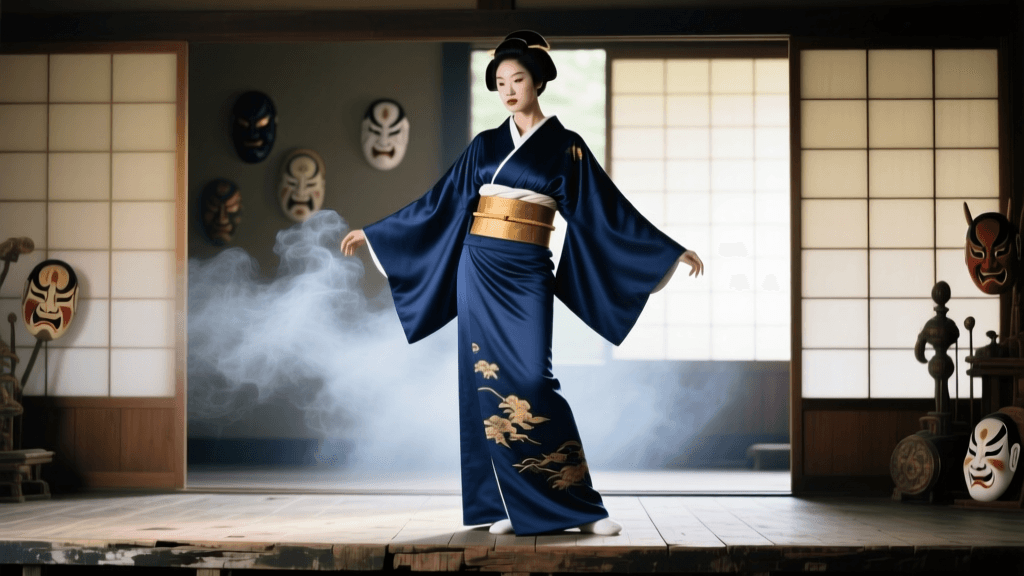
The Japanese kimono is defined by its T-shaped, straight-seamed construction. Unlike Western tailoring, which cuts fabric to follow the body's curves, the kimono relies on wrapping and folding to create a cylindrical, linear silhouette. According to curatorial insights from the Victoria and Albert Museum's Asian collections, the kimono's beauty lies not in its cut, but in its surface design, textile artistry, and the intricate art of dressing known as kitsuke.
Fit and Measurements
Traditional kimono are made from a single bolt of fabric called tanmono, typically measuring 36 centimeters in width and 11 meters in length. In 2026, bespoke tailors still adhere to these traditional widths, though custom wider bolts are increasingly available for international clients. The length of the kimono is ideally equal to the wearer's height, with excess fabric folded at the waist under the obi (sash) to create the ohashori tuck.
2026 Trends and Pricing
This year, upcycled vintage silks, sustainable denim blends, and breathable tech-fabrics dominate the market. A ready-to-wear, machine-washable polyester kimono starts around $120, while a bespoke, hand-painted silk kimono with a formal fukuro obi can easily exceed $4,500 in 2026.
The Hanbok: Volumetric Flow and High Waistlines
The Korean hanbok is celebrated for its vibrant colors, curved lines, and voluminous skirts. The traditional women's hanbok consists of a short jacket (jeogori) and a high-waisted, full skirt (chima). The silhouette is designed to obscure the body's natural shape, instead emphasizing grace, modesty, and fluid movement.
Fit and Measurements
The fit of the hanbok is uniquely forgiving. The chima is tied above the bust, meaning waist and hip measurements are largely irrelevant. The critical measurement is the bust and shoulder width for the jeogori. The jacket is secured with a long, flowing ribbon called a goreum. In 2026, the saenghwal hanbok (everyday hanbok) has popularized shorter, more practical skirts and machine-washable linen blends that suit modern urban lifestyles.
2026 Trends and Pricing
Modern interpretations often feature subtle pastel palettes, minimalist embroidery, and separated skirt pieces that mimic wrap skirts. Referencing the historical evolution of Korean dress documented by institutions like the Metropolitan Museum of Art's Asian Art department, contemporary designers are balancing historical accuracy with modern utility. A high-quality everyday hanbok set costs between $180 and $350, while formal, hand-embroidered wedding hanboks range from $1,200 to $3,000.
The Cheongsam (Qipao): Tailored Form and Mandarin Collars
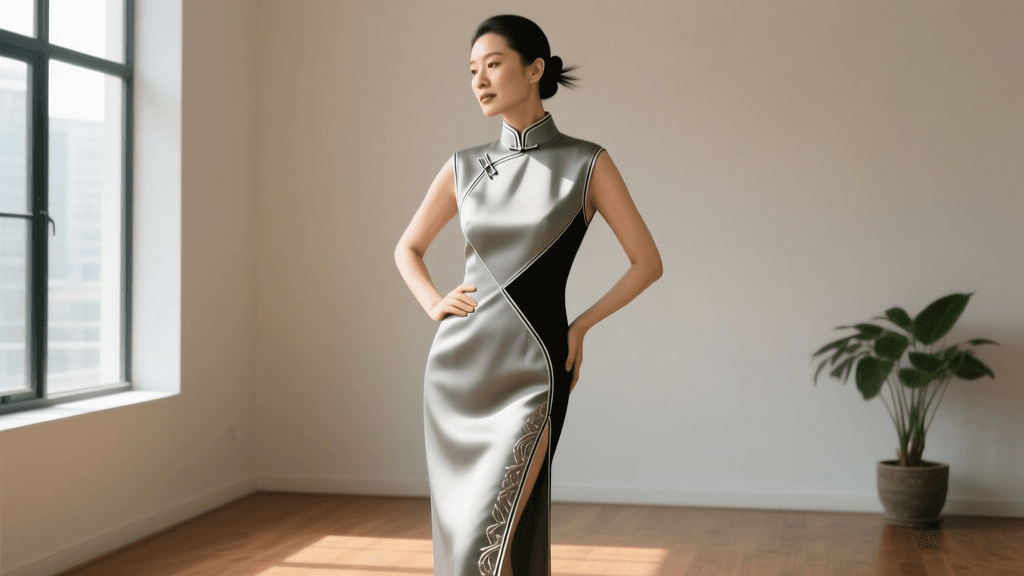
Originating in the 1920s, the cheongsam (or qipao) is a form-fitting dress that highlights the wearer's figure. It is characterized by a stiff mandarin collar, an asymmetrical front opening (dajin), side slits, and intricate knotted buttons known as pankou.
Fit and Measurements
Unlike the kimono and hanbok, the cheongsam requires precise, bespoke tailoring. It utilizes Western-style darts and bias cuts to contour the bust, waist, and hips. A proper 2026 cheongsam fitting requires over 15 distinct measurements, including the hollow-to-hem length and the exact circumference of the neck and upper arms. The garment should fit snugly but allow for a 1-inch ease allowance for sitting, breathing, and dining comfortably.
2026 Trends and Pricing
In 2026, asymmetric hemlines, sheer organza overlays, and sustainable brocades are highly sought after. The British Museum's extensive Asian textile archives highlight the historical shift of the qipao from a loose, modest garment to the tailored icon we recognize today. Ready-to-wear cheongsams start at $90, but a master-tailored, bespoke silk cheongsam in Shanghai, Hong Kong, or London averages $800 to $2,000.
2026 Comparison Chart: Silhouette, Cost, and Occasion
| Garment | Silhouette Profile | Primary Fastening | 2026 Avg. Bespoke Cost (USD) | Best 2026 Occasion |
|---|---|---|---|---|
| Kimono | Linear, cylindrical, structured | Obi sash wrapping | $2,500 - $5,000+ | Tea ceremonies, formal galas |
| Hanbok | Voluminous, A-line, empire waist | Goreum ribbon tie | $800 - $2,500 | Chuseok, weddings, cultural festivals |
| Cheongsam | Form-fitting, contoured, tailored | Pankou frog buttons, hidden zipper | $600 - $2,000 | Cocktail parties, banquets, evening wear |
Practical Sizing and Tailoring Advice for 2026
If you are investing in traditional Asian garments this year, proper sizing is paramount. Here is actionable advice for navigating the 2026 market:
- For the Kimono: Do not worry about standard S/M/L sizing. Focus on your height and hip width. If your hips exceed 40 inches, ensure your tailor uses a wider tanmono bolt to prevent the front panels from pulling open when walking.
- For the Hanbok: When ordering a jeogori, ensure the armholes (dol-bae) are curved deeply enough to allow you to raise your arms without lifting the entire jacket. Modern 2026 patterns have corrected historical restrictions in arm mobility.
- For the Cheongsam: Always request a muslin toile (mock-up) fitting before the final silk is cut. The side slits should begin exactly at the upper thigh to ensure modesty while walking, and the mandarin collar should allow for one finger to slide comfortably between the neck and the fabric.
Care and Maintenance in the Modern Era
Preserving these garments requires specific care routines that have evolved with modern technology. For silk kimonos, traditional arai-hari (taking the garment apart, washing the fabric panels, and re-sewing) is still practiced by purists, but most 2026 owners rely on specialized ozone dry-cleaning to preserve delicate metallic threads. Hanboks made from modern synthetic blends or treated linens can often be hand-washed in cold water with a pH-neutral detergent, though the stiff collars (dongjeong) should be spot-cleaned to maintain their crisp white appearance. Cheongsams, due to their structured darts and interfacing, should almost exclusively be dry-cleaned to prevent the silk from warping or the frog closures from losing their shape.
Modern Styling: Integrating Tradition into 2026 Wardrobes
You do not need to wear these garments head-to-toe to appreciate their beauty. In 2026, mix-and-match styling is highly encouraged. Pair a modern, knee-length hanbok skirt with a fitted cashmere turtleneck and ankle boots for a sophisticated winter look. Drape a lightweight, unlined silk kimono jacket (haori) over a crisp white t-shirt and tailored denim for effortless weekend wear. For the cheongsam, layer a sleeveless, midi-length qipao under an oversized, structured blazer to bridge the gap between traditional evening wear and contemporary corporate chic.
Conclusion
The kimono, hanbok, and cheongsam each offer a distinct approach to elegance, rooted in their respective cultural philosophies of space, form, and movement. Whether you prefer the architectural wrap of the kimono, the flowing grace of the hanbok, or the sculpted precision of the cheongsam, 2026 offers more accessible and innovative options than ever before. By understanding the unique tailoring requirements, care protocols, and modern styling trends of each, you can confidently select a garment that honors Asian traditions while fitting seamlessly into your contemporary life.