Kimono vs Hanbok vs Cheongsam: 2026 Global Trends
The Evolution of Asian Traditional Garments in 2026
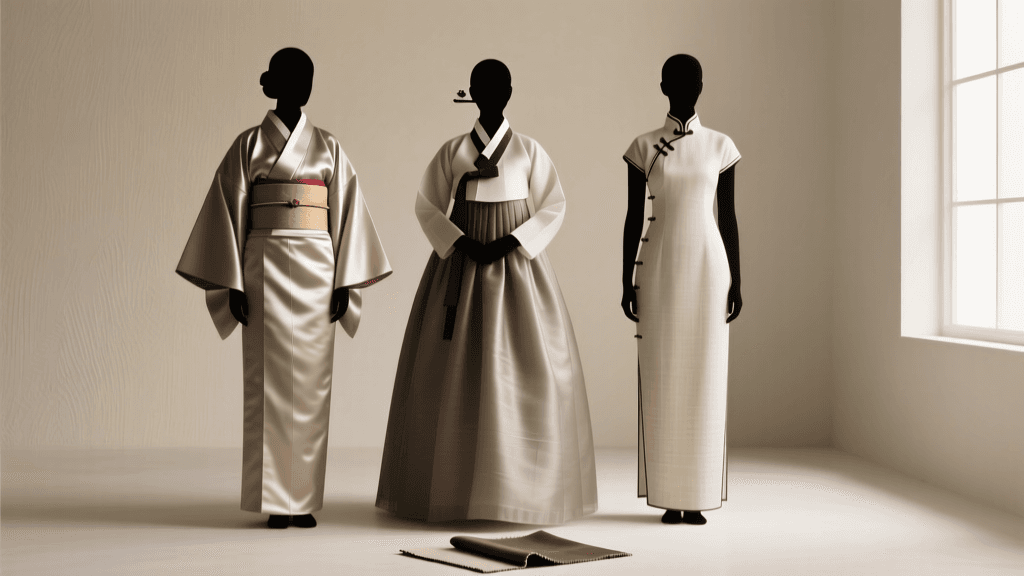
Asian traditional garments have long transcended their historical and geographic boundaries to become global symbols of elegance, cultural pride, and artisanal mastery. As we navigate the fashion landscape of 2026, the Japanese kimono, Korean hanbok, and Chinese cheongsam (qipao) are experiencing a renaissance driven by sustainable textile innovations, AI-assisted bespoke tailoring, and a growing demand for cross-cultural fusion styling. Whether you are attending a modern gala, participating in a cultural ceremony, or curating a heritage-inspired wardrobe, understanding the structural and stylistic nuances of these three iconic garments is essential.
In this comprehensive guide, we break down the architectural differences, 2026 fabric technologies, and modern styling protocols for the kimono, hanbok, and cheongsam, helping you make informed decisions for your next sartorial investment.
Kimono: The T-Shaped Masterpiece of Japan
The Japanese kimono is defined by its T-shaped, straight-seamed construction. Unlike Western garments that rely on darts and curved seams to contour the body, the kimono is cut from straight bolts of fabric (tanmono), creating a flat, geometric canvas that wraps around the wearer. According to Japan Guide's authoritative resource on Kimono wearing and customs, the art of kitsuke (dressing) is just as vital as the garment itself, utilizing a complex system of undergarments (juban), sashes (obi), and decorative cords (obi-jime) to create the final silhouette.
2026 Innovations and Styling
In 2026, the kimono market has embraced 'smart-silk' and washable heritage blends. Traditional silk remains the gold standard for formal events (such as the furisode for unmarried women or the kurotomesode for married women), but everyday kimono are now frequently crafted from temperature-regulating bio-synthetics that mimic the drape of heavy crepe silk (chirimen) while offering machine-washable convenience. Furthermore, 3D-printed obi-jime and obi-dome (sash accessories) have become highly sought after, allowing wearers to customize their ensembles with intricate, lightweight geometric designs that would be impossible to carve from traditional ivory or jade.
- Silhouette: Cylindrical, straight, and floor-length.
- Collar: Wide, overlapping V-neck (eri) that exposes the nape.
- Fastening: No buttons; secured entirely by the obi and koshihimo ties.
Hanbok: The Voluminous Elegance of Korea
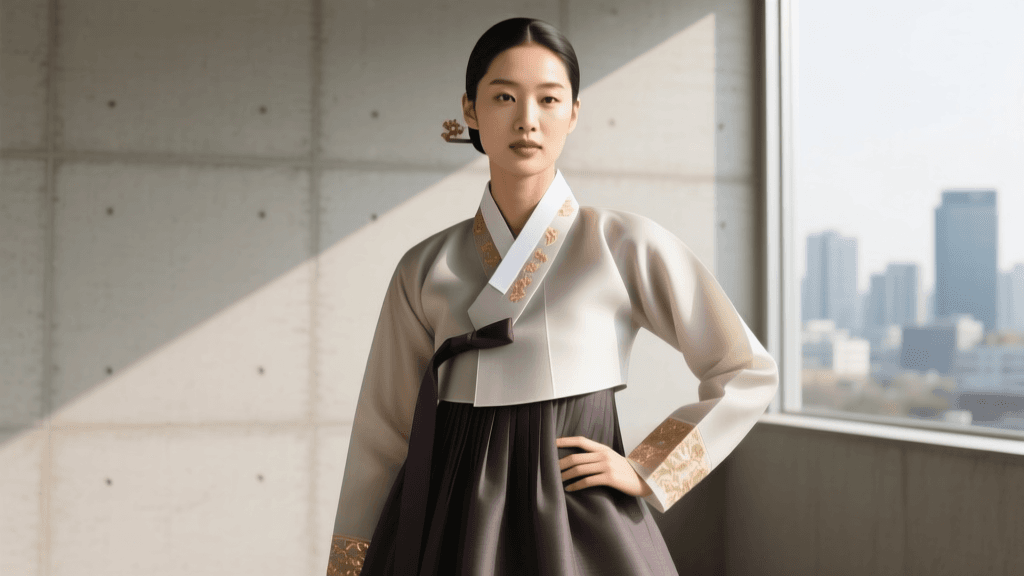
The Korean hanbok is celebrated for its vibrant colors, curved lines, and dramatic volume. The traditional female hanbok consists of the jeogori (a cropped, wrap-style jacket) and the chima (a high-waisted, bell-shaped skirt). The male counterpart features the jeogori paired with baji (roomy trousers). As noted by Encyclopedia Britannica's comprehensive guide to Hanbok, the beauty of the hanbok lies in its fluid movement and the stark visual contrast between the fitted upper body and the expansive lower half.
2026 Innovations and Styling
The 'Daily Hanbok' movement has fully matured in 2026, blending historical aesthetics with modern practicality. Contemporary designers are utilizing recycled PET-blended organza and structural memory-wire woven directly into the hem of the chima. This allows the skirt to maintain its iconic bell shape without the need for heavy, uncomfortable traditional petticoats. For formal and ceremonial wear, digital embroidery techniques now allow for hyper-detailed, personalized motifs (such as modern interpretations of the ten symbols of longevity) to be stitched onto silk-satin blends in a fraction of the time required for hand-embroidery, significantly reducing the carbon footprint of bespoke orders.
- Silhouette: Fitted bodice with an A-line or bell-shaped, voluminous skirt.
- Collar: V-neck overlapping collar with a detachable white collar lining (dongjeong).
- Fastening: Secured by long, flowing ribbons (goreum) tied into a specific bow.
Cheongsam (Qipao): The Form-Fitting Silhouette of China
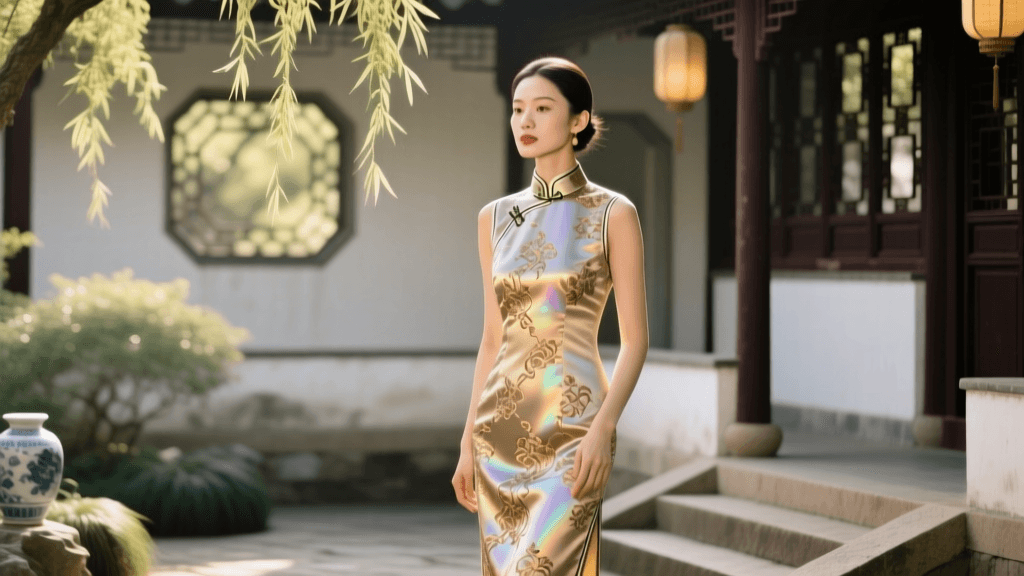
Originating in the 1920s in Shanghai, the cheongsam (or qipao) is a masterclass in tailoring and contouring. It is characterized by its form-fitting cut, high mandarin collar, asymmetrical side slits, and intricate pankou (knotted) fasteners. Britannica's historical and modern overview of the Qipao highlights how the garment evolved from a loose, modest dress into the sleek, body-conscious silhouette recognized globally today, symbolizing modern femininity and cosmopolitan elegance.
2026 Innovations and Styling
The 2026 cheongsam market is dominated by modular designs and advanced stretch textiles. Lab-grown spider silk blends are now a premium choice for high-end qipaos, offering unparalleled tensile strength, a luxurious sheen, and a 4-way stretch that eliminates the restrictive nature of traditional brocades. Additionally, modular cheongsams featuring detachable mandarin collars and interchangeable pankou knot sets have become a staple for the modern professional, allowing a single garment to transition seamlessly from a conservative boardroom meeting to an evening gala. AI-assisted body scanning apps have also revolutionized remote bespoke tailoring, ensuring a flawless, gap-free fit around the collar and bust without requiring multiple in-person fittings.
- Silhouette: Form-fitting, tailored, and body-conscious with side slits for mobility.
- Collar: High, stiff mandarin collar (yuanbao collar).
- Fastening: Hidden zippers combined with decorative pankou knotted buttons.
Structural and Stylistic Comparison Chart
When deciding which garment to invest in or wear for a specific 2026 event, it is crucial to understand their structural differences and current market pricing for custom pieces.
| Feature | Japanese Kimono | Korean Hanbok | Chinese Cheongsam |
|---|---|---|---|
| Primary Silhouette | Straight, T-shaped, cylindrical | Voluminous skirt, cropped jacket | Form-fitting, contoured, sleek |
| Collar Style | Overlapping wide V-neck | Overlapping V-neck with white lining | High, stiff Mandarin collar |
| Fastening Method | Obi sash and ties (no buttons) | Ribbon bow (goreum) | Pankou knots and hidden zippers |
| 2026 Trend Fabric | Washable bio-silk, digital print crepe | Memory-wire organza, recycled PET | Lab-grown spider silk stretch-blend |
| Mobility & Comfort | Restrictive; requires specific posture | Highly mobile lower half; light top | Moderate; side slits aid walking |
| Avg Custom Cost (2026 USD) | $800 - $3,500+ | $400 - $1,800 | $300 - $1,500 |
Sourcing and Styling for the Modern Wardrobe
Sourcing authentic, high-quality traditional garments in 2026 requires navigating both heritage ateliers and modern sustainable fashion houses. For the kimono, Kyoto-based ateliers now offer virtual consultations where they ship fabric swatches and utilize 3D mapping to pre-fold and stitch the garment to your exact proportions. When styling a kimono for a modern event, opt for a minimalist silk obiage (sash scarf) in a contrasting jewel tone to bridge the gap between historical formality and contemporary minimalism.
For the hanbok, the daily-wear segment offers the most versatility. Pair a modern, shortened jeogori with high-waisted, wide-leg trousers for a sophisticated office-appropriate look that honors Korean heritage without the bulk of a traditional chima. When wearing a full ceremonial hanbok, ensure the goreum (ribbons) are tied at the correct angle—slightly asymmetrical and flowing downward—to maintain the garment's elegant drape.
The cheongsam remains the ultimate choice for black-tie events and formal dinners. In 2026, styling a cheongsam involves playing with textures. If your qipao is made of a matte stretch-silk, elevate the look with metallic, architectural jewelry and a structured, micro-clutch. Avoid overly busy patterns if you are new to the garment; solid colors with subtle, tonal jacquard weaving provide a luxurious, understated elegance that photographs beautifully.
Care and Maintenance in the Modern Era
Preserving these garments has evolved significantly. Traditional dry cleaning is being replaced by ozone sanitization and UV-C storage boxes in 2026, which eliminate odors and bacteria without degrading delicate silk fibers or fading natural dyes. Kimono should always be stored unfolded in specialized, acid-free washi paper to prevent permanent creasing along the seams. Hanbok skirts should be hung by their waistbands in a breathable cotton garment bag to maintain the structural integrity of the pleats, while cheongsams must be stored flat or rolled to prevent stress on the delicate pankou knots and side-slit seams.
By understanding the unique construction, modern innovations, and proper care protocols of the kimono, hanbok, and cheongsam, you can confidently integrate these masterpieces of Asian heritage into your 2026 wardrobe, celebrating both their historical roots and their dynamic future.