Kimono vs Hanbok vs Cheongsam: 2026 Formal Wear Guide
Choosing Your Traditional Asian Formal Wear in 2026
As global fashion continues to embrace cultural heritage, traditional Asian garments have transcended their historical roots to become highly sought-after formal wear for 2026 weddings, galas, and red-carpet events. The Japanese kimono, Korean hanbok, and Chinese cheongsam (qipao) each offer a distinct silhouette, rich symbolism, and a unique wearing experience. However, choosing the right garment requires understanding their structural differences, modern adaptations, and practical considerations for contemporary events. Whether you are a bride planning a multicultural wedding, a guest attending a high-society gala, or a fashion enthusiast looking to invest in bespoke heritage clothing, this comprehensive guide compares these three iconic garments to help you make an informed decision.
The Japanese Kimono: Structured Elegance and Layering
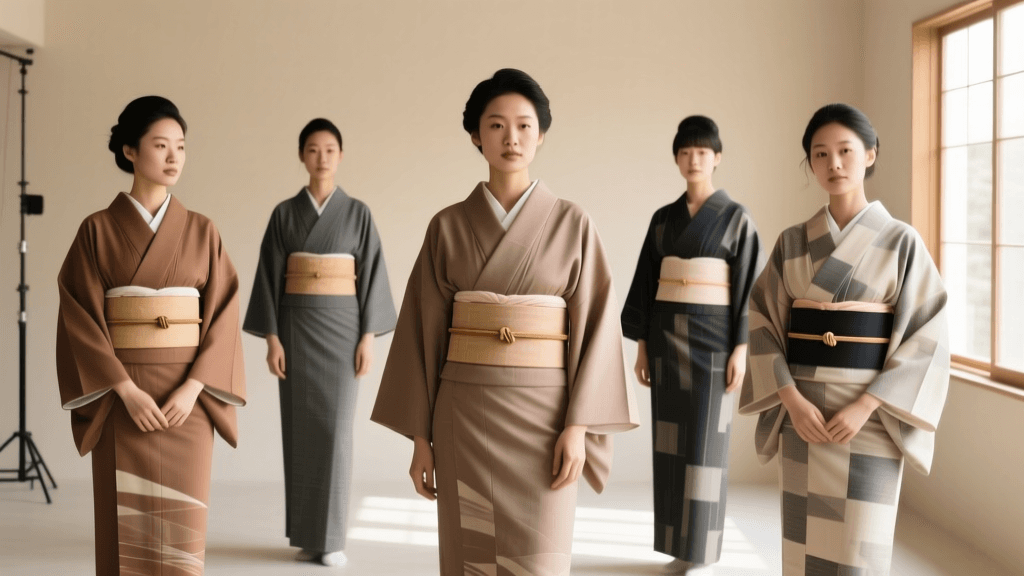
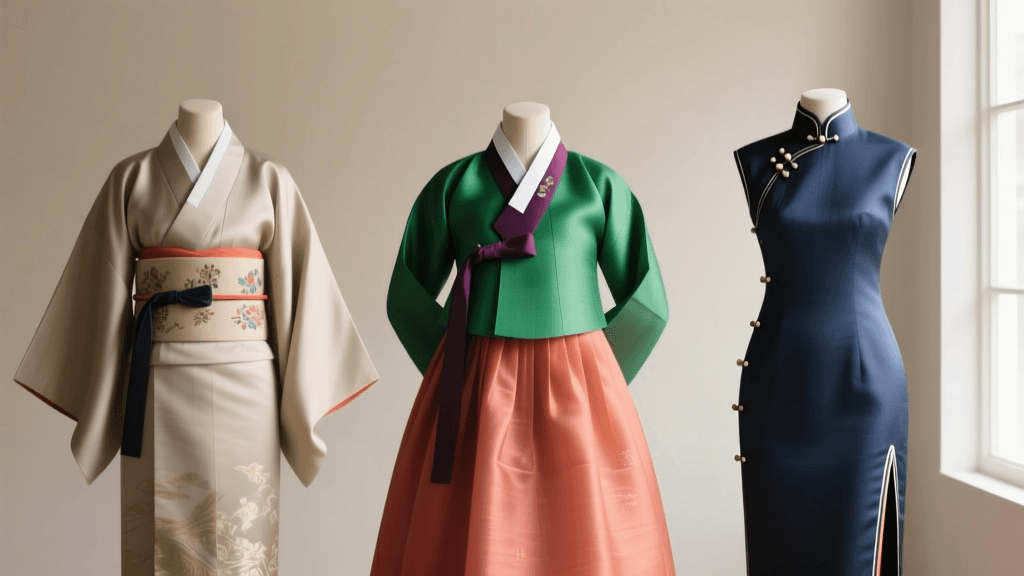
The Japanese kimono is renowned for its T-shaped, straight-seamed silhouette that wraps around the body, secured by a wide sash known as an obi. Unlike Western formal wear, which often relies on tailoring to accentuate the body's natural curves, the kimono creates a cylindrical, elegant shape that emphasizes the textile's artistry rather than the wearer's figure. For formal events in 2026, the most common choices are the kurotomesode (black kimono with crests, typically worn by married women) and the furisode (featuring long, swinging sleeves, worn by unmarried women).
2026 Innovations and Styling
The traditional art of kitsuke (kimono dressing) is notoriously complex, often requiring a professional dresser and up to an hour to complete. However, the 2026 formal wear market has seen a surge in modernized dressing aids. Kyoto-based textile innovators have introduced 3D-printed, lightweight obi clips and pre-tied sashes that reduce dressing time to under twenty minutes without sacrificing the traditional aesthetic. Furthermore, sustainable silk initiatives in Japan have popularized lab-grown and ethically harvested spider-silk blends, offering the luxurious sheen of traditional habutai silk with enhanced durability and temperature regulation for outdoor summer weddings.
Cost and Sourcing
Bespoke formal kimono remain a significant investment. In 2026, a custom-made, hand-painted furisode from a reputable Kyoto atelier typically starts at $8,500, with vintage or antique formal kimono rentals averaging between $250 and $500 for a full-day event package, including professional dressing services and accessories like zori sandals and tabi socks.
The Korean Hanbok: Voluminous Silhouettes and Vibrant Colors
The Korean hanbok is characterized by its vibrant colors, simple lines, and dramatic, voluminous silhouette. The traditional women's formal hanbok consists of a jeogori (a short, fitted jacket) and a chima (a high-waisted, full, bell-shaped skirt). For men, it comprises a jeogori and baji (roomy trousers), often layered with a durumagi (overcoat). The hanbok's design allows for exceptional freedom of movement, making it a favorite for dynamic wedding ceremonies and traditional dances.
The 'New Hanbok' Movement in 2026
Driven by the global influence of K-culture, the 'New Hanbok' movement has heavily influenced formal wear in 2026. While traditional bridal hwalot and ceremonial wonsam remain popular for the main wedding ceremony, many modern brides and gala attendees are opting for contemporary formal hanbok. These 2026 designs feature elongated jeogori, minimalist lines, and lightweight, translucent organza chima that create an ethereal, floating effect. Designers are also incorporating smart-fabrics that subtly regulate body temperature, ensuring comfort during lengthy, multi-hour banquets.
Color Theory and Custom Tailoring
Traditional hanbok relies heavily on Obangsaek, the Korean traditional color spectrum representing the five elements. In 2026, while classic red and blue bridal combinations remain popular, there is a strong trend toward muted, pastel palettes and monochromatic formal sets. Custom tailoring for a high-end formal hanbok takes approximately four to six weeks, with prices ranging from $1,200 for premium machine-embroidered sets to over $4,500 for hand-embroidered, bespoke silk creations.
The Chinese Cheongsam (Qipao): Tailored Sophistication
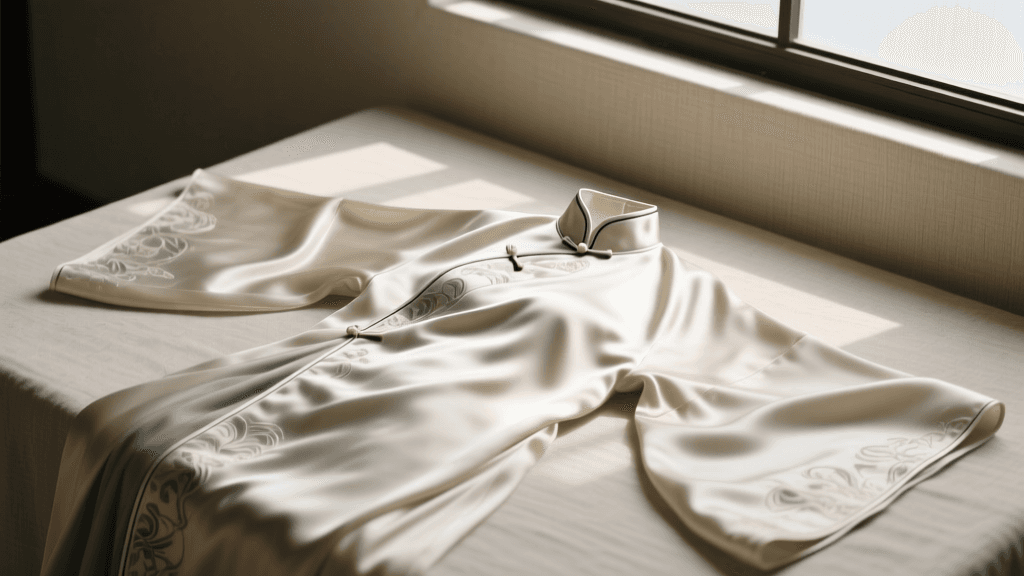
The cheongsam, or qipao, is the epitome of tailored sophistication. Originating in 1920s Shanghai, this form-fitting dress features a high mandarin collar, asymmetric side closures fastened with intricate pankou (knotted buttons), and strategic side slits for mobility. Unlike the kimono and hanbok, which obscure the body's shape, the cheongsam is designed to celebrate and accentuate the wearer's natural curves, making it a highly glamorous choice for evening galas and formal receptions.
Technological Advancements in Bespoke Qipao
The perfect cheongsam requires millimeter-perfect tailoring; a poorly fitted qipao can restrict movement and cause discomfort. In 2026, bespoke tailoring hubs in Shanghai, Singapore, and Hong Kong have integrated AI-assisted 3D body scanning into the fitting process. This technology maps the client's exact proportions, accounting for posture and movement, ensuring the garment stretches and moves flawlessly with the body. Additionally, modern weavers are blending traditional mulberry silk with elastane and sustainable bamboo fibers, creating 'stretch-silks' that offer the opulent drape of vintage qipao with the comfort of modern activewear.
Embroidery and Formal Pricing
Formal cheongsam are often heavily embroidered with auspicious motifs such as peonies (wealth and honor), dragons, and phoenixes. A custom, floor-length formal qipao featuring hand-embroidered Suzhou silk work and premium brocade typically costs between $2,000 and $6,000 in 2026, depending on the complexity of the embroidery and the prestige of the tailoring house.
Direct Comparison: Kimono vs Hanbok vs Cheongsam
To help visualize the differences, refer to the comparison chart below, which outlines the key structural and practical elements of each garment for formal events.
| Feature | Japanese Kimono | Korean Hanbok | Chinese Cheongsam |
|---|---|---|---|
| Silhouette | Cylindrical, straight, layered | Voluminous, bell-shaped skirt, fitted top | Form-fitting, tailored, side slits |
| Dressing Time | 45-60 mins (requires professional help) | 10-15 mins (can be self-dressed) | 5-10 mins (slip-on with side fastenings) |
| Mobility | Restricted (requires small, shuffling steps) | High (allows for wide movements and dancing) | Moderate (side slits aid walking, but form-fitting) |
| 2026 Avg Bespoke Cost | $8,500+ | $2,500+ | $3,000+ |
| Best For | Tea ceremonies, highly formal traditional weddings | Dynamic ceremonies, cultural performances, receptions | Evening galas, red carpets, formal dinners |
Practical Considerations for 2026 Events
When selecting your garment, it is crucial to consider the logistics of your event. If you are attending a formal sit-down dinner, the cheongsam is often the most practical, as its tailored fit allows for comfortable seating, though the high collar may feel restrictive in humid climates. For outdoor summer weddings, the hanbok is highly recommended; the loose chima allows for excellent air circulation, and the 2026 trend of lightweight organza prevents overheating. Conversely, the kimono is best suited for indoor, climate-controlled environments or cooler seasons, as the multiple layers of silk and undergarments (juban) can be quite warm.
Footwear is another critical factor. Kimono require traditional tabi and zori, which can be challenging to walk in for those unaccustomed to them. Hanbok are typically worn with comfortable, flat traditional shoes (kkotsin) or modern flats hidden beneath the voluminous skirt. Cheongsam are almost exclusively paired with high heels to elongate the leg line through the side slits, which should be factored into your comfort planning for the evening.
Sourcing, Styling, and Cultural Respect
As traditional garments gain global popularity, sourcing them ethically and respectfully is paramount. For those looking to explore the deep historical context of these garments before making a purchase, the Metropolitan Museum of Art's Asian Art Collection offers extensive digital archives detailing the evolution of these silhouettes. Similarly, the Victoria and Albert Museum's Asian textile archives provide incredible insights into the historical weaving techniques that inspire modern 2026 fabrics.
When styling your chosen garment, avoid mixing too many cultural elements. A Japanese kimono should be styled with traditional Japanese hair ornaments (kanzashi) and footwear, rather than Korean or Chinese accessories. For a deeper understanding of the cultural symbolism embedded in the motifs and colors of these garments, the Smithsonian National Museum of Asian Art provides excellent educational resources on the meaning behind traditional Asian textile patterns.
Final Thoughts
Whether you choose the structured, artistic elegance of the kimono, the vibrant, sweeping romance of the hanbok, or the sleek, sophisticated glamour of the cheongsam, each garment offers a profound connection to Asian heritage. By understanding the practicalities, modern 2026 innovations, and cultural significance of each, you can confidently select the perfect traditional formal wear that honors the past while stepping beautifully into the future.