Kimono vs Hanbok vs Cheongsam: 2026 Formal Wear Guide
Introduction to Asian Formal Heritage in 2026
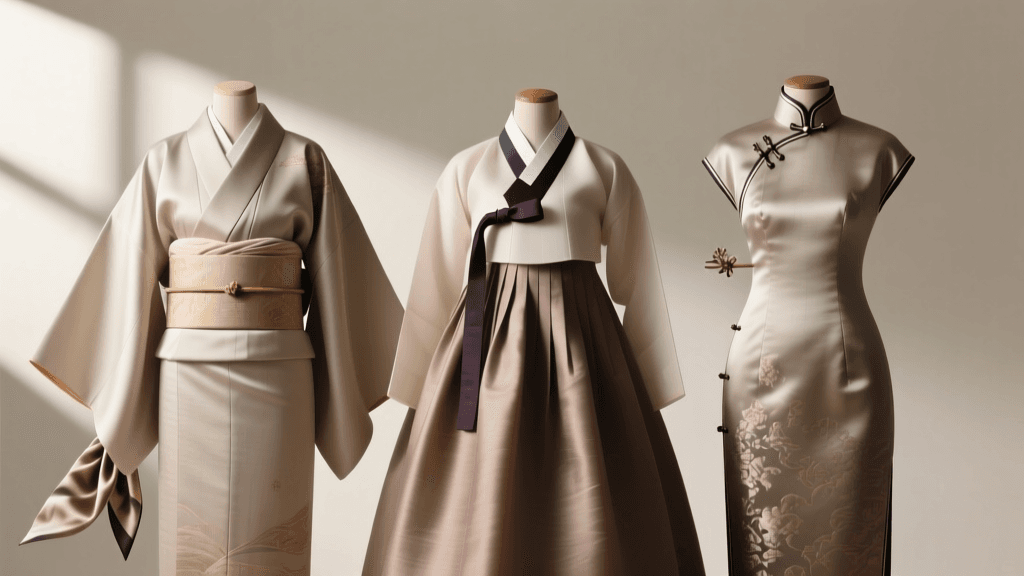
When attending a high-profile gala, a traditional wedding, or a cultural diplomatic summit in 2026, the choice of heritage formalwear is a profound statement of identity, artistry, and respect. The Japanese kimono, the Korean hanbok, and the Chinese cheongsam (qipao) represent the pinnacle of East Asian textile engineering. Yet, their silhouettes, construction methods, and modern styling requirements differ vastly. As global supply chains for luxury silks shift in 2026 and sustainable textiles become the standard for bespoke tailoring, understanding the nuances between these three iconic garments is essential for the modern collector and wearer. This comprehensive guide compares the structural elegance of the kimono, the volumetric grace of the hanbok, and the tailored precision of the cheongsam, providing actionable advice for sourcing, fitting, and styling them for contemporary formal events.
The Japanese Kimono: Structured Elegance and 2026 Silk Markets
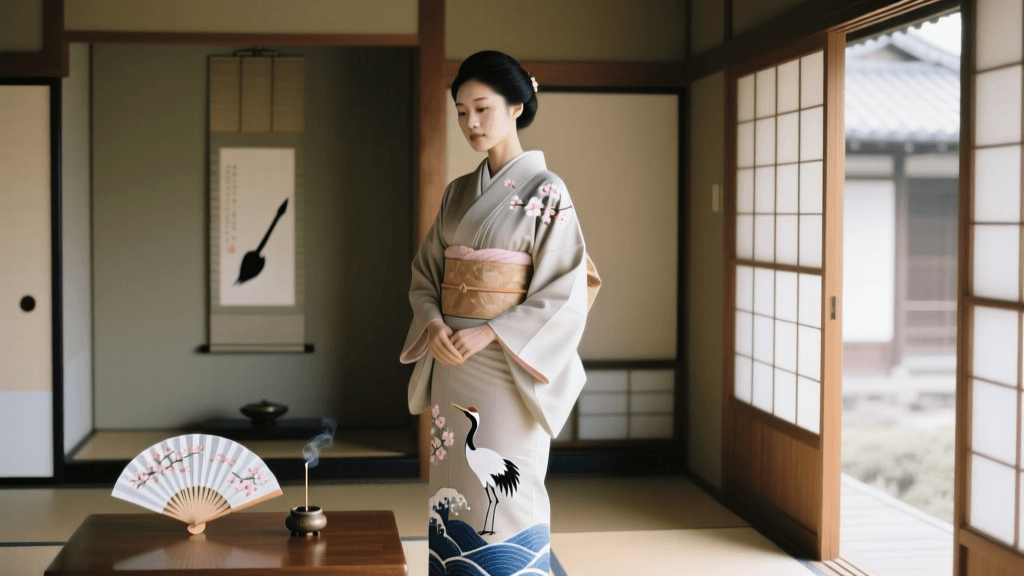
The kimono is defined by its T-shaped, straight-line construction, which prioritizes the drape and surface design of the textile over the contour of the human body. For formal occasions in 2026, the furisode (long-swinging sleeves for unmarried women) and the kurotomesode (black crepe with hem patterns for married women) remain the undisputed standards of ceremonial dress.
According to the Encyclopædia Britannica's overview of the Kimono, the garment's evolution from the kosode of the Edo period to its modern ceremonial form represents a masterclass in flat-pattern cutting. In 2026, the market for authentic Nishijin-ori (brocade) and Yuzen-dyed silks has seen a price premium of roughly 18% due to the retirement of master artisans in Kyoto and the rising cost of ethically sourced, cruelty-free peace silk.
2026 Styling and Construction Details
- The Obi: A formal maru-obi or fukuro-obi is heavily brocaded with gold and silver threads. In 2026, lightweight metallic threads are preferred to reduce the physical burden of the 4-meter-long sash.
- Fastening: No buttons or zippers. The garment is secured entirely through the precise folding and tying of the obi, supported by an obiage (silk scarf) and obijime (braided cord).
- Cost: A bespoke, hand-painted silk furisode commissioned in early 2026 typically ranges from $4,500 to $9,000 USD, excluding the obi and accessories.
The Korean Hanbok: Volumetric Grace and Contemporary Organza
The traditional Korean hanbok is celebrated for its vibrant colors, simple lines, and the dramatic, bell-like volume of the chima (skirt). Formal hanbok, such as the dangui or the elaborate wonsam worn by royalty and brides, relies on structural layering to achieve its iconic silhouette.
The Victoria and Albert Museum's Asian Collections highlights how East Asian garments often manipulate space and volume rather than clinging to the body. In 2026, the formal hanbok market has been revolutionized by the introduction of structural organza and sustainable cupro blends. These modern textiles allow the chima to maintain its expansive, architectural dome shape without the need for heavy, restrictive cotton under-skirts that were historically required.
2026 Styling and Construction Details
- The Silhouette: The jeogori (jacket) is cropped high above the bust, while the chima is tied just under the armpits, creating an elongated, flowing lower half that obscures the legs entirely.
- Fastening: The jeogori is secured with a single, long ribbon called the goreum. In 2026, formal goreum are often embroidered with subtle, tonal floral motifs that catch the light during evening galas.
- Cost: A high-end, custom-tailored formal hanbok utilizing imported Italian organza and Korean silk blends averages between $1,200 and $3,500 USD in 2026.
The Chinese Cheongsam: Tailored Precision and Banquet Ready
Often referred to as the qipao, the cheongsam is the antithesis of the kimono's hidden silhouette. It is a masterwork of contour tailoring, designed to celebrate the natural curves of the wearer while maintaining an air of dignified modesty through its high mandarin collar and strategic side slits.
As detailed in Britannica's historical guide to the Qipao, the garment transitioned from a loose, A-line Manchu robe in the 1920s to the form-fitting, darted silhouette recognized globally today. For 2026 formal banquets and red-carpet events, the cheongsam has evolved to incorporate stretch-silk crepes and 3D-embossed floral velvets, offering unparalleled mobility without sacrificing the garment's rigid, elegant neckline.
2026 Styling and Construction Details
- The Pankou Knots: These intricate, hand-woven fabric fasteners serve as both functional closures and decorative art. In 2026, master tailors in Shanghai and Hong Kong are integrating micro-pearls and jade beads directly into the center of the pankou knots for evening wear.
- The Slits: Formal cheongsam feature side slits that typically end just above the knee. Proper tailoring ensures that when seated, the slit drapes modestly, often backed by a hidden inner silk panel.
- Cost: Bespoke banquet cheongsam from heritage tailors in 2026 cost between $1,800 and $5,500 USD, heavily dependent on the complexity of the hand-embroidery and the rarity of the silk brocade.
2026 Formal Garment Comparison Matrix
| Feature | Japanese Kimono | Korean Hanbok | Chinese Cheongsam |
|---|---|---|---|
| Primary Silhouette | T-shaped, cylindrical, floor-length | High-waisted, bell-shaped skirt, cropped jacket | Form-fitting, contoured, knee-to-floor length |
| Fastening System | Obi sash, obijime cord, no buttons | Goreum ribbon tie, hidden inner ties | Hidden side zippers, decorative pankou knots |
| 2026 Trending Fabrics | Sustainable peace silk, metallic Nishijin brocade | Structural organza, cupro-silk blends | Stretch-silk crepe, 3D-embossed velvet |
| Time to Dress | 30–45 minutes (requires professional kitsuke) | 10–15 minutes (can be self-dressed with practice) | 5–10 minutes (slip-on with side closures) |
| Undergarments | Hadajuban, nagajuban, padding for cylindrical shape | Sokjeoksam (inner skirt), modern petticoats | Seamless nude slip, strapless shaping bodysuit |
| Estimated 2026 Cost | $4,500 – $9,000+ | $1,200 – $3,500 | $1,800 – $5,500 |
Sourcing, Tailoring, and Undergarments for 2026 Galas
The Crucial Role of Undergarments
The success of any traditional Asian garment relies entirely on the foundation beneath it. For the kimono, the goal in 2026 remains the creation of a seamless, cylindrical tube; modern kitsuke (dressing) professionals utilize specialized neoprene and breathable mesh padding to smooth the waist and hips without the suffocating heat of traditional cotton towels. For the hanbok, the structural integrity of the chima is supported by a modern, hooped petticoat made of lightweight nylon, replacing the heavy layers of the past. The cheongsam demands absolute seamlessness; laser-cut, nude microfiber slips and strapless shaping bodysuits are mandatory to ensure the bias-cut silk glides over the body without catching on skin or undergarment lines.
Navigating the 2026 Bespoke Timeline
If you are commissioning a garment for a late-2026 wedding or gala, you must account for the current artisanal bottlenecks. Hand-embroidered cheongsam from Shanghai require a minimum of 12 weeks for completion, including two separate fitting sessions to adjust the darts and side slits. Kimono weaving, particularly for custom Nishijin-obi, can take up to six months; therefore, purchasing high-quality vintage silk and commissioning a modern, custom-tailored obi is the preferred route for time-constrained buyers in 2026. Hanbok tailors in Seoul's Bukchon district typically require 4 to 6 weeks, but securing premium structural organza from European mills may add a month to the sourcing process.
Conclusion: Choosing Your 2026 Heritage Garment
Selecting between the kimono, hanbok, and cheongsam is not merely a matter of aesthetic preference; it is a decision about how you wish to interact with space, movement, and history. The kimono offers a walking canvas of profound artistic weight and structured discipline. The hanbok provides an ethereal, architectural volume that commands a room through its graceful expansion. The cheongsam delivers a sleek, modernist precision that celebrates the individual form through masterful tailoring. By understanding the construction, 2026 market realities, and styling requirements of each, you can confidently step into any formal occasion wearing a masterpiece of Asian textile heritage.