Kimono vs Hanbok vs Cheongsam: 2026 Event Styling Guide
The Renaissance of East Asian Formal Wear in 2026
As global fashion continues to embrace cultural heritage and artisanal craftsmanship, traditional East Asian garments have experienced a profound renaissance. By 2026, the kimono, hanbok, and cheongsam (qipao) are no longer relegated solely to historical reenactments or strictly private family ceremonies. Instead, they are prominent fixtures at international galas, modern weddings, and high-profile cultural festivals. However, choosing the right garment requires a deep understanding of their distinct structural philosophies, textile traditions, and contemporary styling rules. This comprehensive guide compares these three iconic garments, providing actionable advice for collectors, cultural enthusiasts, and individuals seeking authentic formal wear for 2026 events.
The Kimono: T-Shaped Elegance and Artisan Layering
Structure and Silhouette
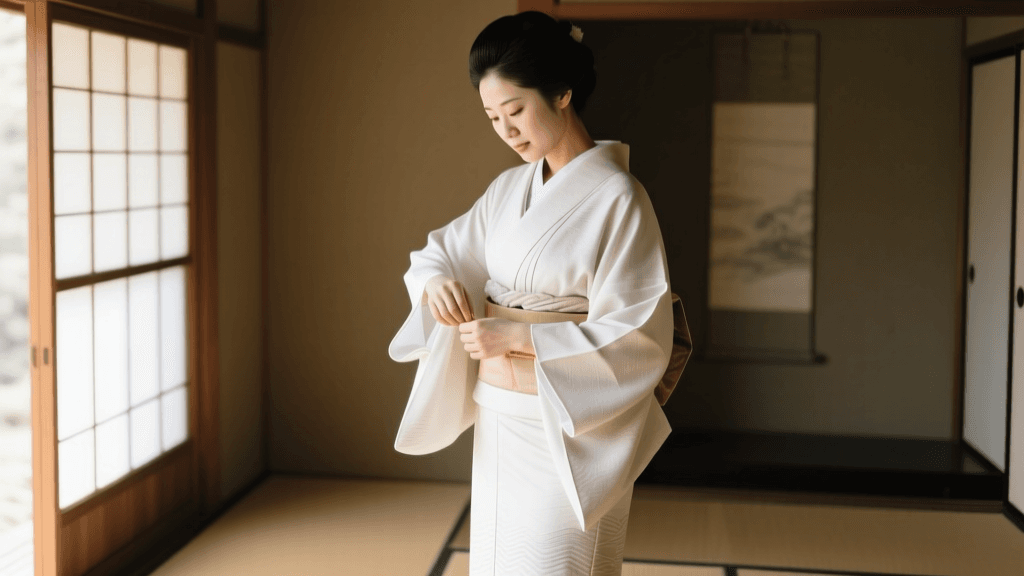
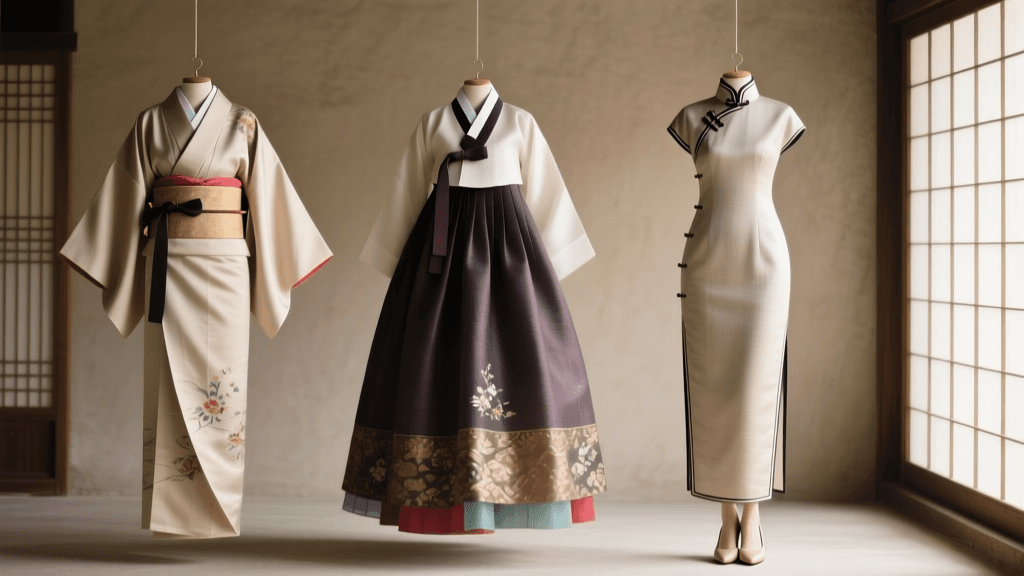
The Japanese kimono is fundamentally defined by its T-shaped, straight-line construction. Unlike Western tailoring, which cuts fabric to follow the curves of the human body, the kimono wraps the wearer in a cylindrical silhouette that obscures the natural figure, emphasizing the textile's surface design over the body's shape. According to The Metropolitan Museum of Art, this geometric approach to garment-making allows for intricate, uninterrupted canvases of dyeing and weaving, such as Yuzen paste-resist dyeing and Nishijin-ori brocade.
For formal events in 2026, the most appropriate choices are the Tomesode (for married women, featuring patterns only below the waist) and the Furisode (for unmarried women, characterized by long, swinging sleeves). The silhouette is heavily dependent on the obi (sash), which is tied in elaborate knots at the back, and the juban (undergarment), which provides the necessary padding to create a seamless, tubular foundation.
2026 Styling and Sourcing
The 2026 kimono market has seen a surge in sustainably sourced silk and the revival of heritage botanical dyes. When styling a kimono for a modern formal event, contemporary wearers are increasingly pairing vintage Showa-era silk haori (jackets) with minimalist, modern obi belts to bridge the gap between tradition and current aesthetics. A brand-new, bespoke formal kimono set (including the obi, obijime cord, and zori sandals) from a certified artisan in Kyoto's Nishijin district typically ranges from $4,500 to $12,000 in 2026. For those on a budget, high-end rental services in Tokyo and Kyoto now offer 24-hour courier delivery of meticulously restored antique sets for approximately $250 per day.
The Hanbok: Volumetric Grace and Color Theory
Structure and Silhouette
The Korean hanbok is celebrated for its architectural volume and vibrant color theory. The traditional women's hanbok consists of the jeogori (a short, fitted jacket) and the chima (a high-waisted, voluminous wrap skirt). The silhouette is designed to create a bell-like shape, allowing for fluid, graceful movement while concealing the lower body. The visual impact of the hanbok relies heavily on Obangsaek, the traditional Korean color spectrum based on the five elements, which dictates the harmonious pairing of primary colors in the garments' silk panels.
Unlike the kimono's flat surface, the hanbok's beauty is three-dimensional, realized only when the wearer moves. The crisp, structured lines of the baerae (the curved bottom edge of the jeogori sleeve) and the delicate goreum (the long, flowing front bow) are hallmarks of master-level tailoring. For formal 2026 weddings and state events, the Hwalot (ceremonial robe) or heavily embroidered Dangui are often layered over the base chima and jeogori.
2026 Styling and Sourcing
In 2026, the 'new hanbok' movement has matured, distinguishing clearly between casual, streetwear-inspired adaptations and strict ceremonial formal wear. For formal events, purists and cultural ambassadors insist on traditional floor-length chimas made from premium Myeongju silk or sustainable, lab-grown spider silk alternatives that have entered the Seoul market. Custom ceremonial hanbok sets from master tailors in Seoul's Bukchon Hanok Village cost between $1,800 and $5,000, depending on the complexity of the gold-leaf (geumbak) stamping. When styling, modern wearers are substituting traditional rubber shoes with elegant, low-heeled leather mules that maintain the hemline's integrity while providing better arch support for long galas.
The Cheongsam (Qipao): Tailored Sophistication
Structure and Silhouette
The cheongsam, or qipao, stands in stark contrast to both the kimono and the hanbok. Originating in 1920s Shanghai as a modernization of Manchu banner robes, the cheongsam is celebrated for its form-fitting, body-conscious silhouette. Key structural elements include the high Mandarin collar (liling), the asymmetrical front opening, intricate pankou (knotted buttons), and strategic side slits that allow for mobility. The evolution and regional variations of this garment are extensively documented in The Met's Chinese Textile collection, highlighting its transition from a loose, modest garment to a symbol of cosmopolitan elegance.
The cheongsam demands precise tailoring. It is constructed using a complex system of darts and bias cutting to ensure the fabric hugs the wearer's curves without restricting movement. The placement of the side slits and the tension of the pankou knots are critical; if miscalculated, the garment will pull awkwardly across the hips or chest.
2026 Styling and Sourcing
The 2026 cheongsam landscape is defined by the integration of 3D body-scanning technology in bespoke tailoring. Master tailors in Shanghai and Hong Kong now use non-invasive optical scanners to capture exact measurements, ensuring the silk brocade or velvet maps perfectly to the client's biomechanics. This technology has reduced the fitting process from three in-person sessions to just one. A bespoke, fully lined silk cheongsam with hand-knotted pankou and hand-rolled hems costs between $1,200 and $4,500 in 2026. For modern formal events, stylists recommend pairing a midi-length cheongsam with structural, avant-garde outerwear or minimalist metallic jewelry, avoiding the heavily beaded, overly theatrical accessories that dominated early 2000s interpretations.
Comparative Analysis: Structural and Styling Differences
Understanding the core differences between these garments is crucial for selecting the right attire for your specific 2026 event. The table below outlines the primary distinctions in construction, formality, and market pricing.
| Feature | Kimono (Japan) | Hanbok (Korea) | Cheongsam / Qipao (China) |
|---|---|---|---|
| Primary Silhouette | Cylindrical, T-shaped, conceals body contours | Bell-shaped, high-waisted volume, conceals lower body | Form-fitting, tailored darts, accentuates body contours |
| Fastening Method | Wide Obi sash (no buttons) | Long Goreum front bow (no buttons) | Pankou knotted buttons and hidden side zippers |
| Formal Fabric (2026) | Nishijin-ori brocade, Yuzen-dyed silk | Myeongju silk, sustainable ramie blends | Shanghai silk brocade, heavy velvet, Xiangyunsha |
| Bespoke Cost (2026) | $4,500 - $12,000+ | $1,800 - $5,000 | $1,200 - $4,500 |
| Best Suited For | Tea ceremonies, traditional weddings, state banquets | Chuseok, weddings, cultural performances, galas | Cocktail parties, red carpets, modern formal dinners |
How to Choose the Right Garment for Your 2026 Event
When deciding which garment to wear or acquire, consider the physical demands and cultural context of the event. The kimono requires significant time to dress (often requiring a professional kitsuke stylist) and restricts stride length due to its narrow hem. It is best suited for events where you will be seated or moving slowly, such as a traditional wedding ceremony or a formal tea gathering.
The hanbok offers the most physical freedom. The high waist and voluminous skirt allow for sitting cross-legged, dancing, and navigating crowds with ease. It is the ideal choice for lively cultural festivals, outdoor garden weddings, or events requiring extensive movement. However, the wide sleeves and long bows require spatial awareness to avoid knocking over delicate items.
The cheongsam is the most practical for Western-style formal events, such as black-tie dinners or corporate galas. Its tailored fit integrates seamlessly with modern eveningwear aesthetics, and it requires no specialized undergarments or dressing assistants. The primary consideration is the side slit; for conservative or corporate events, ensure the slit ends at or just above the knee to maintain formal modesty while walking.
Authenticity and Cultural Respect in Modern Styling
As the appreciation for Asian traditions grows, so does the responsibility to approach these garments with cultural respect. Institutions like the Victoria and Albert Museum's Asian collections emphasize the importance of understanding the historical and social weight of these textiles. In 2026, the golden rule of styling traditional wear is to avoid mixing ceremonial garments from different cultures or pairing them with novelty, culturally appropriative accessories.
If you are purchasing a vintage piece, consult with a certified appraiser to ensure the garment does not hold specific funerary or restricted religious significance. For example, certain kimono crests (kamon) and hanbok color combinations are strictly reserved for royalty or specific mourning periods. By prioritizing education, supporting authentic artisans, and understanding the structural genius behind the kimono, hanbok, and cheongsam, you can honor the rich tapestry of East Asian heritage while making a striking, respectful statement at any formal event.