Kimono vs Hanbok vs Cheongsam: 2026 Event Styling Guide
The Renaissance of Asian Formalwear in 2026
As global fashion continues to embrace cultural heritage and sartorial storytelling, traditional Asian garments have experienced a massive resurgence on red carpets, at international galas, and during modern weddings. In 2026, wearing a kimono, hanbok, or cheongsam is no longer confined to historical reenactments or strictly localized ceremonies. Today, these iconic garments are celebrated for their masterful construction, rich symbolism, and breathtaking textiles. However, for the uninitiated, choosing between these three distinct silhouettes can be daunting. Each garment possesses unique structural rules, undergarment requirements, and cultural etiquettes. According to the Encyclopaedia Britannica, understanding the historical and structural roots of these garments is essential to wearing them with the respect and elegance they command. This comprehensive guide compares the Japanese kimono, the Korean hanbok, and the Chinese cheongsam (qipao) to help you navigate 2026 formal events with confidence.
1. The Kimono: Structured Elegance and Layering
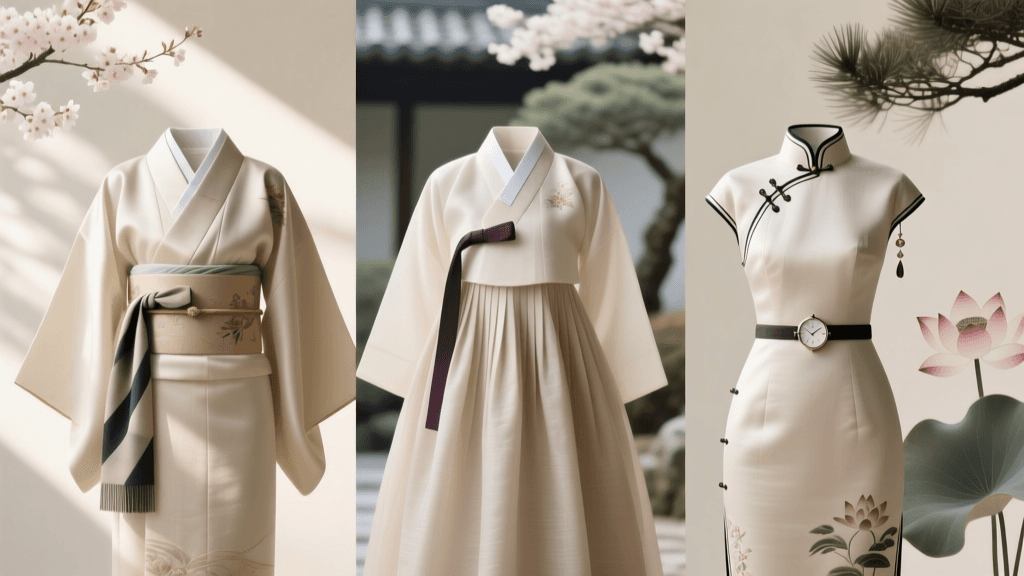
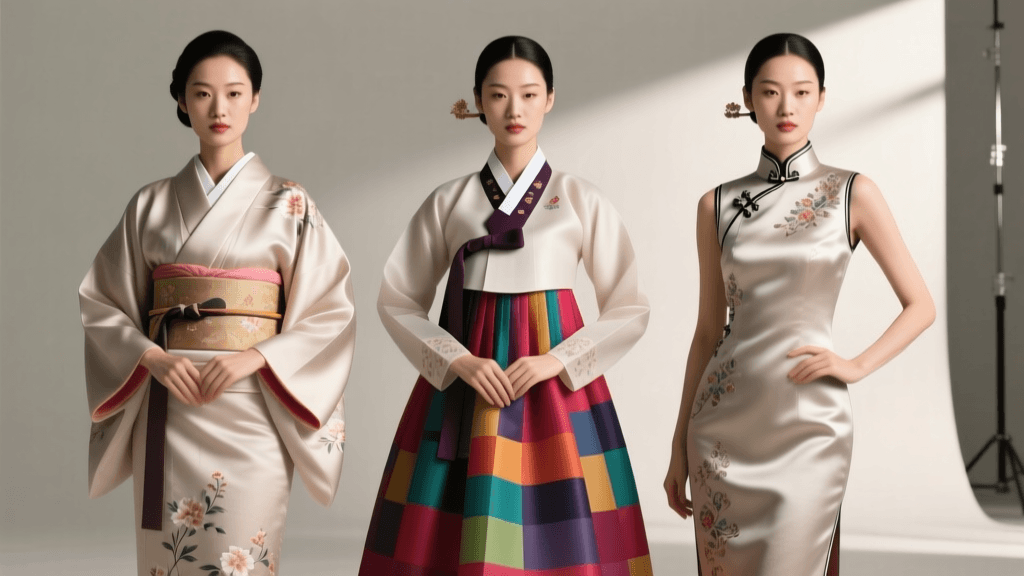
The Japanese kimono is renowned for its T-shaped, straight-seamed construction. Unlike Western tailoring, which cuts fabric to follow the curves of the body, the kimono is built from straight bolts of fabric, creating a cylindrical, column-like silhouette that wraps around the wearer. The focus of the kimono is not on the body's shape, but on the surface design, the quality of the silk, and the intricate layering of the garments.
Construction and 2026 Textile Innovations
Formal kimonos, such as the furisode (for unmarried women) or the kurotomesode (for married women), are traditionally crafted from heavy, hand-painted or yuzen-dyed silk. In 2026, sustainable and tech-enhanced silks have become highly popular. Many modern wearers opt for washable, wrinkle-resistant tech-silk blends that mimic the drape of heavy crepe silk but withstand the rigors of international travel and long gala evenings. The garment is secured with an obi (a wide, stiff sash), which is tied in elaborate knots at the back, such as the taiko musubi (drum knot).
Styling and Undergarments
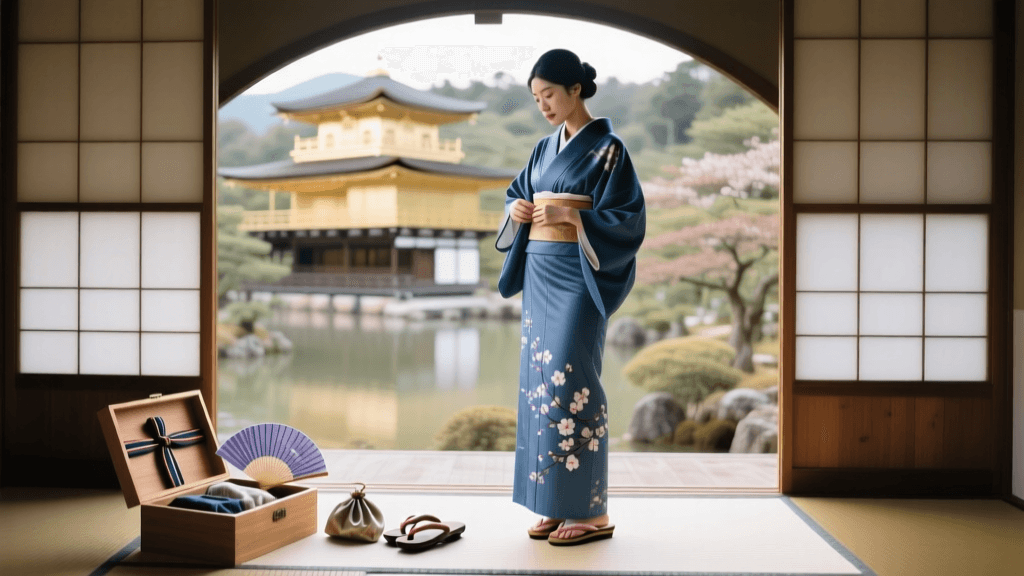
Wearing a kimono requires specific undergarments to protect the expensive outer silk and to create the proper tubular silhouette. A juban (under-kimono) and a susuyoke (half-slip) are mandatory. In 2026, modern kimono stylists frequently use specialized padding and towels to smooth out the waist and hips, ensuring the obi sits perfectly flush against the back. Footwear consists of zori sandals worn with split-toe tabi socks.
2. The Hanbok: Voluminous Silhouettes and Vibrant Hues
The Korean hanbok is characterized by its vibrant colors, simple lines, and dramatic, voluminous silhouette. It creates a striking visual contrast between a fitted upper body and a vastly expanded lower body. As noted by the Encyclopaedia Britannica's overview of the hanbok, the garment's design historically allowed for ease of movement while reflecting the wearer's social status and marital standing through specific color pairings.
Construction and Modern Adaptations
For women, the hanbok consists of a jeogori (a short, cropped jacket) and a chima (a high-waisted, full, bell-shaped skirt). For men, it comprises a jeogori and baji (roomy, tied trousers). In 2026, contemporary hanbok designers are pushing boundaries by utilizing lightweight organza, matte duchess satin, and even laser-cut lace for the chima, giving the traditional bell shape an ethereal, modern glow. The jeogori is fastened with a long, flowing ribbon called a goreum, which hangs elegantly down the front.
Styling and Accessories
The hanbok requires minimal structural undergarments compared to the kimono, but a sokchima (underskirt) or modern petticoat is essential in 2026 to support the massive volume of the outer skirt. Accessories play a vital role: a norigae (a decorative pendant with tassels) is often tied to the goreum or the skirt's waistband. Hair is traditionally styled in a braided daenggi or an elegant updo adorned with a binyeo (hairpin), though sleek, modern chignons are widely accepted for contemporary formal events.
3. The Cheongsam (Qipao): Tailored Precision and Modern Glamour
While the kimono hides the body's shape and the hanbok exaggerates volume, the Chinese cheongsam (or qipao) is all about tailored precision and celebrating the natural silhouette. Originating in the 1920s in Shanghai, the modern cheongsam is a form-fitting, one-piece dress featuring a high mandarin collar, asymmetrical side openings, and intricate pankou (frog knot) fastenings.
Construction and Bespoke Tailoring
The cheongsam relies heavily on Western-style darts and seams introduced in the mid-20th century to achieve its skin-tight fit. According to historical fashion archives documented by the Encyclopaedia Britannica, the qipao evolved from a loose, modest garment into a symbol of modern femininity. In 2026, bespoke tailoring remains the gold standard for the cheongsam. Master tailors in Shanghai, Hong Kong, and Singapore utilize stretch-silk brocades, velvet, and heavy crepe to ensure the dress moves with the wearer. The side slits are carefully calculated to allow for walking while maintaining modesty and structural integrity.
Styling and Etiquette
Because the cheongsam is so form-fitting, seamless undergarments are an absolute necessity. In 2026, many high-end cheongsams are lined with moisture-wicking, anti-static linings to prevent the dress from clinging awkwardly. Styling is typically minimalist; the dress itself is often heavily embroidered or made from loud, patterned brocade, so jewelry is kept delicate and refined. Pearl drop earrings, jade bangles, and structured clutch bags are the preferred accessories for formal galas.
Comparative Analysis: Kimono vs Hanbok vs Cheongsam
To help you decide which garment best suits your 2026 event, we have broken down the key structural, financial, and stylistic differences in the comparison table below.
| Feature | Kimono (Japan) | Hanbok (Korea) | Cheongsam / Qipao (China) |
|---|---|---|---|
| Silhouette | Cylindrical, straight, column-like | Fitted top, extremely voluminous bell-skirt | Form-fitting, tailored to body contours |
| Primary Fastening | Obi (wide sash) tied at the back | Goreum (long ribbon) tied at the front | Pankou (frog knots) and hidden side zippers |
| Undergarments | Heavy layering (juban, padding, slips) | Light (sokchima, petticoat for volume) | Minimal (seamless shapewear) |
| 2026 Average Bespoke Cost | $2,500 - $8,000+ USD | $800 - $2,500 USD | $600 - $2,000 USD |
| Rental Availability | High (especially in Japan) | Moderate to High (globally via Korean cultural centers) | Low (usually custom-made or bought off-the-rack) |
| Best Suited Event | Tea ceremonies, traditional weddings, high-formal galas | Cultural festivals, Chuseok, vibrant wedding receptions | Cocktail parties, red carpets, formal banquets |
Practical Guide: Measuring, Tailoring, and Buying in 2026
If you are investing in a custom garment for an upcoming event, understanding the measurement process is critical. Each garment requires a different approach to fitting.
Measuring for the Cheongsam
The cheongsam requires the most rigorous measurements. A tailor will need your exact bust, waist, and hip measurements, as well as the 'hollow-to-hem' length, shoulder width, and armhole depth. Because the dress has little to no ease, fluctuations in weight can ruin the fit. Pro Tip for 2026: Schedule your final fitting no more than two weeks before your event, and bring the exact heels and undergarments you plan to wear.
Sizing the Hanbok
The hanbok is much more forgiving. The primary measurements are the chest circumference, shoulder width, arm length (for the jeogori), and waist-to-floor length (for the chima). Because the skirt is gathered and tied with a ribbon, it can accommodate slight weight changes. When buying off-the-rack or renting, focus on ensuring the jeogori sits comfortably just above the bust line without pulling at the armpits.
Fitting the Kimono
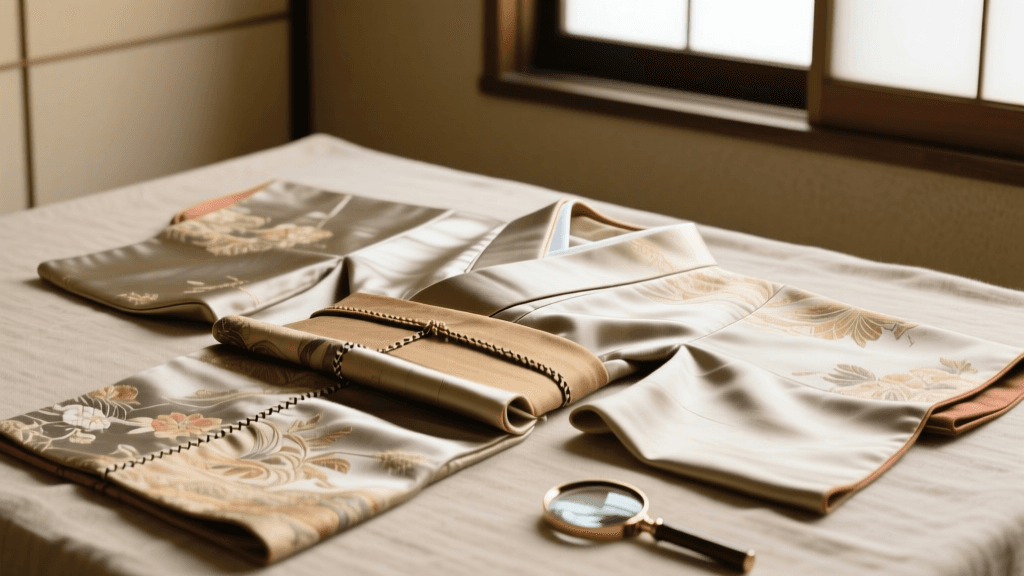
Kimonos are generally sold in standard lengths based on height, rather than width, as the width is adjusted during the wrapping process. The ideal length of a women's kimono is roughly equal to her height. If you are purchasing a vintage kimono (which is highly popular and sustainable in 2026), ensure the sleeve length (yuki) reaches your wrist bone when your arm is extended at a 45-degree angle. If the kimono is too long, a professional kitsuke (kimono dresser) can fold the excess fabric at the waist beneath the obi.
Care, Storage, and Maintenance
Proper care ensures these heirloom garments survive for generations. The storage requirements for each are vastly different due to their construction.
- Kimono: Never hang a silk kimono on a standard hanger, as the weight of the fabric will distort the straight seams. Kimonos must be carefully folded along their seam lines and wrapped in acid-free tatou paper, then stored flat in a cedar chest to prevent moisture buildup and moth damage.
- Hanbok: The chima can be hung on a padded hanger to preserve its pleats and volume, but the jeogori should be folded flat. Keep the garments in a breathable cotton garment bag away from direct sunlight, which can quickly fade the vibrant dyes used in modern organzas and silks.
- Cheongsam: Always hang your cheongsam on a wide, padded wooden hanger to support the shoulders and prevent the delicate silk from stretching. If the garment features heavy beading or embroidery, store it flat in a drawer to prevent the weight of the beads from tearing the silk over time.
"In 2026, the most profound way to honor traditional Asian garments is not just by wearing them, but by understanding the architectural brilliance of their construction. Whether you choose the structured poetry of the kimono, the joyful volume of the hanbok, or the sleek modernity of the cheongsam, you are participating in a living, evolving sartorial history."
By respecting the unique tailoring, cultural significance, and styling requirements of the kimono, hanbok, and cheongsam, you can confidently select the perfect garment for your next formal occasion. Embrace the rich textiles and masterful craftsmanship that define Asian traditional wear, and step into 2026 with unparalleled elegance.