Kimono vs Hanbok vs Cheongsam: 2026 Event Styling
The Renaissance of Asian Formal Wear in 2026
As we navigate the global fashion landscape in 2026, the appreciation for traditional Asian garments has evolved far beyond historical reenactment or mere costume. Today, the Japanese kimono, the Korean hanbok, and the Chinese cheongsam (also known as the qipao) are celebrated on international red carpets, at high-society weddings, and during diplomatic galas. For the modern wearer, choosing between these three iconic garments requires a nuanced understanding of their distinct silhouettes, structural engineering, and contemporary styling rules.
Whether you are attending a spring wedding in Kyoto, a formal evening banquet in Seoul, or a high-fashion gala in Shanghai, understanding the differences between the kimono, hanbok, and cheongsam is essential. This comprehensive guide breaks down the structural elements, 2026 fabric innovations, and practical styling etiquette for each garment, ensuring you make an informed and culturally respectful choice for your next formal event.
The Kimono: Linear Structure and Obi Artistry
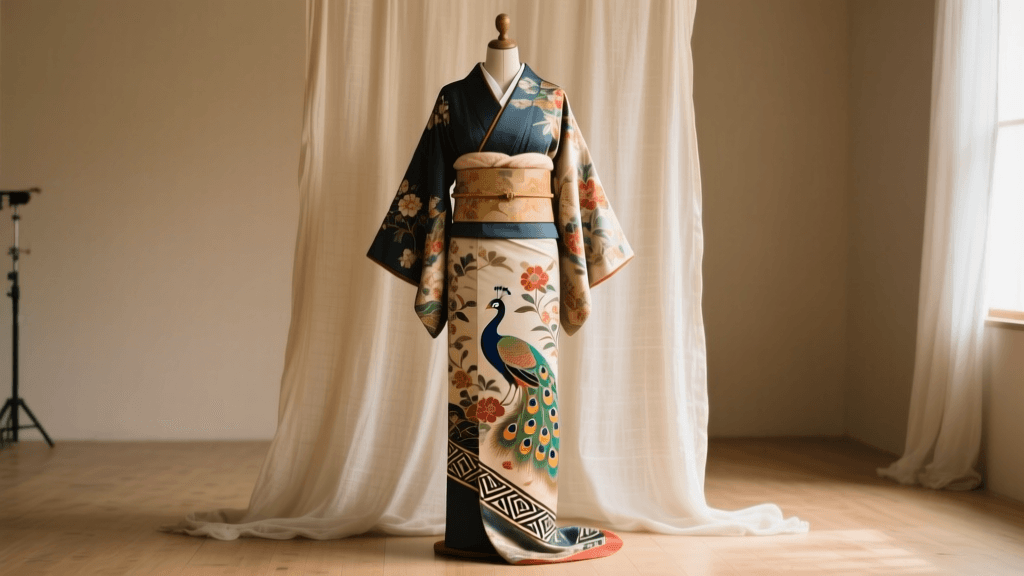
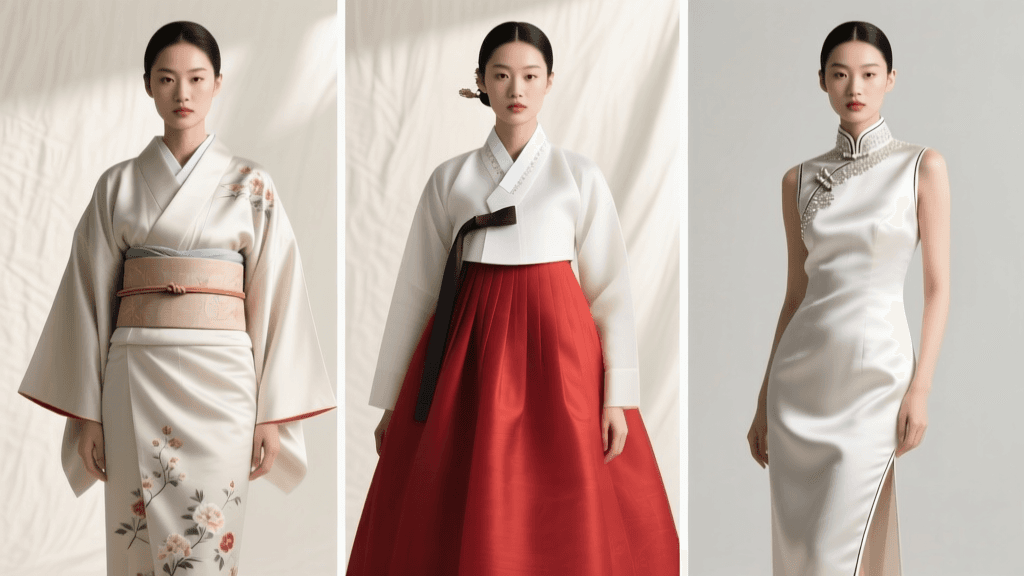
The Japanese kimono is defined by its T-shaped, straight-line construction. Unlike Western tailoring, which cuts fabric to follow the curves of the human body, the kimono is crafted from bolts of fabric cut into straight rectangular panels. This creates a linear, column-like silhouette that obscures the body's natural curves, emphasizing instead the drape of the fabric and the artistry of the surface design.
According to the Encyclopaedia Britannica, the kimono's straight-line-cut method allows the garment to be easily folded and stored, while its layered nature provides adaptability across seasons. The focal point of the kimono is the obi, a wide, intricately woven sash that cinches the waist and acts as a canvas for elaborate knot-tying techniques.
2026 Fabric and Styling Innovations
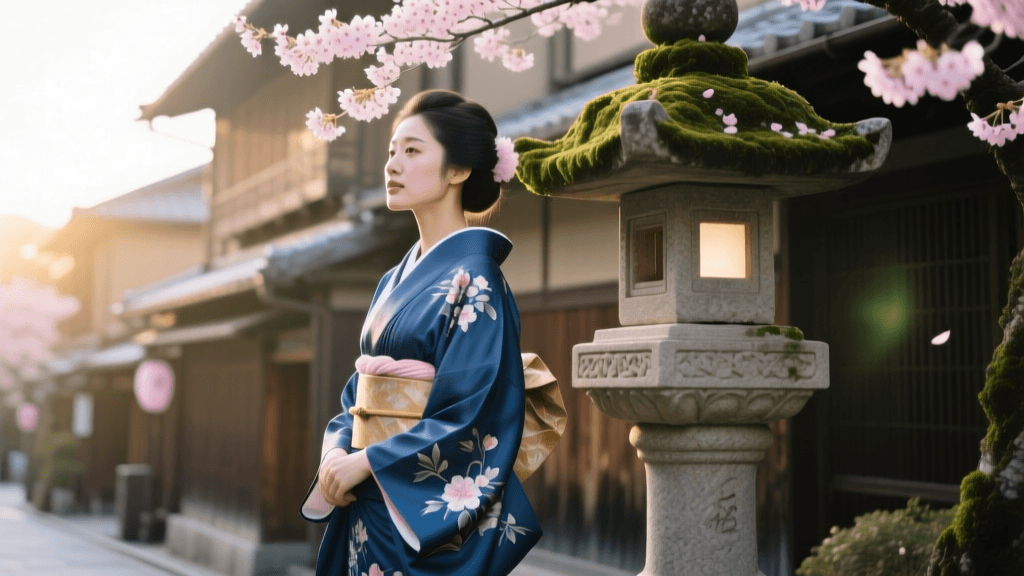
In 2026, the kimono rental and bespoke markets in Japan have embraced sustainable luxury. Weavers in Kyoto and Nishijin are increasingly utilizing lab-grown peace silk and upcycled vintage threads to create vibrant, eco-friendly brocades. For formal events, the furisode (featuring long, swinging sleeves) remains the standard for unmarried women, while the kurotomesode (a black kimono with patterns only below the waist) is the pinnacle of formality for married women.
- Formality Level: Highly structured; dictated by sleeve length, crest count, and pattern placement.
- 2026 Trend: 'Neo-Classic' obi knots that incorporate subtle, flexible wire armatures to create architectural, gravity-defying bows without the discomfort of traditional tight binding.
- Event Suitability: Weddings, tea ceremonies, traditional arts performances, and highly formal daytime galas.
The Hanbok: Voluminous Silhouettes and High Waists
The Korean hanbok is instantly recognizable by its vibrant colors, simple lines, and dramatic volumetric contrasts. The traditional women's hanbok consists of the jeogori (a cropped, tailored jacket) and the chima (a full, bell-shaped wrap skirt). The silhouette is designed to create a harmonious balance between the structured, fitted upper body and the expansive, flowing lower half.
As noted in Britannica's cultural archives, the hanbok's design historically reflected the wearer's social status and marital status through color and fabric choices. Today, the high waistline of the chima, which sits just below the bust, offers unparalleled comfort and a regal, sweeping movement that is highly sought after for modern formal wear.
The Rise of Modern Formal Hanbok in 2026
The 'Saenghwal Hanbok' (daily hanbok) movement of the early 2020s has matured by 2026 into a robust 'Modern Formal Hanbok' sector. Designers in Seoul are blending traditional structural elements with contemporary haute couture fabrics. It is now common to see formal hanbok crafted from metallic organza, laser-cut neoprene, and sustainable bamboo-silk blends. The traditional goreum (the long ribbon used to tie the jeogori) is often embellished with subtle LED-thread embroidery or 3D-printed jade pendants for evening galas.
- Formality Level: Dictated by fabric sheen, the presence of gold leaf stamping (geumbak), and the length of the jeogori.
- 2026 Trend: Asymmetrical chima hemlines and sheer, layered organza skirts that provide the traditional bell volume while reducing overall garment weight by 40%.
- Event Suitability: Evening banquets, cultural festivals, milestone birthday celebrations (like the 60th hwangap), and red-carpet events.
The Cheongsam (Qipao): Tailored Precision and Elegance
Originating in 1920s Shanghai, the cheongsam (qipao) represents a radical departure from the voluminous or linear cuts of the hanbok and kimono. It is a masterclass in tailored precision, designed to celebrate and contour the natural curves of the female form. Characterized by its high mandarin collar, form-fitting bodice, asymmetrical side slits, and intricate pankou (frog button) fastenings, the cheongsam is the epitome of sophisticated, cosmopolitan elegance.
As detailed in Britannica's fashion history, the cheongsam evolved from the loose, flowing robes of the Manchu people into the streamlined, modern silhouette recognized globally today. The garment requires exact, bespoke measurements to ensure the side slits fall perfectly and the collar sits flush against the neck without restricting movement.
2026 Couture and Sustainable Silk Blends
The 2026 cheongsam market is defined by 'Modular Couture' and advanced textile engineering. Because traditional heavy silk brocades can be restrictive in warm climates, modern designers are utilizing 3D-woven jacquard knits that offer the visual depth of embroidery with the four-way stretch of athletic wear. Furthermore, modular collars and detachable capelets allow a single bespoke cheongsam to transition seamlessly from a conservative daytime corporate event to an avant-garde evening gala.
- Formality Level: Dictated by fabric richness, the complexity of the pankou knots, and the length of the garment (floor-length for high formality).
- 2026 Trend: 'Invisible' stretch-brocades and sustainably dyed lotus-silk overlays that provide a pearlescent, color-shifting effect under gala lighting.
- Event Suitability: Cocktail parties, formal dinners, corporate galas, and modern wedding receptions.
Comparative Breakdown: Kimono vs Hanbok vs Cheongsam
To help you decide which garment best suits your 2026 event, refer to the comparative matrix below:
| Feature | Kimono (Japan) | Hanbok (Korea) | Cheongsam (China) |
|---|---|---|---|
| Silhouette | Linear, T-shaped, columnar | Bell-shaped, high-waisted, voluminous | Form-fitting, contoured, tailored |
| Fastening Method | Obi sash and ties (no buttons) | Goreum ribbon ties and side hooks | Pankou (frog) buttons, side zippers |
| Primary Formal Fabric | Nishijin-ori silk brocade | Silk gauze, metallic organza | Heavy silk crepe, 3D jacquard knit |
| Mobility & Comfort | Restricted stride; requires specific posture | High mobility in legs; upper body structured | High mobility; stretch fabrics enhance comfort |
| 2026 Styling Trend | Architectural wire-supported obi knots | Sheer layered organza chima | Modular collars and lotus-silk overlays |
| Avg. Formal Rental (2026) | ¥50,000 JPY (~$330 USD) | ₩150,000 KRW (~$110 USD) | Rarely rented; bespoke starts at ¥3,000 RMB |
Practical Styling and Etiquette for 2026 Events
Wearing traditional Asian garments requires more than just slipping them on; the foundation, accessories, and etiquette are just as important as the outer layer. Here is what you need to know to wear these garments correctly in 2026.
Undergarments and Foundations
The success of any traditional garment relies heavily on what is worn underneath. For the kimono, the juban (under-kimono) and hadajuban (undershirt) are mandatory to protect the expensive outer silk from skin oils and to provide the correct collar alignment. In 2026, moisture-wicking, bio-based synthetic juban are the standard for summer events.
For the hanbok, the chima requires volume. While traditional multiple petticoats (sokchima) were used historically, modern wearers utilize a single, structured petticoat made of lightweight crinoline to achieve the perfect bell shape without overheating. The cheongsam demands seamless, nude-toned shapewear. Because the silk clings to every contour, visible panty lines or textured undergarments will immediately disrupt the sleek aesthetic of the dress.
Footwear and Accessories
Footwear can make or break your formal look. When wearing a kimono, you must wear tabi (split-toe socks) with zori (formal sandals). In 2026, ergonomic zori with memory-foam footbeds and adjustable, sustainable vegan-leather straps are widely available, solving the historic issue of foot fatigue during long galas.
The hanbok is traditionally paired with kkotsin (silk shoes with upturned toes) or modern danghye. However, for contemporary evening events, it is entirely acceptable and fashionable to wear elegant, low-block heels, provided they are hidden beneath the sweeping hem of the chima. The cheongsam is almost exclusively paired with closed-toe pumps or elegant stilettos. Avoid ankle straps, as they visually cut the leg line, disrupting the elongating effect of the cheongsam's side slits.
Conclusion
Choosing between the kimono, hanbok, and cheongsam in 2026 is a deeply personal decision that balances cultural appreciation, aesthetic preference, and practical comfort. The kimono offers unparalleled structural artistry and a commanding, grounded presence. The hanbok provides romantic volume, vibrant color blocking, and exceptional ease of movement. The cheongsam delivers sleek, cosmopolitan sophistication and a celebration of tailored precision.
By understanding the unique architectural elements and modern 2026 innovations of each garment, you can confidently select the perfect traditional attire for your next formal event, honoring centuries of Asian textile heritage while stepping firmly into the future of global fashion.