Kimono vs Hanbok vs Cheongsam: 2026 Wearer's Guide
The Global Resurgence of Heritage Fashion in 2026
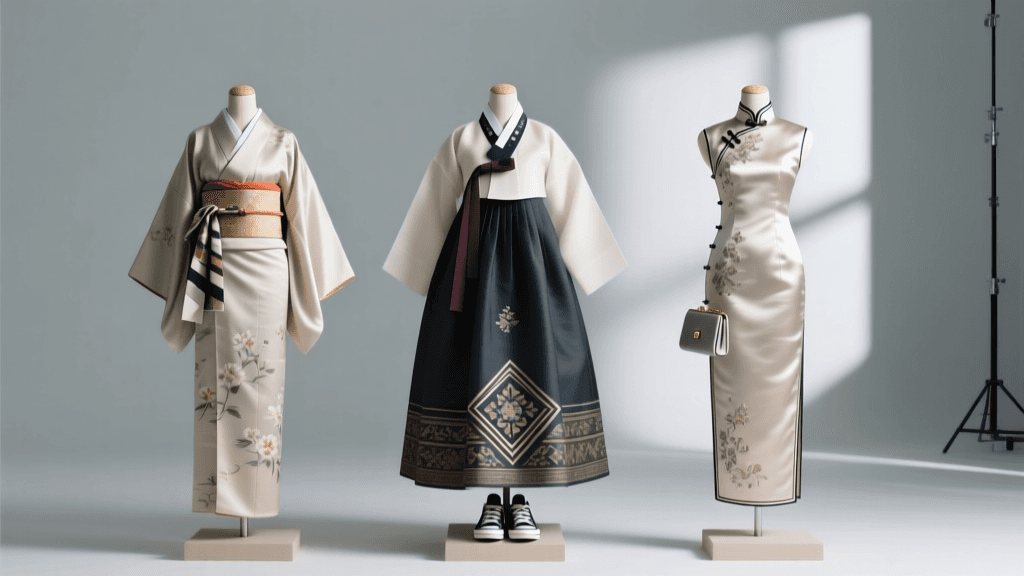
The landscape of global fashion in 2026 has witnessed a profound and permanent shift toward heritage garments. Moving beyond mere costume or occasional ceremonial wear, traditional Asian textiles have firmly established themselves in the modern, sustainable wardrobe. As consumers increasingly prioritize longevity, artisanal craftsmanship, and cultural appreciation over fast fashion, the kimono, hanbok, and cheongsam have emerged as the holy trinity of East Asian sartorial elegance. However, navigating the distinct silhouettes, fastening mechanisms, and modern adaptations of these three iconic garments can be daunting for the uninitiated. This comprehensive guide breaks down the structural differences, 2026 styling trends, and practical buying advice for the Japanese kimono, Korean hanbok, and Chinese cheongsam.
The Kimono: Structured Elegance and T-Shaped Mastery
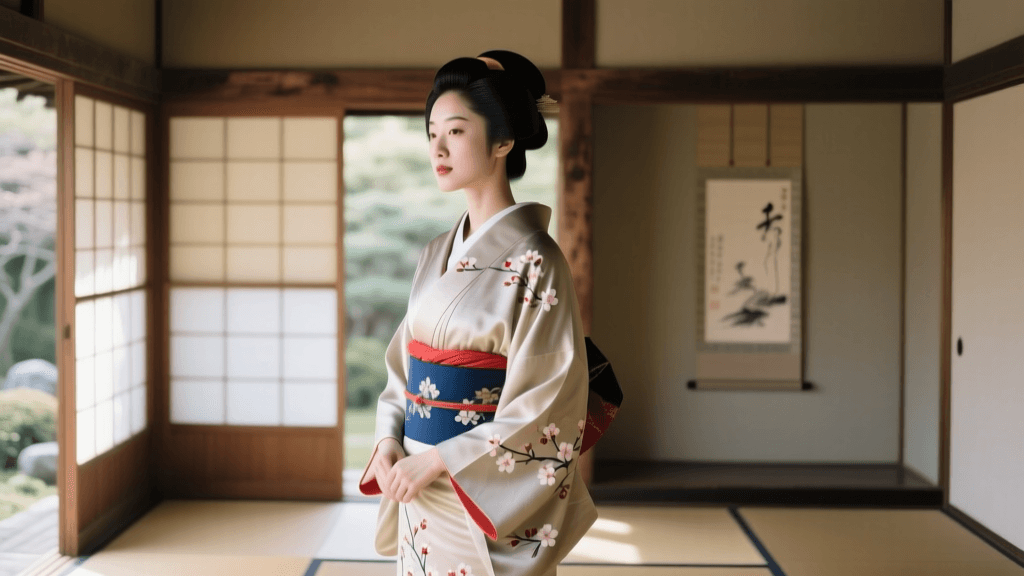
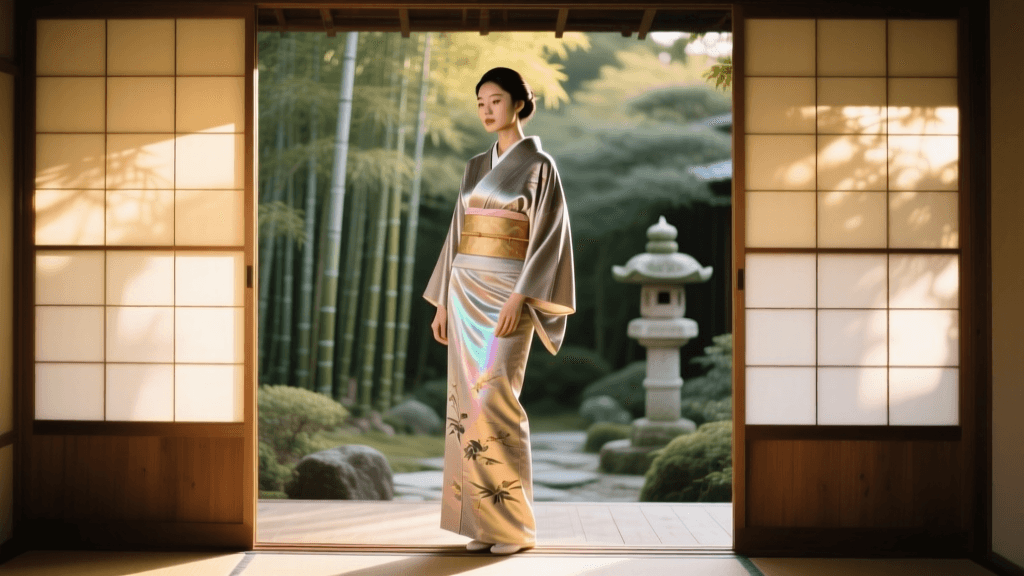
The Japanese kimono is fundamentally an exercise in geometric precision. Unlike Western tailoring, which cuts fabric to follow the curves of the human body, the kimono is constructed from straight, uncut bolts of fabric (tanmono), resulting in a T-shaped, linear silhouette. According to the Victoria and Albert Museum's comprehensive exploration of the Kimono, this garment historically served as a canvas for artistic expression, where the surface design, dyeing technique, and motif carried deep seasonal and social significance. Today, that philosophy remains intact, but the application has evolved.
2026 Trends and Modern Styling
In 2026, the most prominent trend in kimono styling is the 'remade' or upcycled vintage market. With a growing emphasis on circular fashion, younger generations and international collectors are purchasing mid-century silk kimono and having them professionally tailored into haori (jackets), wrap skirts, or even structured outerwear coats. For those wearing the traditional full-length kimono, the 2026 aesthetic favors subdued, nature-inspired Edo-period komon (fine patterns) over the highly formal, heavy brocades of the past. Furthermore, textile innovations have introduced washable silk-cupro blends that mimic the drape of traditional chirimen (silk crepe) but can be gently machine-washed, drastically lowering the barrier to entry for daily wear.
Fit and Fastening
The kimono does not rely on zippers or buttons. It is wrapped left over right (right over left is strictly reserved for dressing the deceased) and secured with an obi sash. The fit is generally universal in width; the customization comes from the length. When dressing (kitsuke), the excess length is folded and tied at the waist under the obi, creating the ohashori (waist fold). In 2026, pre-tied 'one-piece' obi and elasticized koshihimo (tying sashes) have become the industry standard for beginners, reducing the dressing time from forty minutes to under ten.
The Hanbok: Volumetric Grace and the Daily Wear Revolution
The Korean hanbok is defined by its striking contrast between a fitted upper garment and a voluminous lower half. For women, this consists of the jeogori (a cropped jacket with long, curved sleeves) and the chima (a high-waisted, full wrap skirt). For men, it is the jeogori paired with baji (roomy, tied trousers). The silhouette is designed to obscure the physical form, creating a sense of floating grace and dignified movement.
2026 Trends and Modern Styling
The 'Saenghwal Hanbok' (daily hanbok) movement has completely matured by 2026. While traditional ceremonial hanbok still utilizes stiff silk organza and heavy brocades, the daily hanbok market has embraced sustainable, breathable textiles. Organic ramie, Tencel-linen blends, and washed cotton are now the standard for everyday wear. Color palettes in 2026 have shifted away from the stark, highly saturated neons of the early 2010s toward muted, dusty interpretations of the traditional Obangsaek (the five cardinal colors of Korean cosmology). Think dusty celadon, muted terracotta, and soft ivory, which integrate seamlessly into a modern minimalist capsule wardrobe.
Fit and Fastening
The hanbok relies entirely on ties and ribbons. The jeogori is fastened by the goreum, a long, elegant ribbon tied at the chest. The chima is secured by a wide band that sits high on the chest, just under the armpits, tied at the side. Because the chima is essentially a massive rectangle of fabric gathered at the top, it is incredibly forgiving in terms of sizing, making it a highly accessible garment for diverse body types. The primary measurement required for a custom hanbok is the bust and under-bust circumference to ensure the skirt sits securely without slipping.
The Cheongsam: Tailored Precision and Modern Fluidity
The Chinese cheongsam, also widely known as the qipao, stands in stark contrast to the volumetric hanbok and the geometric kimono. Originating in the 1920s as a modernized, streamlined version of traditional Manchu dress, the cheongsam is celebrated for its form-fitting silhouette, high mandarin collar, and asymmetrical front flap secured by intricate pankou (knotted buttons). As detailed by the Metropolitan Museum of Art's Heilbrunn Timeline on Chinese Silk, the cheongsam's evolution is deeply intertwined with the history of Chinese silk weaving, utilizing the fabric's natural bias and drape to contour the body.
2026 Trends and Modern Styling
While the skin-tight, restrictive cheongsam of mid-century cinema remains a historical reference point, the 2026 cheongsam is all about fluid mobility and relaxed elegance. The 'boyfriend qipao' and A-line cheongsam cuts have dominated the market, offering a slightly looser fit through the waist and hips while maintaining the iconic collar and side slits. Stretch-silk crepe and eco-friendly bamboo-silk blends are highly sought after, providing the luxurious sheen of traditional mulberry silk but with the mechanical stretch required for sitting, working, and commuting. Additionally, modular pankou knots—some now utilizing hidden magnetic closures disguised as traditional knots—have modernized the garment for practical daily use.
Fit and Fastening
The cheongsam is the most technically demanding of the three garments to fit correctly. It requires precise measurements of the high bust, waist, high hip, and low hip. A poorly fitted cheongsam will pull at the pankou knots or restrict movement at the knees due to the side slits. In 2026, bespoke tailoring remains the gold standard, with master tailors in Shanghai and Hong Kong utilizing 3D body scanning combined with traditional hand-basting techniques to ensure the silk lies perfectly against the collarbone without gaping.
2026 Comparison Matrix: Fit, Fabric, and Investment
To help you decide which garment best suits your wardrobe, lifestyle, and budget, we have compiled a direct comparison of the three garments based on current 2026 market data and styling norms.
| Feature | Kimono (Japan) | Hanbok (Korea) | Cheongsam / Qipao (China) |
|---|---|---|---|
| Silhouette | Linear, T-shaped, columnar | Volumetric, high-waisted, A-line | Form-fitting, contoured, slit hem |
| Primary Fastening | Obi sash and ties | Chest ribbons (Goreum) | Pankou knotted buttons / Zippers |
| 2026 Trend Fabric | Washable silk-cupro, vintage yuzen | Organic ramie, Tencel-linen blends | Stretch-silk crepe, bamboo-silk |
| Custom/Bespoke Cost | $2,500 - $5,000+ | $800 - $1,500 (Ceremonial) | $1,200 - $3,000 (Master Tailor) |
| Ready-to-Wear Cost | $150 - $400 (Modern separates) | $120 - $250 (Daily Saenghwal) | $150 - $350 (Off-the-rack) |
| Dressing Difficulty | High (Requires learning kitsuke) | Low to Medium | Low (Zipper/modern closures) |
Sizing, Sourcing, and Styling for the Modern Wardrobe
When integrating these garments into a 2026 wardrobe, styling them with contemporary pieces is key to avoiding a 'costume' appearance. For the kimono, pair a vintage haori jacket with a simple white t-shirt, straight-leg denim, and leather boots. The contrast between the intricate silk weaving and rugged denim is a staple of modern streetwear. For the hanbok, a daily-wear chima skirt can be styled with a fitted, ribbed turtleneck in the winter, replacing the traditional jeogori for a more office-appropriate look. The cheongsam, particularly the relaxed A-line cuts, pairs beautifully with oversized blazers and minimalist sneakers for a high-low fashion statement.
When sourcing garments online, always verify the exact flat-lay measurements rather than relying on standard S/M/L sizing, which varies wildly between heritage brands and modern fast-fashion adaptations. For kimono, look for the 'yuki' (center back to wrist) measurement to ensure the sleeves hit your wrist bone correctly. For the cheongsam, ensure the retailer provides the 'hollow to hem' measurement so the side slits do not sit awkwardly above or below your knee.
Garment Care and Preservation in 2026
Advancements in textile care have made maintaining these delicate garments easier than ever. Traditional dry cleaning uses harsh chemicals like perchloroethylene, which can degrade natural silk fibers and strip metallic threads over time. In 2026, eco-friendly wet cleaning and liquid silicone dry cleaning are the recommended standards for heritage garments. These methods clean the fibers without causing the shrinkage or stiffening associated with older chemical processes.
For storage, never hang a heavy silk kimono or a fully embroidered hanbok on standard hangers, as the weight of the fabric will distort the shoulders and warp the weave. Kimono should be folded along their original seams and stored in acid-free, breathable cotton tatou-shi (wrapping paper) inside a paulownia wood box, which naturally regulates humidity. Hanbok and cheongsam can be padded with acid-free tissue paper to maintain their shape if hanging is necessary, but flat storage in a climate-controlled cedar chest remains the ultimate preservation method for museum-quality pieces.
Conclusion
Whether you are drawn to the architectural mastery of the Japanese kimono, the sweeping, romantic volume of the Korean hanbok, or the tailored, sensual precision of the Chinese cheongsam, 2026 offers more accessible and sustainable ways to wear these garments than ever before. By understanding the distinct construction, modern fabric innovations, and proper care techniques, you can confidently invest in Asian heritage fashion, ensuring these magnificent traditions continue to thrive in the global wardrobe.