Kimono vs Hanbok vs Cheongsam: 2026 Fit & Style Guide
The Renaissance of Traditional Asian Garments in 2026
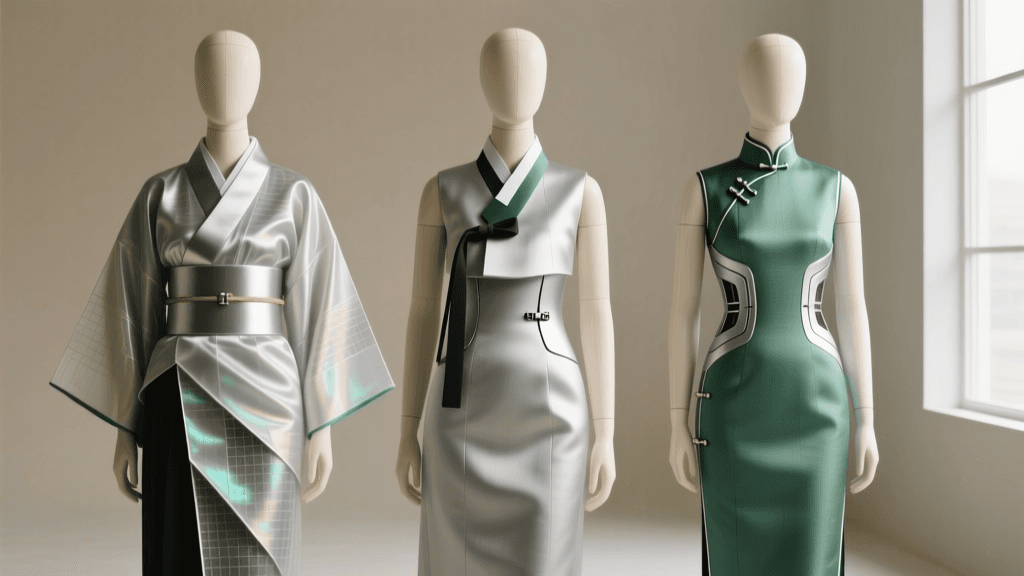
In 2026, the global fashion landscape has fully embraced the structural brilliance and cultural depth of traditional Asian garments. No longer confined to ceremonial occasions or historical reenactments, the Japanese kimono, Korean hanbok, and Chinese cheongsam (qipao) are being integrated into contemporary wardrobes with unprecedented sophistication. However, for the modern wearer, navigating the distinct construction methods, sizing paradigms, and styling rules of these three iconic garments can be daunting.
Unlike Western tailoring, which relies heavily on darts and seams to map the body's three-dimensional curves, traditional Asian dress often employs linear cutting, volumetric draping, or highly specialized bespoke sculpting. According to the Victoria and Albert Museum's comprehensive guide to the Kimono, the evolution of these garments reflects a continuous dialogue between historical preservation and modern innovation. This guide breaks down the structural differences, 2026 fabric trends, and practical fitting advice for the kimono, hanbok, and cheongsam.
Kimono: The Art of Linear Elegance and Kitsuke
Construction and 2026 Fabric Innovations
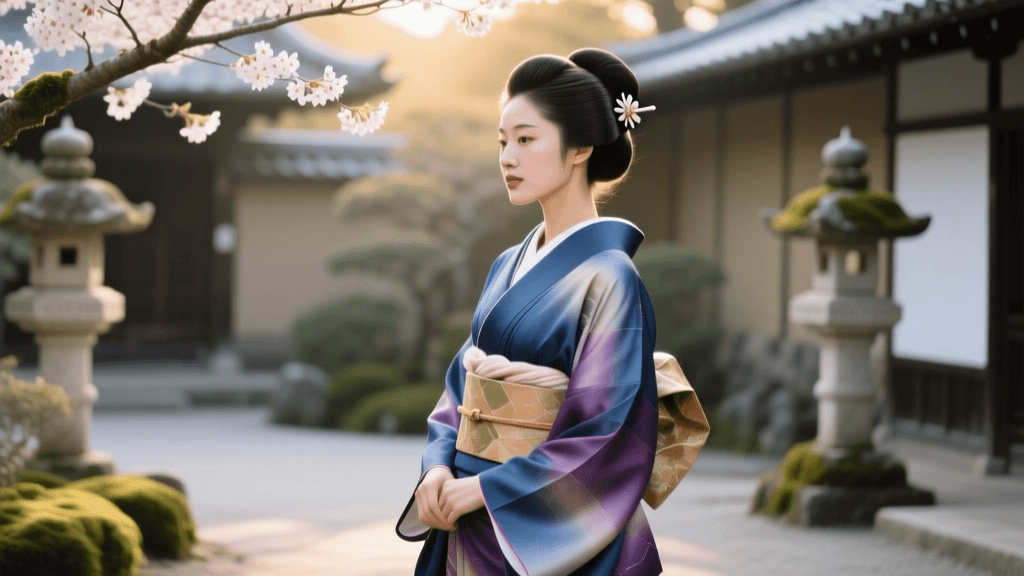
The Japanese kimono is fundamentally a two-dimensional garment. It is constructed from a single bolt of fabric known as a tanmono, which traditionally measures about 36 centimeters in width and 11 meters in length. Because the fabric is cut in straight lines and folded rather than tailored to the body's curves, the kimono's fit is dictated by the wearer's height and shoulder width, while the waist and hips are accommodated through folding and wrapping.
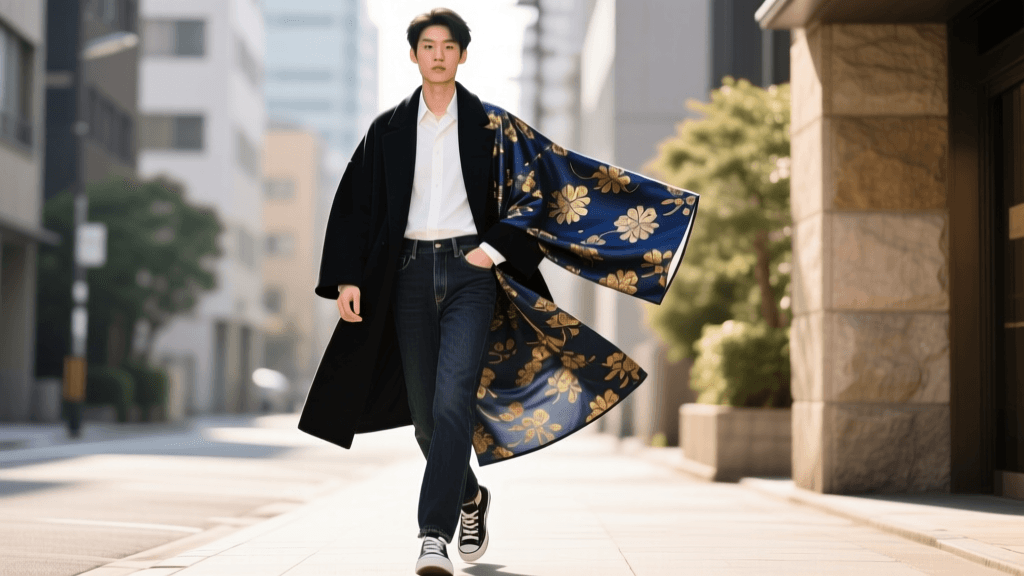
In 2026, the kimono market has seen a massive surge in sustainable and high-tech textiles. While vintage silk remains highly prized, modern weavers are utilizing washable silk blends and digital-printed crepes that mimic the texture of traditional chirimen without the fragility. Furthermore, upcycled kimono styling—pairing vintage haori jackets with modern denim or wide-leg trousers—has become a staple in Tokyo and global streetwear.
Sizing and The Art of Kitsuke
Because the kimono lacks Western sizing (small, medium, large), finding the right fit requires understanding your yuki (the measurement from the center back of the neck, over the shoulder, to the wrist). In 2026, custom kitsuke (the art of dressing) services utilize 3D body scanning to determine the exact folding ratios required for your specific torso length, ensuring the hem falls perfectly at the ankle without excessive bunching at the hips.
Hanbok: Volumetric Grace and the Saenghwal Movement
The Modern Saenghwal (Daily) Hanbok
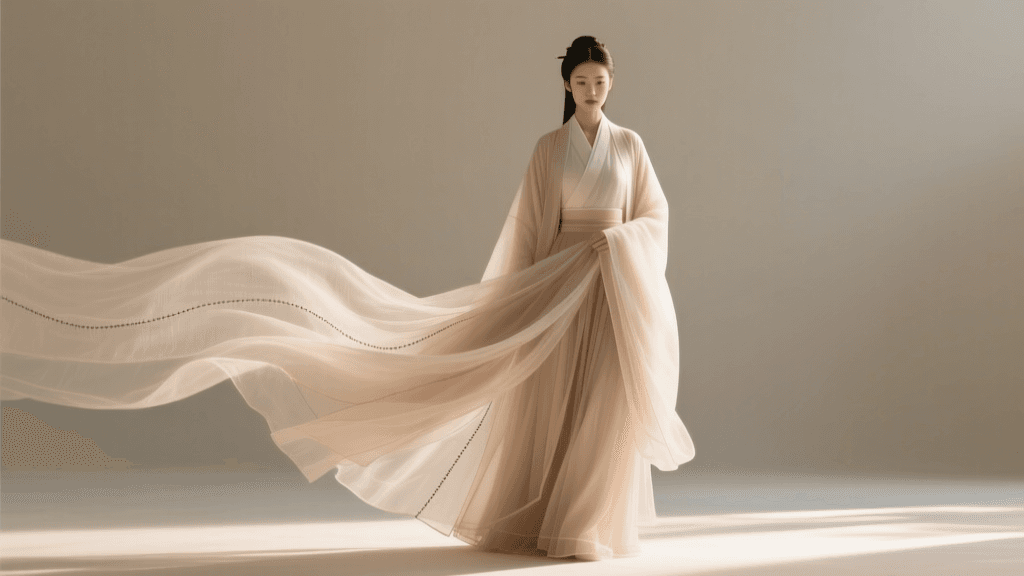
The Korean hanbok is defined by its striking contrast between a fitted upper body and a voluminous lower half. The traditional women's hanbok consists of the jeogori (a short jacket) and the chima (a high-waisted, full wrap skirt). The silhouette is designed to obscure the body's natural lines, creating a flowing, bell-like shape that moves beautifully with the wearer.
The 2026 fashion scene is dominated by the Saenghwal Hanbok (daily hanbok) movement. Designers are shortening the chima to midi or knee-lengths and utilizing breathable, eco-friendly textiles like processed ramie, organic cotton, and lightweight linen blends. The National Folk Museum of Korea notes that contemporary adaptations maintain the essential curved sleeve (baerae) and the V-shaped neckline of the jeogori, but often replace traditional silk ties with subtle, modern magnetic closures or minimalist ribbons for everyday practicality.
Proportions and Tailoring
Unlike the kimono, the hanbok requires precise upper-body measurements. The jeogori must sit snugly across the shoulders and chest without pulling, while the goreum (the front tie) must be tied at the exact correct tension to maintain the jacket's structural integrity. In 2026, bespoke hanbok tailors offer adjustable inner bodices for the chima, allowing wearers to customize the skirt's volume and waist placement for maximum comfort during long events.
Cheongsam (Qipao): Sculptural Silhouettes and Bespoke Fit
The 2026 Tailoring Renaissance
Of the three garments, the Chinese cheongsam (or qipao) is the most closely aligned with Western three-dimensional tailoring. Originating in the 1920s and evolving through the mid-century, the modern cheongsam is renowned for its form-fitting silhouette, high Mandarin collar, and asymmetrical frog-button fastenings. It relies heavily on darts at the bust, waist, and hips to sculpt the fabric to the wearer's exact proportions.
In 2026, the cheongsam has experienced a tailoring renaissance driven by advancements in stretch textiles. Traditional rigid silk brocades have been supplemented by stretch-silk blends and sustainable Tencel mixes, allowing for a skin-tight fit that does not restrict movement. According to the Metropolitan Museum of Art's Asian Art Department, the integration of contemporary textile engineering with historical motifs has allowed the qipao to transition seamlessly from formal evening wear to high-end corporate and cocktail attire.
Frog Fastenings and Structural Elements
The structural integrity of a cheongsam relies on its internal canvas and the precise placement of pankou (frog fastenings). In 2026, laser-cutting technology allows artisans to create incredibly intricate, durable frog buttons from vegan leather and metallic threads, reducing the weight on the garment's front placket. A well-fitted cheongsam should allow the wearer to sit and breathe comfortably; the collar should rest flush against the neck without choking, and the side slits should open gracefully when walking without exposing the upper thigh.
Comprehensive Comparison Chart
To help you decide which garment aligns with your wardrobe needs, body type, and lifestyle, refer to the 2026 comparison matrix below:
| Feature | Kimono (Japan) | Hanbok (Korea) | Cheongsam / Qipao (China) |
|---|---|---|---|
| Silhouette | Linear, cylindrical, T-shaped | Volumetric, bell-shaped, high-waisted | Sculptural, form-fitting, columnar |
| Primary Fastening | Obi (wide sash) and ties | Goreum (front ribbon/tie) or hidden hooks | Pankou (frog buttons) and hidden side zipper |
| Undergarment Base | Juban (under-kimono), hadajuban, koshihimo | Sokchima (underskirt), sokjeogori | Seamless shapewear, slip dress |
| Avg. Bespoke Cost (2026 USD) | $1,200 - $4,500+ | $400 - $1,500 | $600 - $2,500 |
| Best Climate Suitability | Layered for cold; Ro (gauze) for summer | Excellent airflow; ideal for humid summers | Best in temperate climates; stretch fabrics for heat |
Sizing, Tailoring, and the Measurement Process
Ordering a traditional Asian garment in 2026 requires a different approach to measuring than buying a Western suit or dress. Here is what to expect when visiting a master tailor:
- For the Kimono: Tailors will primarily measure your height, shoulder span, and arm length (yuki). Because the garment is wrapped, weight fluctuations are easily accommodated by adjusting the depth of the side folds and the tension of the koshihimo (tying cords).
- For the Hanbok: The critical measurements are the cross-shoulder, bust, and the exact circumference of the ribcage where the chima will sit. The tailor will also measure the length of your torso to ensure the jeogori ends at the most flattering point above the skirt's waistband.
- For the Cheongsam: Prepare for a rigorous 12-to-15 point measurement session. Tailors will measure the bust, waist, and hips, but also the cross-front, cross-back, armhole depth, neck base circumference, and the exact distance from the collarbone to the bust apex. This ensures the darts sit perfectly and the Mandarin collar does not gap.
Sourcing, Pricing, and Care in 2026
Cost Breakdown and Sourcing
The cost of these garments varies wildly based on the artisan's pedigree and the textile's origin. A mass-produced, machine-embroidered cheongsam from an online retailer might cost $150, but a bespoke piece hand-stitched by a master tailor in Shanghai or Hong Kong will easily exceed $1,500. Similarly, while you can purchase a beautiful vintage kimono in Tokyo's Ojiro district for under $100, a newly woven, hand-painted yuzen silk kimono commissioned from a Kyoto artisan is a luxury investment starting at $3,000.
Maintenance and Storage
Proper care is essential for preserving these investment pieces.
- Kimono: Must be unpicked and washed by specialized cleaners (maruarai), or spot-cleaned. Store folded in acid-free tatou paper inside a paulownia wood chest to regulate humidity and prevent silk rot.
- Hanbok: Modern ramie and cotton daily hanboks can often be gently hand-washed, but traditional silk chima require professional dry cleaning. Hang the skirt on a padded, wide hanger to maintain the pleats, and store the jeogori flat to prevent shoulder dimpling.
- Cheongsam: Never hang a heavy silk brocade cheongsam for long periods, as the weight of the fabric will distort the shoulders and stretch the bias cut. Store it flat or rolled in a breathable cotton garment bag with cedar blocks to deter moths.
Conclusion
Whether you are drawn to the architectural wrapping of the kimono, the ethereal volume of the hanbok, or the sculptural precision of the cheongsam, 2026 offers more accessible and innovative ways than ever to wear these masterpieces of Asian heritage. By understanding the unique construction, fit requirements, and care protocols of each garment, you can confidently integrate these timeless silhouettes into your modern wardrobe, honoring centuries of sartorial tradition while stepping firmly into the future of global fashion.