Kimono for Family Ceremonies 2026: Birth, Age & Memorials
The Enduring Role of Kimono in 2026 Family Milestones
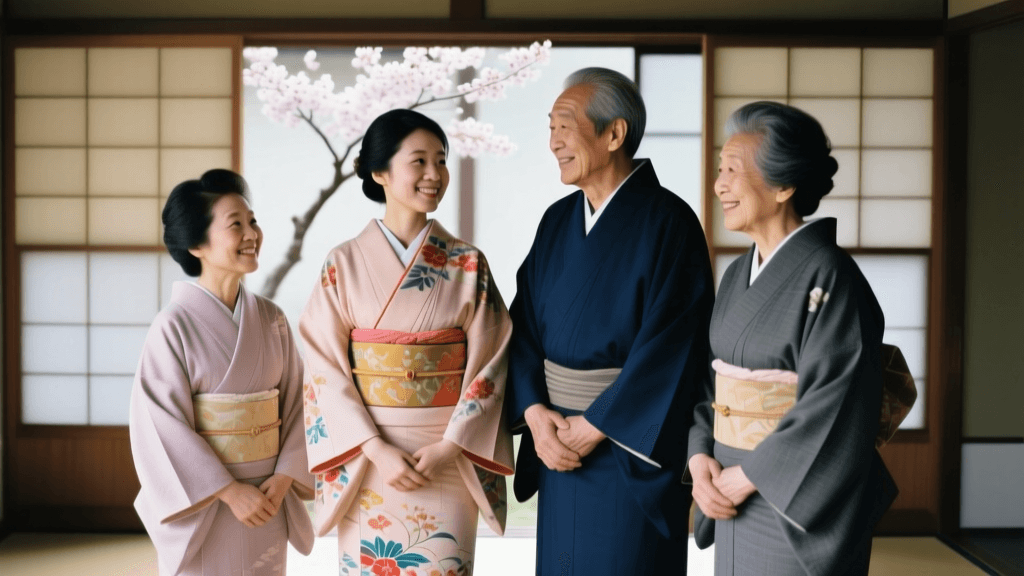
In 2026, the kimono remains far more than a historical artifact; it is a living, breathing garment that anchors Japanese family ceremonies in tradition, respect, and aesthetic beauty. While everyday Western clothing dominates daily life, major life milestones—birth, coming-of-age, and memorials—still call for the elegant drape of silk, the precise fold of the obi, and the symbolic weight of family crests (kamon). Navigating the rules of kitsuke (kimono dressing) can seem daunting, but modern rental services, upcycled vintage markets, and streamlined styling guides have made participating in these traditions more accessible than ever.
Whether you are preparing for a newborn's first shrine visit, celebrating a young adult's entry into society, or paying respects during a memorial service, understanding the specific garment requirements is essential. According to the Japan National Tourism Organization, the preservation of these sartorial customs is a cornerstone of Japanese cultural identity, blending deep-rooted Shinto and Buddhist practices with contemporary family life.
Omiyamairi: The First Shrine Visit (Birth Ceremony)
The Omiyamairi is a Shinto tradition held when a newborn is about one month old (traditionally the 32nd day for boys and the 33rd for girls). The family visits the local shrine to thank the deities for the safe birth of the child and to pray for their future health and prosperity. In 2026, while some families opt for modern christening-style gowns, the traditional kimono ensemble remains highly sought after for its photogenic and cultural significance.
Garment Selection for Infants and Grandmothers
The infant is traditionally dressed in a white cotton or silk undergarment called an ubugi. Over this, a vibrant, beautifully patterned kimono known as a sode-ire or miyamairi kimono is draped. Historically, this garment was adorned with auspicious motifs like cranes, turtles, or samurai helmets (for boys) and floral patterns (for girls). Today, the baby is usually held by the paternal grandmother, who wears a formal homongi (visiting kimono) or an iro-muji (single-colored kimono) with one to three family crests.
- For the Baby: The miyamairi kimono is rarely purchased new in 2026 due to its single-use nature. Rental packages typically include the garment, a special silk cord (himo), and a matching bonnet, averaging ¥10,000 to ¥25,000.
- For the Grandmother: A homongi with a subtle, elegant pattern is ideal. Spring ceremonies call for cherry blossom or wisteria motifs, while autumn visits feature maple leaves or chrysanthemums.
- Footwear: White tabi socks and formal zori sandals with gold or silver brocade straps are mandatory for the adult women attending.
Seijin-shiki: Celebrating the New Adult
Held annually in January, Seijin-shiki (Coming-of-Age Day) celebrates young adults who have reached the age of maturity. Following the civil code updates of the early 2020s that lowered the legal age of adulthood to 18, many municipalities in 2026 still hold the primary ceremonies and traditional dress events for 20-year-olds to align with university schedules and traditional drinking age laws. This day is arguably the most vibrant display of formal kimono in modern Japan.
The Furisode and Hakama Renaissance
Young women celebrate by wearing a furisode, a highly formal kimono characterized by its long, swinging sleeves that can measure up to 114 centimeters in length. The long sleeves symbolize youth and unmarried status, historically used to wave away evil spirits and attract good fortune. In 2026, there is a massive surge in demand for vintage furisode from the Showa era, prized for their bold, hand-painted yuzen dyeing techniques and unique color palettes that stand out against mass-produced modern polyester blends.
Young men traditionally wear a dark, formal montsuki hakama ensemble. This consists of a black silk kimono adorned with five white family crests, paired with a stiff, pleated hakama (divided skirt) in dark grey or navy, and a haori (jacket) secured by a braided haori himo cord.
As noted by experts in traditional Japanese garments, the furisode requires the most complex obi knots, such as the fukura-suzume (puffed sparrow) or elaborate floral arrangements, which usually necessitate the help of a professional dresser.
Memorials and Obon: Dressing with Reverence
Memorial services (hōji) and the summer Obon festival are times for honoring deceased ancestors. The sartorial rules for these events are strict, prioritizing modesty, subtlety, and respect over flashy aesthetics. The goal is to blend in harmoniously with the solemnity of the occasion while showing proper respect to the departed and the hosting family.
Iromuji and Edo Komon Etiquette
For women, the iromuji is the standard choice for memorial services. This is a solid-colored kimono, dyed in muted, subdued tones such as slate grey, deep navy, plum, or muted sage green. Bright reds, vibrant oranges, and stark whites are strictly avoided. The formality of the iromuji is elevated by the inclusion of kamon (family crests); one crest is appropriate for standard memorials, while three or five are reserved for the most immediate family members during the primary funeral rites.
Another excellent option is the Edo Komon, a kimono featuring incredibly fine, micro-geometric patterns that appear solid from a distance but reveal intricate dot-work upon close inspection. When paired with a nagoya obi in a dark, matte fabric with a subtle silver or dull gold motif, the ensemble strikes the perfect balance of grief and elegance.
Men attending memorials will typically wear a dark, unpatterned kimono with a black or charcoal hakama, ensuring their tabi are pristine white and their demeanor remains understated.
2026 Kimono Ceremony Cost and Sourcing Table
Understanding the financial commitment of traditional garments is crucial for families planning ahead. The 2026 market offers a distinct divide between full-service rental salons, which provide dressing and hair styling, and the booming vintage upcycling market.
| Ceremony | Recommended Garment | 2026 Avg. Rental Cost (Full Service) | 2026 Avg. Purchase Cost (Vintage/Upcycled) |
|---|---|---|---|
| Omiyamairi (Birth) | Miyamairi Kimono & Homongi | ¥25,000 - ¥45,000 | ¥15,000 - ¥30,000 |
| Seijin-shiki (Age) | Furisode / Montsuki Hakama | ¥80,000 - ¥150,000 | ¥40,000 - ¥90,000 |
| Memorials (Hōji) | Iromuji / Edo Komon | ¥15,000 - ¥30,000 | ¥20,000 - ¥50,000 |
Note: Rental costs in 2026 generally include professional dressing (kitsuke), hair styling, and accessory loans. Vintage purchase costs reflect the garment only; buyers must source their own obi, obijime (cords), and zori.
Navigating Seasonal Rules and Kitsuke
One of the most complex aspects of kimono culture is adhering to the strict seasonal calendar. Wearing the wrong weight or weave of fabric in a given month is considered a major faux pas in traditional circles.
The Seasonal Fabric Calendar
- Awase (Lined Kimono): Worn from October 1st through May 31st. These garments feature a silk lining for warmth and structure.
- Hitoe (Unlined Kimono): Worn exclusively in June and September. The transition months require a single layer of silk to balance the shifting humidity and temperature.
- Ro and Ko (Sheer Summer Kimono): Worn in July and August. These are made from loosely woven, breathable silk gauze or linen, often worn with a sheer sha obi to combat the intense Japanese summer heat.
For summer memorials during Obon in August, women must wear a dark-colored ro or ko kimono. Finding vintage summer kimono in dark, mourning-appropriate colors can be challenging, leading many in 2026 to commission custom-dyed summer fabrics from traditional weaving cooperatives in regions like Nishijin or Kiryu.
The 2026 Sustainability Movement
The environmental impact of fast fashion has pushed many young Japanese families toward sustainable kimono practices. In 2026, remake culture is thriving. Heirloom kimono that are stained or damaged are being expertly tailored into modern haori jackets, children's miyamairi garments, or elegant jinbei for casual summer festivals. By recycling silk within the family, households maintain their connection to ancestral ceremonies while embracing eco-conscious values. Whether renting a pristine furisode for a coming-of-age celebration or wrapping a newborn in a repurposed family silk, the kimono continues to elegantly map the journey of life.