Kimono Sensory Experience: Fabric Rustle and Textures 2026
The Multi-Sensory World of the Japanese Kimono
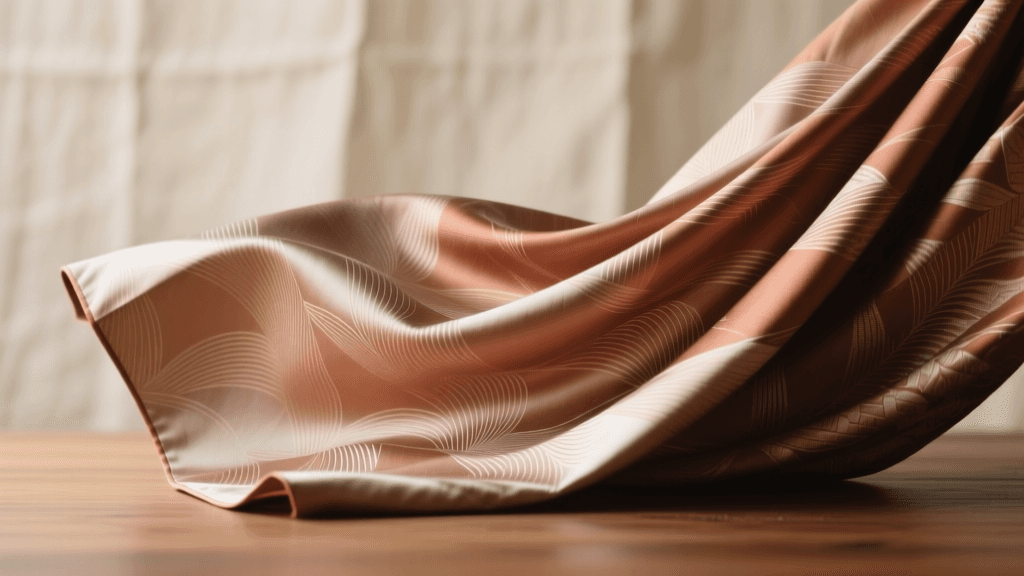
When we think of the traditional Japanese kimono, our minds immediately drift to the breathtaking visual aesthetics: the vibrant yuzen dyeing, the intricate Nishijin-ori brocades, and the elegant drape of the silhouette. However, to truly understand the kimono in 2026, one must look beyond the visual and embrace the multi-sensory experience of the garment. The traditional kimono is an auditory and tactile masterpiece. The way the fabric feels against the skin, the way it breathes in the summer humidity, and most importantly, the distinct sound it makes when the wearer moves, are all deliberate results of centuries of textile engineering. As the global slow fashion movement continues to gain momentum in 2026, textile enthusiasts and cultural preservationists are increasingly focusing on the 'kinu-sure' (silk rustle) and the diverse tactile landscapes of Japanese weaving. This guide explores the profound sensory experience of kimono fabrics, detailing how sound and touch elevate this traditional garment into a living, breathing work of art.
The Auditory Signature: Understanding Kinu-Sure
In Japanese, the rustling sound of silk rubbing against silk is known as kinu-sure or kinu-ore. This is not merely a byproduct of wearing the garment; it is a highly prized acoustic signature that has been cultivated by weavers for centuries. The sound is generated by the friction of tightly twisted silk threads interacting with one another as the wearer walks. During the Edo period (1603–1867), strict sumptuary laws dictated what different social classes could wear on the outside of their garments. Wealthy merchants, who were forbidden from wearing ostentatious silks publicly, would line their modest, dark outer garments with the finest, most acoustically active silks. The loud, crisp kinu-sure rustle became a covert flex of wealth and status, announcing the wearer's presence and prosperity before they even entered a room. According to historical textile archives documented by The Metropolitan Museum of Art, the evolution of silk weaving and surface design in Japan was heavily influenced by these social dynamics, turning the acoustic properties of the fabric into a vital component of its cultural value.
In 2026, acoustic textile researchers are studying this rustle to understand the physics of natural fiber friction. The pitch and volume of the rustle change depending on the weave, the tension of the threads, and the humidity in the air. A high-quality silk kimono produces a crisp, high-frequency whisper that is entirely unique to natural protein fibers, a sound that modern synthetic blends have continually failed to replicate authentically.
Tactile Landscapes: From Smooth Habutae to Bumpy Chirimen
The tactile experience of a kimono is just as varied as its visual patterns. Japanese weavers have developed dozens of distinct weave structures, each offering a completely different sensation against the skin. The two most prominent contrasting textures in the kimono world are Habutae and Chirimen.
Habutae: The Liquid Silk Experience
Habutae is a plain-weave silk fabric that represents the pinnacle of smoothness. Woven with degummed silk threads that have not been heavily twisted, Habutae feels cool, liquid, and incredibly soft against the skin. It lacks the loud acoustic rustle of crepe silks, offering instead a soft, muted glide. Habutae is frequently used for the juban (under-kimono) and the lining of heavier outer garments, providing a frictionless, luxurious barrier between the skin and the more structured outer layers.
Tango Chirimen: The Textured Crepe
In stark contrast is Chirimen, a crepe silk that offers a distinctly bumpy, massaging texture. The secret to Tango Chirimen’s unique sensory profile lies in the extreme twisting of the weft threads. Artisans twist the raw silk up to 3,000 to 4,000 times per meter. When the fabric is woven and later washed in hot water, the degumming process causes these highly tensioned threads to shrink and buckle, creating the signature microscopic pebble-like bumps known as shibo. This textured surface is what generates the high-friction acoustic rustle. Tactilely, Chirimen feels resilient, slightly springy, and deeply satisfying to the touch. The bumps also prevent the fabric from clinging to the skin, making it remarkably comfortable despite its dense weave.
Tsumugi and the Beauty of Imperfection
While silk is celebrated for its shine and rustle, Tsumugi (pongee) offers a completely different sensory paradigm rooted in the Zen philosophy of wabi-sabi. Woven from silk noil (the short fibers left over after spinning) or raw silk, Tsumugi has a matte finish and a slubbed, uneven texture. It lacks the loud kinu-sure of Chirimen; instead, it produces a soft, earthy whisper when the wearer moves. Tactilely, Tsumugi feels more like a high-end linen or raw cotton. It is lightweight, breathable, and possesses a dry, papery crispness that softens beautifully over decades of wear. In 2026, Tsumugi has seen a massive resurgence among younger demographics in Japan who appreciate its understated elegance, matte aesthetic, and incredibly comfortable, grounded sensory feel.
Seasonal Sensory Shifts: Ro, Sha, and Summer Breezes
The Japanese concept of shiki (the four seasons) is deeply embedded in kimono culture, and this extends to the sensory experience of the fabrics. In the sweltering, humid summers of Japan, wearing heavy silk is impossible. Enter Ro and Sha, sheer, open-weave fabrics designed specifically for July and August.
These fabrics utilize a leno weave, where warp threads are twisted around each other to create a stable, mesh-like structure with tiny gaps. The tactile sensation of Ro and Sha is incredibly cool and breezy, allowing air to circulate directly against the skin. Auditory-wise, summer fabrics sound entirely different from winter silks. Because the threads are often heavily sized (starched) to maintain the open weave, the friction produces a crisp, papery, almost rattling sound, reminiscent of dry leaves. This auditory crispness provides a psychological cooling effect, complementing the visual transparency of the garment.
Comparative Guide: Kimono Fabric Sounds and Textures
To help you navigate the sensory landscape of traditional Japanese garments, refer to the comprehensive data table below. This chart breaks down the primary fabric types, their tactile sensations, and their unique acoustic profiles.
| Fabric Type | Weave Structure | Tactile Sensation | Auditory Profile (Sound) | Ideal Season |
|---|---|---|---|---|
| Habutae | Plain Weave | Smooth, liquid, cool, frictionless | Soft, muted glide; nearly silent | Year-round (Linings) |
| Chirimen | Crepe (Twisted Weft) | Bumpy, springy, textured, resilient | Loud, crisp, high-frequency rustle | Autumn / Winter / Spring |
| Tsumugi | Plain Weave (Slubbed) | Dry, matte, earthy, lightweight | Soft, papery whisper | Spring / Autumn |
| Ro | Leno Weave (Patterned) | Cool, breezy, slightly stiff | Crisp, dry rattle | Summer (July/August) |
| Sha | Leno Weave (Sheer) | Ultra-light, airy, translucent | Light, breezy swish | Summer (July/August) |
2026 Innovations in Sensory Preservation
As we move through 2026, the preservation of these sensory traits has become a focal point for Japanese cultural heritage organizations. The Japan Agency for Cultural Affairs continues to designate specific regional weaving techniques, such as Ojiya-chijimi and Tango-chirimen, as Intangible Cultural Properties. However, the challenge in 2026 is adapting these ancient sensory experiences to modern, climate-controlled environments without losing their soul.
Textile researchers at Kyoto universities are currently using laser vibrometry and acoustic mapping to measure the exact frequencies of vintage Edo-period chirimen. By understanding the precise acoustic footprint of historical garments, modern artisans in the Tango Peninsula are adjusting their thread tension and degumming temperatures to ensure that newly woven silks produce the exact same auditory rustle as those made two centuries ago. Furthermore, 2026 has seen the introduction of 'hybrid-sensory' under-layers that utilize advanced natural-fiber blends to mimic the cooling touch of summer Ro fabrics while providing the structural support needed for heavy winter brocades, allowing wearers to experience the full spectrum of kimono textures comfortably year-round.
How to Experience the Sensory Kimono in 2026
For international travelers and textile aficionados visiting Japan in 2026, experiencing the sensory kimono goes far beyond a quick photo-op rental in Kyoto. To truly appreciate the auditory and tactile nuances of these garments, you must engage with the craft at its source.
- Visit the Tango Peninsula: Located in northern Kyoto Prefecture, this region is the undisputed capital of Chirimen. According to the Japan National Tourism Organization, the Tango Peninsula offers immersive craft tourism routes where you can visit active weaving mills. Here, the deafening, rhythmic clatter of the looms and the overwhelming scent of boiling silk cocoons provide a full-body sensory introduction to the fabric.
- Request Specific Fabrics at High-End Rental Studios: When booking a premium kimono dressing experience in Kyoto's Gion district, specifically request a chirimen kimono with a tsumugi under-layer. Ask the kitsuke (dresser) to explain the acoustic differences as they tie the obi. The friction of the silk layers being pulled tight is an auditory experience in itself.
- Attend a Maiko Performance: The ultimate expression of kinu-sure can be witnessed during a traditional Maiko dance performance. The heavy, layered silk hems sweeping across the tatami mats create a distinct, rhythmic swishing sound that is choreographed into the performance itself. Booking a 2026 seasonal dance ticket at the Gion Kobu Kaburenjo is highly recommended for acoustic textile enthusiasts.
- Invest in a Vintage Haori: For a tactile takeaway, visit the vintage kimono markets at Toji Temple in Kyoto. Run your hands over racks of vintage haori (jackets). You will immediately feel the difference between the stiff, heavily sized post-war synthetic blends and the buttery, acoustically rich pre-war pure silks. The tactile feedback of vintage silk is a direct connection to the artisans of the past.
Ultimately, the kimono is not merely a garment to be looked at; it is an environment to be inhabited. The rustle of the silk, the cool breeze of a leno weave, and the grounding texture of slubbed pongee combine to create a wearable sanctuary. In 2026, as the world increasingly values mindfulness and sensory grounding, the traditional Japanese kimono offers a profound, multi-sensory anchor to the beauty of the present moment.