Kimono For Family Ceremonies 2026: Birth, Age & Memorials
The Enduring Role of Kimono in Japanese Family Milestones
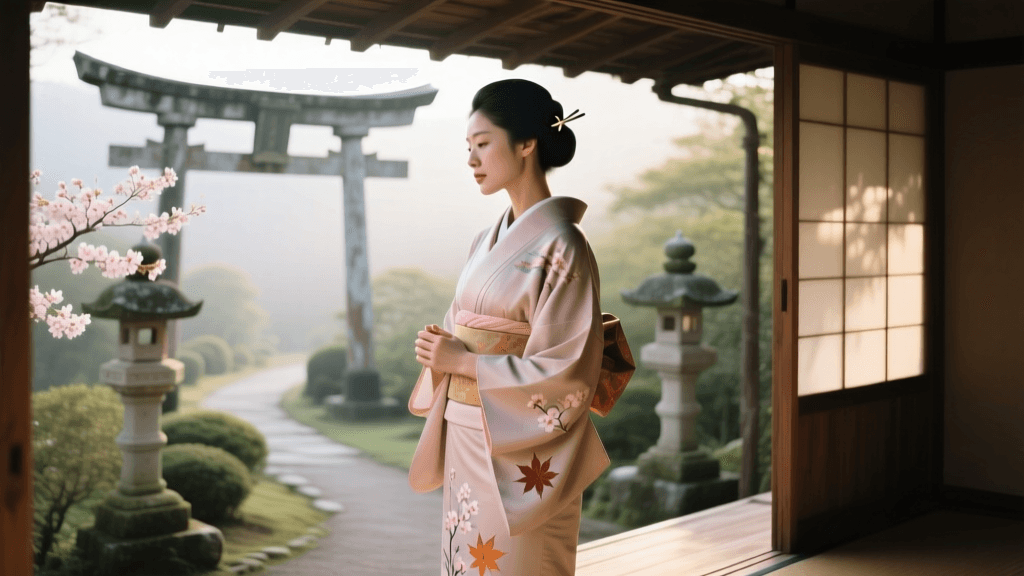
In Japan, the kimono is far more than a beautiful garment; it is a profound cultural vessel that carries the weight of family history, societal transitions, and spiritual blessings. From the joyous arrival of a newborn to the solemn remembrance of those who have passed, traditional Japanese clothing dictates the visual and emotional landscape of life's most critical milestones. As we navigate 2026, the intersection of deep-rooted tradition and modern practicality has reshaped how families approach ceremonial dress. While the core etiquette remains fiercely protected, innovations in sustainable textiles, climate-adaptive weaves, and digital rental markets have made participating in these time-honored customs more accessible than ever.
According to the Agency for Cultural Affairs, Government of Japan, the preservation of intangible cultural heritage, including the intricate art of kimono wearing (kitsuke), remains a national priority. Yet, the modern Japanese family must balance this heritage with the realities of contemporary life. This comprehensive 2026 guide explores the specific sartorial requirements for three major family ceremonies: Omiyamairi (birth blessings), Seijin no Hi (coming-of-age), and Soshiki or Houji (memorials and funerals).
Omiyamairi: Welcoming New Life with Grace
The Omiyamairi is a traditional Shinto shrine visit that takes place approximately one month after a baby is born. The purpose is to introduce the newborn to the local tutelary deity (ujigami) and to pray for the child's health and longevity. In 2026, while the nuclear family structure often means parents take the primary roles, it is still customary for the grandmother to hold the baby during the actual shrine prayers, a practice rooted in historical traditions of maternal postpartum rest.
Garments for the Baby and Mother
For the infant, the traditional ensemble consists of a white silk or cotton undergarment known as a shiro-kimono or ubugi. Over this, the baby wears a brilliantly embroidered outer layer called an uwagi. In 2026, there is a massive surge in demand for organic, sustainably sourced silk blends for these infant garments, prioritizing hypoallergenic properties and breathability. For baby girls, the embroidery often features floral motifs like peonies or cherry blossoms in vibrant reds and pinks, while baby boys typically wear motifs of hawks, tigers, or kabuto (samurai helmets) in deep blues, blacks, and golds.
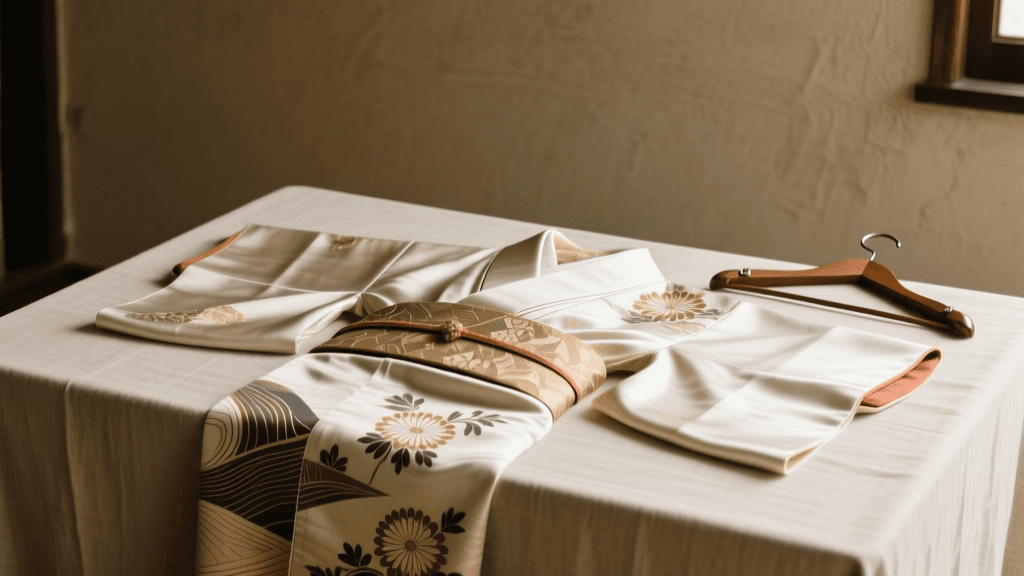
The mother and grandmother typically wear Homongi or Tsukesage kimono. These are semi-formal to formal garments characterized by elegant, continuous patterns that flow across the seams. Because Japanese summers have grown increasingly hot and humid due to shifting climate patterns, the 2026 summer season has seen a revival of ro and sha (sheer, leno-weave silks) for Omiyamairi, allowing mothers to maintain strict formal etiquette without risking heat exhaustion. The obi (sash) should be tied in a taiko musubi (drum knot), which is dignified and appropriate for shrine visits.
Seijin no Hi and the Modern 'Twenty-Year-Old' Gatherings
Coming-of-Age Day (Seijin no Hi) is one of the most visually spectacular national holidays in Japan. Although the legal age of adulthood in Japan was lowered to 18 in 2022, the vast majority of municipalities in 2026 continue to hold the traditional ceremonies for 20-year-olds. Often rebranded locally as Hatachi no Tsudoi (Gatherings of Twenty-Year-Olds), the event remains a massive cultural touchstone centered entirely around the kimono.
The Furisode and Haori-Hakama
For young women, the undisputed garment of the day is the furisode, a formal kimono characterized by its dramatically long, swinging sleeves. The sleeve length can vary, with the ofurisode (large furisode) boasting sleeves that measure up to 114 centimeters. In 2026, rental shops report that vintage-inspired Taisho-era aesthetics—featuring deep burgundies, mustard yellows, and bold geometric patterns—remain highly sought after, often paired with modern, plush velvet obi accessories and intricate floral hair ornaments (kanzashi).
For young men, the standard ceremonial attire is the haori-hakama. This consists of a kimono base, a stiff, pleated skirt-like trouser (hakama), and a formal half-coat (haori). While black and navy remain the traditional standards, 2026 has seen a rise in young men opting for deep emerald greens, charcoal greys, and subtle pinstripes, accessorized with a silver or white haori-himo (braided cord).
2026 Rental vs. Purchase Market Analysis
The economics of acquiring ceremonial kimono have shifted dramatically. With the average cost of a brand-new, bespoke furisode exceeding the price of a luxury vehicle, the 2026 market is dominated by high-end rental services that now include AI-driven virtual fitting rooms and professional on-site dressing.
| Garment Type | 2026 Average Rental Cost (Full Set) | 2026 Average Purchase Cost (Bespoke) | Dressing & Hair Styling Fees |
|---|---|---|---|
| Furisode (Women) | ¥80,000 - ¥150,000 | ¥450,000 - ¥1,200,000+ | ¥15,000 - ¥25,000 |
| Haori-Hakama (Men) | ¥25,000 - ¥50,000 | ¥150,000 - ¥350,000 | ¥5,000 - ¥8,000 |
| Homongi (Mothers) | ¥40,000 - ¥70,000 | ¥300,000 - ¥600,000 | ¥12,000 - ¥18,000 |
Note: Prices are in Japanese Yen (JPY) and reflect 2026 market averages in major metropolitan areas like Tokyo, Kyoto, and Osaka. Full rental sets include the kimono, obi, undergarments (nagajuban), zori sandals, and bag.
Soshiki and Houji: Navigating Memorial Dress Codes
While birth and coming-of-age are celebrations of life and future potential, memorial ceremonies require a strict adherence to somber, respectful aesthetics. Japanese funeral (soshiki) and subsequent memorial service (houji) dress codes, collectively known as mofuku, are among the most rigid in Japanese society. The All Japan Kimono Association provides stringent guidelines to ensure that mourning attire conveys the appropriate level of grief and respect for the deceased and their family.
Strict Mourning Attire (Soshiki)
For the wake (tsuya) and the primary funeral service, immediate family members must wear strict mofuku. This is a completely black kimono made from matte silk crepe (chirimen), devoid of any shine or hidden patterns. Crucially, a formal mourning kimono must bear five family crests (itsutsu-mon)—one on the back of the neck, two on the outer sleeves, and two on the chest. The obi must be a kuro-koshu (a specific type of matte black woven sash), and all accessories, including the obi-jime (cord) and obi-age (scarf), must be black. Footwear consists of black zori sandals with black woven straps, and tabi socks must be stark white—a singular exception to the all-black rule.
Transitioning to Later Memorials (Houji)
As time passes, the strictness of the mourning attire softens. For the 49-day memorial, the first-year anniversary, and subsequent houji, attendees and extended family transition to iro-mofuku (color mourning attire) or subdued iromuji (single-color kimono). In 2026, the acceptable palette for these later memorials includes deep charcoal greys, muted navy blues, and dark eggplant purples. The number of family crests is reduced to three or one, and a subtle, dark obi with a faint silver or grey pattern may be introduced. Jewelry is kept to an absolute minimum, with a single strand of white pearls being the only universally acceptable adornment for women, symbolizing tears of grief.
2026 Sourcing: AI Fitting and Sustainable Textiles
The logistical challenge of acquiring, maintaining, and wearing ceremonial kimono has historically been a barrier for younger generations. However, the 2026 kimono industry has embraced technological and environmental innovations to ensure these traditions survive. Leading rental boutiques in Kyoto and Tokyo now utilize 3D body-scanning mirrors. These AI-driven systems take over fifty distinct body measurements in seconds, allowing the kitsuke (dressers) to pre-select the exact padding and tying techniques required for a flawless, comfortable fit, drastically reducing the physical strain of wearing heavy formal silk.
Furthermore, the push for sustainability has revolutionized the textile supply chain. With traditional silk farming facing labor shortages, 2026 has seen the widespread adoption of lab-grown spider silk blends and ethically harvested peace silk (ahimsa silk) for ceremonial garments. These modern textiles mimic the drape and luster of traditional tango chirimen but are entirely cruelty-free and boast a significantly lower water footprint. Whether welcoming a child to the gods, celebrating the threshold of adulthood, or honoring the memory of an ancestor, the kimono in 2026 remains a resilient, evolving masterpiece of Asian cultural heritage.