Kimono Destination Weddings in Kyoto: A Complete Guide
The Allure of a Kyoto Kimono Wedding
Kyoto, the cultural heart of Japan, offers an unparalleled backdrop for a destination wedding. With its serene Zen gardens, ancient Shinto shrines, and preserved wooden machiya townhouses, the city provides a deeply romantic and historically rich atmosphere. For international couples and Japanese expatriates alike, choosing a traditional kimono wedding in Kyoto is a profound way to honor Japanese heritage. However, planning a wedding involving traditional garments requires meticulous attention to detail, from understanding the layers of bridal silk to coordinating the complex dressing process known as kitsuke. According to the Japan National Tourism Organization, destination weddings in Japan are increasingly popular, blending centuries-old rituals with modern luxury hospitality.
Decoding the Bridal Wardrobe: Shiromuku vs. Uchikake
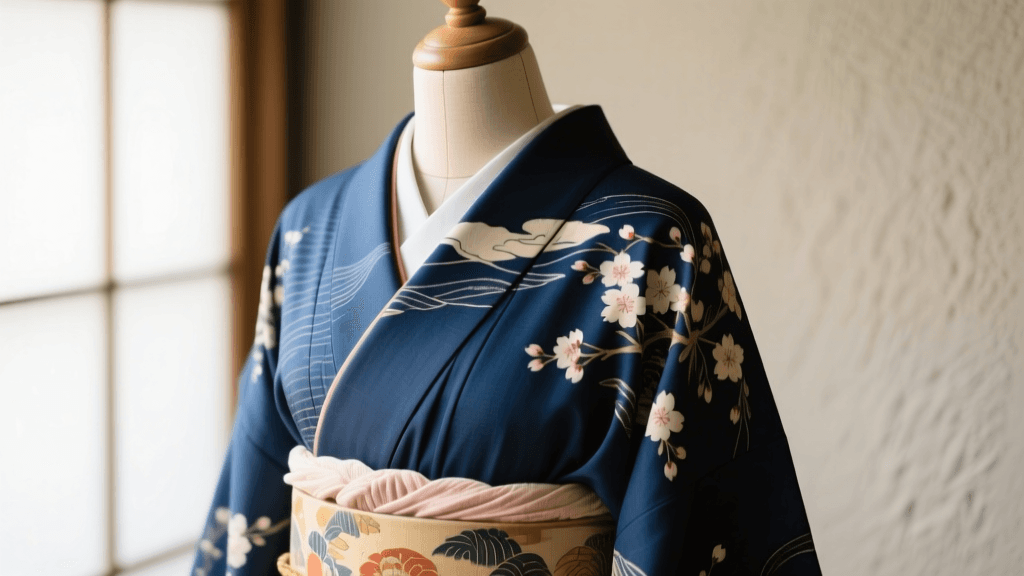
The Japanese bridal wardrobe is a masterpiece of textile art. As noted by the Victoria and Albert Museum, the kimono evolved from the kosode of the Edo period into a canvas for extraordinary dyeing and weaving techniques. For brides, there are three primary types of formal kimono, each carrying distinct symbolism and practical considerations.
The Shiromuku is the most formal bridal garment, consisting entirely of pure white silk. The white symbolizes purity and the bride's willingness to be 'dyed' in the colors of her new family. It is typically worn with a wataboshi (a large white silk hood) or a tsunokakushi (a smaller 'horn-hiding' cap). The Uchikake is a heavily padded, unbelted outer robe worn open over a base kimono (kakeshita). While traditionally white, modern brides often choose an Iro-Uchikake (colored uchikake) featuring vibrant reds, golds, and auspicious motifs like cranes, pine, bamboo, and plum blossoms (shochikubai). The Metropolitan Museum of Art highlights how techniques like Yuzen dyeing and intricate gold-leaf embroidery elevate these garments to wearable art.
Bridal Kimono Comparison Chart
| Garment Type | Description & Symbolism | Est. Rental Cost (USD) | Avg. Weight | Best Venue Setting |
|---|---|---|---|---|
| Shiromuku | Pure white silk; symbolizes purity and new beginnings. | $1,500 - $2,500 | 3.5 - 4.5 kg | Traditional Shinto Shrines |
| Iro-Uchikake | Colored, embroidered outer robe; festive and highly photographic. | $2,000 - $4,000 | 4.0 - 5.5 kg | Garden Ceremonies, Machiya |
| Hiki-Furisode | Long-sleeved kimono with a trailing hem; elegant and romantic. | $1,200 - $2,200 | 2.5 - 3.5 kg | Hotel Banquets, Tea Houses |
The Art of Kitsuke: Dressing and Styling
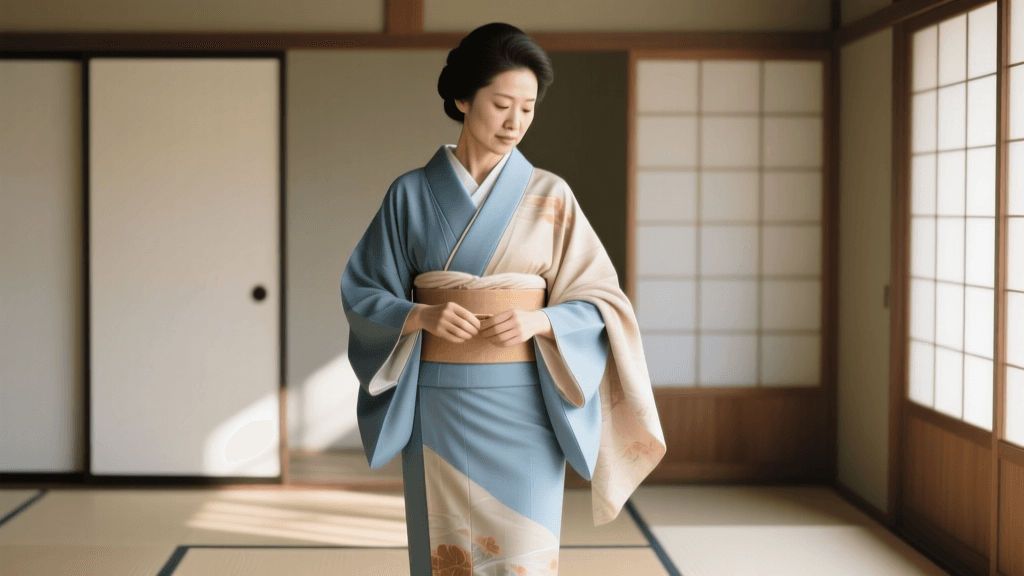
Wearing a bridal kimono is not a simple task; it is an architectural feat. The process, called kitsuke, takes between two to three hours and requires a licensed professional dresser (kitsuke-shi). The bride is first dressed in specialized undergarments, including the hadajuban (undershirt) and susoyoke (half-slip), followed by padding to create a uniform, cylindrical silhouette, which is considered the ideal aesthetic for kimono.
The obi (sash) used for brides is often a maru obi or fukuro obi, woven with gold and silver threads, and tied in an elaborate, voluminous knot such as the bunko or tateya style. Hair is styled in a traditional nihongami updo or a modern bridal bun, adorned with kanzashi (ornate hairpins), tortoiseshell combs, and silk flowers. When booking a salon in Kyoto, such as the renowned Watahana or similar bridal boutiques in the Higashiyama district, expect to pay a premium for an all-inclusive package that includes the garment rental, dressing, hair, and makeup.
Groom and Guest Attire Etiquette
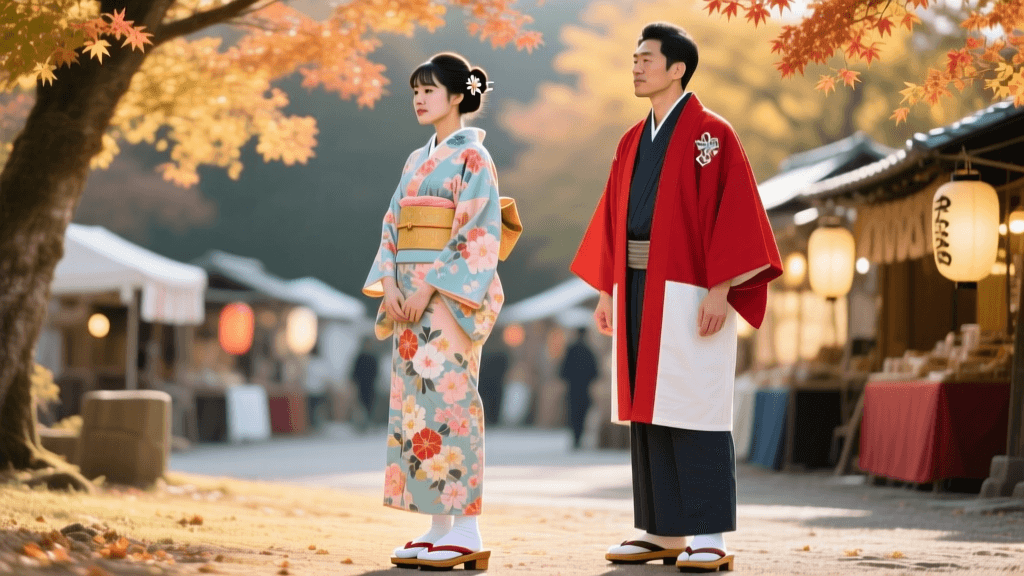
The groom traditionally wears a montsuki haori hakama. This consists of a black silk kimono bearing the family crests (mon), a decorated jacket (haori), and pleated, wide-legged trousers (hakama). The ensemble is completed with white tabi socks and straw zori sandals. For the reception, many grooms change into a Western tuxedo or a formal morning suit.
Guest etiquette is equally important. Female guests should wear formal kimono such as houmongi (visiting wear) or tsukesage. Crucially, guests must avoid wearing white, which is strictly reserved for the bride, and should avoid overly flashy patterns or excessive gold that might upstage the bridal party. Male guests typically wear dark business suits with white ties, or formal haori hakama if they are close family members.
12-Month Kyoto Wedding Planning Checklist
- 12-10 Months Prior: Secure your Kyoto venue and date. Shinto shrines book up quickly, especially during the auspicious spring (April-May) and autumn (October-November) seasons.
- 9-7 Months Prior: Book your bridal kimono rental salon. If you are tall or require custom tailoring (semit-order), extra time is needed for hem adjustments.
- 6-5 Months Prior: Hire a bilingual wedding planner and a photographer experienced in shooting traditional Japanese garments and low-light shrine environments.
- 4-3 Months Prior: Finalize guest accommodations. Book a traditional ryokan or a luxury hotel in the Gion or Higashiyama districts for easy access to photo locations.
- 2-1 Months Prior: Attend your final fitting. Discuss your kansashi hair accessories and choose your bridal zori (sandals) and tabi (split-toe socks).
- 1 Week Prior: Confirm the kitsuke timeline with your dresser. Ensure your venue has a dedicated, spacious dressing room (shinzen-shiki preparation room) with proper seating and climate control.
Selecting Your Kyoto Venue
Kyoto offers diverse venues for a kimono-clad ceremony. Shinto Shrine Ceremonies (Shinzen-shiki) are the most traditional. Venues like Shimogamo Shrine (a UNESCO World Heritage site) or Heian Jingu offer breathtaking architecture and sacred atmospheres. Note that some shrines restrict photography during the actual ritual, requiring you to rely on the shrine's official photographer or schedule a post-ceremony shoot in the public gardens.
Alternatively, Machiya (Traditional Townhouse) Weddings provide an intimate, private setting. Renting a restored machiya allows for complete control over the schedule, catering, and photography. The tatami mat rooms and enclosed tsuboniwa (courtyard gardens) create stunning, culturally immersive backdrops for the vibrant colors of an iro-uchikake.
Day-Of Logistics, Movement, and Etiquette
Wearing a bridal kimono fundamentally changes how you move. The tight binding of the obi and the narrow hemline restrict your stride. Brides must practice suriashi, a traditional sliding walk where the feet glide across the floor without lifting, keeping the hem of the kimono from swaying and maintaining a graceful, gliding posture. When sitting, you must gently gather the sleeves and sit on the edge of the chair to avoid crushing the obi knot.
Logistically, navigating Kyoto's uneven stone paths and shrine staircases requires assistance. Your dresser or a dedicated attendant will help manage the long, trailing hem of the uchikake and carry a small parasol (wagasa) to protect the silk from direct sunlight and sudden rain. Bathroom breaks are notoriously difficult in full bridal attire; modern kitsuke-shi often provide a special kimono clip and large cloth to secure the layers safely out of the way.
Ultimately, a kimono destination wedding in Kyoto is a labor of love that demands patience, respect for tradition, and careful logistical planning. By understanding the profound history of the garments and preparing for the physical realities of wearing them, couples can experience a truly magical and culturally resonant celebration in Japan's most enchanting city.