Decoding Kabuki, Noh & Bunraku Kimono Costumes 2026
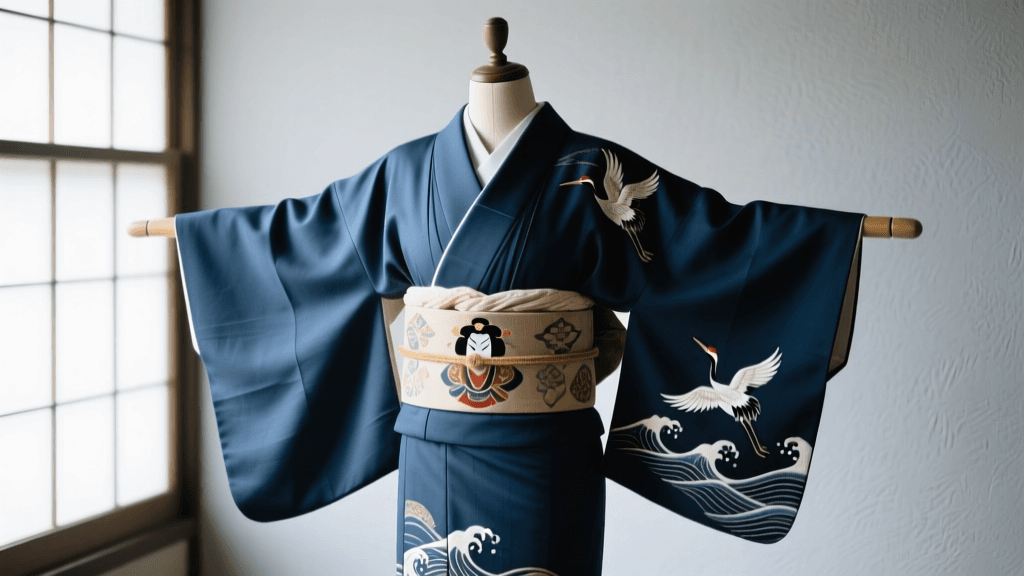
The Living Textiles of Japanese Traditional Theater
When we discuss the kimono in the context of Japanese culture, it is impossible to ignore its most dramatic and highly stylized application: traditional theater. In 2026, the intersection of heritage preservation and modern exhibition techniques has brought the intricate stage garments of Kabuki, Noh, and Bunraku into sharper focus than ever before. These costumes are not merely clothing; they are vital storytelling devices, engineered to convey character, emotion, and supernatural elements to audiences seated far from the stage. For textile enthusiasts, historians, and collectors, understanding the distinct sartorial languages of these three art forms is essential. This comprehensive guide explores the unique kimono constructions, weaving techniques, and symbolic color palettes that define Japan's premier theatrical traditions.
Noh Theater: The Spiritual Weight of the Karaori
Noh, the oldest of the three theatrical forms, relies heavily on subtlety, spiritual depth, and the concept of yugen (mysterious, profound beauty). Unlike the explosive visual energy of Kabuki, Noh costumes are designed to reflect the inner psychological state and spiritual rank of the character. The garments are notoriously heavy and restrictive, intentionally slowing the actor's movements to create a deliberate, gliding stage presence.
Key Noh Textile Techniques
The most iconic Noh garment is the karaori (literally 'Chinese weave'). Despite its name, this technique was perfected in Japan during the Muromachi period. It is a complex brocade weave where the weft threads float over the surface to mimic the appearance of intricate embroidery. In 2026, advanced multispectral imaging projects at the Japan Arts Council's National Noh Theatre have allowed conservators to map the degradation of metallic threads in Edo-period karaori without physically handling the fragile textiles.
Another crucial garment is the nuihaku, which combines embroidery (nui) with gold or silver leaf (haku). The gold leaf is pressed directly onto the silk using a specialized adhesive, creating a luminous effect that catches the dim, natural light of the traditional Noh stage. The color of the karaori or nuihaku strictly denotes the character's age and gender: red indicates a young woman, while deep maroon, yellow, or dark blue signifies an older woman or a male deity.
Kabuki: Extravagance, Hikizuri, and Quick Changes
If Noh is a whisper, Kabuki is a shout. Emerging in the Edo period as entertainment for the commoner classes, Kabuki is characterized by bold, oversized patterns, vibrant dyes, and dramatic stage mechanics. The kimono in Kabuki must withstand rigorous physical performances, including aragoto (rough, heroic style) combat scenes and elaborate dance sequences.
The Architecture of the Hikizuri and Hikinuki
The hikizuri is the trailing kimono worn primarily by female characters (onnagata) and high-ranking courtesans. To achieve the dramatic sweep on stage, the hem is heavily padded with cotton wadding, and the garment is tied exceptionally high on the torso, allowing the excess fabric to pool elegantly on the floor. The sheer weight of a fully padded hikizuri can exceed 15 kilograms, requiring immense physical stamina from the actor.
Kabuki is also famous for hikinuki, a breathtaking quick-change technique. The outer kimono is basted together with a few strategic threads. At the climax of a scene, stage assistants (kurogo) pull these threads, causing the outer robe to instantly drop away and reveal a completely different, brightly colored kimono underneath, symbolizing a sudden shift in the character's emotion, identity, or supernatural power. The Tokyo National Museum frequently rotates its textile galleries to showcase the internal basting structures of these theatrical marvels, highlighting the engineering genius of Edo-period costume designers.
Aragoto vs. Wagoto Aesthetics
- Aragoto (Rough Style): Features bold, geometric patterns like the ishi-tatami (paving stone) check or massive family crests. Colors are high-contrast, predominantly vivid reds, blacks, and stark whites, designed to project power and divine strength.
- Wagoto (Soft Style): Utilizes subtle, naturalistic motifs such as weeping willows, flowing water, or delicate cherry blossoms. The color palette leans toward muted pastels, indigos, and soft grays, reflecting the romantic and comedic nature of the characters.
Bunraku: The Illusion of the Split Kimono
Bunraku, the traditional puppet theater of Japan, presents a unique set of challenges for textile artisans. The puppets, which are approximately two-thirds the size of a human, are operated by three visible puppeteers. The kimono must not only look authentic but also facilitate complex, lifelike movements without tangling or tearing.
Engineering the Puppet Garment
Unlike human clothing, a Bunraku kimono is constructed in separate, overlapping panels rather than being sewn into a single continuous tube. This 'split' construction allows the lead puppeteer (omozukai), who controls the head and right arm, to manipulate the sleeve independently of the torso. The internal structure of the puppet, known as the dō, features a specialized wooden shoulder board that gives the kimono its shape, while the sleeves are stuffed with cotton to simulate the volume of human arms.
According to the National Bunraku Theatre archives, the textiles used for high-ranking puppet characters are often genuine, hand-woven silks scaled down or carefully tailored to fit the wooden armatures. The visual weight of the brocade must be perfectly balanced; if the fabric is too heavy, it will impede the puppeteer's ability to execute subtle gestures, such as the delicate weeping of a tragic heroine or the fierce drawing of a sword.
Comparative Analysis: Textile Techniques Across the Three Arts
To fully appreciate the nuances of Japanese theatrical costuming, it is helpful to compare the functional and aesthetic requirements of each art form side-by-side.
| Theater Form | Primary Garment Type | Key Textile Technique | Average Stage Weight | Primary Manipulation Method |
|---|---|---|---|---|
| Noh | Karaori / Nuihaku | Floating brocade weave; Gold leaf application | 10 - 15 kg | Worn by a single actor; movement restricted for spiritual pacing |
| Kabuki | Hikizuri / Uchikake | Heavy hem padding; Basted quick-change seams | 12 - 20 kg | Worn by actors; utilizes stage assistants for dynamic reveals |
| Bunraku | Split Kosode / Uchikake | Panel segmentation; Internal armature stuffing | 2 - 4 kg (per puppet) | Manipulated via wooden shoulder boards by three puppeteers |
Experiencing and Collecting Theater Kimono in 2026
For collectors and textile historians, the market for authentic theatrical kimono is highly specialized. In 2026, auction houses in Kyoto and Tokyo have seen a surge in demand for late-Meiji and Taisho-era Kabuki hikizuri, prized for their use of early synthetic dyes mixed with traditional gold couching. However, buyers must exercise extreme caution. Many 'stage kimono' sold in vintage markets are actually modern, mass-produced costumes made for local festivals or amateur dance recitals, lacking the heavy internal padding and reinforced stitching of true professional theater garments.
Where to View Masterpieces in 2026
If you are traveling to Japan in 2026 to study these garments in person, prioritize the following institutions:
- The Kabukiza Theatre Gallery (Tokyo): Located in the basement of the main theater, this space rotates actual costumes from current and past productions, allowing you to examine the hikinuki basting threads up close.
- The National Noh Theatre (Tokyo): The adjacent exhibition hall frequently displays karaori robes, offering a masterclass in floating weave techniques and the subtle use of metallic threads.
- The National Bunraku Theatre (Osaka): Offers behind-the-scenes tours where you can observe the intricate process of dressing the puppets and see how the split kimono panels are secured to the dō armature.
Conclusion
The kimono in Kabuki, Noh, and Bunraku represents the absolute zenith of Japanese textile artistry. These garments are engineered for performance, steeped in centuries of symbolism, and maintained through rigorous modern conservation efforts. Whether you are marveling at the spiritual weight of a Noh karaori, the explosive quick-changes of a Kabuki hikizuri, or the mechanical genius of a Bunraku split robe, understanding the distinct construction of these costumes profoundly deepens the appreciation of Asia's richest performing arts traditions. As preservation technologies continue to advance through 2026 and beyond, the vibrant threads of these theatrical masterpieces will continue to captivate and educate generations of textile enthusiasts.