Hanfu Milestone Rites 2026: Guan Li & Wedding Guide
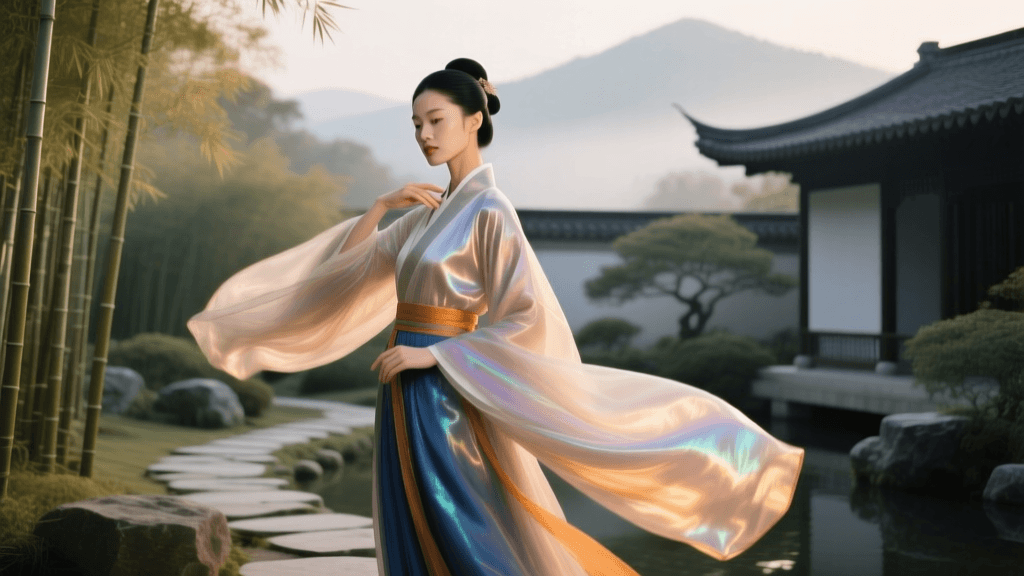
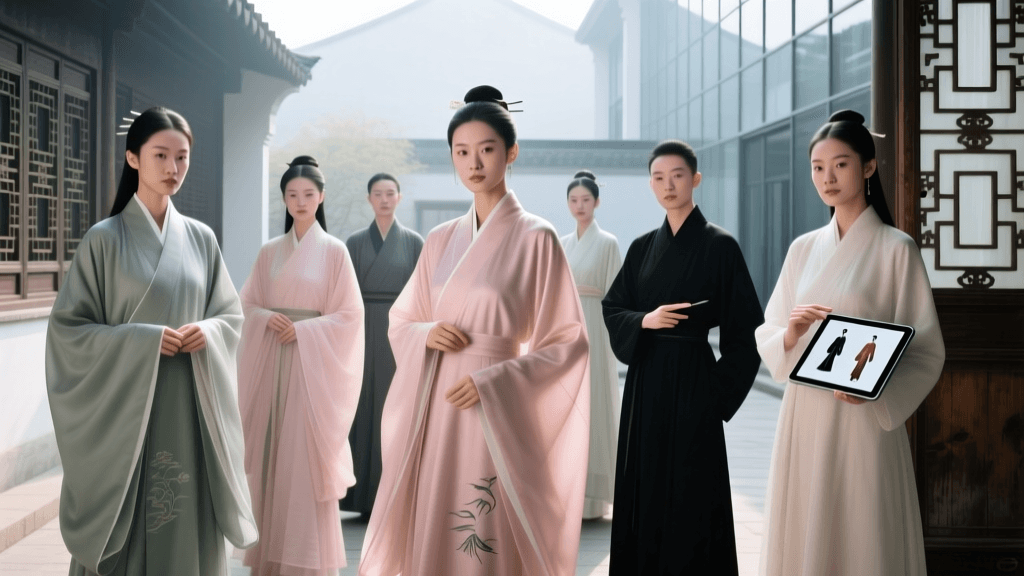
As the traditional garment renaissance reaches new cultural and commercial heights in 2026, Hanfu has transcended everyday streetwear and social media trends to reclaim its sacred role in life’s most pivotal milestones. For modern families and cultural enthusiasts, donning Hanfu is no longer just about aesthetic appreciation; it is a profound reconnection with ancestral rites of passage. From the solemnity of coming-of-age ceremonies to the breathtaking splendor of traditional weddings, Hanfu serves as the physical manifestation of maturity, commitment, and cultural continuity.
This comprehensive guide explores how to authentically plan, source, and execute Hanfu milestone ceremonies in 2026, focusing on the Guan Li (capping ceremony), Ji Li (hair-pinning ceremony), and orthodox Han weddings.
The Coming of Age: Guan Li and Ji Li in the Modern Era
Historically documented in the ancient Book of Rites (Liji), the transition into adulthood was marked by highly structured ceremonies. For men, the Guan Li took place at age 20, while women underwent the Ji Li at age 15. These rites signaled to the community that the individual was now ready to assume societal responsibilities, marry, and participate in ancestral worship.
Modern Adaptations for 2026
In 2026, the strict age requirements have largely been adapted to align with modern educational milestones. Many high schools in cultural hubs like Xi'an, Hangzhou, and Chengdu now integrate adapted Ji Li and Guan Li ceremonies into their graduation festivities, typically celebrating students at age 18. Families also host private ceremonies in ancestral halls or botanical gardens.
The core of the coming-of-age rite revolves around the San Jia (Three Additions), where the initiate changes garments three times, each representing a deeper level of societal responsibility:
- First Addition: A simple linen or cotton Zhongyi (inner garment) and a basic robe, symbolizing the shedding of childhood innocence and the beginning of scholarly pursuit.
- Second Addition: A darker, more formal Shenyi (deep robe) paired with a leather belt, representing the readiness to defend the community and uphold martial or civic duties.
- Third Addition: The grand ceremonial Duan (formal robe) and the official capping or ornate hair-pinning (Zan), signifying full integration into adult society and the right to participate in formal state or family rituals.
Clothing is not merely fabric; it is the boundary between the wild and the civilized, the child and the adult. To wear the robes of adulthood is to carry the weight of one's ancestors.
— Adapted from the Book of Rites (Liji)
Hanfu Weddings: Blending Antiquity with 2026 Nuptials
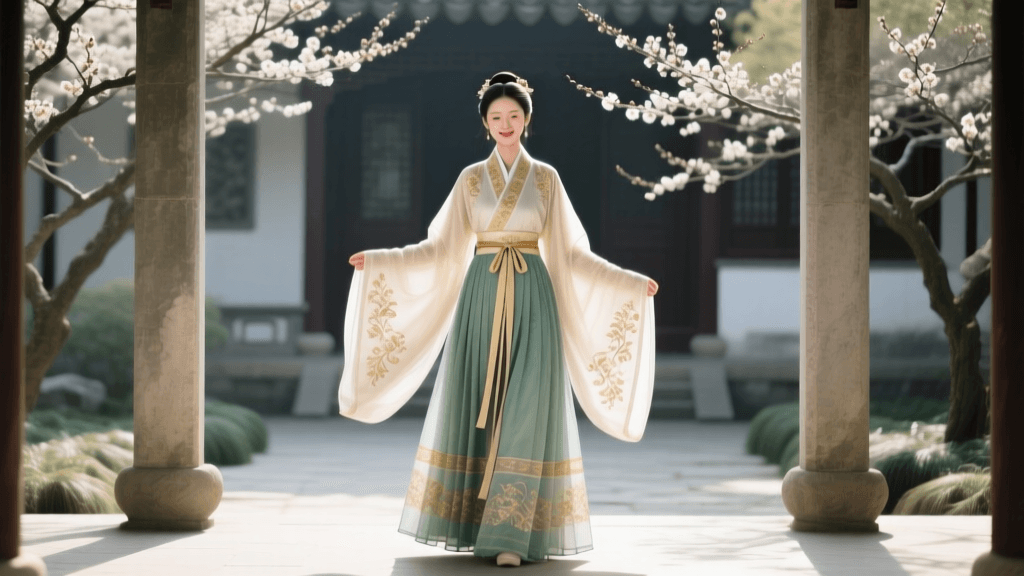
Weddings represent the most visually spectacular and emotionally resonant use of Hanfu today. While the ethereal, high-waisted silhouettes of the Tang dynasty and the minimalist elegance of the Song dynasty remain popular for engagement photoshoots, the Ming dynasty Fengguan Xiapei (phoenix coronet and cloud scarf) continues to dominate formal 2026 wedding markets as the gold standard for orthodox Han nuptials.
According to The Metropolitan Museum of Art's historical archives on Ming Dynasty clothing, the Ming era established strict sumptuary laws that eventually allowed commoners to wear aristocratic-style garments on their wedding day, a tradition that birthed the modern concept of the 'wedding dress' in Chinese culture. Today, brides honor this by wearing richly embroidered Diyi (pheasant robes) or crimson Yuanlingpao (round-collar robes) adorned with auspicious motifs like dragons, phoenixes, and peonies.
Comparing Dynasty Wedding Styles for 2026 Ceremonies
| Dynasty | Style Name | Key Features & Silhouette | 2026 Average Custom Cost (USD) |
|---|---|---|---|
| Tang | Zhaiyi / Da Xiufu | High-waisted, flowing wide sleeves, vibrant contrasting colors, floral hairpins. | $450 - $800 |
| Song | Da Xiufu / Hongxiapei | Slender silhouette, pleated skirts, subdued elegant tones, pearl embellishments. | $600 - $1,100 |
| Ming | Fengguan Xiapei | Crimson/Green robes, heavy gold embroidery, phoenix coronet, cloud scarf. | $1,200 - $3,500+ |
A major trend in 2026 is the shift toward sustainable and breathable fabrics for summer weddings. Traditional heavy brocades are being replaced by innovative Xiangyunsha (gambiered Canton gauze) and lightweight Song brocades, allowing brides to maintain historical accuracy without suffering from heat exhaustion during outdoor tea ceremonies.
Sourcing Authentic Milestone Hanfu: A Buyer’s Guide
Sourcing high-quality Hanfu for life milestones requires foresight. The days of relying solely on fast-fashion e-commerce platforms for major life events are over. In 2026, discerning buyers turn to specialized heritage brands and master artisans. The intricate silk weaving techniques required for authentic milestone garments are a testament to China's rich textile history, recognized globally by organizations like UNESCO's Intangible Cultural Heritage list for traditional sericulture and silk craftsmanship.
Top Brands and Artisans for 2026
- Minghuatang: Widely considered the pinnacle of Ming dynasty reproduction. Their custom wedding sets are museum-quality, utilizing real gold leaf threads. 2026 Lead Time: 6 to 9 months. Price Range: $2,000 - $5,000.
- Shisanyu: Excellent for accessible, high-quality coming-of-age and graduation sets. They offer beautiful, historically grounded Shenyi and Ruqun sets perfect for Ji Li ceremonies. Lead Time: In-stock or 30 days. Price Range: $150 - $400.
- Zhiyu: Specializes in Song dynasty aesthetics, ideal for couples seeking a refined, intellectual, and understated wedding ceremony. Lead Time: 2 to 4 months. Price Range: $800 - $1,800.
Crucial Measurements for Custom Tailoring
Unlike Western formalwear, Hanfu relies on specific structural measurements to achieve the correct drape and sleeve length. When ordering custom milestone garments, you must provide:
- Shoulder Width: Measured from the edge of one shoulder bone to the other.
- Sleeve Length (Tongxiu): Measured from the base of the neck, across the shoulder, down to the desired wrist or finger joint (ceremonial sleeves often cover the hands).
- Waist and Hip Circumference: Essential for the proper wrapping and pleating of the Mamianqun (horse-face skirt).
- Height and Floor Clearance: To ensure the hem rests exactly 1-2 centimeters above the floor when wearing traditional cloud-toe shoes.
Structuring the Ceremony: A Step-by-Step Rite
Executing a milestone ceremony requires careful choreography. Whether hosting a Guan Li or a traditional Han wedding, the environment must reflect solemnity and respect. In 2026, professional Han ritual planners (known as Zan Li) are frequently hired to guide families through the complex etiquette.
The Core Sequence of a Coming-of-Age Rite
- Welcoming the Guests: The host (usually the father or eldest male relative) welcomes attendees at the entrance of the ancestral hall or garden pavilion.
- The Washing of Hands: The initiate washes their hands in a bronze basin, symbolizing the purification of the mind and body before taking on adult responsibilities.
- The Capping/Pinning (The San Jia): The designated elder (the Zheng Bin) places the first cap or hairpin on the initiate, accompanied by a spoken blessing. This is repeated three times with escalating garment formality.
- The Offering of Tea: The newly minted adult serves bitter tea to their parents, acknowledging the hardships of their upbringing, followed by sweet tea, promising a harmonious future.
- The Reading of the Adult Name: The elder bestows a Zi (courtesy name), which the individual will use in formal and professional settings from that day forward.
Music and Atmosphere
Forget modern pop ballads; authentic milestone ceremonies rely on traditional acoustic instrumentation. Hiring a live Guqin (seven-stringed zither) or Guzheng player is standard practice in 2026. The slow, deliberate tempo of classical pieces like Flowing Water (Liu Shui) provides a meditative backdrop that allows the rustle of heavy silk and the spoken blessings to take center stage.
Conclusion: Wearing History into the Future
Choosing Hanfu for life’s greatest milestones in 2026 is a powerful declaration of identity. It transforms abstract history into a tactile, lived experience. Whether a young student receives their first jade hairpin during a high school Ji Li, or a couple exchanges vows beneath the heavy gold embroidery of a Ming-style Fengguan, these garments serve as a bridge across centuries. By meticulously sourcing authentic textiles, respecting the ancient choreography of the rites, and adapting them thoughtfully for the modern era, today’s generation ensures that the profound elegance of Asian sartorial traditions will continue to grace life’s most sacred moments for centuries to come.