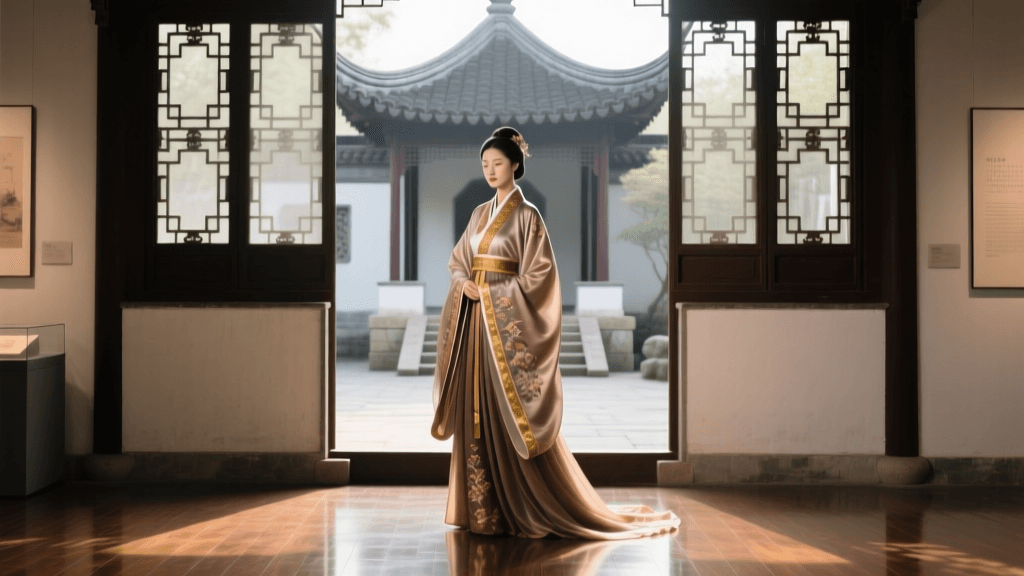
Hanfu Travel Guide 2026: Packing Tips & Top Photo Destinations
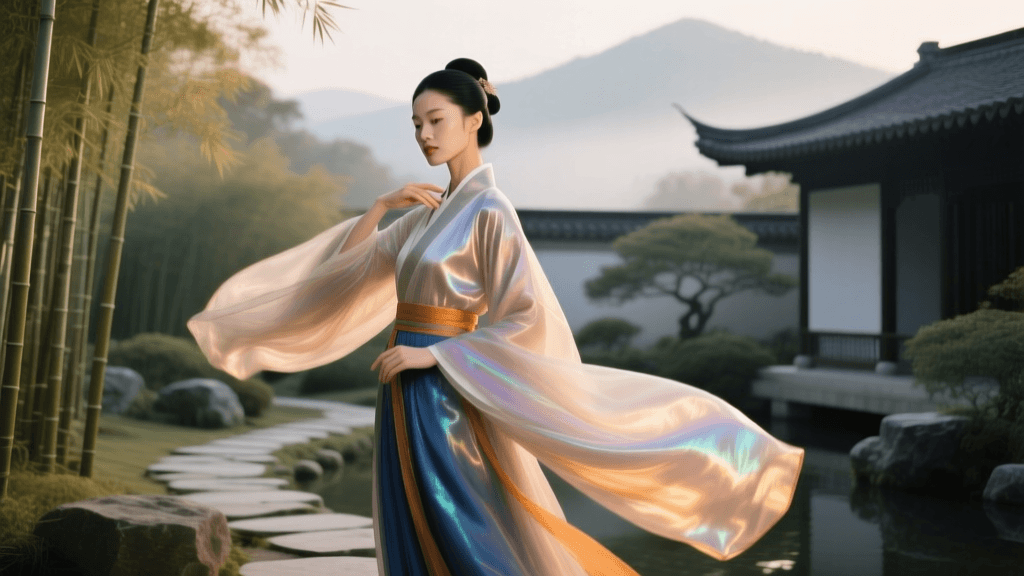
The 2026 Hanfu Travel Renaissance
The global appreciation for traditional Asian garments has reached new heights in 2026, with Hanfu tourism becoming a major cultural phenomenon. No longer confined to local festivals or studio photoshoots, enthusiasts are now embarking on international and domestic journeys specifically to capture their traditional attire in historically significant landscapes. However, traveling with Hanfu presents unique logistical challenges. Unlike modern fast fashion, traditional Hanfu garments—ranging from delicate Song Dynasty silks to heavily embroidered Ming Dynasty brocades—require meticulous packing, specialized maintenance, and a deep understanding of fabric behavior. This comprehensive 2026 guide provides actionable packing strategies and curates the ultimate destination list for Hanfu photography, ensuring your garments remain pristine and your travel portfolio is breathtaking.
Essential Packing Strategies for Delicate Hanfu
The Mamianqun: Preserving the Pleats
The Ming Dynasty Mamianqun (horse-face skirt) is a staple of the modern Hanfu wardrobe, but its structured pleats are notoriously vulnerable to travel compression. In 2026, the gold standard for packing a Mamianqun involves the 'cardboard and clip' method. Before folding, lay the skirt flat and insert thin, acid-free cardboard sheets between the pleated sections to provide structural rigidity. Secure the edges with smooth-edged sewing clips rather than metal binder clips, which can leave permanent indentations on silk blends. Once secured, roll the skirt gently around a cylindrical packing core—such as a specialized garment tube—rather than folding it in half. This eliminates hard crease lines across the intricate woven patterns.
Silk Beizi and Ruqun: The Tissue-Rolling Technique
Lightweight, flowing garments like the Song Dynasty Beizi (open-front coat) and Tang Dynasty Ruqun are highly susceptible to deep wrinkling. To pack these, utilize the tissue-rolling technique. Lay the garment flat, place a sheet of unbuffered, acid-free tissue paper over it, and roll the garment and tissue together into a loose cylinder. The tissue paper acts as a buffer, preventing the silk fibers from crushing against one another. Store these rolls vertically in a hard-shell compression cube to minimize shifting during transit.
Protecting Xiangyunsha and Specialty Fabrics
Xiangyunsha (gambiered Canton gauze) is a luxurious, mud-dyed silk that requires specific environmental conditions. It is highly sensitive to prolonged moisture and extreme friction. When traveling with Xiangyunsha in 2026, use breathable cotton garment bags infused with natural cedar blocks to regulate humidity and repel insects without introducing harsh chemical odors that could degrade the organic dye. Never use plastic vacuum-seal bags for any authentic Hanfu silk, as the lack of airflow can cause the protein fibers to weaken and develop a permanent musty odor.
Securing Accessories and Traditional Footwear
Hanfu styling is incomplete without intricate hair accessories (buyao, zan) and traditional footwear. Metal and jade hairpins can easily tangle, bend, or scratch one another in a standard toiletry bag. Utilize a multi-compartment EVA hard-shell jewelry case with individual padded slots. For traditional cloud-toe shoes or embroidered boots, stuff the toes with acid-free tissue to maintain their structural shape, and place them in separate flannel dust bags to prevent the embroidery threads from snagging on other items in your luggage.
Top Hanfu Photography Destinations for 2026
Xi'an: Stepping into the Tang Dynasty
Xi'an remains the undisputed capital for Tang Dynasty Hanfu photography. The city's commitment to cultural preservation has only deepened by 2026, with expanded pedestrian zones around the ancient City Wall and the Datang Furong Garden. According to Lonely Planet's Xi'an Travel Guide, the best time for photography here is during the 'blue hour' just after sunset, when the traditional architecture is illuminated by warm, ambient lighting that complements the vibrant reds and golds of Tang-style Qixiong Ruqun. For travelers, packing a lightweight, battery-operated steamer is essential to refresh chiffon layers after a day of exploring the bustling Muslim Quarter.
Hangzhou: Ethereal Song Dynasty Aesthetics
For those favoring the minimalist, elegant aesthetics of the Song Dynasty, Hangzhou offers an unparalleled backdrop. The West Lake Cultural Landscape of Hangzhou, a designated UNESCO World Heritage site, provides misty, poetic vistas that perfectly frame the flowing lines of a Song-style Beizi and pleated skirt. The Su Causeway, lined with weeping willows, is particularly stunning in the early spring mornings of 2026. Photographers should bring a 35mm lens to capture the expansive landscape alongside the intricate details of the garment's linen and silk textures, which interact beautifully with the region's natural, diffused morning light.
Kyoto: Cross-Cultural Elegance
While Kyoto is globally renowned for its native kimono culture, it has increasingly become a sanctuary for Hanfu enthusiasts seeking a serene, historically preserved East Asian backdrop. The Historic Monuments of Ancient Kyoto offer stunning bamboo groves and wooden temple verandas that contrast beautifully with the structured silhouettes of Wei Jin or Ming Dynasty attire. When traveling to Japan with Hanfu, it is crucial to practice mindful tourism: respect local customs, avoid blocking narrow historic streets for photoshoots, and ensure your garments do not drag on the pristine temple grounds. Packing a pair of traditional cloud-toe silk shoes with modern rubberized grip soles is highly recommended for navigating Kyoto's cobblestone paths safely.
2026 Hanfu Travel Comparison Chart
Selecting the right Hanfu for your destination involves balancing aesthetic harmony with practical travel considerations. The table below outlines the best pairings for 2026 travelers:
| Hanfu Style | Fabric Weight | Wrinkle Resistance | Ideal 2026 Destination | Packing Difficulty |
|---|---|---|---|---|
| Ming Dynasty Mamianqun | Heavy (Brocade/Wool) | High | Xi'an (Winter/Autumn) | Moderate (Requires pleat clips) |
| Song Dynasty Beizi | Light (Silk/Linen) | Low | Hangzhou (Spring) | High (Needs tissue rolling) |
| Tang Qixiong Ruqun | Medium (Chiffon/Gauze) | Medium | Luoyang / Xi'an (Summer) | Low (Rolling friendly) |
| Wei Jin Cross-Collar | Medium (Cotton/Ramie) | High | Kyoto (All Seasons) | Low (Standard folding) |
On-the-Go Maintenance and Transit Etiquette
Even with the most meticulous packing, transit and weather can impact your garments. In 2026, the most reliable tool for the traveling Hanfu enthusiast is the ultrasonic portable steamer. Unlike traditional heat-plate steamers that risk scorching delicate silk blends or melting metallic embroidery threads, ultrasonic steamers use high-frequency vibrations to release a fine, cool mist that relaxes fibers without direct heat contact. Always test the steamer on an inconspicuous inner seam before treating the main body of the garment.
Furthermore, static electricity remains a persistent enemy of layered Hanfu, particularly in the dry, climate-controlled cabins of long-haul flights or high-speed trains. Packing a small bottle of anti-static fabric spray formulated specifically for protein fibers (like silk and wool) is a 2026 travel essential. A quick misting before dressing prevents the skirt from clinging awkwardly to the inner layers, preserving the dramatic, flowing silhouette that defines traditional Asian garment photography.
'The true beauty of Hanfu travel lies not just in the photograph, but in the respectful integration of the garment into the living history of the landscape.' — Asian Textile Heritage Society, 2026 Travel Guidelines.
When navigating airports and high-speed rail networks, consider wearing a modern Xin Zhongshi (New Chinese Style) outer layer, such as a modified stand-collar jacket, over your base layers. This allows you to travel comfortably while keeping your most precious, fragile Hanfu components safely stowed in your carry-on garment bag. By combining advanced packing methodologies with a deep respect for cultural destinations, your 2026 Hanfu travel experiences will be as seamless as they are visually spectacular.