Jingle Dress Regalia 2026: Sourcing Metals & Fabrics
The Origins and Evolution of the Jingle Dress
The Jingle Dress, also known as the Prayer Dress, is one of the most sacred and recognizable forms of Native American traditional clothing and regalia. Originating among the Ojibwe (Anishinaabe) people in the early 20th century, the dress was born from a vision of healing during a time of widespread illness, often historically linked to the 1918 influenza pandemic. According to oral tradition, a medicine man was given a vision of a dress adorned with metal cones that, when danced in a specific manner, would bring healing to his ailing granddaughter. The rhythmic, rain-like sound of the metal cones striking one another is believed to carry prayers to the Creator and promote physical and spiritual wellness.
Today, the Jingle Dress Dance has evolved from a strictly ceremonial healing practice into a prominent feature of the North American powwow circuit. While the core spiritual significance remains intact, the regalia itself has seen shifts in materials, construction techniques, and aesthetic trends. As we navigate the 2026 powwow season, dancers and artisans are balancing traditional authenticity with modern textile innovations, facing new market realities regarding the sourcing of metals and fabrics.
Anatomy of the 2026 Jingle Dress
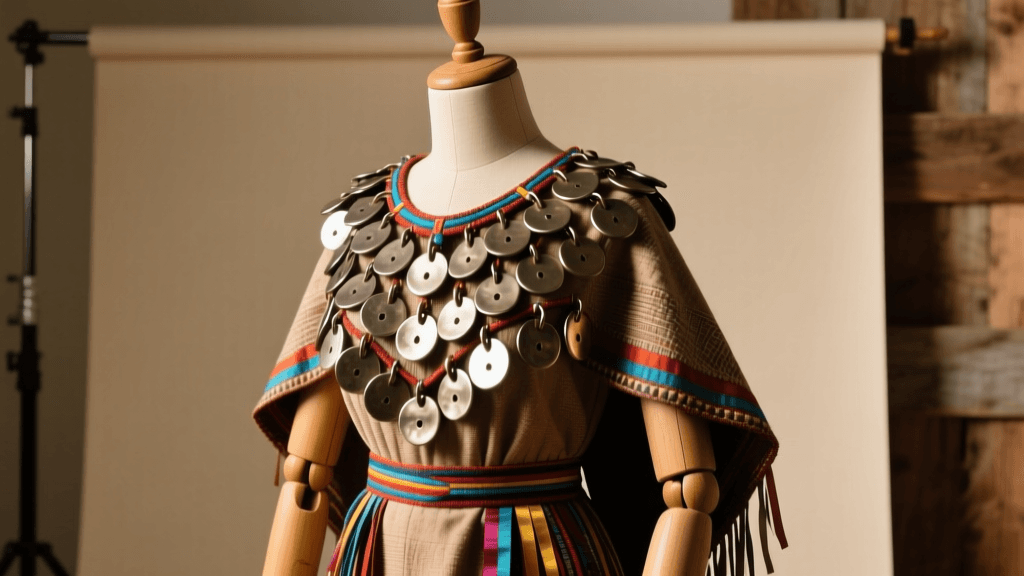
A complete Jingle Dress ensemble is a masterpiece of Indigenous textile art and metalwork. The regalia is not merely a garment; it is a living, sounding instrument. The primary components include:
- The Base Dress: Typically made from wool broadcloth or heavy cotton, designed to withstand significant weight.
- Ribbonwork Appliqué: Intricate geometric or floral patterns created using layered satin or grosgrain ribbons.
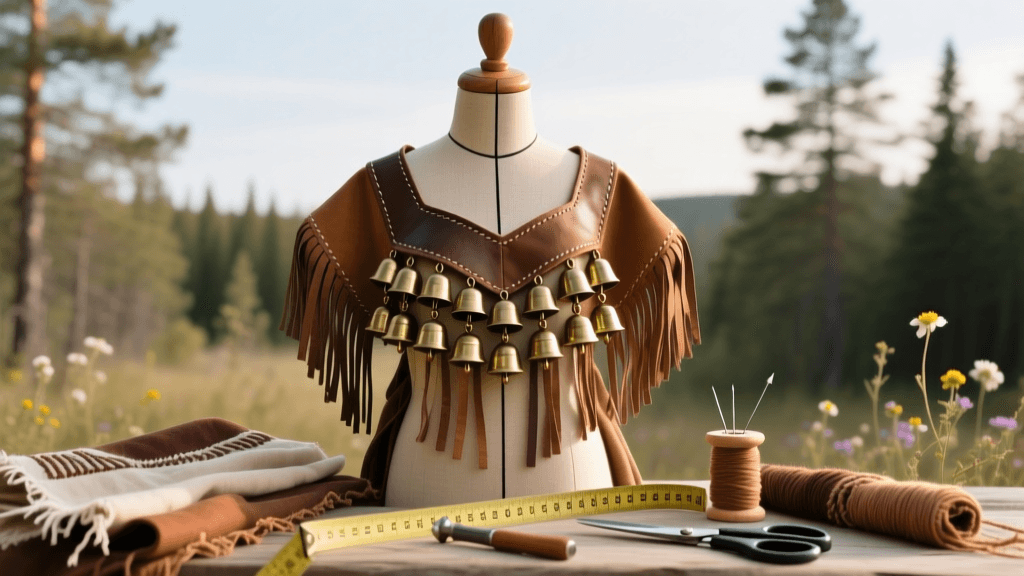
- The Jingles (Cones): Metal tubes or cones sewn in staggered rows across the dress.
- Accessories: Beaded moccasins, a matching beaded belt, a feather or plume fan, and intricate hairpieces or barrettes.
In 2026, the construction of the base dress has become highly specialized. Because a fully adorned adult dress can carry anywhere from 400 to over 700 individual metal cones, the structural integrity of the fabric is paramount. Artisans are increasingly utilizing reinforced shoulder seams and heavy-duty cotton linings to distribute the 15 to 25 pounds of metal weight evenly across the dancer's body.
Sourcing Metals: Traditional Snuff Lids vs. Modern Stamped Cones
The most defining element of the regalia is the jingle itself. Historically, these were crafted by hand-rolling the metal lids of Golden Curve snuff cans into small, cylindrical tubes. The unique density and shape of these vintage snuff lids produce a deep, resonant, and melodic 'shhh-shhh' sound that is highly prized by traditionalists and judges at competition powwows.
However, sourcing authentic vintage snuff lids in 2026 is increasingly difficult and expensive. As a result, the market has bifurcated into two main categories:
1. Vintage and Reproduction Rolled Lids
Some Native metalworkers have begun producing reproduction rolled lids using modern tin and aluminum sheets, mimicking the exact dimensions and acoustic properties of the original snuff cans. Sourcing these requires direct relationships with Indigenous metalsmiths, often found through specialized powwow vendor networks or Indigenous artisan cooperatives online. Expect to pay a premium for the hand-rolled labor, with prices in 2026 averaging between $0.30 and $0.50 per cone.
2. Commercially Stamped Aluminum and Silver-Plated Cones
For the vast majority of dancers, commercially stamped cones are the standard. In 2026, global metal market fluctuations have slightly increased the cost of silver-plated brass cones, while lightweight aluminum remains an affordable alternative. Aluminum cones are favored by younger dancers or those traveling long distances to powwows, as they significantly reduce the overall weight of the garment. However, aluminum produces a higher-pitched, brighter sound compared to the deeper resonance of silver-plated brass or traditional tin.
Fabric Selection and Ribbonwork Techniques
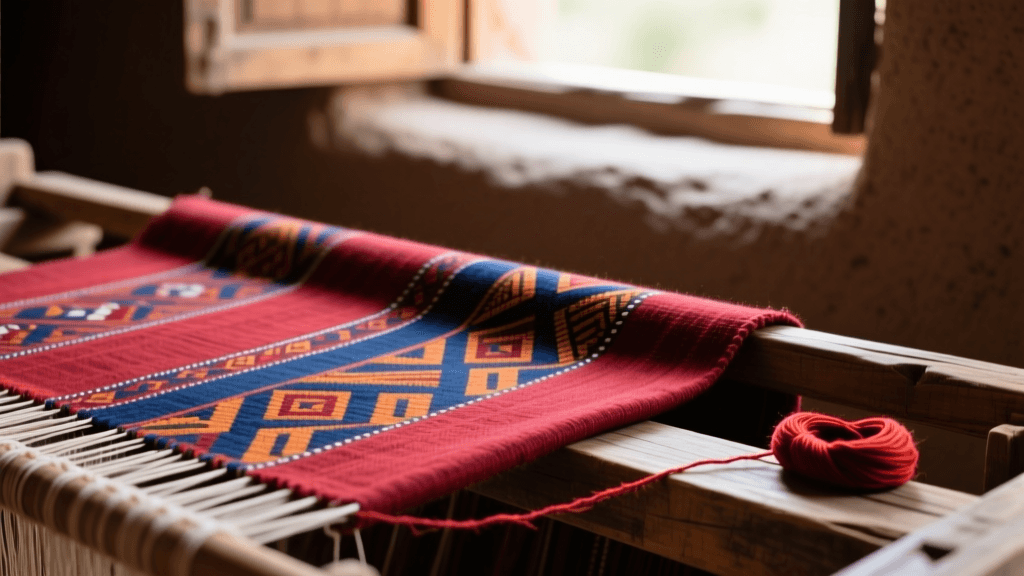
The foundation of the Jingle Dress is the fabric. Wool broadcloth remains the gold standard for traditional regalia. Its dense weave provides the necessary durability to hold the metal cones without tearing, and its natural weight allows the dress to swing gracefully during the side-step dance movements. In 2026, textile inflation has pushed the price of high-quality, imported wool broadcloth to approximately $35 to $45 per yard.
Cotton calico is frequently used for practice dresses, youth regalia, or summer powwows where wool would be unbearably hot. When working with calico, artisans must use interfacing or heavy cotton linings in the areas where jingles are attached to prevent the fabric from sagging or ripping.
Ribbonwork appliqué is the primary decorative element framing the jingles. The 2026 trends in ribbonwork lean heavily toward reverse appliqué techniques, where layers of double-faced satin ribbon are meticulously cut and folded to reveal contrasting colors beneath. This creates sharp, vibrant geometric borders that frame the metal rows. Sourcing high-quality, colorfast satin ribbon is essential, as cheaper alternatives tend to fray and lose their luster after a single season of rigorous powwow travel.
2026 Material Cost and Sourcing Breakdown
Creating a competition-ready Jingle Dress is a significant financial and temporal investment. Below is a structured breakdown of the estimated material costs and sourcing requirements for an adult-sized dress in the 2026 market.
| Material Component | Quantity Needed | 2026 Estimated Cost | Sourcing Notes & Recommendations |
|---|---|---|---|
| Rolled Snuff Lids (Vintage/Repro) | 500 cones | $150 - $250 | Source directly from Native metalsmiths; requires early ordering due to labor-intensive crafting. |
| Stamped Aluminum Cones | 500 cones | $75 - $100 | Widely available at powwow vendors and online Indigenous bead shops; best for lightweight travel. |
| Silver-Plated Brass Cones | 500 cones | $200 - $275 | Premium option for competition; heavier weight, superior acoustic resonance. |
| Wool Broadcloth (Base) | 5 - 7 yards | $175 - $315 | Essential for proper drape and durability; verify wool content to avoid synthetic blends. |
| Satin Ribbon (Appliqué) | 20 - 30 spools | $60 - $90 | Double-faced satin preferred for reverse appliqué; ensure colorfastness for outdoor powwows. |
| Heavy-Duty Cotton Lining | 5 yards | $40 - $60 | Used to reinforce the base fabric and distribute the 20+ lbs of metal weight evenly. |
Construction, Weight, and the Physicality of the Dance
The Jingle Dress Dance requires immense physical endurance. The traditional footwork involves a rhythmic side-step, with the dancer keeping one foot continuously in contact with the earth. This grounded movement is not only a stylistic choice but a spiritual necessity, maintaining the dancer's connection to the earth while the dress acts as a conduit for healing energy.
Because the dress can weigh over 20 pounds, the construction must account for dynamic stress. In 2026, expert seamstresses utilize heavy-duty upholstery thread and double-stitched box pleats to secure the jingles. The cones are typically sewn in staggered, overlapping rows using strong sinew or heavy nylon thread, ensuring that when the dancer moves, the cones strike each other to produce the signature rain-like sound without tangling or tearing the base fabric.
Cultural Protocol and Respect in Sourcing
As interest in Indigenous textile arts continues to grow globally, it is vital to address the cultural protocols surrounding the Jingle Dress. The Jingle Dress is fundamentally a healing garment, deeply tied to Ojibwe spirituality and Indigenous medicine ways. It is not a costume, nor is it appropriate for non-Native individuals to construct, wear, or appropriate the design for fashion purposes.
For Indigenous community members seeking to commission or build their own regalia, the emphasis in 2026 is on supporting the Native economic ecosystem. When sourcing materials, prioritize purchasing from Indigenous-owned bead shops, textile suppliers, and metalworkers. Organizations and platforms dedicated to Native arts, such as those highlighted by the Powwows.com community, frequently maintain directories of vetted Native artisans who specialize in traditional regalia construction.
Furthermore, understanding the history of the dress enhances the respect afforded to it. As detailed in historical retrospectives by institutions like the Smithsonian Magazine, the Jingle Dress survived decades of assimilation policies and bans on Indigenous religious practices. Wearing and dancing the dress today is an act of profound resilience, cultural continuity, and ongoing healing. Whether you are a seasoned competitor on the 2026 powwow trail or a community member preparing your first healing dress, approaching the sourcing and construction process with reverence ensures that the medicine of the Jingle Dress continues to resonate for generations to come.