Jingle Dress Regalia Guide 2026: Materials & Sewing Tips
The Healing Origins of the Jingle Dress
The jingle dress is far more than a stunning display of Native American textile art; it is a profound vessel of healing, prayer, and cultural resilience. Originating among the Ojibwe (Anishinaabe) people of the Great Lakes region in the early 20th century, the jingle dress dance was revealed in a dream as a medicine dance to heal a sick child. Today, as we navigate the 2026 powwow season, the jingle dress remains one of the most revered and visually striking categories of Indigenous women's regalia. According to the Smithsonian National Museum of the American Indian, the dance and its accompanying garments have spread across North America, evolving into a pan-Indigenous symbol of spiritual strength and community wellness.
For garment makers, seamstresses, and dancers preparing for the 2026 powwow circuit, constructing a jingle dress requires a meticulous understanding of weight distribution, textile durability, and acoustic engineering. This comprehensive guide will walk you through the exact materials, measurements, and sewing techniques required to build a competition-ready, culturally respectful jingle dress this year.
Sourcing Authentic Jingles (Ziibaaska'iganan) in 2026
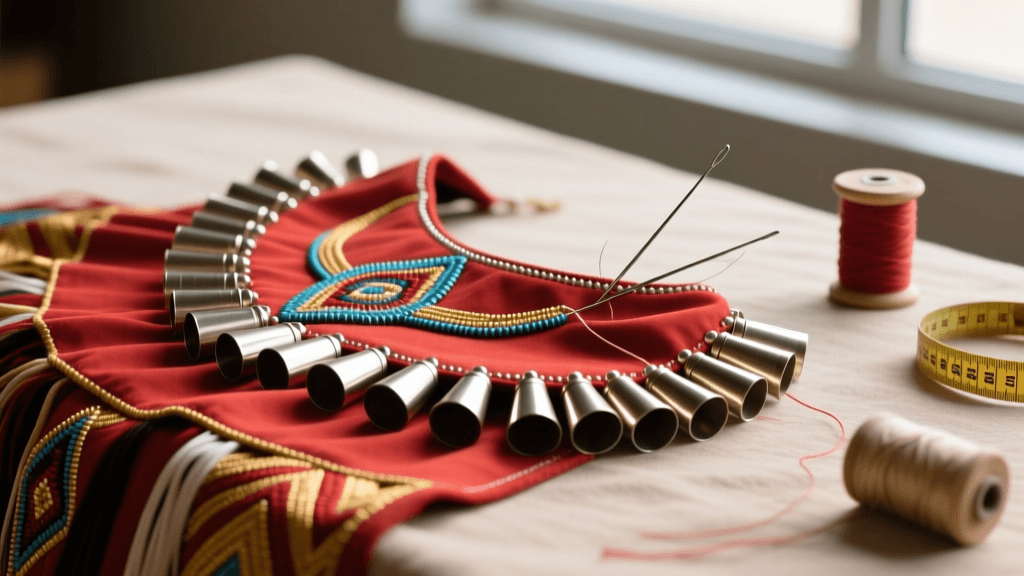
The defining feature of the regalia is the jingle, known in Ojibwe as ziibaaska'iganan. Historically, these were crafted by rolling the lids of snuff cans into small, hollow cones. While modern artisans occasionally replicate this historical method for specialized traditional dresses, the vast majority of contemporary powwow dancers utilize commercially stamped and rolled metal cones.
As of 2026, global supply chain shifts and metal tariffs have slightly increased the cost of imported stamped steel, making it vital to budget accurately for your regalia. When sourcing jingles, you must avoid plastic or cheap aluminum substitutes, which lack the resonant, rain-like acoustic profile required for the dance. The Minnesota Historical Society notes that the specific metallic resonance is intrinsically tied to the healing nature of the song and dance.
2026 Jingle Cone Comparison Chart
| Material | Sound Profile | 2026 Avg Cost (per gross/144pcs) | Durability & Notes |
|---|---|---|---|
| Rolled Steel (Standard) | Bright, sharp, traditional rain-like resonance | $55 - $75 | High; prone to rust if stored wet. Requires thorough drying. |
| Brass / Copper | Deeper, warmer, slightly muted tone | $90 - $130 | Very High; develops a natural patina over time. Heavier than steel. |
| Aluminum | Higher pitch, lighter, less resonant | $30 - $45 | Medium; lightweight but easily dents. Not recommended for serious competition. |
| Plastic / Acrylic | Dull clicking, lacks acoustic carry | $15 - $25 | Low; strictly for children's practice dresses or costume use. Avoid for regalia. |
Fabric Selection and 2026 Textile Trends
The base fabric of a jingle dress must withstand immense lateral tension. A fully loaded adult dress can feature between 365 and 450 metal cones. At roughly 1.5 to 2 grams per rolled steel cone, the metalwork alone adds 1.5 to 2 pounds of sheer, swinging weight to the garment, not including the heavy beadwork and appliqué.
For the 2026 powwow season, heavy-weight cotton broadcloth and wool-blend gabardine remain the gold standards for the dress base. These tightly woven textiles resist fraying and provide a sturdy anchor for the jingles. While satin and taffeta are occasionally used for decorative yokes or sleeves, they are entirely unsuitable for the main skirt where the cones are attached.
A major trend in 2026 is the integration of custom digital-printed broadcloth, allowing dancers to incorporate specific floral motifs or family clan symbols directly into the fabric weave. However, traditional ribbon appliqué—using high-quality polyester or silk-blend grosgrain—remains the most respected and visually striking method for patterning the dress. Plan to purchase between 5 to 7 yards of 60-inch wide base fabric, depending on the dancer's height and desired hem circumference.
Precision Measurements and Cone Spacing
The acoustic magic of the jingle dress relies entirely on the spacing of the cones. If they are too close, they tangle and produce a muffled clatter. If they are too far apart, the iconic "rain" sound is lost. Powwows.com emphasizes that the visual rhythm of the cones must match the rhythmic footwork of the dancer.
- Optimal Spacing: Cones should be spaced exactly 1 inch to 1.25 inches apart horizontally across the rows.
- Row Spacing: Vertical rows should be staggered and spaced 2.5 to 3 inches apart to allow the cones to swing freely without catching on the row above them.
- Cone Count: A standard adult dress requires roughly 365 cones (representing one for each day of the year), though many modern competition dancers use upwards of 400 to 500 cones for a denser sound and visual impact.
- Stringing Material: Do not use standard cotton thread to attach the cones. Use heavy-duty waxed nylon cord, sinew, or 10lb test braided fishing line. In 2026, UV-resistant braided polyethylene cord is highly recommended for its immense tensile strength.
Structural Reinforcement: Sewing for Weight and Movement
The most common mistake novice regalia makers make is sewing the jingles directly onto the broadcloth without internal reinforcement. The centrifugal force generated during the fast, syncopated footwork of the jingle dance will quickly tear through unreinforced cotton, leading to dropped cones and ruined fabric.
The Grosgrain Anchor Technique
To properly construct the skirt, you must use the internal anchor method:
- Cut strips of 1-inch wide, heavy-duty grosgrain ribbon or cotton twill tape to match the exact width of your skirt panels.
- Pin the ribbon to the inside of the skirt, aligning it with your pre-marked horizontal rows.
- Using a heavy-duty denim needle (Size 100/16 or 110/18) and bonded nylon upholstery thread, stitch the grosgrain ribbon to the broadcloth using a wide zigzag stitch or a double row of straight stitching.
- When attaching the cones, pass your waxed cord through the broadcloth and the internal grosgrain ribbon. Tie off the cord securely on the inside against the ribbon, never against the broadcloth alone.
This technique transfers the kinetic stress of the swinging metal away from the woven threads of the broadcloth and onto the structural ribbon, ensuring the dress survives multiple seasons of rigorous competition.
Completing the Regalia: Beadwork and Accessories
A jingle dress is never worn in isolation; it is part of a comprehensive regalia ensemble. The beadwork must complement the dress without overwhelming it. In 2026, fully beaded yokes, cuffs, and headbands featuring traditional Woodland floral patterns or geometric Plains designs are highly prized in competition circuits.
- The Belt: A fully beaded or loom-worked belt is essential to cinch the waist and support the weight of the skirt. Many dancers now use wide leather belts backed with felt to prevent the heavy beadwork from sagging.
- Moccasins: Hard-soled, fully beaded moccasins are standard. Ensure the soles are made of thick leather or modern rubberized hybrids to withstand the hard impacts of gymnasium and arena floors.
- The Purse: A beaded purse, often featuring a long fringe or additional jingles, is carried or worn on the arm. It must be secured tightly so it does not interfere with the dancer's footwork.
- Feather Fans: Dancers typically carry an eagle or turkey feather fan. Due to strict 2026 wildlife permitting and tribal enrollment requirements for eagle feathers, many artisans are turning to ethically sourced, hand-dyed turkey and goose feathers that mimic the look of eagle plumage while remaining fully compliant with federal regulations.
Powwow Etiquette and Garment Care
Caring for a jingle dress extends beyond physical maintenance; it requires spiritual and cultural respect. The dress is considered a living entity with its own medicine.
"Never let your jingle dress touch the floor when it is not being worn, and never step over it. If a jingle falls off during a dance, it must be replaced immediately, as the medicine of the dress relies on its completeness." — Ojibwe Elder and Powwow Matriarch
After every powwow, hang the dress on a heavy-duty, padded hanger in a climate-controlled room. Do not fold it, as the metal cones will crease the fabric and the strings will tangle. If the dress becomes damp from rain or sweat, use a high-velocity fan to dry the metal cones immediately to prevent rust stains from bleeding into your expensive broadcloth. Lightly oil the steel cones once a year with a microfiber cloth dampened with mineral oil to preserve their shine and acoustic clarity.
By respecting both the ancestral traditions and the modern engineering required to build a jingle dress, you ensure that the healing song of the ziibaaska'iganan continues to ring out clearly across Indian Country for generations to come.