Crafting Jingle Dress Regalia in 2026: Materials & Powwow Trends
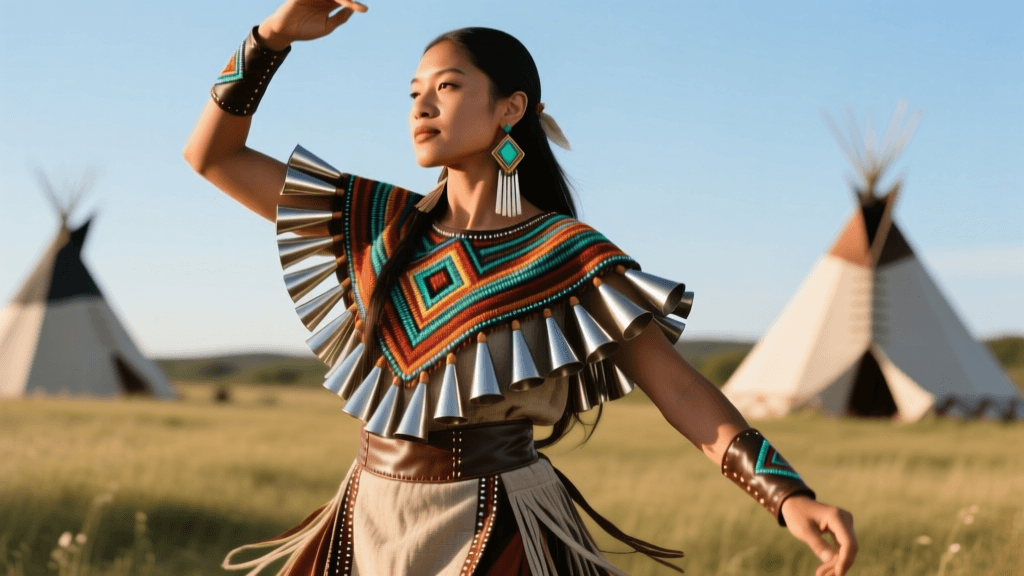
The Sacred Origins and Evolution of the Jingle Dress
The jingle dress, known in the Ojibwe language as ziibaaska'igan-agaming, is far more than a vibrant powwow contest category; it is a profound symbol of healing, resilience, and Indigenous identity. Originating among the Anishinaabe people in the early 20th century—often traced to the White Earth Nation and the era of the 1918 influenza pandemic—the dress was born from a healing vision. According to oral histories, a medicine man was given a vision of a dress adorned with metal cones that, when danced in a specific, gliding step, would produce a sound like rain on a tin roof, bringing healing to his ailing daughter.
Today, as we navigate the 2026 powwow circuit, the jingle dress has evolved from a strictly regional healing ceremony into a pan-Indigenous phenomenon. Dancers from coast to coast honor the dress's medicinal roots while showcasing incredible artistry, geometric appliqué, and dynamic footwork. Whether you are a first-time maker or an experienced seamstress updating your regalia for the 2026 season, understanding the intersection of traditional protocols and modern textile innovations is essential.
Sourcing Metal Cones: 2026 Market Realities
The defining feature of the regalia is the ziibaaska'igan, or jingle. Traditionally made from rolled tobacco tin lids, today's cones are crafted from a variety of metals. A standard adult dress requires anywhere from 200 to 400 cones, depending on the tier design and the dancer's height.
In 2026, the supply chain for traditional rolled tin has seen shifts, prompting many artisans to explore alternative metals. While stamped, machine-made cones are widely available and affordable, hand-rolled cones remain the gold standard for their superior acoustic resonance. When sourcing materials, reputable Indigenous-owned suppliers and established trading posts like Crazy Crow Trading Post offer ethically sourced, high-quality metal cones that support Native economies.
Cone Sizing and Acoustic Profiles
- 2.5-Inch Cones: Ideal for youth dresses, yoke detailing, and dancers who prefer a higher-pitched, rapid tinkling sound during fast contest beats.
- 3-Inch Cones: The standard for adult women's regalia. These produce the deep, resonant 'rain' sound that carries across large outdoor arenas and indoor gymnasiums.
- Copper and Brass Alternatives: A major trend for 2026. Due to global tin shortages, many makers are utilizing rolled copper and brass. These metals offer a warmer, richer tone and develop a beautiful natural patina over time, though they are slightly heavier than aluminum or tin.
Fabric Selection: Balancing Tradition and Movement
The silhouette of a jingle dress is typically an A-line or shift dress with a flared skirt to allow for the signature side-step and sweeping turns. The choice of fabric dictates not only the visual impact of the regalia but also how the cones interact with the material during the dance.
For the 2026 powwow season, sustainability and breathability are at the forefront of textile choices. Many dancers are opting for organic cotton blends and high-performance, moisture-wicking linings to combat the intense heat of late-summer outdoor powwows.
| Fabric Type | Best Application | 2026 Avg Cost/Yard | Movement & Acoustic Quality |
|---|---|---|---|
| Cotton Broadcloth | Traditional / Healing | $12 - $18 | Moderate flare, structured, traditional matte finish |
| Poly-Satin Blend | Contest / Exhibition | $15 - $25 | High fluidity, flashy under arena lights, soft rustle |
| Silk Taffeta | Contemporary / Youth | $22 - $35 | Crisp structure, loud fabric rustle that complements cones |
| Recycled Poly-Chiffon | Overlays / Capes | $10 - $16 | Ethereal movement, lightweight, eco-friendly 2026 trend |
Construction Techniques: A Maker's Guide
Constructing a jingle dress requires precision, patience, and heavy-duty sewing equipment. The weight of hundreds of metal cones can easily tear standard seams, making reinforcement critical.
Pattern and Measurements
When measuring for a jingle dress, always measure in the dancer's powwow footwear (typically beaded moccasins with a slight heel or specialized arena soles). The hem should fall exactly one to two inches above the floor to prevent stepping on the dress during the low, gliding footwork. The yoke should be fitted but allow for a full range of arm motion, as many dancers carry feather fans or prayer shawls.
Attaching the Cones
The most common method for attaching cones involves using heavy-duty nylon or upholstery thread, doubled over for security. Cones are typically spaced 1.5 to 2 inches apart horizontally, arranged in staggered rows or geometric patterns like chevrons and diamonds.
To prevent the sharp edges of the metal from slicing the fabric over time, many 2026 makers use a small piece of clear silicone tubing or a dab of flexible fabric glue on the inside of the cone where the thread loops through. Additionally, tying the cones with satin ribbon rather than thread is a popular contemporary technique that adds a secondary layer of visual movement and color-blocking.
2026 Powwow Trends: Aesthetics and Footwear
The 2026 powwow season has seen a massive resurgence in bold, geometric appliqué work. Inspired by Woodland floral patterns and Plains geometric beadwork, dancers are using laser-cut felt and metallic ribbon to create striking yoke designs that contrast sharply with the base fabric. Color-blocking—pairing deep jewel tones like emerald and sapphire with vibrant neon accents—is highly popular in the women's contest categories.
Footwear has also seen technological upgrades. While traditional brain-tanned or commercial leather moccasins remain the standard, the realities of dancing on modern arena floors (which can be abrasive or slippery) have led to the integration of hidden, high-traction rubber soles and memory foam insoles. This allows dancers to maintain the traditional aesthetic while protecting their joints during grueling multi-day powwow weekends.
Dance Etiquette and Respecting the Regalia
Because the jingle dress is fundamentally a healing dress, specific protocols surround its wear and display. According to the National Museum of the American Indian's educational resources, powwow etiquette dictates that regalia is deeply personal and sacred. Spectators should never touch a dancer's jingles, feathers, or beadwork without explicit permission. The oils and salts from human hands can tarnish metals and degrade delicate fabrics.
Furthermore, if a cone falls off or a feather drops during a dance, it is considered a significant event. Powwow arena directors and veterans will often halt the proceedings to conduct a pickup ceremony, ensuring the sacred item is returned to the dancer with the proper prayers and respect. As contemporary media outlets like ICT News frequently highlight, educating younger generations and non-Indigenous spectators on these protocols is a vital part of modern powwow culture.
Caring for and Storing Your Jingle Dress
Proper maintenance ensures your regalia lasts for generations. After every powwow weekend, the dress should be hung in a well-ventilated area to air out. Sweat and humidity are the enemies of metal cones, leading to rapid rusting, especially on older tin or steel variants.
- Rust Prevention: Lightly mist the cones with a silicone-based anti-rust spray or wipe them down with a dry microfiber cloth immediately after dancing.
- Detangling: Cones will inevitably tangle during travel. Never pull them apart forcefully. Lay the dress flat and gently work the ribbons and cones apart from the bottom tier upward.
- Storage: Do not fold the dress for long-term storage, as this will create permanent creases in the fabric and bend the ribbons. Use a padded hanger and store the dress in a breathable cotton garment bag, away from direct sunlight which can fade vibrant 2026 dye lots.
Crafting and dancing the jingle dress is a lifelong commitment to community, health, and cultural continuity. By honoring traditional construction methods while embracing the textile innovations of 2026, makers ensure that the healing sound of the rain will echo through powwow arenas for generations to come.