Understanding Mormon Garments: Meaning, Purpose & 2026 Styles
Introduction to LDS Temple Garments
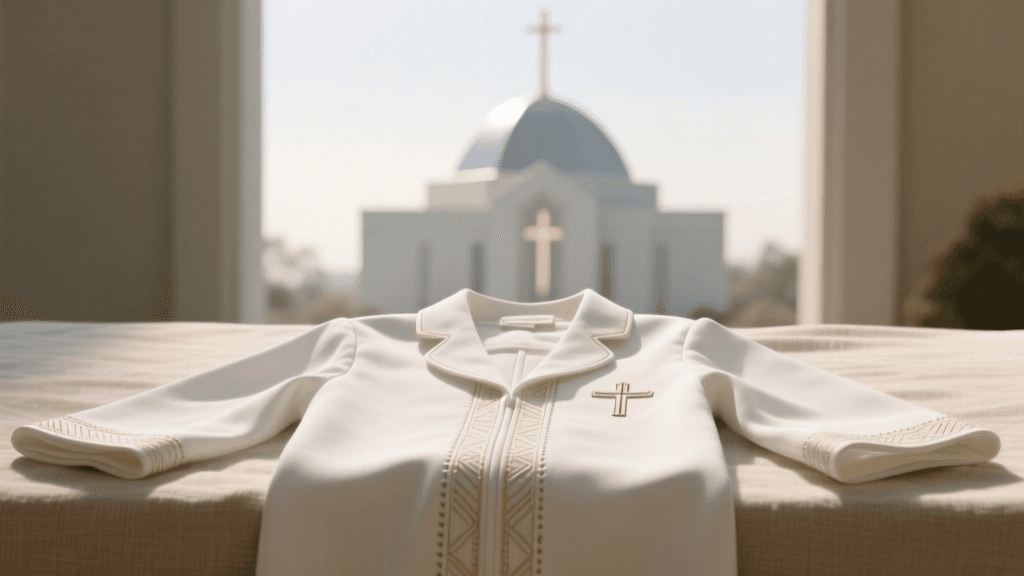
For members of The Church of Jesus Christ of Latter-day Saints, the temple garment is a deeply sacred and deeply personal article of clothing. Often referred to colloquially as 'Mormon garments' or 'temple underwear,' these garments are worn day and night by endowed members of the faith. Far from being a mere cultural quirk or a simple dress code, the garment represents a profound spiritual commitment. As we navigate the modern landscape of religious apparel in 2026, understanding the theological meaning, historical traditions, and contemporary styles of LDS temple garments provides essential insight into the lived experience of millions of Latter-day Saints across the Americas and the globe.
The Spiritual Meaning and Purpose
The primary purpose of the temple garment is to serve as a constant, physical reminder of the covenants (sacred promises) made by members inside Latter-day Saint temples. According to the official Gospel Topics essay on Temple Garments published by the Church, the garment 'provides a constant reminder of the covenants they have made' and serves as 'a symbol of their commitment to follow Jesus Christ.'
Theologically, the garment is viewed as spiritual armor. It is not believed to possess magical or physical protective properties that override the laws of nature or human agency. Instead, it offers spiritual protection by prompting the wearer to make righteous choices, maintain modesty, and remember their divine identity and relationship with God. The act of putting on the garment each morning is considered a renewing ritual, grounding the wearer in their faith before they face the challenges of the day.
Historical Context and Traditions
The tradition of wearing sacred underclothing dates back to the early 1840s in Nauvoo, Illinois, when the faith's founder, Joseph Smith, introduced the temple endowment ceremony. The original garments were one-piece, full-length union suits that extended to the wrists and ankles, reflecting the modest undergarment styles of the 19th century. They were crafted from unbleached cotton or linen and featured specific woven marks that held symbolic meaning tied to the endowment ceremony.
Over the decades, the style of the garment has evolved to accommodate changing societal norms, climate needs, and practical realities. In the 1920s and 1930s, the Church authorized shorter sleeves and legs. By the mid-20th century, the one-piece suit was largely replaced by the modern two-piece set (a t-shirt and shorts or briefs) that is standard today. This evolution demonstrates a living tradition that adapts to the practical needs of its adherents while preserving the core spiritual symbolism.
Understanding the Sacred Marks
Woven or embroidered into the fabric of the garments are specific marks that hold deep allegorical meaning for the wearer. While the exact nature of the temple ceremonies is kept sacred and private by Church members, the general symbolism of the marks has been discussed in public Church manuals. These marks typically represent concepts such as the compass (guiding one's life), the square (moral exactness and integrity), the navel (spiritual nourishment and connection to the divine), and the knee (reverence and prayer). For the wearer, these marks transform a simple piece of clothing into a wearable scripture.
Addressing Cultural Misconceptions
Because the garment is worn beneath regular clothing and its sacred nature is not openly discussed in casual settings, it has historically been the subject of public misunderstanding and media caricature. The derogatory term 'magic underwear' is deeply offensive to Latter-day Saints, as it trivializes a sacred covenant and misrepresents the theology. The Church has made significant efforts in recent years, including through updated digital resources and transparency initiatives, to clarify that garments are akin to the religious habits worn by Catholic nuns, the kippah worn by Jewish men, or the hijab worn by Muslim women—outward or inward expressions of devotion, modesty, and religious identity.
2026 Garment Styles and Fabric Options
As of 2026, the Church offers a highly diverse catalog of garment styles and fabrics to accommodate different climates, body types, and lifestyle needs. Recent years have seen a major push for inclusivity and comfort, resulting in expanded options for women (including various necklines and sleeve lengths), maternity panels, and specialized youth garments for endowed teenagers. Below is a breakdown of the primary fabric options available in the 2026 distribution catalog.
| Fabric Type | Best Use Case | Key Features | 2026 Price Range (USD) |
|---|---|---|---|
| Cotton | Everyday wear, cooler climates | Breathable, classic feel, durable | $8.00 - $11.00 |
| Modal | Sensitive skin, year-round | Ultra-soft, resists shrinking, smooth | $10.00 - $13.00 |
| Stretch Mesh | Hot climates, summer months | Lightweight, high airflow, cooling | $11.00 - $14.00 |
| Performance Blend | Athletics, travel, high humidity | Moisture-wicking, quick-dry, odor-resistant | $12.00 - $16.00 |
| Cotton-Poly Blend | Budget-friendly, high durability | Wrinkle-resistant, easy care | $7.50 - $10.00 |
For women, the 2026 catalog continues to offer low-neckline, scooped, and cap-sleeve options, allowing members to wear modern professional and evening attire while remaining faithful to their covenants. Maternity garments with expandable belly panels and nursing-friendly designs are also widely available, reflecting the Church's ongoing commitment to supporting women through all stages of life.
How to Purchase Garments in 2026
Purchasing temple garments is restricted to members who have received their temple endowment and hold a current, valid temple recommend. This policy ensures that the sacred nature of the clothing is respected and that it is only sold to those who understand its significance.
In 2026, the most convenient way to purchase garments is through the official Church distribution store online. Members log in using their Church Account, which automatically verifies their temple recommend status. Once verified, they can browse the full catalog, select their preferred fabrics, styles, and sizes, and have them shipped directly to their home or to a local distribution center.
Additionally, physical Church Distribution centers located near temples and in major metropolitan areas (such as Salt Lake City, Los Angeles, and New York) allow members to try on different sizes and purchase garments in person. Some authorized Deseret Book locations also carry a limited selection of basic garment styles for emergency or travel needs.
Proper Care and Respectful Disposal
Because the garment is considered sacred, members are instructed to treat it with respect throughout its lifecycle. When washing, garments should be laundered with regular clothing, though members are encouraged to use care to prevent damage to the fabric and the sacred marks. Bleach is generally avoided to preserve the integrity of the embroidered symbols.
When a garment becomes worn out, torn, or no longer usable, it cannot simply be thrown into the regular trash or donated to thrift stores. The official 2026 guidelines dictate that the garment must be cut up or destroyed in a way that removes the sacred marks and renders it unrecognizable as a temple garment. The remnants can then be respectfully discarded in the regular waste stream. This practice ensures that the sacred symbols are never treated with disrespect or exposed to public view in a degraded state.
Conclusion
The Mormon temple garment is far more than a piece of clothing; it is a profound expression of faith, a private covenant, and a daily spiritual anchor for millions of Latter-day Saints. As the Church continues to update its 2026 catalog with more inclusive, comfortable, and climate-appropriate options, the core purpose of the garment remains unchanged. It stands as a quiet, personal testament to the wearer's dedication to Jesus Christ and the sacred promises they have made in the house of the Lord.