Jingle Dress Regalia: Sourcing Ethical Cones & Fabrics in 2026
The Enduring Legacy and Protocol of the Jingle Dress
The Jingle Dress dance is far more than a vibrant display of movement and color; it is a profound healing ceremony and a sacred tradition rooted deeply in Ojibwe culture. Originating from the Mille Lacs Band of Ojibwe in the early 20th century, the dance was gifted through a vision to heal a sick child. Today, as we navigate the 2026 powwow season, the Jingle Dress remains a powerful symbol of Indigenous resilience, prayer, and medicine. According to the PBS Native America educational archives, the dress and its accompanying dance have evolved into a pan-Indigenous practice, yet its core spiritual mandate remains unchanged: to bring healing to the sick, the community, and the earth.
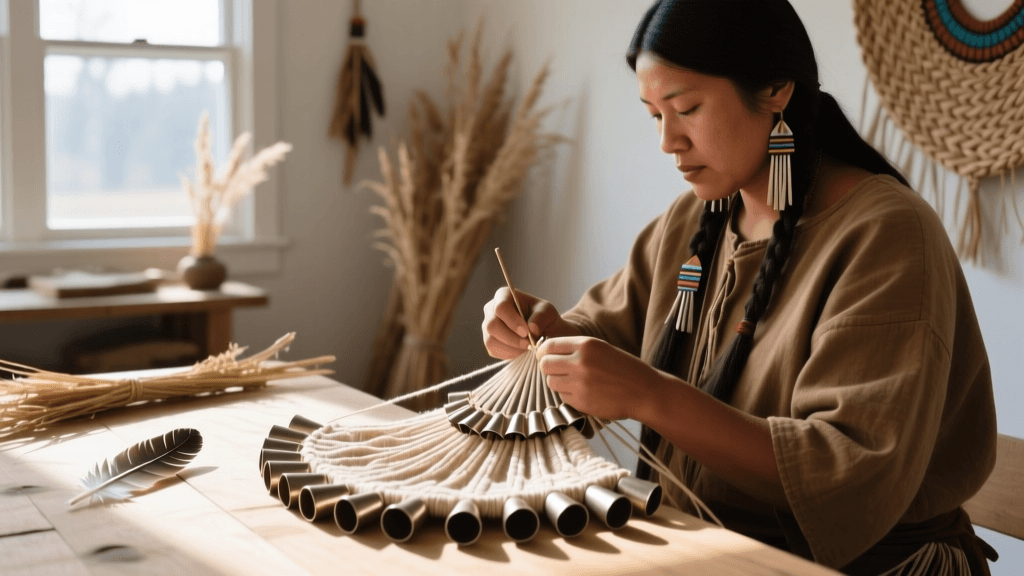
For Indigenous artisans, dancers, and families preparing for the 2026 powwow circuit, creating a Jingle Dress requires meticulous attention to both cultural protocol and material quality. The regalia is not merely a garment; it is a living entity. Every element, from the fabric to the metal cones—known as ziibaaska'iganan—must be sourced, handled, and assembled with respect. In 2026, there is a growing movement among Native artisans to move away from mass-produced, imported materials and instead prioritize ethical supply chains, Native-owned businesses, and sustainable textiles. This guide explores how to source the finest, most respectful materials for your Jingle Dress regalia this year.
Sourcing Ethical Metal Cones (Ziibaaska'iganan)
The defining feature of the Jingle Dress is its sound. The rhythmic, rain-like shushing of the metal cones striking one another is the literal heartbeat of the healing medicine. Historically, these cones were rolled from the lids of snuff cans or baking powder tins. While traditional rolled tin is still used and revered for its soft, muted acoustic profile, the 2026 market offers a variety of metals, each with distinct sonic and aesthetic properties.
When sourcing cones in 2026, it is highly recommended to purchase directly from Native-owned metalworkers and regalia suppliers. Mass-produced cones imported from overseas often lack the proper rolled tension, resulting in a harsh, clanking sound rather than the desired soothing whisper. Supporting Indigenous artisans ensures that the medicine of the dress begins with ethical economic practices within the community. The Native Arts and Cultures Foundation frequently highlights and supports Indigenous makers who are keeping traditional metallurgy and regalia-making alive, providing excellent directories for finding authentic suppliers.
2026 Metal Cone Comparison Guide
| Material | Acoustic Profile | Durability & Weight | Best Use Case |
|---|---|---|---|
| Rolled Tin | Soft, muted, traditional 'rain' sound | Lightweight, prone to oxidation | Traditionalists, elder dancers, historical accuracy |
| Stainless Steel | Brighter, sharper, carries over drums | Heavy, highly durable, rust-proof | Competitive powwow dancers, outdoor venues |
| Copper | Warm, resonant, deep tonal quality | Medium weight, develops a natural patina | Artistic regalia, specialized healing ceremonies |
| Brass | High-pitched, crisp, melodic chime | Medium-heavy, requires occasional polishing | Fancy Shawl crossover styles, youth dancers |
Note: A standard adult Jingle Dress requires between 365 and 400 cones, representing the days of the year. When ordering from Native smiths in 2026, expect lead times of 4 to 8 weeks due to the hand-rolled nature of authentic cones.
Selecting Sustainable and Traditional Fabrics
The foundation of the Jingle Dress is the fabric. Traditionally, broadcloth, calico, and velvet have been the materials of choice, valued for their durability, drape, and ability to hold the heavy weight of hundreds of metal cones. However, the environmental impact of synthetic poly-blends has led many 2026 regalia makers to seek out sustainable, high-quality natural fibers.
For the main body of the dress, 100% cotton broadcloth remains a staple. In 2026, several Native-owned textile cooperatives have begun offering organically grown, naturally dyed cottons that reduce the environmental footprint of the garment while providing the necessary structural integrity. For the yoke and accent panels, sustainable wool blends and upcycled vintage velvets are highly sought after. Upcycling not only aligns with traditional Indigenous values of zero waste and resourcefulness but also imparts a unique, storied history to the regalia.
Ribbonwork appliqué is another critical element. When sourcing satin or grosgrain ribbons, look for suppliers that offer colorfast, fray-resistant options. The vibrant geometric patterns of Ojibwe and Woodlands floral appliqué require ribbons that can withstand the rigorous movement of the dance without fraying at the edges. In 2026, laser-cutting services offered by specialized Indigenous design studios have become a popular way to achieve flawless, sealed edges on complex floral appliqué patterns, saving countless hours of hand-sewing while ensuring longevity.
Beadwork and Ethical Supply Chains
While the cones provide the sound, the beadwork provides the visual narrative. The yoke, belt, and accessories of a Jingle Dress are often adorned with intricate beadwork. The global supply chain for glass seed beads is dominated by manufacturers in the Czech Republic and Japan (such as Miyuki and Toho). While these are industry standards for their uniformity and brilliance, the 2026 ethos emphasizes how and from whom you purchase these materials.
Instead of buying from massive, non-Native corporate craft stores, artisans are increasingly turning to Indigenous-owned bead shops and online Native marketplaces. These businesses often import directly from manufacturers in bulk, ensuring authenticity (avoiding the cheap, easily-faded knock-offs that flooded the market in previous years) while keeping profits within the Native community. Furthermore, sourcing your backing material—such as brain-tanned or commercially smoked buckskin, or heavy-duty natural canvas—from Native harvesters and tanners ensures that the entire garment honors traditional ecological knowledge.
2026 Cost Breakdown for a Complete Regalia Set
Building a Jingle Dress is a significant financial and temporal investment. Below is an estimated budget for sourcing high-quality, ethically produced materials for an adult-sized regalia set in 2026. Prices reflect current market rates for premium, Native-sourced goods.
| Component | Material Specification | Estimated 2026 Cost (USD) |
|---|---|---|
| Metal Cones (400 ct.) | Hand-rolled Stainless Steel or Tin | $180 - $320 |
| Main Fabric (8-10 yards) | Heavyweight Organic Cotton Broadcloth | $120 - $160 |
| Accent Fabric (3-4 yards) | Upcycled or Sustainable Velvet | $80 - $150 |
| Ribbon & Appliqué | Colorfast Grosgrain (Assorted widths) | $60 - $90 |
| Seed Beads (1/2 kg) | Czech Charlotte or Miyuki 11/0 | $70 - $110 |
| Hardware & Thread | Heavy-duty nylon, sinew, snaps, zippers | $40 - $60 |
| Total Estimated Materials | Excludes labor and specialized tools | $550 - $890 |
Caring for Your Regalia and Honoring the Medicine
Once your Jingle Dress is complete, proper care is essential to preserve both the physical materials and the spiritual medicine it carries. According to cultural teachings documented by the Smithsonian Magazine, the regalia should be treated with the same reverence as a living relative.
- Storage: Never store your Jingle Dress in plastic bags, which can trap moisture and cause the metal cones to oxidize or the natural fabrics to mildew. Use a breathable cotton garment bag and store it in a cool, dry place. Include natural cedar blocks or dried sage to deter pests and maintain a pleasant scent.
- Cleaning: Avoid machine washing the fully assembled dress, as the agitation will damage the appliqué and dull the cones. Spot clean the fabric with a gentle, natural soap. If the cones become tarnished, gently polish them with a soft cloth, avoiding harsh chemical dips that can strip the metal's protective patina.
- Protocol: Always lay your regalia out on a clean blanket or cloth when dressing. Never let the dress touch the bare ground. If the dress requires repairs, approach the task with a good mind and a clear heart, as the energy you put into the mending becomes part of the dress's healing power.
Conclusion
As the 2026 powwow season unfolds, the Jingle Dress continues to be a beacon of healing and cultural pride. By making intentional choices about where and how we source our metal cones, fabrics, and beadwork, we do more than just create a beautiful garment. We support Indigenous economies, promote environmental sustainability, and ensure that the medicine of the Jingle Dress remains potent and pure for the next seven generations. Whether you are a seasoned dancer or a maker creating your first dress, remember that every stitch and every rolled cone is a prayer made tangible.