Japanese Wedding Kimono Guide: Shiromuku, Uchikake, Costs
The Elegance of the Hanayome Ishō (Bridal Wardrobe)
Japanese weddings are a profound synthesis of ancient Shinto rituals and contemporary celebrations. At the heart of this cultural milestone is the hanayome ishō, or bridal wardrobe, which represents one of the most intricate and symbolic textile traditions in Asia. Unlike Western bridal fashion, which typically centers on a single white gown, a traditional Japanese bride may change outfits multiple times throughout her wedding day, transitioning from solemn religious ceremonies to joyous evening receptions. Understanding the layers, textiles, and cultural significance of these garments is essential for anyone studying Asian traditions or planning a traditional Japanese wedding.
Shiromuku: The Pure White Nuptial Kimono
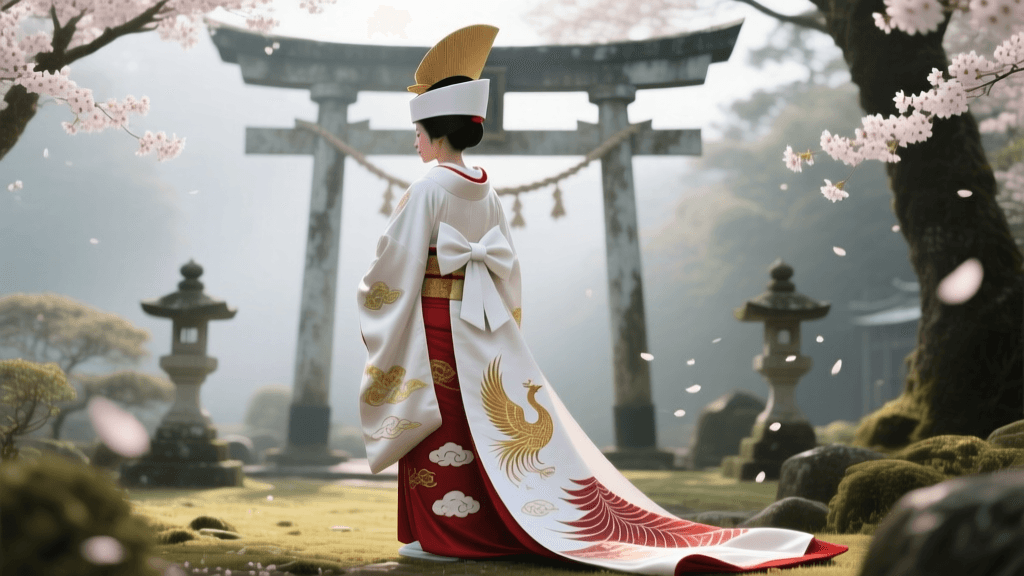
The cornerstone of the Shinto wedding ceremony is the Shiromuku (白無垢), a pure white ensemble that symbolizes absolute purity, maidenhood, and the bride's willingness to be "dyed" in the colors and traditions of her new family. According to the spiritual guidelines outlined by Meiji Jingu Shrine, one of Tokyo's most prominent venues for Shinto weddings, the white attire reflects a state of spiritual cleanliness required when standing before the Kami (Shinto deities).
The Shiromuku is not merely a single garment but a complex layering of textiles. It typically consists of a kakeshita (a formal under-kimono with a trailing hem), a maru obi or heavily brocaded fukuro obi (sash), and the uchikake (the outer overcoat). As noted by The Metropolitan Museum of Art, the structural layering of the kimono evolved over centuries, with the Edo period solidifying the use of the padded, trailing uchikake as the ultimate marker of aristocratic and bridal formality. The hem of the Shiromuku's uchikake is heavily padded with cotton wadding (fukinori), which can weigh up to 1.5 kilograms, ensuring the fabric trails elegantly across the tatami mats or shrine grounds.
The Symbolic Headpieces
The Shiromuku is paired with one of two traditional white headpieces:
- Wataboshi (綿帽子): A voluminous, padded white silk hood that completely covers the bride's hair and shoulders. It functions similarly to a Western bridal veil, shielding the bride from evil spirits and hiding her face from everyone except the groom until the ceremony concludes.
- Tsunokakushi (角隠し): A stiff, folded white silk band worn around the forehead. Translating to "horn-hider," it symbolically conceals the "horns" of jealousy and ego, representing the bride's resolve to become a gentle and obedient wife.
Iro-Uchikake and Hiki-Furisode: The Reception Wardrobe
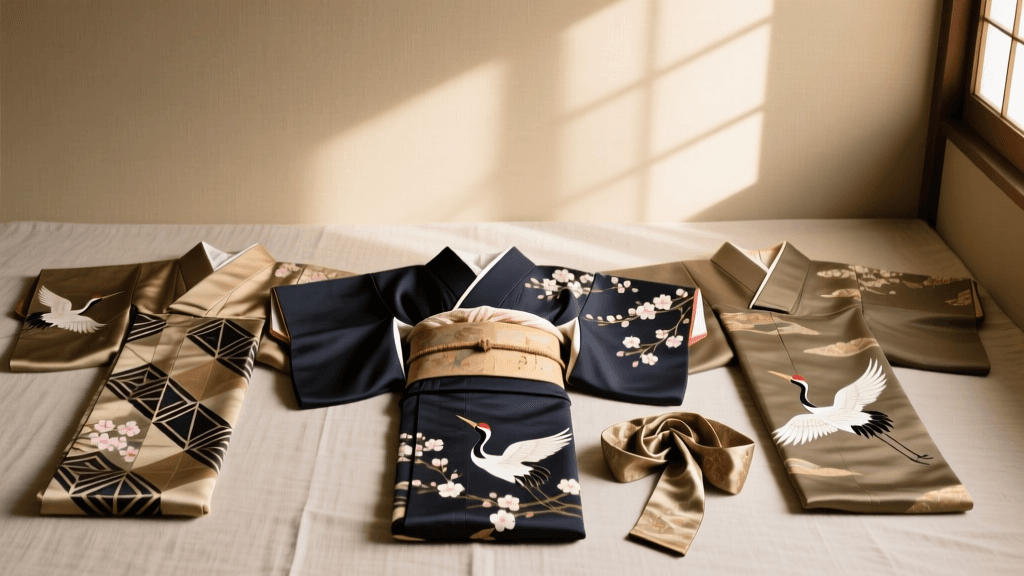
Following the solemn Shinto ritual, the bride transitions into vibrant, colorful attire for the hiroen (wedding reception). The most popular choice is the Iro-Uchikake (色打掛), a heavily brocaded, colored overcoat. While red is historically the most auspicious color—symbolizing vitality and protection against evil—modern brides frequently select gold, black, or pastel hues adorned with auspicious motifs like cranes (tsuru), pine trees (matsu), and peonies (botan). The Victoria and Albert Museum highlights that luxury Uchikake are often woven using Nishijin-ori techniques from Kyoto, incorporating gold and silver leaf threads that catch the light brilliantly in reception halls.
Alternatively, some brides opt for a Hiki-Furisode (引き振袖). Unlike the Uchikake, which is worn open like a coat over a base kimono, the Hiki-Furisode is a single, fully lined kimono with exceptionally long, trailing sleeves (often measuring 105 to 114 centimeters in length) and a padded hem. Historically worn by samurai-class brides, it is tied with a large, elaborate obi knot at the back and offers a slightly more streamlined silhouette for navigating crowded reception venues.
Comparison Chart: Bridal Kimono Styles
| Garment | Ceremony Phase | Sleeve Length | Hem Style | Approx. Weight |
|---|---|---|---|---|
| Shiromuku | Shinto Ritual | Standard (approx. 100cm) | Heavily padded, trailing | 3.5 - 5.0 kg |
| Iro-Uchikake | Reception (Hiroen) | Standard (approx. 100cm) | Thickly padded, trailing | 3.0 - 4.5 kg |
| Hiki-Furisode | Reception (Hiroen) | Extra Long (105 - 114cm) | Lightly padded, trailing | 2.5 - 3.5 kg |
Practical Guide: Costs, Rentals, and Purchasing
Navigating the financial and logistical aspects of acquiring a bridal kimono requires careful planning. Due to the exquisite craftsmanship and high cost of silk brocades, over 85% of modern Japanese brides choose to rent their wedding attire rather than purchase it.
Cost Breakdown (Estimated Averages)
- Shiromuku Rental Package: ¥200,000 – ¥350,000 ($1,300 – $2,300 USD). This usually includes the kimono, obi, undergarments, and basic accessories.
- Iro-Uchikake Rental Package: ¥250,000 – ¥500,000 ($1,600 – $3,300 USD). Older, vintage, or highly intricate Nishijin-woven pieces command premium prices.
- Custom Purchase: Buying a brand-new, custom-tailored Shiromuku and Uchikake set from a Kyoto artisan can easily exceed ¥1,500,000 ($10,000+ USD).
- Hair, Makeup, and Dressing (Kitsuke): ¥50,000 – ¥80,000 ($330 – $530 USD). Professional kimono dressing is a licensed skill and is mandatory for bridal wear.
Timelines and the Art of Kitsuke
Planning a traditional Japanese wedding requires a strict timeline. Brides should book their kimono rental salon and conduct their initial fitting 6 to 9 months before the wedding date. During the fitting, the kitsuke-shi (kimono dresser) will take precise measurements, adjusting the length of the kimono using the ohashori (the waist fold) to ensure the hem trails perfectly based on the bride's height and the specific heel height of her bridal sandals.
On the wedding day, the schedule is grueling. The dressing process alone takes 1.5 to 2 hours. A typical timeline looks like this:
- 08:00 AM: Arrival at the salon; skin preparation and base makeup.
- 09:00 AM: Hair styling and insertion of the katsura (traditional wig) if used.
- 10:00 AM: Kitsuke (dressing). The dresser uses multiple padding towels, date-jime (binding sashes), and silk ties to create a flawless, cylindrical silhouette.
- 12:00 PM: Final makeup touches and placement of the kanzashi (hair ornaments).
- 01:00 PM: Departure for the shrine or venue.
Essential Bridal Accessories
A bridal ensemble is incomplete without its specialized accessories. When renting or buying, ensure the following items are included in your package:
- Kanzashi: Ornate hairpins made of tortoiseshell, silk, or lacquer, often featuring dangling bira-bira (metallic strips) that catch the light.
- Hakoseko (箱迫): A decorative, embroidered silk pouch worn tucked into the front of the obi. Historically used to hold a small mirror or incense, it is purely ornamental today.
- Sensu (扇子): A folding fan, usually featuring gold leaf and auspicious motifs, held in the hand or tucked into the obi during photographs.
- Zori and Tabi: White silk brocade sandals (zori) worn with split-toed white cotton socks (tabi). The heel height is typically 5 to 7 centimeters to accommodate the trailing hem.
Sourcing and Cultural Preservation
Understanding the heritage behind these garments elevates the appreciation of Japanese wedding traditions. The survival of techniques like Kyo-yuzen dyeing and Nishijin-ori weaving relies heavily on the continued demand for ceremonial wear. When selecting a rental salon or artisan, look for establishments affiliated with regional textile cooperatives, ensuring that your investment supports the preservation of these intangible cultural assets.
"The Japanese kimono is not merely a garment; it is a canvas of cultural memory, where every woven thread and dyed motif carries the weight of centuries of aesthetic and spiritual evolution." — Asian Textile Heritage Archive.
Whether you are a bride planning a Shinto ceremony, a textile collector, or a cultural historian, the ceremonial kimono remains one of the most breathtaking and complex sartorial achievements in Asian history. By understanding the distinctions between the Shiromuku, Iro-Uchikake, and Hiki-Furisode, one gains a profound window into the soul of Japanese tradition.