The Ultimate Japanese Wedding Kimono Guide & Cost Breakdown
Introduction to Japanese Bridal Fashion
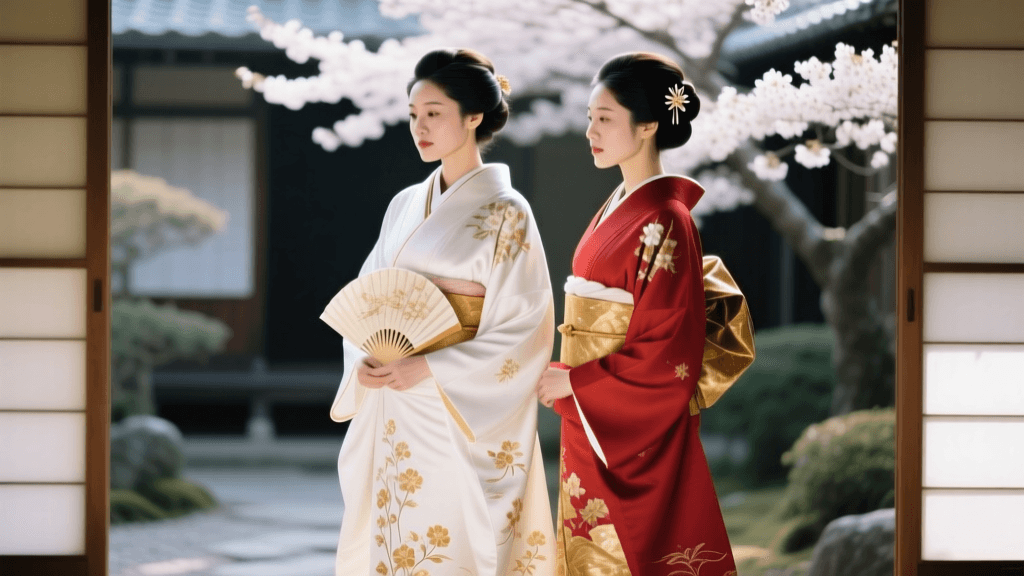
The Japanese wedding kimono is a masterpiece of textile artistry, steeped in centuries of cultural symbolism and meticulous craftsmanship. Unlike Western bridal fashion, which traditionally centers on a single white gown, a traditional Japanese wedding often involves multiple outfit changes, each representing a different phase of the marital journey. From the pure white shiromuku worn during the sacred Shinto ceremony to the vibrant iro-uchikake donned for the festive reception, these garments are visual narratives of purity, prosperity, and new beginnings.
According to the Victoria and Albert Museum, the evolution of the kimono reflects not only shifts in aesthetic preferences but also the rigid social etiquettes of historical Japan. Today, modern brides navigate a complex landscape of rentals, bespoke tailoring, and ceremonial rules. This guide provides an in-depth look at the ceremonial and wedding kimono, offering actionable advice on costs, timelines, and styling for those planning a traditional Japanese wedding or participating in a formal cultural ceremony.
The Shiromuku: The Pure White Bridal Kimono
The shiromuku (白無垢) is the most formal and traditional bridal attire in Japan, worn exclusively during the Shinto wedding ceremony. The term translates to 'pure white,' and the ensemble is entirely white, from the outer robe to the undergarments, obi, and accessories. Historically, white symbolized the bride's purity and her willingness to be 'dyed' in the colors of her husband's family. It also holds spiritual significance in Shinto, representing divine purity.
A shiromuku is not just a single garment but a layered ensemble. It typically includes:
- Nagajuban: The white under-robe that protects the outer silk layers.
- Kakeshita: The main kimono layer, often featuring subtle woven patterns like cranes (symbolizing longevity) or pine trees (symbolizing endurance).
- Uchikake: The heavily padded, unbelted outer coat that trails on the floor, providing a majestic silhouette.
- Obi: A stiff, white brocade sash tied in a formal fukura-suzume (puffed sparrow) or bunko (box) knot.
The Iro-Uchikake: The Colorful Reception Robe
Following the solemn Shinto ritual, the bride typically changes into an iro-uchikake (色打掛) for the wedding reception. While the shiromuku is reserved for the gods, the iro-uchikake is designed for the guests. It is a spectacular, heavily embroidered silk robe worn open over a hanging kimono (kakeshita).
Common colors include auspicious red (symbolizing joy and warding off evil), gold (wealth), and black (sophistication and formality). The embroidery is incredibly dense, often utilizing gold and silver threads (kinran and ginran) to depict scenes of nature, such as blooming peonies, flowing water, and mythical phoenixes. Because the hem is heavily padded with cotton (fuki), the bride does not need to hold the hem up while walking; it is designed to trail elegantly across the tatami mats or carpet.
The Hikizuri: Ceremonial Elegance
While less common for modern brides, the hikizuri (引きずり) is a trailing kimono historically worn by wealthy merchants' daughters and, most famously, by geisha and maiko during formal ceremonies. Some contemporary brides opt for a hikizuri for a more vintage, Taisho-era aesthetic or for secondary ceremonies. Unlike the uchikake, which is an open coat, the hikizuri is a fully tied kimono with an elongated hem that must be artfully managed or allowed to trail. It requires exceptional dressing skills, usually provided by a licensed kitsuke (kimono dressing) professional.
Essential Accessories for the Bridal Ensemble
The bridal kimono is incomplete without its specialized accessories. The Metropolitan Museum of Art's Kimono Style exhibition highlights how accessories elevate the garment from mere clothing to a comprehensive art form.
Headpieces
- Wataboshi: A white, dome-shaped silk hood worn over the head during the Shinto ceremony, functioning similarly to a Western veil by hiding the bride's face from everyone but the groom.
- Tsunokakushi: Translating to 'horn hider,' this white silk band is worn to symbolically hide the 'horns' of a jealous or angry woman, representing the bride's vow to be gentle and patient.
- Kanzashi: Ornate hairpins made of tortoiseshell, silk, or precious metals, often featuring seasonal motifs like cherry blossoms or autumn leaves.
Footwear and Handwear
- Zori and Tabi: White vinyl or brocade zori sandals worn with pristine white cotton tabi (split-toe socks).
- Sensu: A decorative folding fan, often gold or silver, held in the obi or carried as a prop for formal photographs.
Practical Guide: Renting vs. Buying (Cost & Timing Breakdown)
Acquiring a wedding kimono is a significant investment. Due to the exorbitant costs of bespoke silk garments and the specialized storage they require, over 80% of modern Japanese brides choose to rent their ensembles. Below is a comparative breakdown of renting versus purchasing, including estimated costs in USD and Japanese Yen (JPY).
| Feature | Rental Package | Custom Purchase |
|---|---|---|
| Estimated Cost (Shiromuku + Iro-uchikake) | $2,500 – $5,000 (¥350,000 – ¥700,000) | $10,000 – $25,000+ (¥1,500,000 – ¥3,500,000+) |
| Inclusions | Garments, obi, basic accessories, dressing service, hair/makeup | Garments only (accessories and dressing billed separately) |
| Lead Time Required | 6 – 8 months prior to wedding | 12 – 18 months prior to wedding |
| Fitting Sessions | 1 – 2 sessions | 3 – 5 sessions (weaving, dyeing, tailoring) |
| Post-Wedding Care | Returned to salon (cleaning included) | Professional cleaning and specialized paulownia box storage required |
Actionable Advice for Renting
- Book Early: Popular wedding seasons in Japan (Spring for cherry blossoms, Autumn for foliage) see bridal salons booked out months in advance. Secure your rental 8 months prior.
- Verify the Package: Ensure the rental quote includes kitsuke (dressing) and hair-set. Some salons charge these as hidden add-ons, which can cost an extra $300–$500.
- Check the Condition: Inspect the hem (fuki) and collar (eri) of the rental uchikake for stains or fraying. High-end salons will offer pristine, recently cleaned garments.
Booking Timeline and Etiquette
Planning a kimono wedding requires strict adherence to a timeline. Here is a practical schedule for brides:
- 12 Months Out: Decide between a Shinto shrine ceremony, a Buddhist temple ceremony, or a secular venue. This dictates the formality of the kimono required.
- 9 Months Out: Begin visiting bridal kimono salons (go-fukuya). Bring your mother or a trusted confidante, as the selection process is highly collaborative.
- 6 Months Out: Finalize the rental contract. Schedule your maegori (pre-wedding fitting and photography session) if desired.
- 3 Months Out: Finalize hair and makeup trials. Traditional Japanese bridal makeup (oshiroi) is stark white with red accents; discuss with your stylist if you prefer a modern, softer adaptation.
- 1 Week Out: Avoid heavy meals and maintain good posture. The obi will be tied incredibly tight to create the traditional cylindrical torso shape, which can restrict breathing and digestion.
For those interested in the broader context of wearing traditional garments in Japan, the Japan National Tourism Organization offers excellent resources on experiencing traditional culture, including where to find authentic kimono dressing experiences outside of bridal contexts.
Conclusion
The Japanese wedding kimono is far more than a beautiful garment; it is a profound cultural artifact that connects the wearer to centuries of tradition, spiritual belief, and artistic excellence. Whether you choose the divine purity of the shiromuku or the vibrant opulence of the iro-uchikake, understanding the layers, costs, and etiquette is essential for a seamless ceremonial experience. By planning ahead and respecting the intricate art of kitsuke, brides can ensure their traditional Japanese wedding is as culturally authentic as it is visually breathtaking.