Best Japanese Fashion Blogs for Kimono & Wafuku Trends 2026
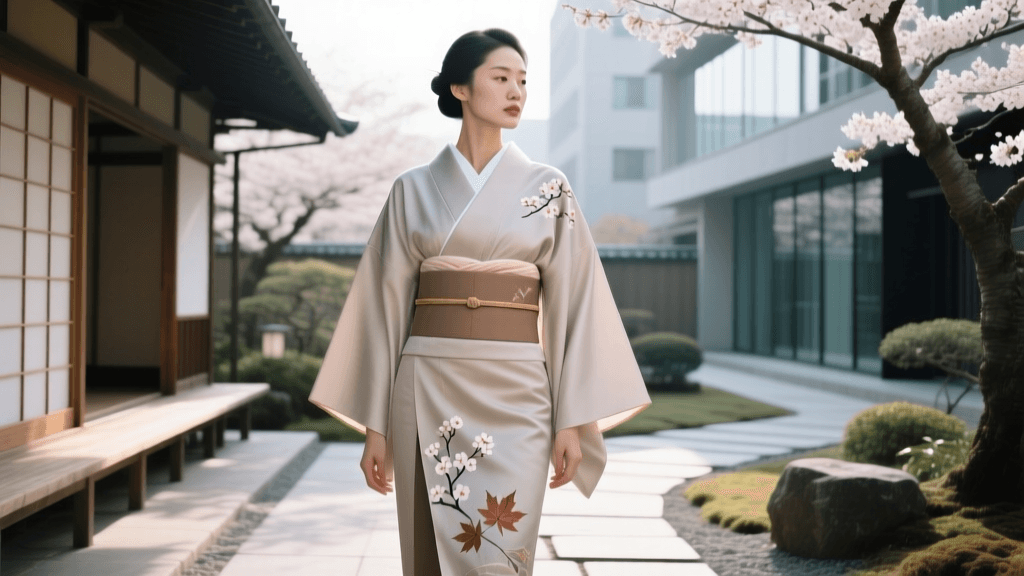
The Digital Renaissance of Wafuku Journalism
The landscape of Japanese fashion journalism has undergone a massive transformation as we navigate through 2026. While historical print publications once served as the sole gatekeepers of traditional garment knowledge, today’s digital ecosystem offers a vibrant, accessible, and highly nuanced array of blogs, online magazines, and newsletters dedicated to wafuku (traditional Japanese clothing). For enthusiasts, collectors, and designers, staying updated on kimono styling, vintage secondhand markets, and the modern evolution of heritage textiles requires knowing exactly where to look. The intersection of heritage and modernity is no longer confined to the pages of quarterly magazines; it is documented daily on digital platforms that blend street-style photography, artisan interviews, and deep-dive textile history.
Whether you are tracking the resurgence of upcycled haori jackets in Harajuku, researching climate-adaptive summer yukata fabrics, or simply trying to decode the complex seasonal motifs of vintage yuzen dyeing, Japanese fashion blogs are your most vital resource. In this comprehensive guide, we explore the most authoritative and influential Japanese fashion journalism platforms of 2026, providing you with the tools to navigate the digital wafuku renaissance.
The Evolution of Japanese Fashion Media in 2026
In 2026, the consumption of traditional fashion media has shifted heavily toward digital-first editorial platforms and niche newsletters. The modern wafuku journalist is just as likely to publish a multimedia essay on the history of shibori tie-dyeing via a Substack newsletter as they are to contribute to a major digital magazine. This democratization of fashion journalism has allowed for hyper-specific coverage of regional weaving techniques—such as Oshima tsumugi (pongee silk) from Amami Oshima or the intricate nishijin-ori brocades of Kyoto—that mainstream fashion outlets often overlook.
Furthermore, the integration of AI-driven translation tools in 2026 has completely dismantled the language barrier. International readers can now seamlessly consume Japanese-only blogs, utilizing neural machine translation that accurately captures nuanced textile terminology, historical references, and seasonal poetic allusions (kigo) that older translation software frequently mangled. This technological leap has created a truly global community of wafuku scholars and collectors who rely on domestic Japanese blogs for real-time market intelligence and styling inspiration.
Top Online Magazines and Blogs for Wafuku Enthusiasts
Fashionsnap: The Street-Style Authority
When it comes to observing how traditional garments are being integrated into contemporary, everyday wardrobes, Fashionsnap remains the undisputed heavyweight of Japanese digital fashion journalism. While Fashionsnap covers the full spectrum of modern apparel, their dedicated street-style photographers in districts like Daikanyama, Shimokitazawa, and Harajuku consistently document the 'neo-wafuku' movement. In 2026, Fashionsnap’s editorial team has placed a heavy emphasis on sustainable fashion, frequently highlighting young designers who deconstruct vintage kimono silks to create modern silhouettes, or styling traditional hakama trousers with oversized contemporary knitwear. For readers looking to understand how heritage garments survive and thrive on the streets of Tokyo, Fashionsnap’s visual archives are indispensable.
The Japan Times: Life & Style Cultural Commentary
For long-form journalism, artisan profiles, and cultural commentary, the The Japan Times Style section offers unparalleled English-language coverage of Japan’s traditional arts and fashion sector. In 2026, their lifestyle desk has published a landmark series of investigative pieces on the aging demographic of master dyers and weavers, shedding light on the urgent preservation efforts underway in regional craft villages. Their articles frequently feature interviews with multi-generational kimono shop owners in Kyoto and Tokyo, providing readers with deep insights into the economics of the secondhand kimono market, the ethics of vintage silk sourcing, and the modernization of family-run textile businesses. It is a must-read for those who view wafuku not just as clothing, but as vital cultural artifacts.
All Japan Kimono Association Digital Portal
For pure, unadulterated educational content and authoritative guidelines on traditional dressing (kitsuke), the digital portal of the All Japan Kimono Association is the gold standard. While less of a 'trend' blog and more of an institutional archive, their online magazine section publishes monthly updates on formal dressing protocols, seasonal motif calendars, and official certifications. In 2026, they have launched an interactive digital library that allows users to search for specific kamon (family crests) and regional weaving styles, complete with high-resolution macro photography of the textile weaves. This platform is essential for vintage collectors who need to authenticate garments and understand the formal rules governing their wear.
Independent Wafuku Newsletters and Micro-Blogs
Beyond the major publications, 2026 has seen an explosion of independent, creator-led journalism. Platforms like Substack and specialized Instagram editorial accounts run by Kyoto-based vintage curators and Tokyo-based kitsuke instructors offer hyper-niche content. These micro-blogs often provide real-time reports from the famous Otsuka secondhand kimono markets or the Kyoto Tenjin-san flea markets, detailing current pricing trends for mid-century meisen silk and Taisho-era haori. Following these independent journalists provides a ground-level view of the vintage market that larger publications simply cannot match in speed or specificity.
2026 Trend Spotlight: What the Blogs Are Covering
By synthesizing reports from these top platforms, several major wafuku trends have emerged in the Japanese fashion journalism sphere this year:
- Climate-Adaptive Summer Wear: With increasingly intense summers, blogs are heavily reviewing advanced cooling juban (undergarments) made from specialized hemp and synthetic-blend fibers that mimic the feel of vintage ro (gauze) and sha (leno weave) silks but offer superior moisture-wicking properties.
- The 'Neo-Wafuku' Upcycling Movement: Fashion journalists are documenting a surge in brands that utilize damaged or unsalvageable vintage kimono silks, repurposing them into modern accessories, corset-style obi belts, and patchwork outerwear, catering to a younger, eco-conscious demographic.
- Gender-Fluid Kitsuke: Online magazines are dedicating extensive editorial space to the dismantling of rigid gender norms in traditional dressing, highlighting male and non-binary individuals styling vibrant, historically feminine furisode motifs with masculine himo (ties) and modern footwear.
Platform Comparison Matrix
To help you curate your daily reading list, we have compiled a comparison chart of the top platforms based on their editorial focus, language accessibility, and update frequency in 2026.
| Platform | Primary Editorial Focus | Primary Language | Update Frequency | Best For |
|---|---|---|---|---|
| Fashionsnap | Street-style, neo-wafuku, modern crossovers | Japanese | Daily | Visual inspiration, modern styling trends |
| Japan Times Style | Cultural commentary, artisan profiles, industry news | English | Weekly | Deep-dive journalism, market economics |
| Kimono.or.jp | Formal protocols, textile archives, education | Japanese | Monthly | Authentication, formal kitsuke rules |
| Indie Substacks | Vintage market reports, secondhand pricing, niche styling | Japanese / Bilingual | Weekly / Bi-weekly | Collectors, vintage shoppers, market trends |
Actionable Strategies for Global Readers
Navigating Japanese fashion journalism requires a strategic approach, especially when dealing with highly specialized textile vocabulary. Here are actionable steps to maximize your research in 2026:
- Deploy Contextual AI Translators: Standard browser translators often fail on terms like kiyomi (a specific type of vintage silk finish) or saga nishiki (brocade). Utilize advanced AI browser extensions trained on historical and textile datasets to ensure accurate translation of artisan interviews.
- Track the Seasonal Motif Calendar: Japanese fashion blogs operate strictly on the micro-seasons. Subscribe to RSS feeds of major wafuku blogs in January to catch the early kisaragi (February) plum blossom and yayoi (March) cherry blossom styling editorials before the trends hit the mainstream secondhand market.
- Cross-Reference Vintage Pricing: When an independent blogger posts a market haul from the Kyoto antique fairs, cross-reference the featured tsumugi or edokomon pieces with recent auction results on Japanese vintage proxy sites to understand current market valuations.
- Engage with the Comment Sections: The comment sections of niche wafuku blogs are goldmines of information. Elderly collectors and master dyers frequently leave detailed corrections or historical anecdotes regarding the provenance of specific regional weaves.
Conclusion
The world of traditional Japanese garments is not a static museum exhibit; it is a living, breathing fashion ecosystem that evolves daily. In 2026, Japanese fashion journalism blogs and online magazines serve as the vital bridge between centuries-old artisan techniques and the cutting-edge realities of modern street style and sustainable fashion. By curating a diverse reading list that includes street-style photographers, institutional archives, and independent vintage curators, you equip yourself with the knowledge to appreciate, collect, and style wafuku with profound cultural respect and contemporary flair. The digital renaissance of kimono journalism is here, and it has never been more accessible to the global enthusiast.