Japanese Sashiko & Boro in 2026 Global Footwear Collabs
The Intersection of Heritage and High Fashion in 2026
The global fashion landscape in 2026 has decisively pivoted away from ephemeral trends, embracing a profound appreciation for longevity, artisanal craftsmanship, and cultural storytelling. At the forefront of this movement is the integration of traditional Japanese textile techniques into international luxury footwear and streetwear collaborations. Specifically, the ancient practices of Sashiko (functional decorative stitching) and Boro (patchwork mending) have transcended their rural, utilitarian origins to become highly sought-after design elements in premium global collaborations. Brands are no longer merely appropriating these aesthetics; they are actively partnering with multi-generational artisans in regions like Okayama, Kyoto, and Aomori to produce limited-edition footwear that honors the integrity of the craft while pushing the boundaries of modern sneaker design.
Defining Sashiko and Boro for the Modern Consumer
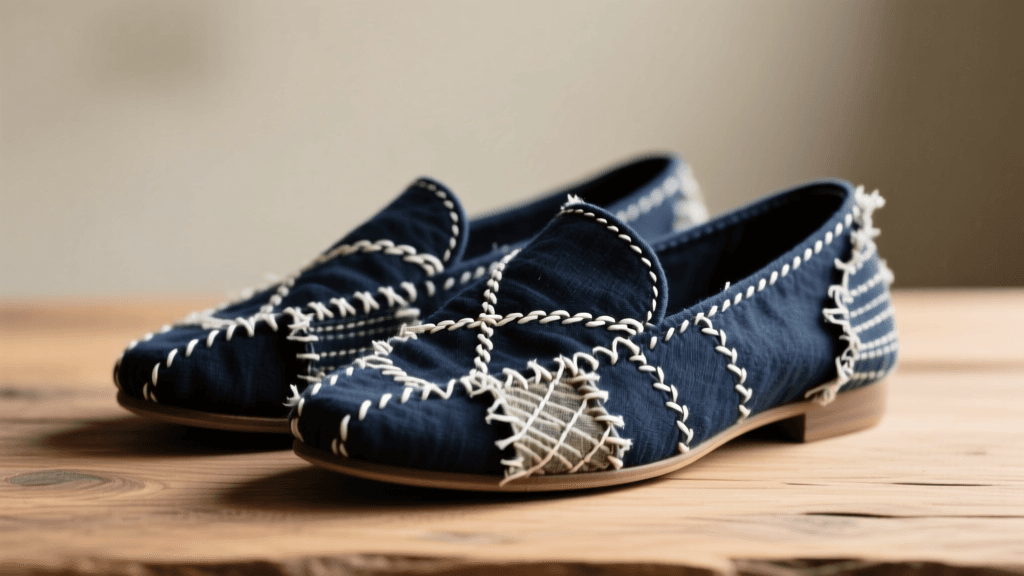
To understand the value of these 2026 collaborations, one must first understand the historical weight of the textiles involved. Sashiko, which translates to 'little stabs,' is a form of functional reinforcement stitching that originated in the Edo period. It uses a simple running stitch to create intricate, geometric patterns that strengthen fabric and trap insulating layers. Boro, derived from the Japanese word boroboro (meaning tattered or repaired), refers to garments that have been patched and mended over generations, creating a complex, layered tapestry of indigo-dyed cottons and hemps.
According to the Metropolitan Museum of Art's Heilbrunn Timeline of Art History, these textiles were originally born out of necessity and strict sumptuary laws that restricted the lower classes from wearing luxurious fabrics or bright colors. Today, the fading shades of natural indigo and the uneven, hand-stitched topography of Boro are celebrated as masterclasses in wabi-sabi—the Japanese aesthetic centered on the acceptance of transience and imperfection. In 2026, this philosophy resonates deeply with global consumers seeking authenticity in an increasingly digitized and mass-produced market.
Landmark 2026 Footwear Collaborations
This year, several international design houses and heritage sportswear brands have released collaborative footwear lines that elevate Sashiko and Boro from mere visual motifs to structural design components.
New Balance Tokyo Design Studio (TDS) Sashiko Series
The New Balance Tokyo Design Studio continues to lead the charge in 2026 with their ongoing artisan collaboration series. Moving beyond standard printed patterns, the latest 2002R and 990v6 iterations feature genuine, hand-stitched Sashiko panels sourced from specialized workshops in Okayama. The uppers utilize a custom-milled, heavy-ounce selvedge denim that is quilted with traditional cotton Sashiko thread. This not only provides a unique, tactile aesthetic but also reinforces the shoe's upper, offering unparalleled durability and a custom mold to the wearer's foot over time.
Converse Addict Japan: The 100 JP Boro Editions
Converse Addict Japan remains the gold standard for luxury reinterpretations of the classic Chuck Taylor. For their 2026 seasonal drop, the brand has partnered with vintage textile archivists in Tohoku to source authentic, mid-century Boro fabrics. Because genuine antique Boro is finite, each pair of the 100 JP Boro Edition is entirely unique, featuring a distinct arrangement of faded indigo patches and historical mending stitches. Priced at a premium, these releases are accompanied by a certificate of authenticity detailing the estimated age and origin of the textile patches used on the canvas upper.
Visvim and European Luxury Cross-Pollination
Hiroki Nakamura’s Visvim has long been the bridge between Japanese heritage and global luxury. In 2026, Visvim's collaborative capsule with a major Parisian fashion house has introduced the 'Folk' sneaker line featuring Noragi-inspired jacket textiles adapted for footwear. The collaboration utilizes natural mud-dyeing and hand-stitched Boro patchwork on a vulcanized rubber sole, merging the ruggedness of Japanese workwear with the refined silhouette of European high fashion.
Authenticity vs. Mass Production: A Buyer's Comparison
As the demand for heritage aesthetics grows, the market has seen an influx of mass-produced alternatives. For collectors and enthusiasts navigating the 2026 market, distinguishing between authentic artisan collaborations and factory-made imitations is crucial. Below is a comparative guide to help buyers make informed decisions.
| Feature | Authentic Artisan Collaboration (e.g., TDS, Addict Japan) | Mass-Market 'Heritage-Inspired' Footwear |
|---|---|---|
| Stitching Method | Hand-stitched or specialized vintage loom; slight irregularities present. | Computerized embroidery; perfectly uniform and repetitive. |
| Denim/Textile Origin | Shuttle-loom selvedge from Okayama or vintage archived textiles. | Standard projectile-loom cotton, often pre-printed with faux-fade patterns. |
| Dyeing Process | Natural indigo (Aizome) or mud-dye; fades uniquely over time. | Synthetic sulfur or reactive dyes; color remains static or chips unnaturally. |
| Production Volume | Strictly limited (often under 500 pairs globally); numbered. | Mass-produced in the tens of thousands; widely available. |
| Price Range (2026) | $450 – $1,200+ USD | $90 – $180 USD |
The Sustainability Mandate: Circular Fashion Meets Mending
Beyond aesthetics, the integration of Boro and Sashiko into global footwear design aligns perfectly with the stringent circular fashion mandates that have taken effect across the European Union and international markets in 2026. The philosophy of Boro is inherently sustainable; it is the antithesis of planned obsolescence. By celebrating the repair and reinforcement of materials, these collaborations challenge the modern consumer to view footwear as a lifelong companion rather than a seasonal disposable.
The Ellen MacArthur Foundation has repeatedly highlighted the necessity of transitioning to a circular economy in fashion, emphasizing design strategies that prioritize durability, repairability, and material longevity. International brands utilizing genuine Sashiko reinforcement are not only preserving a dying art form but are also actively participating in this global sustainability shift. By reinforcing high-stress areas of the sneaker (such as the toe box and lateral quarter) with Sashiko stitching, brands are extending the physical lifespan of the product, reducing the overall carbon footprint per wear.
Practical Care and Maintenance for Artisan Footwear
Owning a pair of authentic Sashiko or Boro collaborative sneakers requires a departure from standard footwear maintenance routines. To preserve the integrity of the natural dyes and hand-stitched threads in 2026, adhere to the following care protocols:
- Avoid Machine Washing: The agitation and harsh detergents of modern washing machines will destroy the natural indigo bonds and fray the Sashiko cotton threads. Never submerge authentic Boro textiles in water.
- Dry Brushing: Use a soft-bristled horsehair brush to gently remove surface dust and dirt after every wear. This prevents abrasive particles from settling into the woven crevices of the patchwork.
- Spot Cleaning: For localized stains, use a slightly damp microfiber cloth with a pH-neutral, specialized denim cleaner. Dab gently; do not rub, as this will cause the indigo to bleed unevenly.
- UV Protection: While natural indigo requires light to 'breathe' and set, prolonged exposure to direct, harsh sunlight can cause the vintage Boro patches to become brittle. Store the footwear in a cool, climate-controlled environment with cedar shoe trees to maintain the upper's structure and absorb moisture.
- Thread Maintenance: If a Sashiko thread becomes loose, do not pull it. Consult a professional denim or textile repair specialist who can re-anchor the stitch using period-accurate cotton thread.
Investment Value and Pricing in 2026
The secondary market for authentic Japanese heritage footwear collaborations has matured significantly. In 2026, limited-edition Boro sneakers from Converse Addict Japan and Visvim are treated less like athletic wear and more like collectible horology or fine art. Because the raw materials—specifically authentic, mid-century Boro textiles—are finite and non-renewable, the production ceiling for these items is hard-capped by nature.
Investors and collectors can expect retail prices for flagship collaborative models to range between $500 and $900 USD, with secondary market premiums pushing rare, deadstock pairs well past the $1,500 mark. However, the true value lies in the cultural preservation these purchases fund. By supporting these international collaborations, consumers are directly injecting capital into rural Japanese artisan communities, ensuring that the master weavers, dyers, and stitchers can pass their invaluable knowledge down to the next generation. In an era defined by rapid technological advancement, the enduring appeal of Sashiko and Boro in global footwear serves as a grounding reminder of the beauty found in human imperfection and the profound elegance of mending what is broken.