Japanese Traditional Garments Guide 2026: Kimono & Hakama
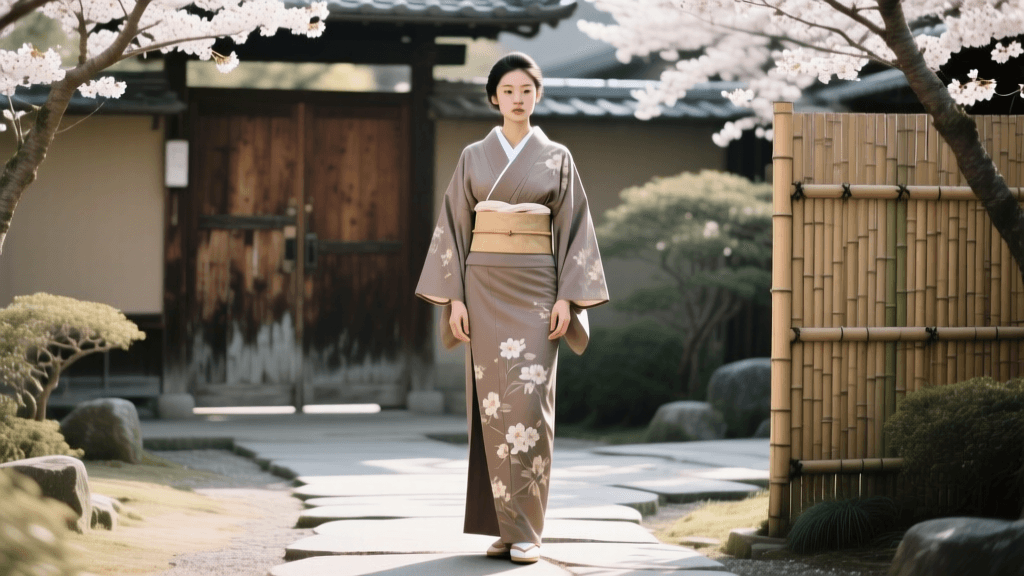
The landscape of Japanese traditional garments has evolved remarkably by 2026, blending centuries-old sartorial rules with contemporary global fashion sensibilities. Whether you are navigating the historic streets of Kyoto, attending a summer matsuri, or integrating a vintage haori into your modern streetwear wardrobe, understanding the nuances of Japanese dress is essential. According to the Japan National Tourism Organization (JNTO), cultural immersion through traditional dress has seen a massive resurgence in 2026, with sustainable rental markets and upcycled vintage silk leading the charge.
The Core Japanese Garment Types
1. Kimono: The Formal Standard
The word 'kimono' literally translates to 'thing to wear,' but in 2026, it specifically refers to the T-shaped, straight-lined robe worn wrapped left over right. Kimonos are categorized by formality, material, and the wearer's marital status. The Victoria and Albert Museum notes that the structural genius of the kimono lies in its flat-pattern construction, which allows for intricate surface design without disrupting the garment's silhouette.
- Furisode: The most formal kimono for unmarried women, characterized by long, swinging sleeves that can reach up to 114 cm in length.
- Tomesode: The most formal kimono for married women, featuring shorter sleeves and patterns restricted to the lower half of the garment.
- Komon: Casual, everyday kimonos covered in repeating micro-patterns, perfect for strolling through the city or casual dining.
2. Yukata: The Summer Staple
Originally worn as a bathrobe by the nobility, the yukata is now the ubiquitous garment of Japanese summer festivals. Made from lightweight, breathable cotton or modern hemp-blends, yukata are worn without the complex undergarments (nagajuban) required for silk kimonos. In 2026, bold, graphic yukata prints and minimalist monochrome designs are highly sought after by younger demographics looking for comfortable yet culturally resonant summer wear.
3. Haori: The Versatile Jacket
The haori is a hip- or thigh-length jacket worn over the kimono. Unlike the kimono, the haori is left open at the front, secured only by a short braided cord (haori himo). In contemporary 2026 fashion, the haori has transcended traditional boundaries; it is frequently worn over jeans, turtlenecks, and evening dresses as a statement layering piece, prized for its exquisite lining and Yuzen-dyed silk exteriors.
4. Hakama: The Pleated Trousers
Hakama are wide, pleated trousers worn over a kimono. Historically worn by samurai and male nobility, they are now standard attire for university graduations, martial arts (like kendo and aikido), and shrine maidens (miko). The standard hakama features seven pleats, representing the seven virtues of the samurai. Modern 2026 adaptations include lighter, wrinkle-resistant synthetic blends designed for ease of movement and daily wear.
Understanding Kitsuke: The Art of Dressing
Wearing a kimono is an art form known as kitsuke. It is a multi-layered process that requires specific undergarments, padding, and ties. The foundation begins with the hadajuban (under-kimono) and susoyoke (slip). For formal kimonos, a nagajuban (full-length under-robe) is added to protect the delicate silk from sweat and oils. The waist is padded using a kimono pad to create a cylindrical silhouette, which is the ideal shape for wrapping the garment smoothly. Finally, the obi (sash) is tied in intricate knots, such as the taiko musubi (drum knot) for married women or the fukura-suzume (sparrow knot) for younger women.
2026 Sizing and Measurement Standards
Unlike Western clothing, traditional kimonos are not sized by strict S/M/L metrics. Instead, they are tailored to the wearer's height and shoulder width. When shopping for vintage or ready-to-wear kimonos in 2026, understanding these measurements is critical for a proper fit.
| Measurement Term | Description | Ideal 2026 Standard |
|---|---|---|
| Mitake (Length) | Total length from shoulder to hem. | Your height minus 20-30 cm. |
| Yuki (Sleeve Length) | Measured from center back neck to wrist. | Arm length + half shoulder width. |
| Maehaba (Front Width) | Width of the front body panels. | Hip measurement divided by 4 + 2 cm. |
| Sode (Sleeve Drop) | Vertical length of the sleeve opening. | Varies by formality (49cm - 114cm). |
Footwear and Accessories
No traditional Japanese outfit is complete without the proper footwear. Tabi socks, characterized by the split between the big toe and the other toes, are mandatory for formal wear. In 2026, modern brands like SOU-SOU have popularized vibrant, patterned tabi that appeal to global fashion enthusiasts. Footwear choices include:
- Zori: Flat, sandal-like footwear made of woven straw, vinyl, or brocade. Worn with formal kimonos.
- Geta: Wooden clogs with elevated teeth. Primarily worn with yukata to keep the hem clean during summer festivals.
- Waraji: Traditional straw rope sandals, now mostly reserved for historical reenactments and specific monastic practices.
Garment Care and Sustainable Maintenance
Silk kimonos require meticulous care. The traditional method of washing a kimono involves un-stitching the entire garment, washing the flat panels, and re-sewing it—a process that is both expensive and time-consuming. However, the 2026 market has widely adopted maruarai (whole-wash) technology, where specialized eco-friendly solvents clean the assembled garment without damaging the silk or the metallic threads. The Ministry of Economy, Trade and Industry (METI) has actively supported these sustainable cleaning initiatives to preserve traditional crafts while adapting to modern environmental standards.
When storing your garments, never use wire hangers. Kimonos should be folded along their seam lines using the tatami folding method and stored in breathable cotton envelopes called tatoshi. Include natural camphor or cedar blocks to deter pests, avoiding chemical mothballs that can yellow delicate silk fibers over time.
Where to Buy and Rent in 2026
For those looking to acquire their first garment, the 2026 second-hand market is thriving. Tokyo's Otsuka Kimono Recycle shop and Kyoto's Chicago vintage stores offer authenticated, high-quality silk kimonos at a fraction of the bespoke cost. For tourists and short-term visitors, rental shops in Asakusa and Higashiyama provide full kitsuke services, hair styling, and accessories, allowing you to experience the elegance of Japanese traditional garments without the commitment of ownership or the steep learning curve of dressing yourself.