2026 Guide to Japanese Kimono Types, Fabrics & Styling
The Renaissance of Japanese Traditional Garments in 2026
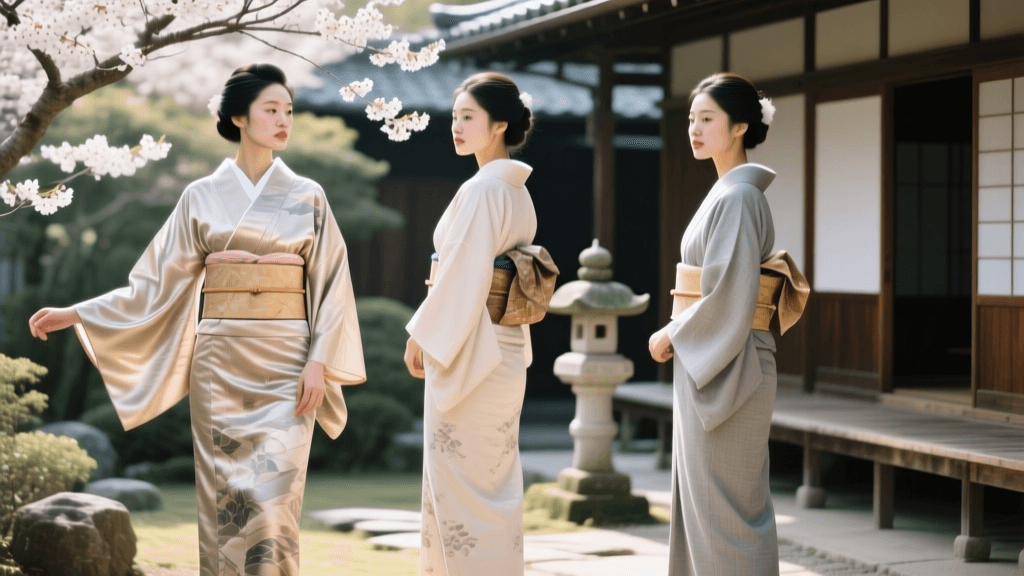
As we navigate through 2026, the global appreciation for Japanese traditional garments has reached unprecedented heights. No longer confined strictly to weddings or coming-of-age ceremonies, the kimono and its casual counterpart, the yukata, have experienced a massive resurgence in both high fashion and everyday streetwear. According to the Victoria and Albert Museum, the structural elegance and textile artistry of Japanese dress continue to influence contemporary global design, blending centuries-old techniques with modern sustainability demands.
Whether you are a textile collector, a cultural enthusiast, or someone looking to attend a summer matsuri (festival) in authentic attire, understanding the nuanced hierarchy of Japanese garments is essential. This comprehensive 2026 guide breaks down the core garment types, fabric innovations, precise sizing metrics, and current market pricing to help you navigate the world of traditional Japanese dress with confidence.
The Core Differences: Kimono vs. Yukata
While Western observers often use the term "kimono" as a catch-all for traditional Japanese clothing, the distinction between a formal kimono and a casual yukata is strictly defined by fabric, construction, and accompanying accessories. The Metropolitan Museum of Art's Heilbrunn Timeline of Art History notes that the evolution of the kosode into the modern kimono was heavily dictated by seasonal changes and social class, a legacy that remains intact today.
| Feature | Kimono (Formal/Semi-Formal) | Yukata (Casual/Summer) |
|---|---|---|
| Primary Fabric | Silk, Washable Crepe, Linen, Wool | Cotton, Hemp, Polyester Blends |
| Lining | Fully lined (awase) or unlined (hitoe) | Strictly unlined |
| Collar Style | Thick, folded (hiro-eri) | Thin, narrow, pre-sewn (bachi-eri) |
| Undergarments | Juban (under-kimono) required | Worn over a simple cotton slip (hadajuban) |
| Footwear | Zori sandals with Tabi socks | Geta or Zori (barefoot, no tabi) |
| 2026 Avg. Retail Price | ¥50,000 - ¥500,000+ ($340 - $3,400+) | ¥5,000 - ¥25,000 ($35 - $170) |
Essential Kimono Types for Every Occasion
The Japanese garment hierarchy is meticulously structured. Choosing the wrong type of kimono for an event is considered a major faux pas. Here are the primary categories you must know in 2026.
Furisode (振袖)
The furisode is the most formal kimono for unmarried women, instantly recognizable by its dramatically long, swinging sleeves (ranging from 100cm to 114cm in length). In 2026, rental shops in Kyoto and Tokyo report that furisode remain the undisputed choice for Seijin-no-Hi (Coming of Age Day) and formal wedding attendance. The patterns are typically vibrant, covering the entire garment using the labor-intensive Yuzen dyeing technique.
Tomesode (留袖)
Reserved exclusively for married women, the tomesode features shorter sleeves and a distinct design layout: the patterns are confined only to the lower half of the skirt, below the obi. The black tomesode (kuro-tomesode) is the highest level of formal wear for a bride's or groom's mother, always featuring five family crests (kamon). Colored tomesode (iro-tomesode) are slightly less formal and can be worn by both married and unmarried women to celebratory events.
Homongi (訪問着)
Translating to "visiting wear," the homongi is the most versatile semi-formal kimono. Its defining characteristic is the "eba" pattern, which flows seamlessly across the seams when the garment is laid flat. Because it does not denote marital status, the homongi is the preferred choice for women attending tea ceremonies, gallery openings, or formal dinners in 2026.
Komon (小紋)
For everyday elegance, the komon features a small, repeating pattern over the entire fabric. It is considered casual wear, perfect for strolling through the historic districts of Higashiyama or attending a casual lunch. In recent years, vintage komon from the mid-20th century have become highly sought after by younger demographics practicing sustainable fashion, often restyled with modern, contrasting obi belts.
Montsuki Haori Hakama (紋付羽織袴)
Men's formal wear in Japan centers around the montsuki haori hakama ensemble. This consists of a plain black kimono bearing five family crests, a decorated silk jacket (haori), and wide, pleated trousers (hakama). While Western suits have become common at modern weddings, the traditional montsuki ensemble remains the gold standard for grooms and male relatives in highly traditional ceremonies.
Fabric Innovations and Traditional Textiles
The textile industry in Japan has beautifully balanced heritage techniques with 2026's demand for practicality. Traditional Nishijin-ori (brocade weaving from Kyoto) remains the pinnacle of luxury, utilizing gold and silver threads for formal obi belts. However, the most significant market shift in 2026 is the perfection of washable silk. By treating high-grade silk with advanced, eco-friendly nano-coatings, artisans have created kimonos that can be safely machine-washed at home without losing their structural integrity or dye vibrancy.
Furthermore, the Japan National Tourism Organization highlights that regional textile tourism is booming. Travelers are flocking to Tokamachi in Niigata to witness the creation of Echigo-jofu, a high-quality ramie fabric that is incredibly breathable and highly prized for high-end summer kimonos and yukatas.
Modern Styling and Accessory Guide
A kimono is incomplete without its intricate accessory ecosystem. The obi (sash) is often more expensive than the kimono itself. For formal wear, the Fukuro obi (a fully patterned, 4-meter long brocade sash) is tied in elaborate knots like the Otaiko or Fukura-suzume. For casual komon or yukata, the Hanhaba obi (half-width obi) is preferred for its ease of tying and playful, reversible patterns.
Footwear has also seen a 2026 update. While traditional zori (flat sandals) and geta (wooden clogs) are still ubiquitous, modern manufacturers now integrate memory foam insoles and ergonomic arch supports into the base, allowing wearers to navigate paved city streets comfortably for hours. The tabi (split-toe socks) remain mandatory for formal kimono, with contemporary brands offering stretch-blend fabrics that prevent slipping inside the zori.
Sizing, Tailoring, and 2026 Pricing
Unlike Western clothing, traditional Japanese garments are not sized by S, M, or L. They are tailored based on specific body measurements. The two most critical metrics are:
- Yuki (裄): The measurement from the center back of the neck, over the shoulder, down to the wrist. This determines the sleeve width.
- Mitake (身丈): The back length of the kimono from the base of the neck to the ankle. For women, the mitake should ideally match their exact height to allow for the proper waist fold (ohashori).
2026 Starter Kit Cost Breakdown
If you are looking to purchase a complete, semi-formal Homongi ensemble in 2026, here is what you can expect to invest at a reputable Kyoto or Tokyo retailer:
- Homongi Kimono (Custom Tailored): ¥85,000
- Fukuro Obi (Brocade): ¥45,000
- Juban (Under-kimono) & Han-eri (Collar): ¥18,000
- Zori Sandals & Matching Bag: ¥28,000
- Obijime (Cord) & Obiage (Sash): ¥12,000
- Tabi Socks & Dressing Accessories: ¥6,000
- Total Estimated Investment: ¥194,000 (Approximately $1,300 USD)
"Investing in a traditional Japanese garment is not merely buying clothing; it is acquiring a piece of living history. The meticulous hand-stitching allows the garment to be entirely deconstructed, cleaned, and re-tailored, making it a truly sustainable, multi-generational asset." — Master Artisan, Nishijin Textile Center, 2026.
Final Thoughts on Preserving the Art of Kitsuke
The art of kimono dressing, known as kitsuke, requires practice and patience. In 2026, digital tutorials and augmented reality dressing apps have made learning the intricate folds and ties more accessible than ever to international enthusiasts. Whether you choose a breezy cotton yukata for a summer fireworks display or a majestic silk furisode for a winter ceremony, understanding the deep cultural roots and precise construction of these garments ensures you wear them with the respect and elegance they command.