Japanese Kimono Types & Formality: The Complete 2026 Guide
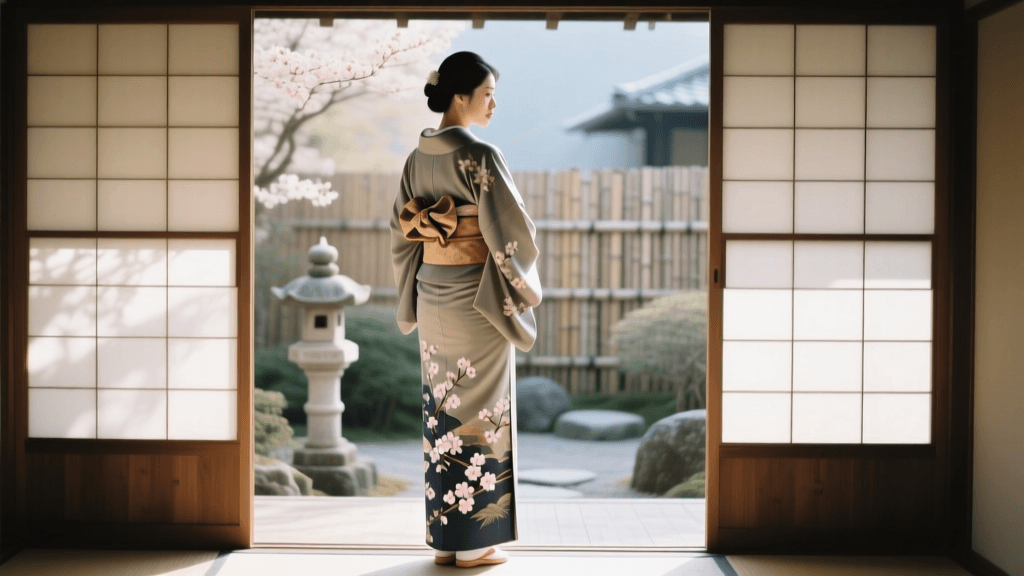
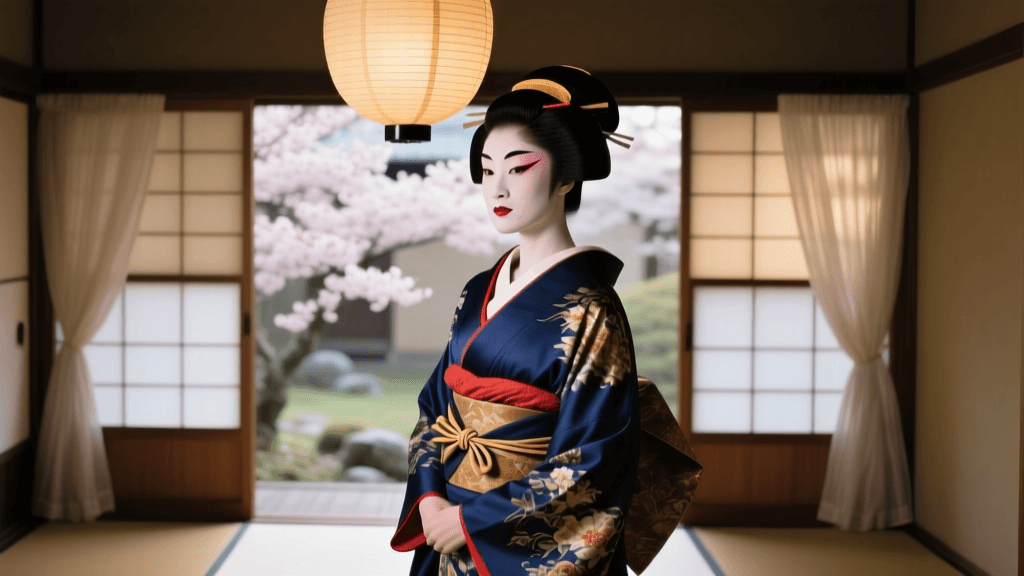
The Japanese kimono is far more than a beautiful garment; it is a meticulously coded language of seasonality, social standing, and aesthetic philosophy. As we navigate 2026, the global appreciation for traditional Japanese dress has evolved, blending deep respect for historical craftsmanship with modern sustainability and styling. Whether you are attending a formal tea ceremony in Kyoto, participating in a summer matsuri, or simply looking to invest in a piece of wearable art, understanding the hierarchy of Japanese garment types is essential.
According to the Metropolitan Museum of Art, the evolution of the kimono from the humble kosode of the Edo period into a complex system of social signaling remains one of the most fascinating aspects of global fashion history. Today, the rules of formality—known as TPO (Time, Place, Occasion)—still strictly dictate which garment is appropriate. This comprehensive 2026 guide will walk you through the essential Japanese kimono types, their structural anatomy, and how to source and care for them in the modern era.
The Hierarchy of Japanese Kimono Types
Japanese traditional garments are categorized primarily by their formality, which is determined by the fabric type, dyeing technique, pattern placement, and the number of family crests (mon) adorning the silk.
Kurotomesode and Irotomesode (The Pinnacle of Formality)
The Kurotomesode (black formal kimono) is the most formal garment worn by married women. It features a solid black base with elaborate, continuous patterns (e-moyo) located only below the obi sash, and it always bears five family crests. It is traditionally reserved for the mothers of the bride and groom at weddings. The Irotomesode follows the exact same structural rules but features a colored base instead of black. It can be worn by both married and unmarried women and may feature one, three, or five crests, making it slightly more versatile for high-level formal events like royal garden parties or award ceremonies.
Furisode (The Unmarried Woman's Formal Wear)
Recognizable by its dramatic, swinging sleeves, the Furisode is the most formal kimono for unmarried women. The sleeves are categorized by length: kofurisode (75–87 cm), chufurisode (91–106 cm), and the highly formal ohfurisode (114 cm or longer). In 2026, the Furisode remains the undisputed garment of choice for Seijin no Hi (Coming of Age Day) and university graduation ceremonies. Modern artisans in the Nishijin district are increasingly utilizing sustainable, lab-grown silk threads to create these heavy, opulent garments without the environmental footprint of traditional sericulture.
Homongi and Tsukesage (Semi-Formal Elegance)
The Homongi ("visiting wear") is a highly versatile semi-formal kimono worn by both married and unmarried women. Its defining feature is the eba-moyo technique, where the pattern is dyed to flow continuously across the seams of the garment when laid flat. It is appropriate for weddings (as a guest), formal tea ceremonies, and upscale dinners. The Tsukesage is a step below in formality; its patterns are confined to specific areas (like the hem and one shoulder) and do not cross the seams. It is the perfect "workhorse" of the formal wardrobe, suitable for slightly more relaxed cultural events.
Komon and Yukata (Everyday and Casual Wear)
For daily wear, the Komon features a small, repeating pattern across the entire garment. A highly prized sub-category is the Edo Komon, which uses microscopic stencil-dyed dots that appear solid from a distance but reveal intricate geometric patterns up close. Finally, the Yukata is the unlined, casual cotton or hemp garment worn during the summer months. In 2026, modern yukata styling has exploded in popularity, with younger generations pairing bold, graphic-print yukatas with minimalist leather obis and contemporary footwear for urban summer festivals.
2026 Kimono Formality and Usage Chart
| Garment Type | Formality Level | Target Demographic | Typical Occasion | Est. 2026 Retail Price (New Silk) |
|---|---|---|---|---|
| Kurotomesode | Highest (5 Crests) | Married Women | Weddings (Mother of Bride) | ¥400,000 - ¥800,000 |
| Furisode | Highest (Unmarried) | Unmarried Women | Coming of Age Day, Graduations | ¥350,000 - ¥700,000 |
| Homongi | Semi-Formal | All Women | Tea Ceremonies, Wedding Guest | ¥250,000 - ¥500,000 |
| Tsukesage | Semi-Formal / Smart | All Women | Cultural Events, Dining | ¥150,000 - ¥350,000 |
| Komon | Casual / Everyday | All Women | Shopping, Casual Outings | ¥80,000 - ¥200,000 |
| Yukata | Informal / Summer | All Genders | Summer Festivals, Onsen | ¥5,000 - ¥30,000 (Cotton) |
The Anatomy of the Outfit: Undergarments and Obi
A kimono is never worn alone. The complete ensemble requires specific undergarments and sashes to achieve the correct silhouette and adhere to formality rules. As noted by the Victoria and Albert Museum, the T-shaped structure of the kimono relies entirely on the wrapping and tying of the obi to create its iconic cylindrical silhouette, completely obscuring the natural curves of the body.
The Juban and Nagajuban
The Nagajuban is the primary under-kimono, usually made of silk or breathable synthetic blends, worn over basic hadajuban (underwear). Its most visible component is the Han-eri (half-collar), a detachable piece of embroidered or decorated fabric that peeks out at the neckline. In 2026, interchangeable, machine-washable han-eri with subtle metallic threading are highly popular for adding a touch of modern luxury to vintage silk kimono.
The Obi (Sash) Hierarchy
- Maru Obi: The most formal, heavily brocaded sash, measuring roughly 68 cm wide and folded in half. It is incredibly heavy and mostly reserved for brides and geisha.
- Fukuro Obi: The standard formal obi (approx. 30 cm wide), featuring brocade or gold leaf on the visible side. Essential for pairing with Tomesode and Furisode.
- Nagoya Obi: Pre-folded and stitched at one end for easier tying, this is the go-to semi-formal sash for Homongi and Tsukesage.
- Hanhaba Obi: A narrow, casual, and unlined sash used exclusively with Yukata or casual Komon.
Sourcing, Pricing, and Sustainability in 2026
The market for Japanese traditional garments in 2026 is defined by a dual approach: the preservation of heritage weaving and the booming circular economy of vintage textiles. For brand-new, bespoke garments, department stores like Mitsukoshi and Takashimaya in Tokyo remain the gold standard, though buyers should expect to spend upwards of ¥500,000 and wait up to six months for custom Yuzen dyeing and tailoring from a standard tanmono bolt (which measures approximately 36 cm wide and 11 meters long).
Conversely, the vintage market has become a hub for sustainable fashion. Areas like Shimokitazawa in Tokyo and the monthly flea markets at Toji Temple in Kyoto offer incredible opportunities to source pre-loved silk kimono. According to the Japan National Tourism Organization, engaging with traditional crafts and local artisan markets is a primary driver of cultural tourism in 2026. A high-quality vintage Homongi in excellent condition can be acquired for ¥15,000 to ¥40,000, making it an accessible entry point for international collectors and enthusiasts.
Garment Care: Maruarai vs. Modern Dry Cleaning
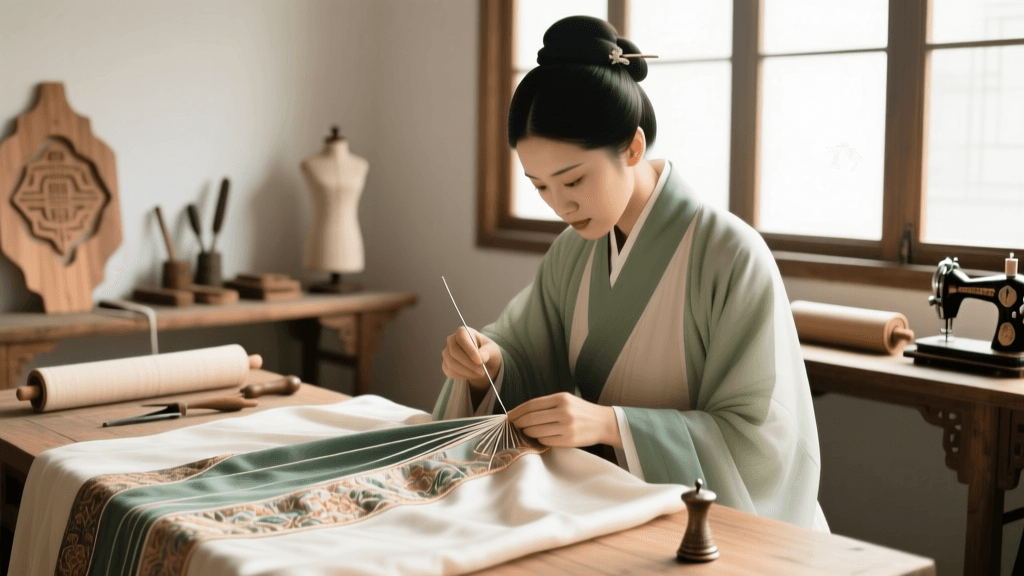
Caring for silk kimono requires specialized knowledge. Standard Western dry cleaning can strip the natural oils from Japanese silk and ruin delicate metallic leafing. For minor stains, spot cleaning by a professional is recommended. However, the traditional method of deep cleaning is called Maruarai ("round washing").
"Maruarai is a painstaking process where the kimono is completely unpicked into its original rectangular fabric panels, washed in water using natural soaps, stretched on bamboo frames to dry, and then meticulously resewn by hand. It restores the silk's luster and removes deep-set odors that modern chemicals cannot touch."
In 2026, a full Maruarai service in Kyoto typically costs between ¥20,000 and ¥35,000 and takes about a month to complete. For everyday maintenance, always store your silk garments flat in a cool, dark place, wrapped in acid-free tatoushi paper to prevent moisture buildup and yellowing. Avoid wire hangers at all costs, as they will permanently distort the shoulder seams of the delicate silk.
Conclusion
Navigating the world of Japanese traditional garments is a lifelong journey of aesthetic discovery. By understanding the strict formality rules, the structural nuances of the obi, and the proper care techniques, you can confidently build a kimono wardrobe that respects centuries of tradition while embracing the sustainable and stylistic innovations of 2026. Whether you are draping a casual cotton yukata for a summer evening or investing in a bespoke silk Homongi, you are participating in a living, breathing art form that continues to captivate the world.