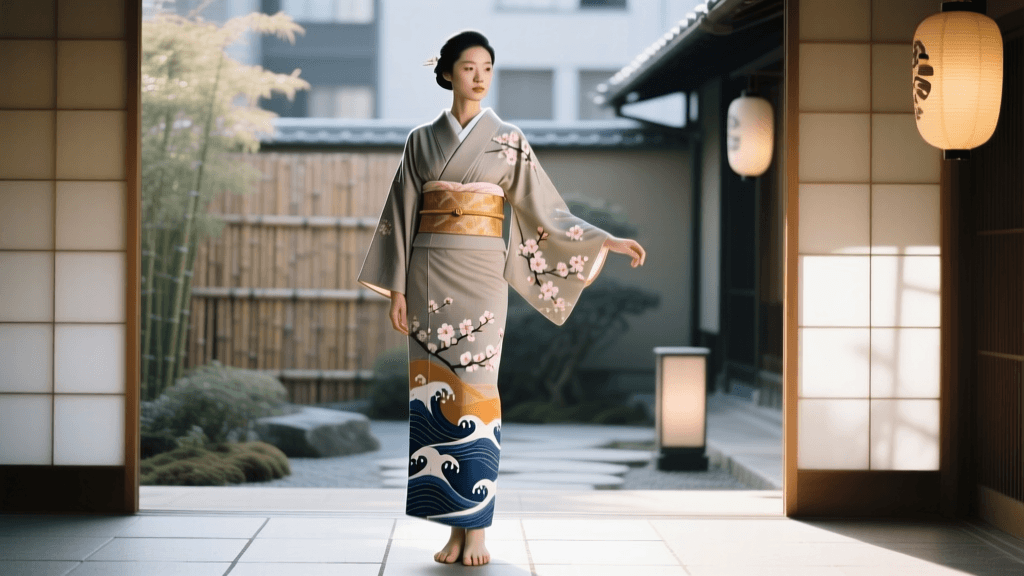
Japanese Fashion Schools & Kimono Apprenticeships in 2026
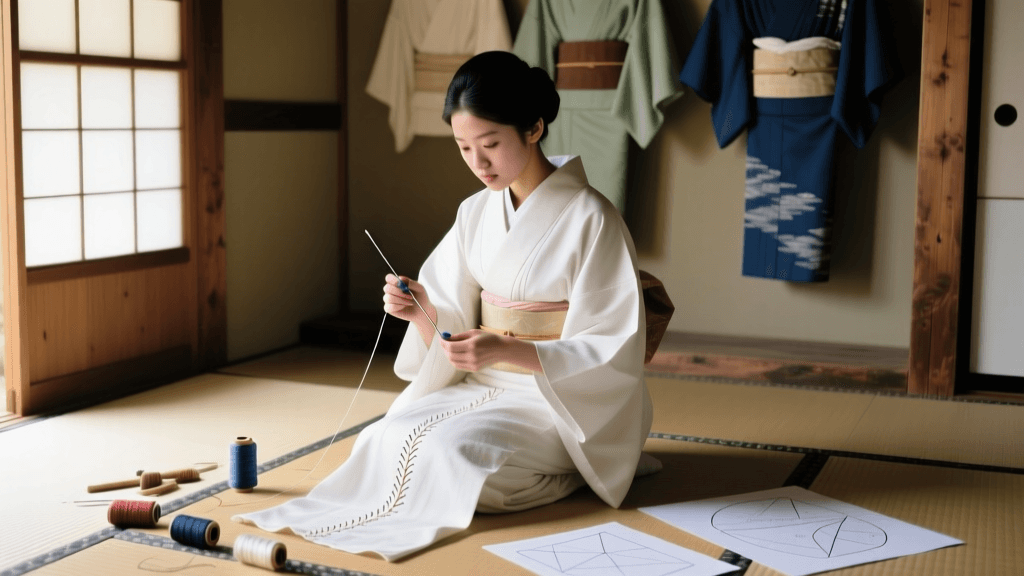
The Renaissance of Japanese Garment Craftsmanship in 2026
In 2026, the global fashion industry is experiencing a profound pivot toward sustainable, heritage-driven craftsmanship, placing traditional Japanese garment-making techniques at the forefront of luxury and avant-garde design. Aspiring designers and textile artists are increasingly looking toward Japan to master the intricate arts of kimono tailoring, Nishijin weaving, and Yuzen dyeing. However, navigating the educational landscape requires a deep understanding of the two primary pathways available today: the centuries-old deshi (apprenticeship) system and modern, institutional fashion education. Whether you are a domestic student or an international applicant, understanding the nuances of these pathways is critical for a successful career in traditional Asian fashion.
The Traditional Deshi (Apprenticeship) System
The deshi system remains the most authentic, albeit rigorous, method for mastering traditional Japanese textiles. In 2026, master artisans (shokunin) in heritage hubs like Kyoto, Kanazawa, and Tokyo continue to accept a select few apprentices to pass down closely guarded techniques. Unlike Western internships, a traditional apprenticeship in Japan is a profound commitment, often lasting between five to ten years.
Apprentices in specialized fields such as Kyo-yuzen (resist dyeing) or Nishijin-ori (brocade weaving) begin with menial tasks—cleaning brushes, preparing natural dyes, and maintaining the workshop. Only after demonstrating unwavering dedication and respect for the craft do they advance to handling the silk. According to the Kogei Japan database, which tracks government-recognized traditional crafts, the average monthly stipend for a first-year apprentice in 2026 hovers around 130,000 to 150,000 JPY. While modest, this covers basic living expenses in rural or semi-urban workshop towns, and the education is entirely free, funded by the master's workshop.
The primary challenge of the deshi route in 2026 is accessibility for international students. Securing a visa requires a sponsoring master, and the language barrier is immense; fluency in Japanese (JLPT N1) and an understanding of regional dialects are often mandatory to grasp the subtle, unspoken teachings of the master.
Formal Education: Bunka Fashion College and Mode Gakuen
For those seeking a structured curriculum that blends traditional techniques with contemporary fashion design, Japan's elite fashion schools offer unparalleled resources. Bunka Fashion College in Tokyo remains the premier institution for this synthesis. In 2026, Bunka's Department of Fashion Technology and Traditional Arts has updated its curriculum to include digital archiving of vintage Edo-period textiles alongside hands-on kimono construction.
Students at Bunka learn the precise geometry of the kimono, which is constructed from straight, uncut bolts of fabric (tanmono), minimizing waste—a principle that heavily influences 2026's zero-waste sustainability mandates. The tuition for the 2026 academic year at top-tier institutions like Bunka or Mode Gakuen averages 1,450,000 JPY annually, excluding materials. While expensive, these schools provide robust international student support, English-assisted modules, and direct pipelines into both modern fashion houses and traditional craft cooperatives.
Furthermore, the Agency for Cultural Affairs (Government of Japan) has recently expanded its grants for educational institutions that integrate endangered regional crafts into their syllabi. This means students in 2026 have access to subsidized workshops featuring living national treasures, bridging the gap between academic theory and master-level execution.
Comparative Analysis: Apprenticeship vs. Fashion School (2026)
| Feature | Traditional Deshi (Apprenticeship) | Fashion School (e.g., Bunka, Mode Gakuen) |
|---|---|---|
| Duration | 5 to 10 years | 2 to 4 years (Diploma/Degree) |
| Financial Cost | Free (Earns 130k-150k JPY/month stipend) | ~1,450,000 JPY/year + materials |
| Curriculum Focus | Deep mastery of one specific craft (e.g., dyeing) | Broad design, pattern-making, and business skills |
| Language Requirement | JLPT N1 + Regional Dialects | JLPT N2 (or English tracks available) |
| 2026 Career Outcome | Independent Artisan, Heritage Workshop Succession | Fashion Designer, Brand Director, Hybrid Innovator |
Essential Tools for the 2026 Kimono Artisan
Whether studying in a formal classroom or a traditional workshop, students must acquire and master specific tools. The 2026 artisan's toolkit blends ancestral instruments with modern ergonomic updates:
- Shaku (Traditional Ruler): The kujira-jaku is the standard whale-bone or acrylic ruler used for kimono measurements. One shaku is approximately 37.8 cm, divided into 10 sun. Understanding this non-metric system is non-negotiable for reading antique patterns.
- Hera (Marking Spatula): A smooth, deer-antler or high-density resin tool used to crease silk and mark seam allowances without damaging the delicate fibers or leaving ink stains.
- Kote (Soldering Iron / Press): Traditional charcoal-heated irons have been replaced by precision temperature-controlled electric kote. In 2026, smart-kote models with digital heat-readouts are standard for pressing chirimen (crepe silk) without scorching.
- Yunoshi (Steam Board): A specialized wooden board used in conjunction with steam to stretch and set the width of dyed silk bolts, ensuring the tanmono maintains its exact 36cm width before cutting.
The 2026 Sustainability Mandate: Boro and Sashiko Integration
A major trend defining Japanese fashion education in 2026 is the institutionalization of Boro (mended textiles) and Sashiko (decorative reinforcement stitching). Once considered a peasant craft born of necessity, these techniques are now taught as advanced zero-waste methodologies. Schools are partnering with rural cooperatives in Aomori and Tohoku to source vintage, distressed hemp and cotton. Students learn to deconstruct, patch, and re-weave these textiles, creating high-end, sustainable garments that appeal to the eco-conscious luxury market. This fusion of historical preservation and modern ecological responsibility is a core pillar of the 2026 academic syllabus.
Actionable Roadmap for Aspiring Artisans
If you are planning to pursue Japanese garment education in 2026, follow this strategic roadmap:
- Language Preparation: Begin studying Japanese immediately. While some fashion schools offer English support, the terminology of traditional crafts (e.g., okumi, eri, sode) is rarely translated. Aim for JLPT N2 minimum for school, N1 for apprenticeships.
- Portfolio Development: Your portfolio should not just feature modern sketches. Include evidence of hand-stitching, natural dyeing experiments, and an understanding of Asian textile history. Show a respect for the medium.
- Visa Strategy: For formal schooling, apply for a Student Visa. For apprenticeships, look into the 'Designated Activities' visa category, which the Japanese government has expanded to include foreign artisans training in recognized traditional crafts.
- Network at Trade Fairs: Attend events like the Tokyo International Kimono Exhibition or the Kyoto Craft Fair. These are vital for meeting masters who may be open to taking on a dedicated deshi.
Conclusion
The path to mastering traditional Japanese fashion in 2026 is demanding, requiring immense patience, physical endurance, and a deep reverence for history. Whether you choose the structured, innovative environment of a Tokyo fashion college or the silent, rigorous discipline of a Kyoto weaving workshop, the skills you acquire will position you at the vanguard of the global sustainable fashion movement. By honoring the past while utilizing the educational advancements of the present, the next generation of artisans will ensure that the legacy of the kimono and its underlying philosophies endure for centuries to come.