Sensory Kimono Experience: Fabric Sound & Texture 2026
The Evolution of Sensory Fashion in 2026
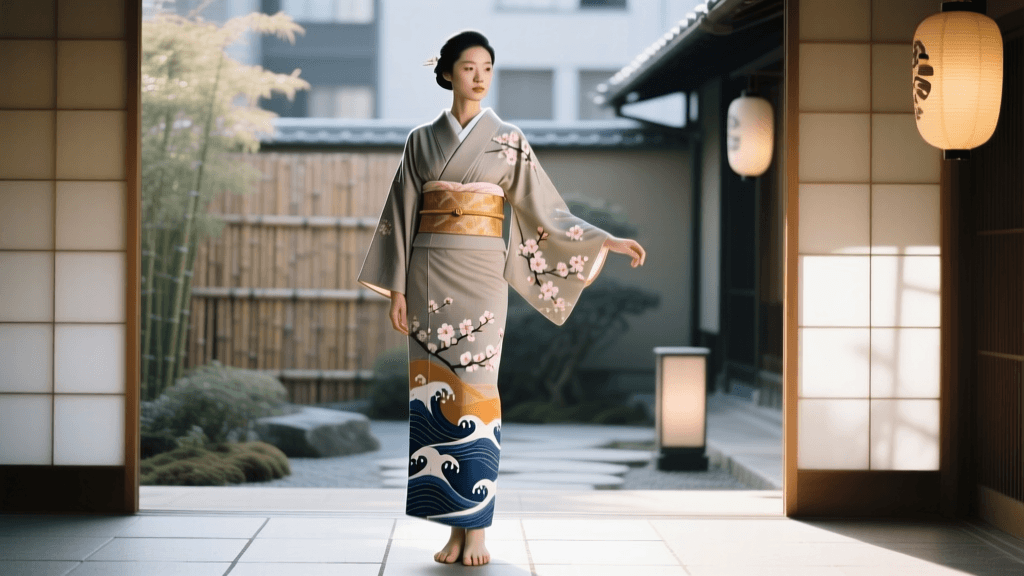
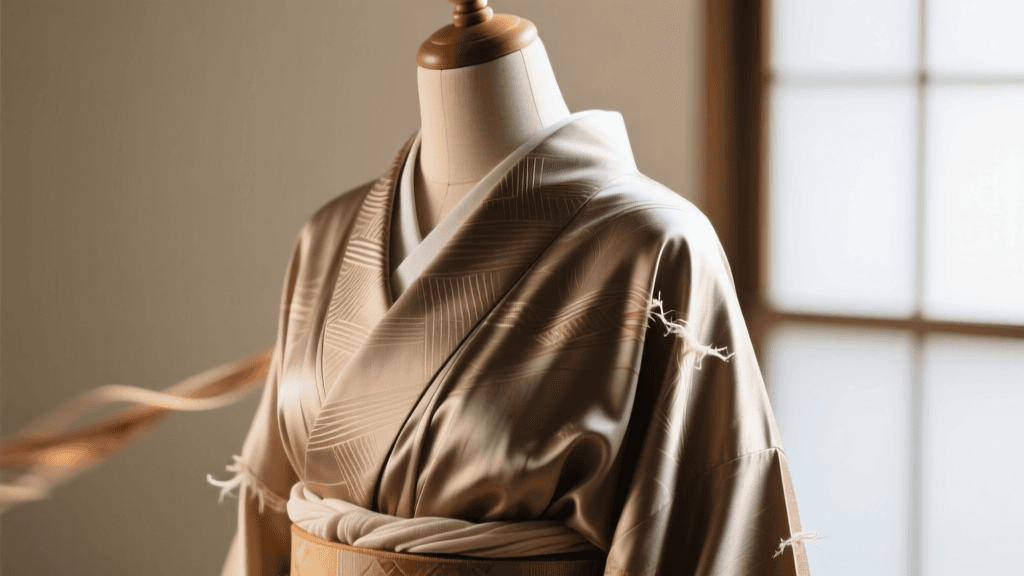
In the evolving landscape of 2026, the global appreciation for traditional Japanese garments has transcended mere visual aesthetics. Today, collectors, cultural historians, and mindful travelers are engaging with the kimono on a profoundly multi-sensory level. Moving beyond the vibrant dyes of Yuzen or the metallic threads of Nishijin brocade, the modern kimono renaissance is deeply rooted in the tactile and auditory experiences of the garments. This shift aligns with a broader 2026 movement toward 'sensory grounding' in fashion, where the physical interaction between the wearer and the textile is celebrated as a form of moving Zen meditation.
Understanding the sensory profile of a kimono requires an intimate knowledge of Japanese weaving methods, the physics of silk friction, and the seasonal philosophy that dictates how a garment should feel against the skin and sound in a quiet room. Whether you are a textile collector, a cultural traveler visiting Kyoto, or a practitioner of traditional arts, mastering the sensory language of the kimono is essential.
The Auditory Landscape: Kinu-Zure and the Sound of Silk
Perhaps the most poetic and elusive aspect of the kimono experience is its sound. In Japanese, the rustling noise made by silk layers rubbing together is known as kinu-zure (衣擦れ). This is not merely a byproduct of movement; it is a highly prized acoustic signature that signifies elegance, presence, and the authenticity of the materials.
The Physics of the Rustle
The kinu-zure sound is primarily generated by the friction between the main kimono, the nagajuban (the under-kimono), and the stiff, heavily woven obi (sash). Authentic, high-grade silk possesses a unique microscopic structure—triangular prisms that refract light and create a crisp, dry surface tension. When layered, these silk surfaces catch and release against one another, producing a soft, rhythmic whispering sound. In 2026, acoustic textile researchers have noted that synthetic blends, which dominate the fast-fashion kimono rental market, lack this surface tension, resulting in a muffled, static-prone slide rather than a crisp rustle.
Zen Spirituality and Mindful Movement
From a Zen perspective, the sound of the kimono serves as an auditory anchor. The subtle shhh-shhh of the silk reminds the wearer to move with intention, grace, and deliberation. Sudden, erratic movements disrupt the harmony of the sound, encouraging a grounded, mindful gait. This acoustic feedback loop transforms the simple act of walking into a meditative practice.
Tactile Sensations: Weaving Methods and Seasonal Textures
The tactile experience of a kimono is inextricably linked to Japan's distinct four seasons. Traditional weavers manipulate the tension, twist, and structure of silk threads to engineer fabrics that physically interact with the body's thermoregulation and sensory receptors.
Spring and Autumn: The Grounding Weight of Chirimen
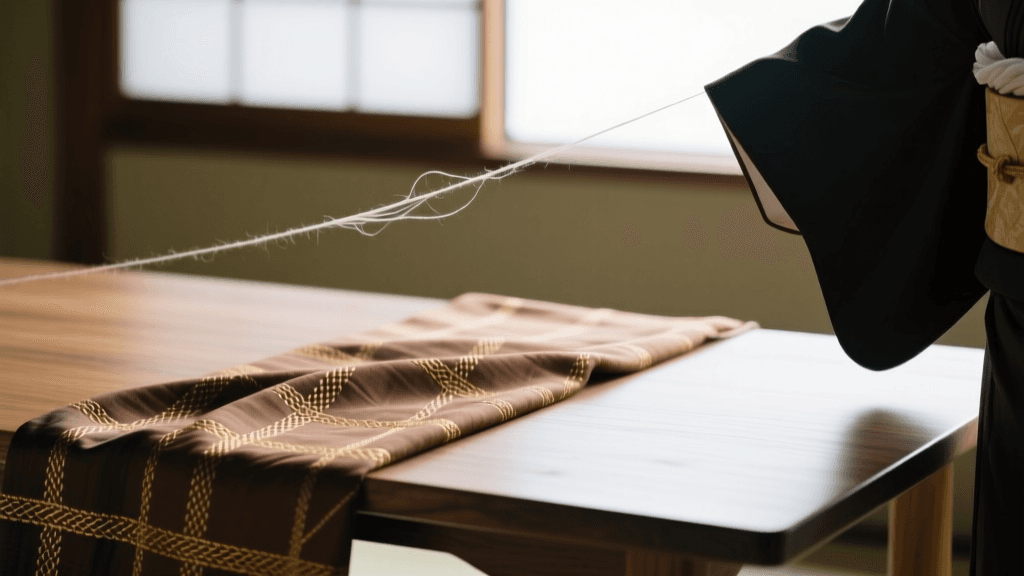
Chirimen (silk crepe) is the backbone of the unlined (hitoe) and lined (awase) kimono worn in spring and autumn. The tactile magic of Chirimen lies in its weaving method: the weft threads are twisted tightly (up to 3,000 twists per meter) before being woven. When the fabric is washed and relaxed, the tension releases, creating a distinct, pebbled surface known as shibo. Running your hand across vintage or newly woven 2026 Chirimen reveals a bumpy, resilient texture that provides a satisfying, massaging sensation against the skin while offering structural weight that helps the kimono drape beautifully.
Summer: The Cooling Breeze of Ro and Sha
When the humid Japanese summer arrives, the tactile requirement shifts to breathability and coolness. Ro and Sha are leno-weave fabrics characterized by their translucent, mesh-like structures. In Sha, the warp threads are twisted around each other in a figure-eight pattern, locking the weft in place and creating tiny, stable gaps. The tactile sensation of Sha is remarkably crisp and cool to the touch. It does not cling to the skin; instead, it acts as a scaffold that allows air to circulate, providing a physical sensation of a gentle breeze against the body.
Winter and Informal Wear: The Matte Embrace of Tsumugi
Tsumugi (pongee) is woven from spun silk threads rather than reeled filament silk. This results in a fabric with 'slubs'—uneven, nubby textures that feel earthy, matte, and deeply comforting. Unlike the slick, cool touch of filament silk, Tsumugi feels almost like fine wool or raw cotton. It is quiet, absorbing sound rather than reflecting it, and provides a warm, enveloping tactile hug during the colder months.
'The true essence of the kimono is not just seen; it is heard in the quiet rustle of silk and felt in the deliberate weight of the weave. To wear it is to converse with the thread.' — Master Weaver of the Nishijin District, 2026.
2026 Market Trends: Sensory-Focused Kimono Tourism
In 2026, the tourism sector in cultural hubs like Kyoto and Kanazawa has pivoted to accommodate the demand for authentic sensory experiences. According to recent cultural tourism reports, travelers are no longer satisfied with quick, polyester rental fittings. Instead, boutique ateliers in the Higashiyama and Gion districts now offer 'Sensory Fittings.' These curated sessions allow visitors to experience the weight of a genuine 2026 Nishijin-woven Fukuro obi and the acoustic differences between various silk grades in acoustically treated tatami rooms.
For collectors, the 2026 vintage and bespoke market reflects this sensory premium. Authentic, pre-2000s Chirimen kimono, prized for their deeply developed shibo texture, are seeing a 15% increase in valuation this year, as modern mass-produced crepe struggles to replicate the depth of traditional hand-finished silk.
Comparison Chart: Sensory Profiles of Traditional Kimono Fabrics
| Fabric Type | Weave Method | Tactile Sensation | Auditory Profile | Best Season |
|---|---|---|---|---|
| Chirimen (Crepe) | Plain weave, high-twist weft | Pebbled, resilient, heavy drape | Crisp, rhythmic rustle | Spring / Autumn |
| Tsumugi (Pongee) | Plain weave, spun silk | Nubby, matte, soft, earthy | Muted, almost silent | Winter / Autumn |
| Sha (Leno Weave) | Figure-eight warp twist | Crisp, cool, stiff, breathable | Dry, papery whisper | High Summer |
| Ro (Leno Weave) | Alternating leno and plain | Soft mesh, pliable, cooling | Soft, muffled glide | Summer |
| Rinzu (Satin Damask) | Satin weave with float threads | Extremely smooth, slick, glossy | Fluid, quiet slide | Formal / Winter |
Actionable Guide: Curating Your Sensory Kimono Wardrobe in 2026
If you are looking to build a kimono wardrobe or purchase a meaningful piece in 2026, prioritize the tactile and auditory qualities alongside the visual patterns. Here is a practical guide to navigating the market:
- The Blind Touch Test: When visiting textile centers like the Nishijin Textile Center or specialized vintage dealers, ask to feel the fabrics with your eyes closed. Authentic silk will quickly warm to your body temperature, while synthetics will remain clammy or unnaturally cool.
- Listen to the Drape: Hold the kimono by the shoulders and gently shake it. High-quality Chirimen will produce a distinct, dry 'shhh' sound and hold its shape in the air before falling. Polyester blends will flop silently and cling to themselves due to static.
- Invest in the Nagajuban: The kinu-zure sound requires friction. Ensure your undergarment (nagajuban) is made of silk or a high-grade natural blend. A synthetic undergarment will completely deaden the acoustic properties of an expensive silk kimono.
- Budgeting for 2026: Expect to invest approximately 65,000 to 95,000 JPY ($430 - $630 USD) for a high-quality, unlined vintage Chirimen kimono in excellent condition. For a newly woven, bespoke Tsumugi from a designated craft village like Yuki, prices in 2026 start around 350,000 JPY ($2,300 USD), reflecting the intense labor of hand-spinning and weaving.
Preserving the Intangible Sensory Heritage
The preservation of the kimono is not just about saving old garments in climate-controlled archives; it is about keeping the techniques that create these sensory experiences alive. Japan's Agency for Cultural Affairs continues to designate specific weaving techniques—such as the high-twist methods of Tango Chirimen and the leno weaves of Echigo-Jofu—as Intangible Cultural Properties. As noted by historians at The Metropolitan Museum of Art, the kimono is a masterclass in the integration of form, function, and material science.
By prioritizing the sound and texture of these garments, consumers in 2026 are directly funding the survival of traditional loom operators, silk spinners, and finishing artisans. The sensory experience of the kimono is a living, breathing testament to centuries of Japanese textile innovation, inviting us to slow down, listen closely, and feel the history woven into every thread.