Japanese Traditional Garments Guide 2026: Kimono to Hakama
The Renaissance of Japanese Traditional Garments in 2026
As we navigate the global fashion landscape of 2026, the intersection of heritage craftsmanship and contemporary sustainability has never been more vibrant. Japanese traditional garments, once viewed strictly through the lens of historical preservation, are experiencing a massive cultural renaissance. From the bustling streets of Harajuku to international high-fashion runways, garments like the kimono, yukata, and hakama are being reimagined for modern living. According to the Encyclopedia Britannica, the kimono remains one of the most recognizable cultural garments in the world, yet its modern iteration in 2026 prioritizes eco-friendly textiles, modular styling, and everyday wearability. This comprehensive guide will walk you through the core types of Japanese traditional wear, their anatomical structures, 2026 fabric innovations, and how to style them for the modern era.
The Core Wardrobe: Kimono, Yukata, and Hakama
Kimono: The Formal Standard
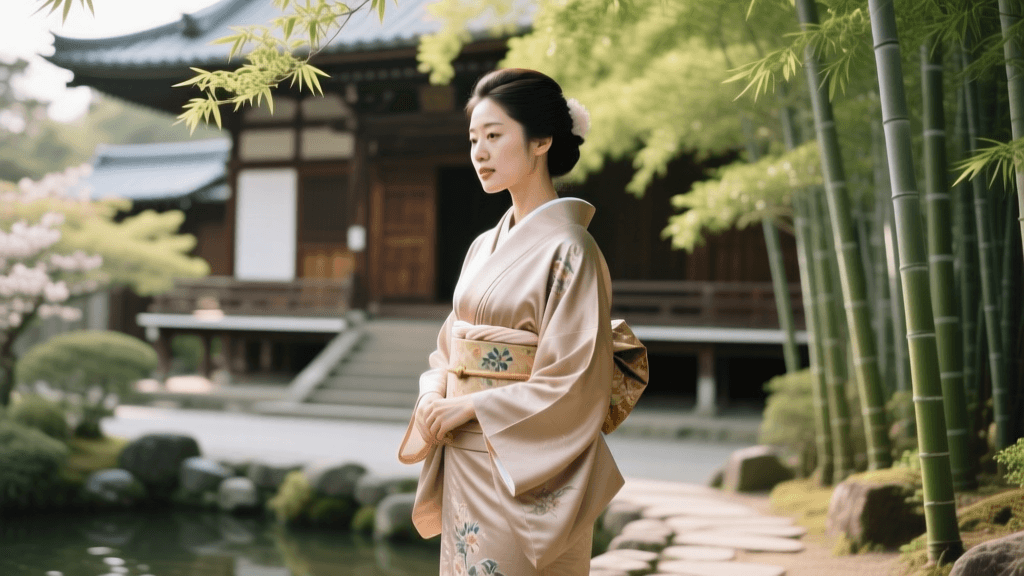
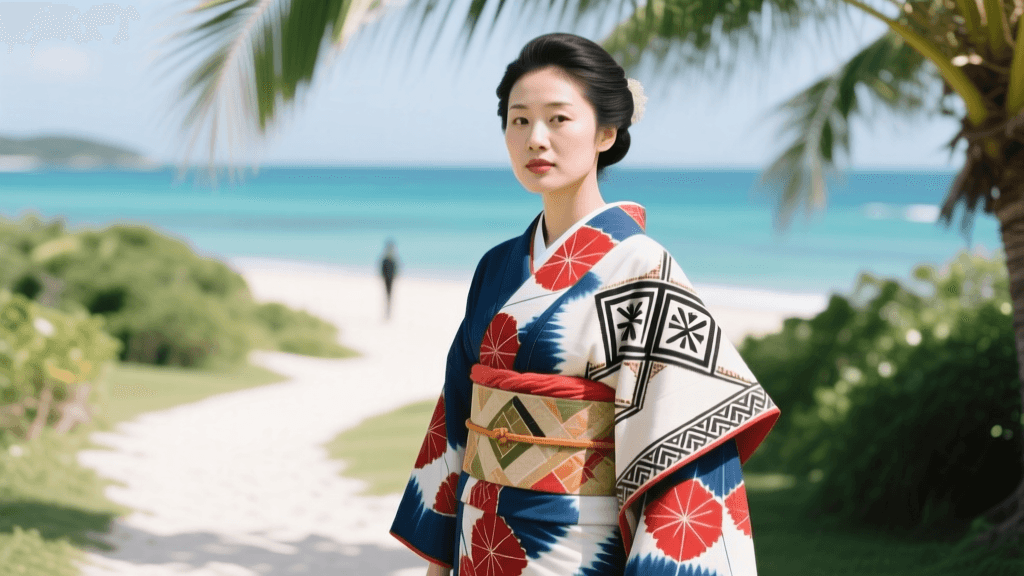
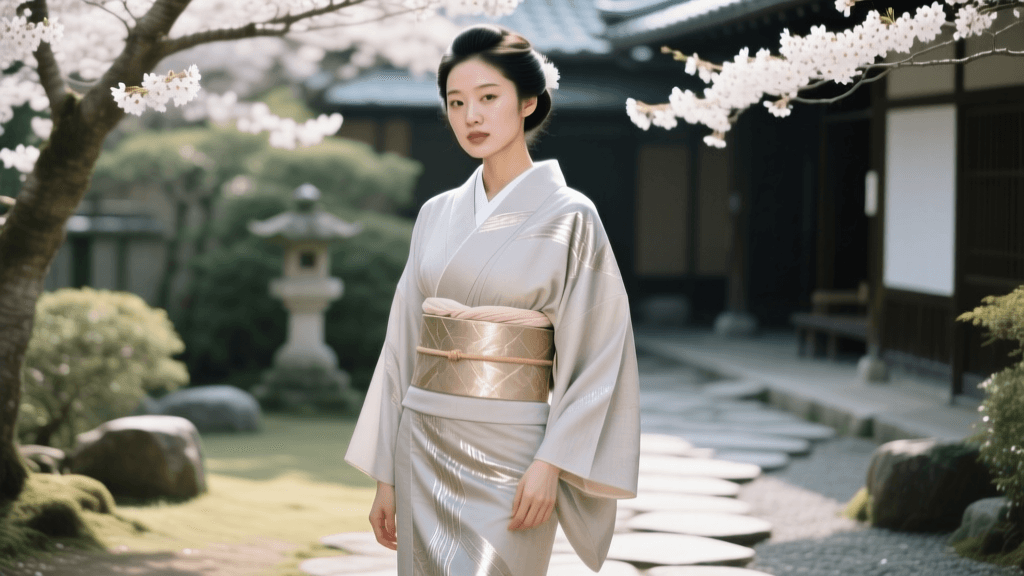
The kimono (literally 'thing to wear') is the quintessential Japanese garment. In 2026, the kimono market has bifurcated into ultra-traditional silk pieces reserved for weddings and tea ceremonies, and highly practical, washable poly-blend or sustainable bamboo-silk garments designed for daily wear. The Metropolitan Museum of Art notes that the T-shaped structure of the kimono has remained largely unchanged for centuries, but the 2026 consumer demands machine-washable options. Modern kimono styling often involves pairing a classic silk kimono with contemporary accessories, such as 3D-printed obi clips or minimalist leather zori sandals, bridging the gap between Edo-period elegance and 2026 minimalism.
Yukata: The Summer Essential
The yukata is a lightweight, unlined summer garment traditionally made of cotton. Originally worn as a bathrobe by the nobility, it evolved into the standard attire for summer festivals (matsuri) and fireworks displays. In 2026, the yukata has transcended its seasonal boundaries. Designers are utilizing organic cotton-hemp blends that offer superior breathability and UV protection. The modern yukata styling trend heavily features 'remix' culture: young fashion enthusiasts in Tokyo and Kyoto are pairing yukata with chunky sneakers, denim obi belts, and streetwear harnesses, creating a vibrant subculture that honors the garment's relaxed origins while pushing its aesthetic boundaries.
Hakama: The Pleated Trousers
Hakama are wide, pleated trousers worn over a kimono. Historically worn by samurai to protect their legs while riding horses, they are now standard attire for martial arts (kendo, aikido), university graduation ceremonies, and Shinto priests. The traditional hakama features five pleats in the front and two in the back, symbolizing the five Confucian virtues. In 2026, the hakama has seen a surge in popularity as a gender-neutral fashion statement. Modern 'hakama skirts' made from lightweight Tetron blends or raw, textured silk are being worn over tailored trousers or jeans, offering a dramatic, sweeping silhouette that appeals to avant-garde streetwear aficionados.
Haori and Jinbei: Outerwear and Loungewear
The haori is a hip- or thigh-length jacket worn over a kimono. In 2026, the haori is arguably the most accessible entry point for international consumers, as it requires no complex wrapping or obi tying. Vintage silk haori are frequently upcycled, worn open over plain t-shirts and denim as a statement piece. Conversely, the jinbei is a two-piece summer loungewear set consisting of a short-sleeved top and wrap-around shorts. The 2026 iterations of jinbei feature waffle-weave cottons and sophisticated, muted color palettes, making them popular as high-end resort wear and comfortable home attire.
Anatomy and Measurements: Sizing in 2026
Unlike Western clothing, traditional Japanese garments are not sized by small, medium, or large. They are constructed from bolts of fabric (tanmono) with standardized widths. Understanding the anatomy and measurement system is crucial for purchasing in 2026, especially with the rise of AI-assisted tailoring apps that scan your body to recommend the exact vintage or custom piece.
- Yuki: The most critical measurement, taken from the center of the back of the neck, over the shoulder, and down to the wrist. This dictates the sleeve length.
- Mitake: The back length of the garment, measured from the base of the neck to the desired hemline.
- Ohashori: A crucial fold at the waist for women's kimono. Because kimono are made in standard lengths, the excess fabric is folded under the obi to adjust the hem to the wearer's height. In 2026, pre-folded 'tsukushi' kimono are available for beginners who struggle with tying the perfect ohashori.
2026 Fabric Innovations and Sustainability
The Japanese textile industry has made massive strides in sustainability by 2026. Traditional dyeing techniques like Yuzen and Shibori, which historically required massive amounts of water, have been augmented by digital waterless dyeing technologies that reduce water waste by up to 80%. Furthermore, the Heilbrunn Timeline of Art History highlights the historical significance of Japanese textile arts, a legacy that modern artisans are protecting through eco-conscious innovation. Lab-grown spider silk blends are now being introduced in high-end Kyoto ateliers, offering the luster and drape of traditional silk but with vastly superior tensile strength and a cruelty-free, carbon-negative footprint. Upcycling is also a dominant trend; 'remake' fashion houses in Tokyo specialize in deconstructing damaged vintage kimono and reassembling them into modern haori, skirts, and obi bags.
Garment Comparison and 2026 Pricing Guide
When building your traditional Japanese wardrobe, it is essential to understand the formality, fabric trends, and current market pricing. The table below outlines the core garments and what you can expect to spend in 2026.
| Garment Type | Formality Level | Primary 2026 Fabric Trends | Estimated Price Range (USD) |
|---|---|---|---|
| Kurotomesode (Kimono) | Ultra-Formal | Hand-painted Silk, Gold Leaf | $1,500 - $5,000+ |
| Komon (Kimono) | Casual / Everyday | Washable Poly-Silk, Bamboo Blends | $250 - $600 |
| Yukata | Casual / Summer | Organic Cotton, Hemp Blends | $80 - $250 |
| Hakama | Ceremonial / Streetwear | Tetron, Raw Textured Silk | $150 - $600 |
| Haori | Outerwear / Smart Casual | Wool, Upcycled Vintage Silk | $120 - $450 |
| Jinbei | Loungewear / Resort | Waffle-Weave Cotton, Linen | $50 - $150 |
Care, Maintenance, and Storage
Proper care is vital to preserving the longevity of these garments. While 2026 has brought us advanced washable silks, traditional silk kimono still require specialized care. The modern standard for cleaning silk is 'arai-hari', a traditional method where the garment is entirely taken apart, washed, stretched, and resewn. In 2026, eco-friendly dry cleaning services utilizing liquid carbon dioxide have become the preferred method for spot-cleaning delicate obi and silk linings without the use of harsh chemical solvents. For storage, the traditional paulownia wood tansu chest remains the gold standard due to its natural humidity-regulating and insect-repelling properties. However, for modern apartments, climate-controlled garment bags with integrated cedar blocks and silica gel packets offer a space-saving, 2026-appropriate alternative that protects against mold and yellowing.
Conclusion: Embracing the Tradition
The landscape of Japanese traditional garments in 2026 is a beautiful testament to the culture's ability to honor its past while actively innovating for the future. Whether you are investing in a bespoke silk kimono for a formal tea ceremony, picking up a breathable hemp yukata for a summer festival, or styling a vintage haori over your daily streetwear, these garments offer a profound connection to Japanese heritage. By understanding the anatomy, embracing modern sustainable fabrics, and respecting the care requirements, you can seamlessly integrate these timeless pieces into your contemporary wardrobe. The kimono is not merely a relic of history; it is a living, breathing canvas of personal expression that continues to evolve with every generation.