2026 Guide to Japanese Kimono Types: Formality & Care
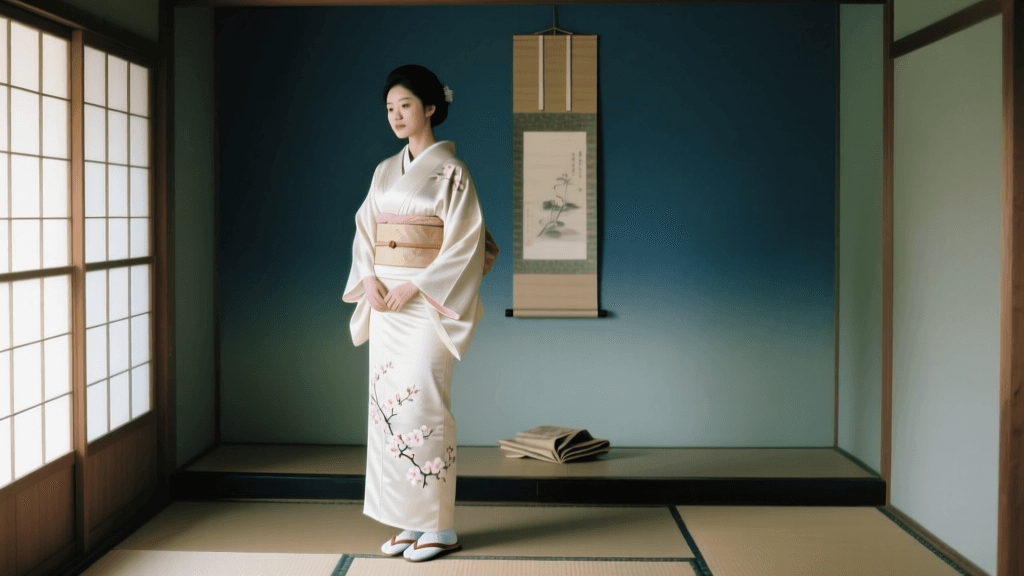
The Enduring Legacy of the Kimono in 2026
As we navigate the global fashion landscape of 2026, the Japanese kimono stands as a profound testament to the synthesis of ancestral craftsmanship and contemporary relevance. Far from being a static relic of the past, the kimono has evolved into a dynamic garment that bridges the gap between high ceremonial formality and modern streetwear. According to the Metropolitan Museum of Art's Heilbrunn Timeline, the kimono's T-shaped, straight-lined construction was perfected during the Edo period, creating a versatile canvas for textile artistry that remains largely unchanged in its fundamental geometry today.
The Victoria and Albert Museum highlights that the kimono is not merely clothing, but a deeply codified system of communication. The choice of fabric, motif, color, and formality level conveys the wearer's age, marital status, and the specific nature of the event they are attending. In 2026, while the strictest rules have relaxed for younger generations embracing neo-traditional styling, understanding these classifications remains essential for anyone looking to wear, collect, or appreciate Japanese traditional garments.
The Anatomy of the Garment: Tanmono and Zero-Waste Design
Before diving into specific types, it is crucial to understand how a kimono is constructed. Unlike Western tailoring, which cuts fabric into curved shapes to fit the body, the kimono is cut from a single bolt of fabric known as a tanmono. A standard tanmono measures approximately 36 centimeters in width and 11.5 meters in length. This narrow width dictates the straight-line cutting method, resulting in a garment that is essentially zero-waste. In 2026, as the fashion industry heavily prioritizes sustainability, the kimono's ancestral zero-waste pattern-making continues to inspire modern eco-conscious designers worldwide.
The Hierarchy of Formality: Women's Kimono Classifications
The most complex aspect of Japanese traditional dress is the strict hierarchy of formality for women's kimono. The distinctions are based on sleeve length, color, pattern placement, and the presence of family crests (kamon).
Kurotomesode and Irotomesode: The Pinnacle of Formality
The Kurotomesode (black formal) is the most formal kimono for married women. It is solid black with patterns located exclusively below the waistline and features five family crests. It is traditionally worn by the mothers of the bride and groom at weddings. The Irotomesode follows the same structural rules but is made in colors other than black, making it suitable for unmarried female relatives at weddings or highly formal state events.
Furisode: The Unmarried Woman's Formal Wear
Recognizable by its dramatically long, swinging sleeves (ranging from 85cm to 114cm in length), the Furisode is the highest level of formal wear for young, unmarried women. In 2026, the Furisode remains the undisputed centerpiece of the Seijin Shiki (Coming of Age Day) celebrations, with modern weavers in Kyoto's Nishijin district experimenting with holographic silk threads and sustainable metallic leafing to update the traditional aesthetic.
Houmongi and Tsukesage: Semi-Formal Elegance
The Houmongi (visiting wear) is a versatile semi-formal kimono worn by both married and unmarried women. Its defining characteristic is the eba pattern, where the dyed motif flows continuously across the seams of the garment, creating a unified picture when the kimono is laid flat. The Tsukesage is slightly less formal; its patterns are dyed onto the fabric before cutting, meaning the motifs do not cross the seams. Both are excellent choices for tea ceremonies, gallery openings, and upscale dining.
Komon and Yukata: Everyday and Casual Wear
The Komon is an informal, everyday kimono characterized by a small, repeating pattern that covers the entire garment. It is perfect for casual outings, shopping, or informal parties. The Yukata, originally a bathrobe, has become the ultimate casual summer garment. Made from breathable cotton or modern hemp-blends, the Yukata is worn without the complex undergarments required for silk kimono, making it highly accessible for beginners and international tourists attending summer matsuri (festivals).
Men's Traditional Garments: Montsuki Haori Hakama
While women's kimono classifications are highly varied, men's formal wear in 2026 remains elegantly streamlined. The most formal ensemble is the Montsuki Haori Hakama. This consists of a solid black, crested kimono (montsuki), a formal half-coat (haori) worn over it, and wide, pleated trousers (hakama). The formality is dictated by the color of the haori himo (the braided cords used to tie the jacket) and the presence of one, three, or five crests. For casual wear, men often opt for subdued komon or cotton yukata in dark indigos, charcoal, and earth tones.
2026 Kimono Classification and Styling Matrix
| Kimono Type | Formality Level | Primary Wearer | Typical Fabric (2026) | Key Motif Placement |
|---|---|---|---|---|
| Kurotomesode | Highest (Weddings) | Married Women | Heavy Silk (Rinzu) | Below waist only |
| Furisode | High (Coming of Age) | Unmarried Women | Silk (Chirimen/Crepe) | All over (Continuous) |
| Houmongi | Semi-Formal | All Women | Silk (Tsumugi/Rinzu) | Across seams (Eba) |
| Komon | Casual/Everyday | All Women | Silk, Wool, or Recycled Poly | Repeating small patterns |
| Yukata | Informal/Summer | All Genders | Cotton, Hemp, Linen | All over |
The Obi and Accessories: Completing the Silhouette
A kimono is incomplete without its accompanying accessories, which also adhere to strict rules of formality. The Obi (sash) is the most critical component. The highly formal Fukuro obi is heavily brocaded and woven with gold or silver threads, used for Furisode and Tomesode. The Nagoya obi, pre-folded and sewn at one end, is the standard for semi-formal and casual wear. In 2026, the Hanhaba obi (half-width obi) has seen a massive resurgence among youth, often featuring reversible, pop-culture-inspired prints paired with casual Komon or Yukata.
Accessories such as the obijime (decorative cord) and obiage (silk sash tie) provide vital pops of contrasting color. Modern 2026 styling frequently incorporates 3D-printed obidome (brooches) and smart-textile tabi socks that offer thermal regulation, proving that traditional accessories are continuously adapting to modern needs.
Sourcing, Pricing, and Care in 2026
Acquiring and maintaining a kimono in 2026 requires an understanding of both traditional markets and modern technological care methods. For bespoke, newly woven silk kimono, buyers typically visit the Nishijin district in Kyoto or specialized department stores in Tokyo's Ginza. A custom-made Houmongi, including the obi and accessories, can easily range from ¥500,000 to ¥1,500,000 ($3,300 to $10,000 USD) depending on the complexity of the Yuzen dyeing and gold leaf application.
However, the vintage and upcycled kimono market has exploded in popularity. Online platforms and specialized vintage shops in Tokyo's Shimokitazawa and Kyoto's antique markets offer high-quality mid-century silk Komon and Haori for as little as ¥5,000 to ¥20,000 ($35 to $135 USD). This circular fashion economy has made silk kimono more accessible than ever.
Care and maintenance have also been revolutionized. While the traditional araihari method (completely unpicking the garment, washing the fabric bolts, and re-sewing) is still practiced by master artisans for heirloom pieces, it is costly and time-consuming. Today, most wearers rely on advanced ozone-based dry cleaning facilities that safely remove odors and bacteria from delicate silks without damaging the dyes. A standard professional cleaning for a full kimono ensemble in 2026 costs between ¥12,000 and ¥18,000 ($80 to $120 USD). For storage, garments are kept wrapped in acid-free tatou paper inside specialized paulownia wood drawers to protect against humidity and pests.
Conclusion
The Japanese kimono in 2026 is a living, breathing garment that honors its past while actively participating in the future of global fashion. Whether you are investing in a formal Furisode for a milestone celebration, styling a vintage Haori over modern denim for a streetwear look, or simply learning to tie a Yukata for a summer festival, understanding the classifications, fabrics, and care requirements ensures that you engage with this magnificent tradition with both respect and confidence.