Kimono Sensory Experience: Fabric Sound & Texture 2026
The Hidden Language of Kimono Textiles
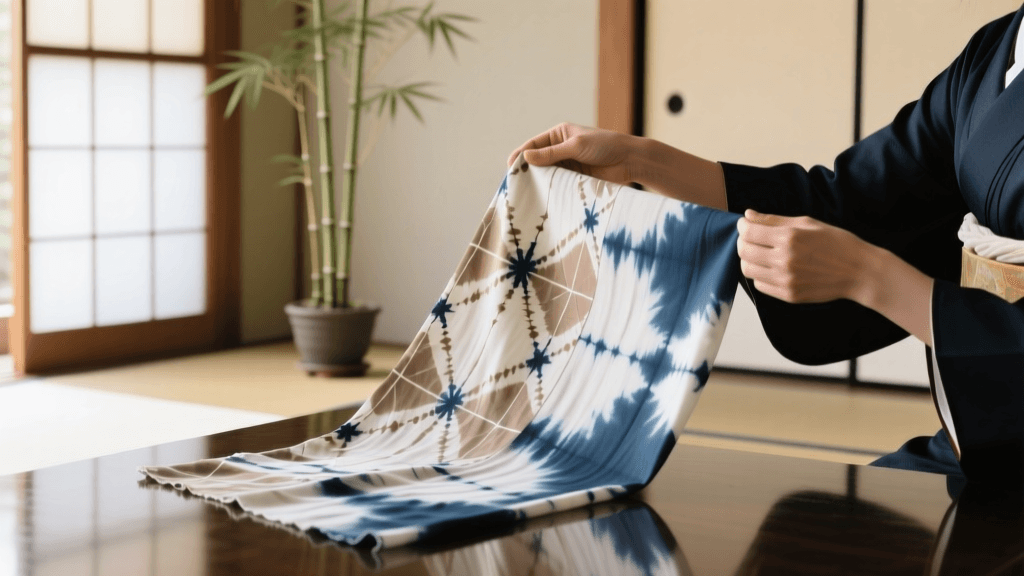
As we navigate the global fashion and cultural preservation landscape of 2026, the appreciation of traditional Japanese garments has evolved far beyond the purely visual. While the intricate dyeing techniques of yuzen and the bold geometry of kasuri continue to captivate the eye, a profound renaissance is occurring in the realm of the sensory experience. Today, collectors, wearable art enthusiasts, and cultural historians are increasingly focused on the tactile and auditory signatures of the kimono. This multi-sensory approach reveals a hidden language woven into the very threads of Japanese heritage, where the drape, weight, temperature, and even the sound of the fabric play crucial roles in the wearer's connection to the garment.
The Japanese concept of sawari (the specific hand-feel or touch of a fabric) and oto (sound) are not mere afterthoughts; they are central to the philosophy of traditional dress. In 2026, immersive cultural exhibitions and advanced textile conservation efforts are highlighting these sensory dimensions, allowing a new generation to understand how a kimono is meant to be felt and heard, rather than just seen.
The Auditory Signature: Understanding "Kinu-zure"
One of the most poetic and highly prized aspects of wearing a silk kimono is the sound it produces in motion. Known in Japanese as kinu-zure (the rustling of silk), this distinct acoustic signature is created by the friction of tightly twisted silk threads rubbing against one another as the wearer walks. The sound is often described as a crisp, whispering shari-shari, a high-frequency rustle that signals elegance, refinement, and a commanding presence.
The acoustic properties of a kimono are heavily dictated by its weave. Chirimen (silk crepe), which utilizes a plain weave with highly over-twisted weft threads, produces the most pronounced and celebrated kinu-zure. The micro-texture created by these twisted threads acts like thousands of tiny acoustic ridges. In contrast, rinzu (satin damask), with its long, smooth floating threads, produces a much softer, muted glide, almost entirely silent, making it the preferred choice for formal, solemn occasions where quiet grace is paramount.
"The sound of a silk kimono is the voice of the garment itself. It announces the wearer's arrival and dictates the rhythm of their movement, grounding them in a state of mindful awareness." — 2026 Kyoto Textile Acoustic Project Symposium
Historical context provided by institutions like the Metropolitan Museum of Art underscores how the layering of garments in the Heian and Edo periods amplified these acoustic properties. Multiple layers of silk rubbing together created a complex, multi-tonal rustle that was deeply embedded in the courtly aesthetics of ancient Japan, a tradition that modern artisans are meticulously preserving today.
Tactile Sensations Across the Seasons
The traditional Japanese calendar, divided into 72 micro-seasons, demands a wardrobe that responds to subtle shifts in climate. The tactile sensation of a kimono is therefore intrinsically linked to seasonal awareness, providing physical feedback that connects the wearer to the natural world.
Summer: The Cooling Stiffness of Ro and Sha
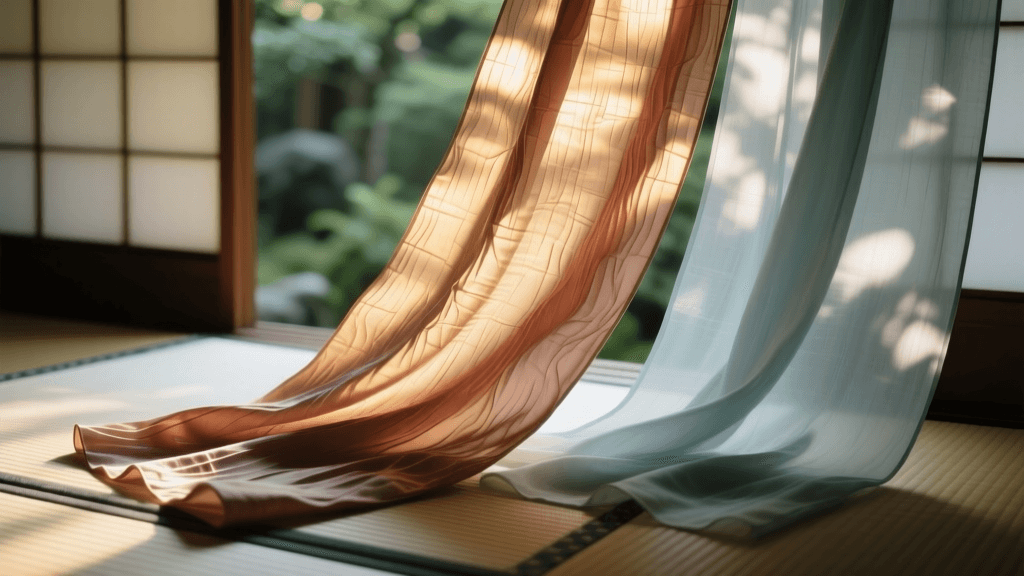
During the humid Japanese summer, the tactile experience shifts toward breathability and cooling. Ro and sha are sheer, gauze-like silk weaves created using the karami (leno) technique, where warp threads are twisted around each other to lock the weft in place, creating intentional gaps in the fabric. Tactilely, ro is surprisingly stiff and crisp compared to winter silks. This stiffness is a deliberate sensory feature: it prevents the fabric from clinging to the skin, allowing air to circulate and providing a psychological and physical sensation of coolness. When you run your hand across a high-quality 2026 ro kimono, you feel a distinct, papery resistance that is instantly refreshing.
Winter: The Supple Warmth of Omeshi and Tsumugi
As temperatures drop, the tactile profile shifts to warmth, weight, and suppleness. Omeshi, a heavy, pre-dyed crepe silk, offers a dense, grippy texture that traps heat and provides a reassuring, weighted drape over the shoulders. Tsumugi (pongee), spun from silk noil or short fibers, offers a completely different sensation. It lacks the slippery sheen of filament silk, presenting instead with a nubby, cotton-like texture that feels incredibly warm and organic against the skin. The legendary Oshima Tsumugi, mud-dyed and woven with microscopic precision, feels like a second skin—supple, matte, and deeply comforting in the winter chill.
2026 Sensory Exhibitions and Preservation
In 2026, the preservation of traditional garments has entered a groundbreaking new phase. Because antique silk becomes brittle and fragile over time, handling Edo-period kimono to experience their texture and sound is no longer viable. To solve this, Japanese preservation societies have launched the "Acoustic and Haptic Textile Archive." Using parabolic microphones and advanced laser-vibrometry, conservators are recording the exact acoustic fingerprints and friction coefficients of 19th-century silks before they degrade further.
Furthermore, the foundational research into garment construction and layering, extensively documented by the Victoria and Albert Museum, has been adapted into 2026's immersive museum experiences. Visitors in Kyoto and Tokyo can now don haptic-feedback gloves and directional audio headsets to "feel" the weight of a 12-layer Heian juni-hitoe and hear the exact kinu-zure of antique chirimen without risking damage to the irreplaceable artifacts.
Comparison Chart: Kimono Fabric Sensory Profiles
Understanding the distinct sensory profiles of different weaves is essential for collectors and wearers in 2026. Below is a comprehensive breakdown of how the most prominent kimono fabrics interact with the senses.
| Fabric Type | Weave Technique | Tactile Sensation (Sawari) | Auditory Profile (Oto) | Best Season |
|---|---|---|---|---|
| Chirimen (Crepe) | Plain weave, high-twist weft | Pebbled, grippy, substantial | Crisp, high-frequency rustle | Spring / Autumn |
| Rinzu (Damask) | Satin weave with floating threads | Smooth, buttery, heavy drape | Muted, soft, nearly silent | Winter / Formal |
| Ro (Summer Gauze) | Leno (karami) twist weave | Stiff, crisp, breathable, cool | Light, papery swish | Summer |
| Sha (Gauze) | Open plain weave | Soft, sheer, lightweight | Whisper-quiet, airy | Summer |
| Oshima Tsumugi | Pre-dyed pongee (noil silk) | Nubby, matte, supple, warm | Deep, muffled friction | Winter |
| Habutae | Dense plain weave | Slick, fluid, cool to the touch | Smooth, sliding glide | Year-round (Lining) |
How to Curate Your Sensory Kimono Wardrobe in 2026
For those looking to build a kimono wardrobe that prioritizes the sensory experience, the 2026 vintage and artisan markets offer incredible opportunities, provided you know what to look for and what to pay.
- Perform the "Rub Test": When visiting antique markets like Kyoto's Toji Temple Kobo-san or Tokyo's Oedo Antique Market, gently rub the fabric between your thumb and forefinger. Authentic vintage chirimen will produce a distinct, audible squeak and a pebbled resistance. If it feels completely smooth, it is likely a synthetic blend or a satin weave mislabeled as crepe.
- Invest in Seasonal Contrast: A well-rounded sensory wardrobe requires extreme contrasts. Pair a stiff, cooling ro kimono for July and August with a heavy, textured omeshi for January. The physical transition between these garments deepens your appreciation for the changing seasons.
- Understand 2026 Pricing: High-quality, unblemished vintage chirimen kimono currently range from ¥65,000 to ¥120,000 in specialized Kyoto shops. Bespoke, hand-woven ro garments from master weavers in the Nishijin district have seen a surge in demand, often starting at ¥250,000. Synthetic or mass-produced modern replicas, which completely lack the acoustic properties of true twisted silk, can be found for under ¥15,000 but are not recommended for a true sensory experience.
- Mind the Lining (Juban): The sensory experience is not just about the outer shell. The silk nagajuban (under-kimono) provides the crucial tactile layer against your skin. In 2026, breathable, moisture-wicking silk-copper blends are popular for summer juban, offering a cool, metallic slickness that enhances the overall feeling of temperature regulation.
Conclusion
The kimono is not merely a canvas for visual art; it is an immersive, multi-sensory environment that the wearer inhabits. By paying attention to the crisp rustle of chirimen, the cooling stiffness of summer ro, and the supple warmth of winter tsumugi, we unlock a deeper, more profound connection to Japanese textile traditions. As preservation technologies and mindful fashion practices continue to advance in 2026, the auditory and tactile magic of the kimono remains as vibrant and essential as ever, inviting us to not just look at history, but to truly feel and hear it.