Guide To Japanese Kimono Apprenticeships & Schools 2026
The Evolution of Japanese Garment Education in 2026
The global renaissance of traditional Asian garments has reached a pivotal moment in 2026. As fast fashion faces increasing scrutiny for its environmental impact, a new generation of designers and artisans is turning toward the meticulous, sustainable, and deeply spiritual practices of Japanese garment making. Whether it is the intricate silk weaving of Nishijin or the resist-dyeing mastery of Kaga Yuzen, learning to craft a traditional kimono is not merely about acquiring technical skills; it is an immersion into a centuries-old way of life. For international and domestic students alike, navigating the pathways of Japanese fashion education requires understanding the stark contrast between the ancient deshi (apprenticeship) system and modern institutional schooling. This comprehensive guide explores how to master traditional Japanese garment making in 2026, detailing the costs, cultural expectations, and practical steps to enter this revered field.
The Traditional Deshi (Apprenticeship) System
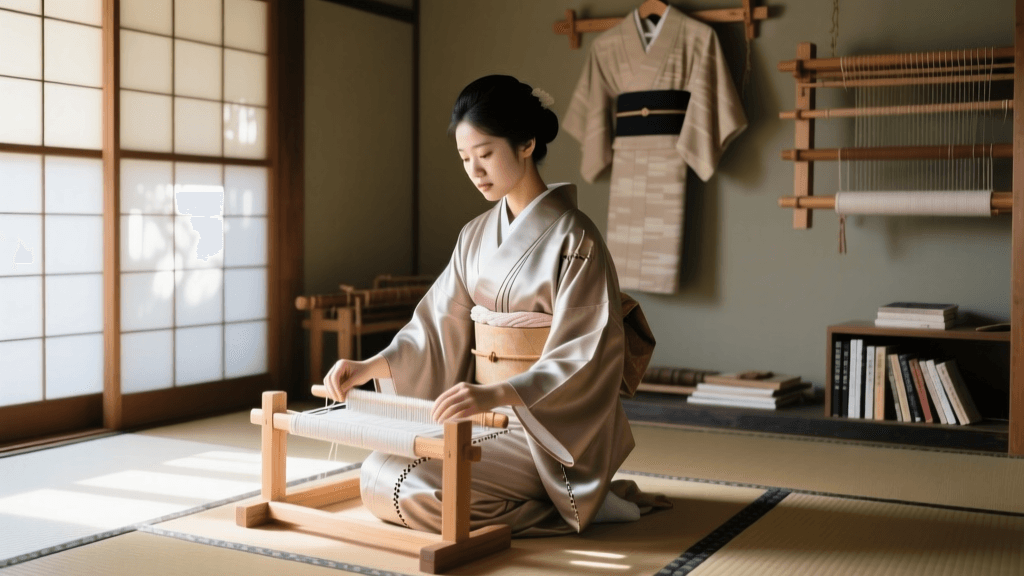
In Japan, the transmission of artisanal knowledge has historically relied on the deshi system, a master-disciple relationship rooted in Zen Buddhism and Confucian ideals of respect and hierarchy. Unlike Western education, which prioritizes rapid skill acquisition and theoretical frameworks, the deshi system emphasizes character building, patience, and sensory attunement. An apprentice in 2026 still begins their journey not by touching silk or mixing dyes, but by sweeping the workshop floors, preparing teas, and observing the master’s subtle body movements. This life stage, known as minarai (learning by observation), can last for years. The sensory experience of the workshop is paramount; an apprentice must learn to judge the humidity of the air by the feel of the silk threads, or the exact fermentation state of an indigo vat by its scent. According to the Kyoto Traditional Industries Support Center, preserving these intangible cultural properties requires a holistic dedication that modern classrooms struggle to replicate.
Nishijin Weaving Apprenticeships in Kyoto
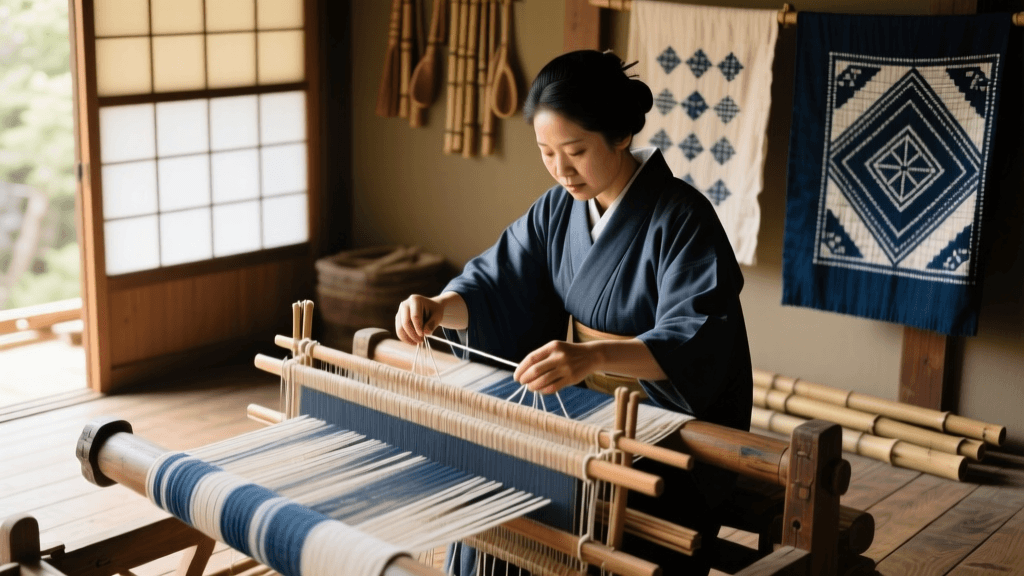
Kyoto’s Nishijin district remains the epicenter of Japan’s luxury textile production. Nishijin-ori (Nishijin weaving) is characterized by its use of pre-dyed threads to create elaborate, tapestry-like patterns. Entering a Nishijin weaving house as an apprentice in 2026 means immersing yourself in a symphony of mechanical and manual labor. While modern Jacquard looms handle complex digital punch cards, the foundational skills of warp preparation, thread twisting, and loom maintenance are taught entirely by hand. Apprentices spend their first two years mastering the tension of the warp threads—a skill that requires a delicate tactile sensitivity. The physical toll is significant, but the reward is the ability to weave textiles that are considered national treasures.
Yuzen Dyeing Masters in Kanazawa and Kyoto
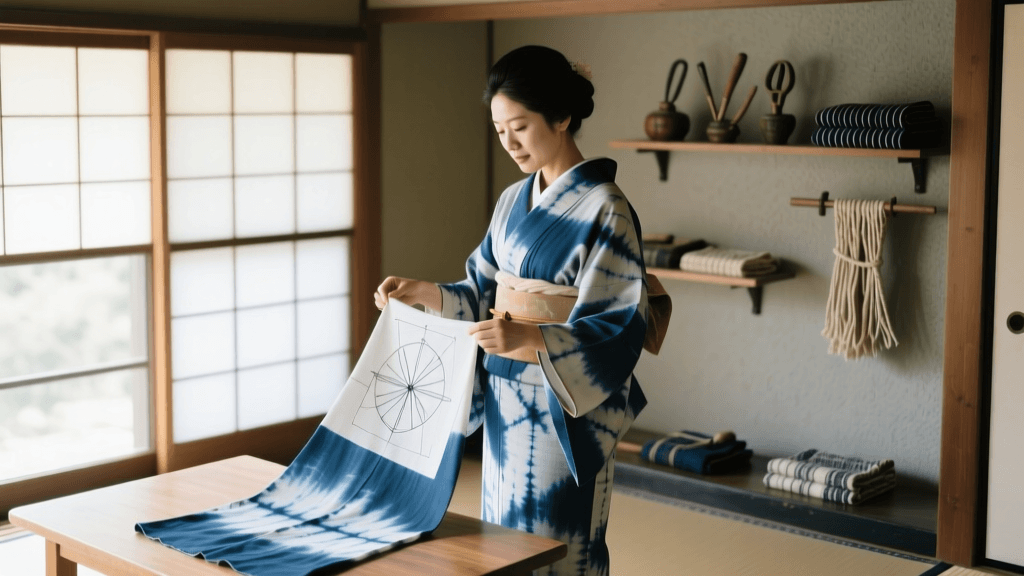
For those drawn to color and painting, Yuzen dyeing offers a profoundly artistic apprenticeship. Kaga Yuzen, originating in Kanazawa, is famous for its realistic, nature-inspired motifs and the absence of embroidery or gold leaf, relying entirely on the brush. An apprentice must learn to apply itome-nori (rice paste resist) with a steady hand, a process that dictates the crispness of the final design. In 2026, master dyers are increasingly seeking apprentices who possess a background in fine arts, yet the traditional requirement of enduring freezing water washes in winter rivers to remove the resist paste remains a rite of passage that tests an apprentice's physical and mental fortitude.
Modern Institutions: Bunka Fashion College and Beyond
For students seeking a more structured, time-bound education that bridges traditional techniques with contemporary global fashion, institutions like Bunka Fashion College in Tokyo remain the gold standard. For the 2026 academic year, Bunka has expanded its Department of Fashion Craft and Textile Design to include dedicated modules on the history of the kosode (the precursor to the modern kimono) and advanced shibori (tie-dye) techniques. Bunka’s approach is highly analytical; students deconstruct traditional garments to understand their geometric, zero-waste pattern-making principles. Furthermore, the integration of 3D digital draping software allows students to visualize how traditional silk crepes (chirimen) behave in motion before cutting a single thread. This institutional route is ideal for those who wish to launch international brands infused with Japanese heritage.
Integrating Zen Spirituality and Sensory Experience
Whether in a Kyoto weaving house or a Tokyo design studio, the philosophy of mono no aware (the ephemeral nature of things) and Zen mindfulness permeates Japanese fashion education. Artisans are taught to respect the life cycle of the materials. The sensory experience of working with natural dyes—such as the earthy, metallic tang of iron mordants or the sweet, grassy aroma of fresh indigo leaves—grounds the artisan in the present moment. In 2026, as the fashion industry grapples with burnout and hyper-accelerated trend cycles, the meditative, slow-paced environment of traditional Japanese textile workshops offers a profound antidote, teaching students that true luxury is inextricably linked to time and human devotion.
2026 Comparison: Apprenticeship vs. Formal Schooling
Choosing the right educational pathway depends heavily on your career goals, financial situation, and tolerance for strict cultural hierarchies. Below is a structured comparison of the two primary routes available in 2026.
| Feature | Traditional Deshi (Apprenticeship) | Bunka Fashion College (Formal) |
|---|---|---|
| Duration | 3 to 10 years | 2 to 4 years |
| Primary Focus | Mastery of a single craft (e.g., weaving, dyeing) | Broad fashion design, pattern-making, and textile science |
| 2026 Annual Cost | Free (Apprentices receive ~150,000 JPY/month stipend) | ~1,400,000 JPY tuition + material fees |
| Language Requirement | JLPT N1/N2 (Archaic workshop dialects) | JLPT N2 (Bilingual support available) |
| Living Arrangement | Communal workshop housing (Spartan) | Private student dormitories or independent apartments |
| Career Outcome | Independent Artisan, Heritage Preservationist | Global Fashion Designer, Brand Director, Educator |
Practical Steps to Apply in 2026
Securing a position in either a traditional workshop or a modern fashion school requires meticulous planning, particularly for international applicants. As of 2026, the Japanese government has streamlined the 'Designated Activities' visa for foreign artisans, provided they are accepted into a recognized traditional craft preservation program.
- Language Proficiency: While Bunka Fashion College offers some bilingual support, a traditional deshi apprenticeship requires a minimum of JLPT N2 fluency. Masters communicate in highly specialized, archaic dialects and technical jargon that standard language apps do not cover.
- Portfolio Preparation: Modern schools require digital portfolios showcasing pattern-making and draping. Conversely, traditional masters require a physical portfolio demonstrating hand-stitching, brushwork, and an essay on your philosophical connection to Japanese aesthetics.
- Financial Realities: Tuition at Bunka Fashion College for the 2026 academic year averages 1,400,000 JPY (approximately $9,500 USD) annually, excluding materials. In contrast, a traditional apprenticeship does not charge tuition; apprentices receive a modest monthly stipend to cover basic living expenses, though they are expected to live in communal housing attached to the workshop.
- The Interview Process: Apprenticeship interviews are less about technical skill and more about character assessment. Masters will observe how you sit, how you hold your tea cup, and how you respond to silence.
The Role of Trade Preservation in the 2020s
The survival of these educational pathways is heavily supported by organizations documented by the Japan National Tourism Organization and the Ministry of Economy, Trade and Industry (METI). In 2026, METI expanded the 'Next-Gen Artisan Grant,' which subsidizes the living costs of foreign and domestic apprentices who commit to opening their own studios in rural depopulated areas after their training. This initiative aims to reverse the aging demographic of master weavers and dyers, ensuring that the life stages of an artisan—from novice to independent master—remain viable career paths rather than fading historical footnotes. By understanding both the rigid beauty of the deshi system and the innovative curriculum of modern institutions, aspiring artisans can find their unique place in the ongoing story of Japanese traditional garments.