2026 Guide to Kimono for Birth, Coming-of-Age & Memorials
The Enduring Role of Kimono in 2026 Family Milestones
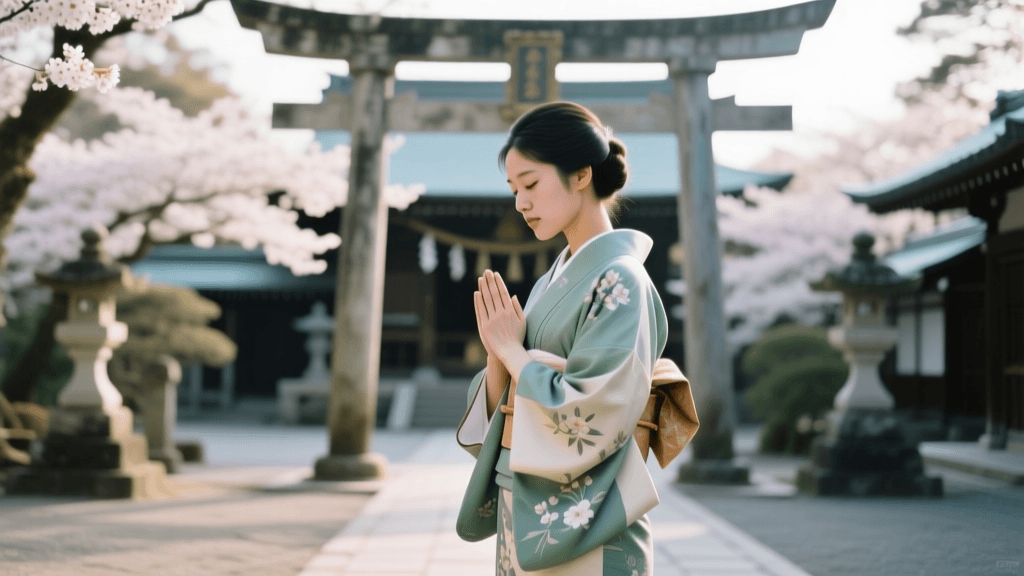
Despite the rapid modernization of daily fashion in Japan, the traditional kimono remains the ultimate symbol of respect, celebration, and solemnity during pivotal family milestones. As we navigate 2026, the ceremonial kimono landscape is experiencing a fascinating renaissance. Driven by a desire for sustainability and a deeper connection to heritage, modern families are blending centuries-old etiquette with contemporary styling, vintage upcycling, and eco-conscious rentals. Whether welcoming a newborn, celebrating the transition to adulthood, or honoring ancestors during memorial services, understanding the nuanced rules of ceremonial dress is essential. This comprehensive guide explores the specific garments, 2026 trends, and practical planning required for Japan's most significant family ceremonies.
Omiyamairi: Welcoming the Newborn
Omiyamairi is a traditional shrine visit that takes place approximately one month after a baby is born, serving to thank the deities for the safe delivery and to pray for the child's health. The sartorial focus of this ceremony is a beautiful blend of infant purity and adult elegance.
The Baby's Attire
The newborn is traditionally dressed in a white cotton undergarment called a shirogi, symbolizing purity. Over this, the baby is wrapped in a brightly colored, intricately embroidered outer kimono known as an iwai-gi. In 2026, popular motifs for baby boys include hawks, kabuto (samurai helmets), and carp, while baby girls are often adorned with peonies, cherry blossoms, and cranes. A ceremonial cord (denpō) is tied around the neck, and the baby is often cradled in a traditional wicker basket (yurikago).
Adult Attire: Homongi and Tsukesage
While the mother and grandmother historically wore highly formal kurotomesode (black kimono with crests) for Omiyamairi, the 2026 trend has shifted significantly. Due to rising summer temperatures and a preference for softer aesthetics, families are opting for tsukesage or homongi in pastel spring and autumn hues. These semi-formal garments feature elegant, continuous patterns that flow across the seams but are less visually heavy than solid black silk. Lightweight, breathable silk blends and high-quality synthetic washable silks have become incredibly popular for summer Omiyamairi visits, allowing mothers to comfortably manage the infant while maintaining ceremonial grace.
Shichi-Go-San: The Childhood Bridge
Held annually on November 15th, Shichi-Go-San celebrates children aged three, five, and seven. While not strictly a 'birth' ceremony, it is the immediate bridge to adolescence. Three-year-old girls wear a vibrant kimono paired with a hifu (a padded, sleeveless vest) to hide the complex obi knot, making it comfortable for toddlers. Seven-year-old girls wear their first full, adult-style obi tied in a decorative knot. Five-year-old boys don their first hakama (pleated trousers) and haori (jacket), often featuring bold, auspicious motifs like pine trees or treasure ships.
A major trend in 2026 is the rise of 'location photography' (roke-shatsu). Instead of relying solely on studio backdrops, parents are booking professional photographers at iconic shrines in Kyoto, Kamakura, and Nikko. Consequently, rental shops have upgraded their children's inventory to feature stain-resistant, durable fabrics that can withstand outdoor autumn excursions while looking indistinguishable from traditional silk on camera.
Seijin-shiki: The Coming-of-Age Milestone
Seijin no Hi (Coming-of-Age Day) is held on the second Monday of January, celebrating those who have reached the age of maturity. Although Japan legally lowered the age of adulthood to 18 in 2022, municipalities and families in 2026 continue to celebrate Seijin-shiki at age 20. This ensures the ceremony does not clash with the intense university entrance examination period that 18-year-olds face.
Furisode: The Pinnacle of Youthful Elegance
Unmarried young women celebrate by wearing a furisode, a kimono characterized by its long, swinging sleeves that can reach up to 114 centimeters. The furisode is the most formal kimono available to unmarried women. In 2026, the styling of furisode has become highly personalized. While classic floral motifs remain beloved, there is a massive surge in 'neo-classical' and 'Taisho-roman' vintage styles. Young women are sourcing upcycled vintage furisode from the 1920s and 1930s, pairing them with modern, oversized obi-jime (decorative cords) and contemporary kanzashi (hair ornaments) crafted from sustainable acrylics and recycled metals.
Men's Hakama and Modern Tailoring
For young men, the traditional choice is the montsuki hakama—a solid black kimono bearing five family crests, paired with striped silk hakama and a black haori jacket. However, 2026 data indicates that while 70% of young men opt for Western business suits, the 30% who choose traditional wear are pushing boundaries. Deep navy, charcoal, and even subtle emerald green hakama are gaining traction, often paired with haori jackets featuring understated geometric patterns or subtle jacquard weaves that catch the winter light.
Mourning and Memorial Services: Obon, Ohigan, and Funerals
The kimono's role in times of grief is governed by strict, unwavering etiquette. Understanding the distinction between immediate mourning and subsequent memorial services is critical to avoiding severe social faux pas.
Mofuku: The Garment of Deepest Mourning
Mofuku is the formal mourning kimono worn exclusively by the immediate family of the deceased during the funeral and the subsequent 49-day mourning period. It is crafted from matte black silk, devoid of any dyed patterns, and bears five family crests (itsutsu-mon). In 2026, the strictness of mofuku remains absolute. It must be paired with matte black zori sandals, black tabi socks, and a black obi. Absolutely no shiny silk, metallic threads, or colorful accessories are permitted.
Iro-Mofuku and Subsequent Memorials
For memorial services that occur after the 49th day—such as the first-year anniversary, Obon (the summer festival of the dead), and Ohigan (the spring and autumn equinoxes)—family members transition to iro-mofuku (colored mourning wear). These garments feature subdued, melancholic colors like slate grey, deep navy, dark plum, or forest green. They typically bear one to three family crests. The 2026 approach to iro-mofuku emphasizes high-quality matte crepe silk (chirimen), ensuring the fabric absorbs light rather than reflecting it, maintaining a respectful, somber aesthetic while allowing for slightly more comfort during summer Obon gatherings.
Seasonality and Fabric Choices for 2026 Ceremonies
One of the most complex aspects of kimono etiquette is seasonality. In 2026, with shifting climate patterns, adapting traditional fabric rules to modern weather is a priority for ceremonial planners.
- Awase (Lined Kimono): Worn from October to May. This is the standard for Seijin-shiki in January and Shichi-Go-San in November, providing necessary winter warmth.
- Hitoe (Unlined Kimono): Traditionally worn in June and September. In 2026, due to extended autumns, hitoe are frequently worn well into late October for outdoor shrine visits.
- Ro and Sha (Summer Gauze): Worn in July and August. For summer Omiyamairi or Obon memorials, these sheer, breathable fabrics are essential. Modern 2026 iterations often feature specialized UV-blocking weaves to protect the wearer during intense midday sun.
2026 Ceremony Planning: Rental vs. Purchase vs. Upcycling
Planning a ceremonial kimono involves significant financial and logistical considerations. Below is a comparative analysis of the three primary acquisition methods available to families in 2026.
| Acquisition Method | Estimated Cost (JPY / USD) | Pros | Cons | Best For |
|---|---|---|---|---|
| Full Rental Package | ¥50,000 - ¥250,000 ($330 - $1,650) | Includes professional dressing, hair styling, and all accessories. No storage or maintenance required. | Limited sizing options; strict return deadlines; garments may show minor wear. | Seijin-shiki, Omiyamairi, and one-off attendees. |
| Bespoke Purchase | ¥300,000 - ¥1,500,000+ ($2,000 - $10,000+) | Perfect custom fit; becomes a family heirloom; unlimited wearing time; supports traditional artisans. | Extremely expensive; requires specialized climate-controlled storage; months of lead time. | Mofuku for immediate family, multi-generational heirlooms. |
| Vintage Upcycling | ¥30,000 - ¥120,000 ($200 - $800) | Highly sustainable; unique designs not found in modern catalogs; significantly more affordable. | Requires separate purchases for obi and accessories; may need professional cleaning or minor repairs. | Eco-conscious youth, Shichi-Go-San, secondary memorial services. |
Professional Kitsuke and Styling Services
The art of dressing in a kimono, known as kitsuke, is a highly specialized skill. For formal ceremonies, attempting to dress oneself is rare and often discouraged unless one is a certified practitioner. In 2026, professional kitsuke services are a booming industry. The average cost for professional dressing ranges from ¥5,000 for a simple yukata or children's kimono to ¥15,000 or more for complex furisode or formal mourning wear.
A significant 2026 innovation is the rise of 'mobile kitsuke' services. Rather than traveling to a salon early in the morning and risking damage to the garment during transit, certified stylists travel directly to the family's home or hotel room. This is particularly beneficial for Omiyamairi, allowing the mother to be dressed safely after the baby has been fed and settled, minimizing stress on the day of the shrine visit.
Preserving Tradition in a Modern Era
The continued relevance of the kimono in family ceremonies is a testament to its profound emotional resonance. According to cultural heritage guidelines outlined by the Agency for Cultural Affairs in Japan, the transmission of intangible cultural properties like traditional dress relies heavily on these active, multi-generational family ceremonies. The garments are not merely clothing; they are vessels of familial memory, carrying the prayers of ancestors and the hopes of the newborn.
Furthermore, regional tourism and cultural boards highlighted by the Japan National Tourism Organization have noted a 2026 surge in international residents and visitors participating in simplified ceremonial kimono experiences, fostering a broader global appreciation for these meticulous traditions. Cultural exchange programs supported by the Japan Foundation continue to emphasize that understanding the 'when, where, and why' of ceremonial wear is the first step toward truly respecting Japanese heritage.
Whether you are selecting a vibrant furisode for a daughter's coming-of-age, a breathable homongi for a summer shrine visit, or a somber iro-mofuku to honor a departed loved one, the kimono remains an unparalleled medium for expressing the deepest human emotions. By embracing both the strict etiquette of the past and the sustainable innovations of 2026, families ensure that these magnificent garments will continue to grace Japan's most sacred milestones for generations to come.