Japanese Natural Plant Dyes: Eco-Friendly Methods for 2026
The Renaissance of Kusaki-zome in 2026
The global fashion industry is undergoing a radical transformation as stringent environmental regulations take full effect in 2026. At the forefront of this shift is the revival of Kusaki-zome, the traditional Japanese art of plant dyeing. Moving away from petrochemical-based synthetic dyes, modern artisans and sustainable fashion houses are turning to ancient Japanese botanicals. However, this is not merely a return to the past; it is a sophisticated integration of heritage techniques with cutting-edge, closed-loop ecological systems. According to the UNEP's Sustainable Fashion initiative, the transition to bio-based colorants is one of the most critical steps in reducing the textile industry's toxic water effluent. In 2026, Japanese natural dye plants are being cultivated, harvested, and processed using zero-waste biomass methods, setting a new global standard for eco-friendly garment production.
Top Japanese Natural Dye Plants for Sustainable Textiles
While Japan boasts hundreds of dye-producing plants, three botanicals have emerged as the pillars of the 2026 sustainable textile movement due to their scalability, colorfastness, and low environmental impact.
Ai (Japanese Indigo) and Closed-Loop Fermentation
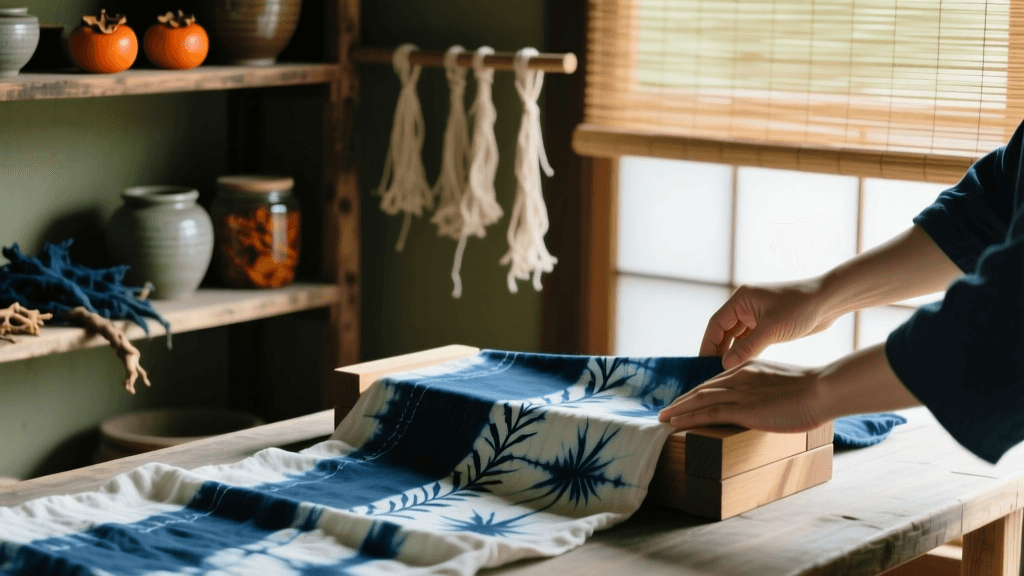
Japanese indigo, derived from the leaves of Polygonum tinctorium, is arguably the most famous of all natural dyes. Traditionally, the leaves are composted into sukumo and fermented in an alkaline vat. In 2026, the Tokushima indigo cooperatives have pioneered 'closed-loop fermentation vats.' These systems utilize solar-assisted thermal regulators and automated micro-climate sensors to monitor the vat's Oxidation-Reduction Potential (ORP). By maintaining the precise anaerobic environment required for indigo reduction without relying on synthetic chemical reducers like sodium hydrosulfite, artisans preserve the living microbiome of the vat. The water used in the dyeing process is filtered through bio-char and mycelium networks, allowing it to be endlessly recirculated. This method yields the iconic deep 'Japan Blue' while reducing water consumption by up to 70% compared to conventional industrial dyeing.
Kakishibu (Persimmon Tannin) and Zero-Waste Biomass
Kakishibu is a brown, tannin-rich liquid extracted from the juice of unripe persimmons. Historically used to strengthen paper and waterproof textiles, kakishibu has found a massive resurgence in 2026 as a natural, non-toxic alternative to PFAS (forever chemicals) in outerwear and bag linings. The sustainability of kakishibu lies in its source: it is produced entirely from agricultural byproducts. Persimmon farmers naturally thin their orchards, discarding thousands of unripe fruits. Modern dye houses collect this 'waste' biomass, crush it, and ferment it for up to two years. When applied to organic cotton or hemp and cured in ultraviolet sunlight, the tannins polymerize, creating a durable, water-resistant, and insect-repellent finish known as shibuzome. This circular model ensures that no new land or water resources are diverted solely for dye production.
Akane (Japanese Madder) and Soil-Regenerative Harvesting
Akane (Rubia argyi) produces a spectrum of vibrant reds and deep oranges from its roots. Historically, harvesting madder required uprooting the plant, which could lead to soil degradation. In 2026, sustainable farms in Nara and Kyoto have adopted soil-regenerative harvesting techniques. Akane is now grown in companion-planting systems alongside nitrogen-fixing legumes, which restore soil health between harvest cycles. Furthermore, the traditional reliance on mined aluminum alum as a mordant has been largely replaced by Symplocos, a bio-mordant plant that naturally accumulates aluminum in its leaves. This eliminates the need for heavy-metal mining and ensures that the spent dye baths are entirely safe to return to the local watershed.
Eco-Friendly Extraction Methods: A 2026 Comparison
To understand the environmental advantages of these botanicals, it is essential to look at the metrics driving the 2026 sustainable apparel market. The following table compares the ecological footprint and technological innovations associated with Japan's top three natural dyes.
| Botanical Name | Common Name | Primary Color Yield | 2026 Eco-Innovation | Water Footprint Reduction |
|---|---|---|---|---|
| Polygonum tinctorium | Ai (Indigo) | Deep Blue / Navy | Mycelium bio-filtration and ORP-monitored living vats | 70% reduction via closed-loop recirculation |
| Diospyros kaki | Kakishibu (Persimmon) | Earth Brown / Amber | Upcycled agricultural thinning waste; PFAS replacement | 85% reduction (uses raw juice, minimal rinse water) |
| Rubia argyi | Akane (Madder) | Crimson / Orange-Red | Symplocos bio-mordanting and regenerative companion farming | 50% reduction via low-temperature extraction |
Building a Zero-Waste Dye Studio in 2026
For independent designers and small-scale garment manufacturers looking to integrate Japanese natural dyes into their 2026 collections, setting up an eco-friendly studio requires a departure from conventional chemical workflows. The Ellen MacArthur Foundation's circular fashion reports emphasize that circularity must be designed into the studio infrastructure from day one.
- Implement Bio-Filtration Systems: Never dump spent dye baths down the drain. Install a three-stage bio-filter using activated carbon, sand, and oyster mushroom mycelium. This naturally breaks down organic tannins and allows the water to be reused for scouring raw textiles.
- Utilize Natural Ash Lye (Hai-aku): Instead of purchasing commercially produced, synthetically derived sodium hydroxide to build your indigo vat, burn untreated hardwood scraps from local carpenters to create white ash. Steeping this ash in water yields a highly alkaline, natural lye that feeds the indigo bacteria without introducing toxic salts into the ecosystem.
- Solar Thermal Heating: Extraction of colors from wood barks and roots traditionally requires hours of boiling. Modern 2026 studios utilize solar thermal water heaters to maintain extraction vats at a steady 80°C (176°F), drastically cutting reliance on the electrical grid.
- Compost Spent Biomass: The exhausted plant matter left over after dye extraction is rich in nutrients. Partner with local community gardens to compost spent madder roots and indigo leaves, returning vital organic matter to the soil.
Sourcing Authentic, Sustainably Grown Dye Plants
The integrity of a natural dye is only as strong as the soil it was grown in. In 2026, transparency in the supply chain is non-negotiable. When sourcing sukumo (indigo compost) or aged kakishibu, it is crucial to purchase from certified organic cooperatives that practice regenerative agriculture. Organizations highlighted by Sustainable Japan have established direct-to-artisan supply chains that utilize carbon-neutral shipping logistics. Look for suppliers that provide a digital 'soil passport'—a blockchain-verified ledger detailing the soil health, water usage, and fair-wage labor practices of the specific farm in Tokushima or Nara where your botanicals were cultivated.
Conclusion
The integration of Japanese natural dye plants into modern garment production is no longer a niche artisanal pursuit; it is a vital, scalable solution to the fashion industry's pollution crisis. By embracing the eco-friendly methods of 2026—from closed-loop indigo vats and upcycled persimmon tannins to bio-mordanted madder—designers can create textiles that are not only visually breathtaking but deeply restorative to the planet. As we continue to navigate an era of strict environmental accountability, the ancient wisdom of Kusaki-zome offers a brilliant, sustainable blueprint for the future of global fashion.