The 2026 Guide to Styling the Traditional Japanese Haori
The Renaissance of the Haori in 2026
The Japanese haori, a traditional hip- or thigh-length jacket worn over a kimono, has transcended its historical roots to become a cornerstone of global sustainable fashion in 2026. Originally popularized by samurai in the Muromachi period and later adopted by women in the Edo period as a symbol of elegance and defiance, the haori is now celebrated for its structural versatility. Unlike the highly regulated and complex kimono, the haori is left open at the front, making it an incredibly accessible layering piece for contemporary wardrobes. As the fashion industry pivots heavily toward circularity and heritage garments, the haori offers a perfect blend of artisanal history and modern utility.
According to extensive archives detailing the evolution of Japanese dress, such as those maintained by the Victoria and Albert Museum, the haori's transition from a purely functional outer garment to a high-fashion statement piece reflects a broader global appreciation for Japanese textile arts. In 2026, stylists and fashion enthusiasts are no longer reserving the haori for ceremonial occasions; instead, they are integrating it into daily streetwear, office attire, and avant-garde evening looks.
Anatomy and Textile Innovations
To style the haori effectively, one must first understand its anatomy and the modern textiles being used to craft it. A standard women's haori measures approximately 32 inches in length from the base of the collar to the hem, with a sleeve drop (sode) of around 19 inches. The garment features a distinct collar (eri) that folds back to reveal the intricate lining (ura), which historically showcased hidden artistic expressions. Today, that lining often features bold, contemporary digital prints or contrasting sustainable fabrics.
In 2026, the textile landscape for traditional garments has shifted dramatically. While vintage silk crepe (chirimen) remains highly sought after, modern Japanese mills in Kyoto and Nishijin are pioneering 'peace silk' (ahimsa silk) and recycled synthetic blends that mimic the drape of traditional silk without the environmental toll. A vintage silk haori in excellent condition typically ranges from $180 to $450 in the current market, while contemporary peace-silk models from certified Kyoto artisans retail between $320 and $600. These sustainable innovations ensure that the garment's legacy continues without compromising modern ethical standards.
Four Essential Styling Techniques for the Modern Wardrobe
1. The Streetwear Drape
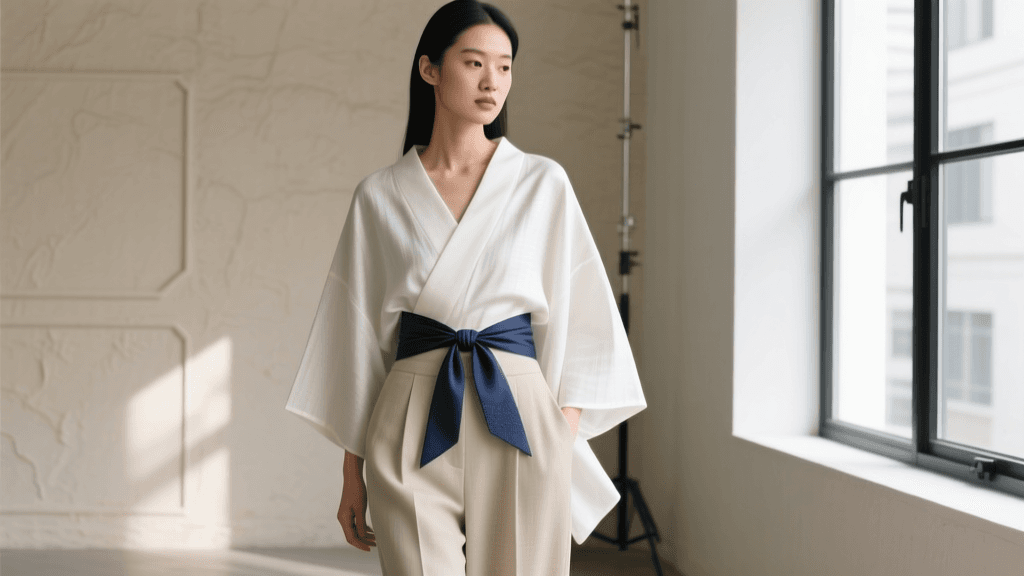
The most popular way to wear a haori in 2026 is as an oversized duster coat. Pair a deep indigo Shibori (tie-dye) haori with high-waisted, wide-leg linen trousers. For the ideal silhouette, aim for trousers with a 20-inch leg opening and a 32-inch inseam. Underneath, wear a fitted, ribbed merino wool turtleneck in a neutral tone like oatmeal or charcoal. This look balances the voluminous sleeves of the haori with a structured lower half, creating a striking, avant-garde streetwear ensemble perfect for transitional autumn weather.
2. The Belted Silhouette
While traditionally worn open, the belted haori has become a staple for evening wear and gallery openings. Select a lighter, unlined silk haori (hitoe) featuring a subtle metallic weave. Layer it over a sleek, bias-cut slip dress. Instead of a traditional obi, cinch the haori at the natural waist using a thin, structured leather belt or a modern braided kaku-obi inspired cord. This technique defines the waist and prevents the boxy cut of the jacket from overwhelming the wearer's frame, proving that historical garments can easily adapt to modern body-conscious styling.
3. The Layered Formal
For those attending formal cultural events or tea ceremonies, the haori remains an essential layer of respect and warmth. In 2026, the trend is to pair a solid black crepe haori (kurohaori) featuring a single family crest (mon) with a brightly colored, patterned iromuji kimono. The stark contrast between the dark, formal jacket and the vibrant inner garment creates a sophisticated depth. Ensure the kimono sleeves are properly aligned with the haori sleeves, allowing just an inch of the inner silk to peek out at the cuffs.
4. The Cropped Contemporary
Modern designers have introduced the cropped haori, ending just above the hip bone. This style is ideal for pairing with high-waisted denim or tailored culottes. The cropped length maintains the traditional wide sleeves and folded collar but offers a proportion that feels inherently modern and less cumbersome for active, urban lifestyles. Styling this with a simple white organic cotton t-shirt and leather loafers bridges the gap between Eastern heritage and Western minimalism.
2026 Haori Comparison and Styling Chart
Choosing the right haori depends heavily on the occasion, the fabric weight, and your personal style goals. Below is a comprehensive guide to the most common types available in 2026.
| Haori Type | Best Occasion | 2026 Price Range (USD) | Ideal Styling Pairing |
|---|---|---|---|
| Vintage Silk Shibori | Casual Streetwear / Art Events | $180 - $350 | Wide-leg linen trousers, fitted turtleneck |
| Modern Peace Silk (Solid) | Office / Smart Casual | $320 - $450 | Tailored culottes, silk camisole |
| Kurohaori (Black Crested) | Formal Ceremonies / Tea Events | $250 - $600 | Traditional iromuji kimono, zori sandals |
| Cotton/Linen Blend (Cropped) | Summer Festivals / Daily Wear | $120 - $280 | High-waisted denim, organic cotton tee |
Accessorizing: Haori Himo and Contemporary Footwear
No haori ensemble is complete without the haori himo, the decorative ties used to secure the jacket at the chest. Traditionally braided using the meticulous kumihimo technique, these ties have seen a massive resurgence in 2026. Modern artisans are incorporating recycled metallic threads, dyed hemp, and even upcycled ocean plastics into the braids, creating ties that are both eco-friendly and visually stunning. When styling for a casual look, many fashion-forward individuals are opting to leave the himo untied, allowing the jacket to flow freely, or replacing the traditional ties with minimalist silk ribbons.
Footwear is equally critical. While traditional lacquered zori sandals remain the standard for formal kimono wear, the global impact of Japanese garments has encouraged cross-cultural footwear pairings. As noted in cultural analyses by the BBC, the integration of Japanese silhouettes into Western fashion has led to innovative styling choices. In 2026, pairing a casual silk haori with chunky leather loafers, minimalist white sneakers, or even knee-high suede boots is widely accepted and highly fashionable, grounding the ethereal drape of the silk with solid, contemporary footwear.
Garment Care and Preservation
Investing in a haori requires a commitment to proper garment care, especially for vintage silks and modern peace silks which can be sensitive to environmental factors. Never hang a silk haori on a wire or thin wooden hanger, as the weight of the garment will distort the shoulder seams and stretch the delicate chirimen crepe. Instead, store your haori flat in a paulownia wood box (tansu) or wrap it in unbleached, acid-free cotton cloth (tatou-shi).
If you live in a humid climate, place natural cedar blocks or silica gel packets in the storage area to prevent mold and deter insects. Avoid direct sunlight, which will rapidly fade the natural dyes used in both vintage and contemporary pieces. When cleaning is necessary, do not attempt to wash silk haori at home. Professional kimono cleaning services (arai-hari), which involve unsewing the garment, washing the fabric panels, and re-sewing it, typically cost between $85 and $150 in 2026. For minor spot cleaning, a specialized dry-cleaning solvent applied with a soft microfiber cloth is sufficient. For deeper historical context on the construction and preservation of these layered garments, the Metropolitan Museum of Art provides invaluable resources on the evolution of Japanese textile preservation.
Conclusion
The traditional Japanese haori is far from a relic of the past. In 2026, it stands as a testament to the enduring power of thoughtful design, sustainable textiles, and cross-cultural styling. Whether you are draping a vintage Shibori piece over modern streetwear or cinching a contemporary peace-silk jacket for an evening out, the haori offers unparalleled versatility. By understanding its anatomy, respecting its care requirements, and embracing modern styling techniques, you can seamlessly integrate this masterpiece of Asian tradition into your everyday wardrobe.