Top Japanese Fashion Blogs for Traditional Garments 2026
The Intersection of Heritage and Digital Journalism
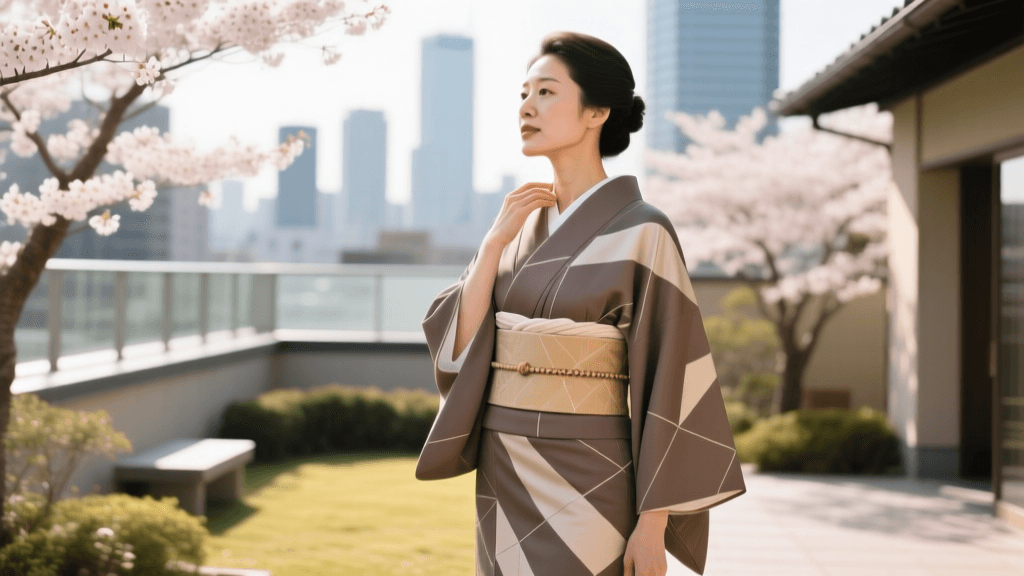
Japan’s fashion landscape has always been a fascinating dichotomy, balancing the hyper-modern streetwear of Harajuku with the centuries-old heritage of Kyoto’s textile districts. In 2026, the bridge between these two worlds is being built by a new generation of Japanese fashion journalism blogs and online magazines. Digital editors, independent street-style photographers, and heritage textile advocates are utilizing online platforms to document, preserve, and modernize wafuku (traditional Japanese clothing). For global enthusiasts, vintage collectors, and cultural historians, these digital publications offer an unprecedented look into how traditional garments like the kimono, yukata, haori, and hakama are being reimagined for contemporary life.
Unlike the glossy, print-heavy fashion magazines of the past, the 2026 digital journalism ecosystem in Japan is highly interactive, niche, and deeply educational. Bloggers are not just showcasing outfits; they are providing comprehensive guides on kitsuke (the art of kimono dressing), reviewing sustainable silk weavers, and analyzing the socio-cultural shifts driving the genderless traditional wear movement. This article explores the leading Japanese fashion blogs and online magazines championing traditional garments in 2026, the trends they are setting, and how international readers can leverage these resources.
The Evolution of Japanese Fashion Journalism in 2026
The transition from print to digital in Japanese fashion media has fundamentally changed how traditional garments are covered. Historically, magazines like Kimono Biyori or Utsukushii Kimono served as the primary authorities on formal wear, seasonal motifs, and ceremonial dressing. While print editions still hold nostalgic and collector value, the real-time conversation has moved to digital substacks, Instagram-led editorial blogs, and specialized web magazines.
According to cultural analyses published in The Japan Times Culture Section, there has been a massive surge in independent digital journalists focusing on the sustainability of traditional textiles. With the global push toward circular fashion in 2026, Japanese bloggers are at the forefront of documenting the remake kimono movement—upcycling damaged vintage silks into modern two-piece sets, tote bags, and even tech-wear shells. These online magazines provide a vital archive of techniques that might otherwise be lost, blending high-fashion editorial photography with grassroots crafting tutorials.
Leading Online Magazines and Blogs for Wafuku
Tokyo Fashion: Street Style Meets Heritage
While globally recognized for its avant-garde street style photography, Tokyo Fashion has increasingly dedicated its digital columns to the integration of traditional garments into youth subcultures. In 2026, their editorial team frequently documents how Tokyo’s creative class pairs vintage haori (traditional jackets) with wide-leg denim, or how hakama (pleated trousers) are being styled with chunky sneakers. Their blog serves as a visual database for those looking to understand how traditional silhouettes function in a fast-paced, urban environment.
Vogue Japan’s Digital Culture Hub
High-fashion editorials featured on Vogue Japan have carved out a dedicated digital space for luxury traditional textiles. Their 2026 editorial series focuses heavily on the master weavers of Nishijin-ori and Yuzen dyeing techniques, profiling the young artisans taking over family workshops. For readers interested in the luxury segment of traditional garments, Vogue Japan’s digital essays provide deep dives into the pricing, sourcing, and artistic significance of hand-painted silk, making it an essential resource for high-end collectors and fashion academics.
Independent Kitsuke Bloggers and Substacks
The most actionable advice for wearing traditional garments comes from independent digital journalists and kimono influencers who run niche blogs and newsletter platforms. These creators focus on the mechanics of dressing. They review modern obi (sashes) with pre-tied bows, test weather-resistant zori (sandals) for rainy seasons, and publish detailed size-conversion charts for international buyers navigating Japanese secondhand markets. Their content is highly practical, often featuring video-embedded tutorials on achieving the perfect ohashori (the fold at the waist) for different body types.
Key Traditional Garment Trends Covered in 2026
By closely following Japanese digital fashion journalism this year, several distinct trends have emerged that are reshaping the global perception of Asian traditional wear:
- Climate-Adaptive Yukata: With summers in Japan growing increasingly hot and humid, digital magazines are heavily reviewing shijira-ori (seersucker-like cotton) and advanced linen-blend yukatas. Bloggers are testing the breathability and drape of these modern textiles, recommending specific weaves that maintain traditional aesthetics while offering superior cooling properties.
- Genderless Wafuku: The rigid gender binaries historically associated with kimono patterns and sleeve lengths are being dismantled. Online editors are highlighting brands and vintage shops that market komon (everyday kimono) and happi coats as entirely gender-neutral, focusing on adjustable sizing and minimalist, nature-inspired motifs that appeal to all wearers.
- Tech-Integrated Obi Accessories: Fashion tech blogs are covering the rise of subtle, wearable technology integrated into traditional accessories. This includes obi-jime (decorative cords) woven with reflective threads for nighttime visibility, and climate-controlled undergarments designed specifically to keep the wearer cool beneath heavy silk layers during formal ceremonies.
Print vs. Digital: How Traditional Fashion Media Compares
Understanding the difference between legacy print media and modern digital blogs is crucial for researchers and enthusiasts sourcing information in 2026. The table below outlines the primary distinctions between these two journalistic mediums.
| Feature | Legacy Print Magazines | Digital Blogs & Online Magazines |
|---|---|---|
| Update Frequency | Quarterly or Seasonal | Daily to Weekly |
| Primary Focus | Formal wear, ceremonial rules, luxury brands | Street style, upcycling, daily wear, global sourcing |
| Interactivity | Static imagery and text | Embedded video tutorials, affiliate links, community forums |
| Audience Reach | Primarily domestic, older demographics | Global, younger demographics, international collectors |
| Sizing & Fit Advice | Standardized Japanese measurements | Inclusive sizing, DIY alteration guides, global conversions |
Actionable Guide: Navigating Japanese Fashion Blogs
For international readers, language barriers can make accessing Japanese fashion journalism challenging. However, the 2026 digital landscape offers several practical workarounds to fully immerse yourself in this niche:
- Leverage Visual Search and Hashtags: Japanese fashion bloggers heavily utilize X (formerly Twitter) and Instagram. Follow specific, high-volume hashtags such as #着物コーデ (Kimono Coordinate), #和装 (Japanese Clothing), and #リメイク着物 (Remake Kimono). These tags act as curated, real-time digital magazines.
- Utilize Browser Translation Extensions: While auto-translation tools can sometimes struggle with highly specific textile terminology (like the difference between shibori and kasuri), using side-by-side translation extensions allows you to view the original Japanese text alongside English interpretations, helping you build a specialized vocabulary.
- Follow the Secondhand Market Pipeline: Many digital journalists link directly to their curated picks on Yahoo! Auctions Japan or Mercari. By following these blog affiliates, international buyers can identify reputable vintage sellers, understand current market pricing for specific eras (such as Taisho-era romantics), and learn how to spot synthetic blends mislabeled as pure silk.
The Global Ripple Effect of Digital Wafuku Journalism
The meticulous documentation provided by Japanese fashion blogs in 2026 has a profound impact on the global traditional garment market. When a prominent Tokyo-based digital magazine highlights a specific regional dyeing technique—such as the indigo shibori of Arimatsu—global demand spikes almost instantaneously. International vintage dealers, Etsy curators, and sustainable fashion designers rely on these Japanese online magazines as trend-forecasting tools.
Furthermore, these blogs play a critical role in cultural preservation. By treating traditional garments not as untouchable museum artifacts, but as living, breathing components of a modern wardrobe, Japanese digital journalists are ensuring the survival of the textile arts. They teach a new generation that a 100-year-old silk kimono can be respectfully dismantled and reimagined, or that a casual cotton yukata is the perfect canvas for personal expression. For anyone studying Asian traditions, following these digital publications is no longer optional; it is the most vital, up-to-date method for understanding the living pulse of Japan’s sartorial heritage.