Top Plant-Dyed Hanfu For Qigong And Meditation In 2026
The Intersection of Hanfu, Eco-Dyeing, and Mindful Movement
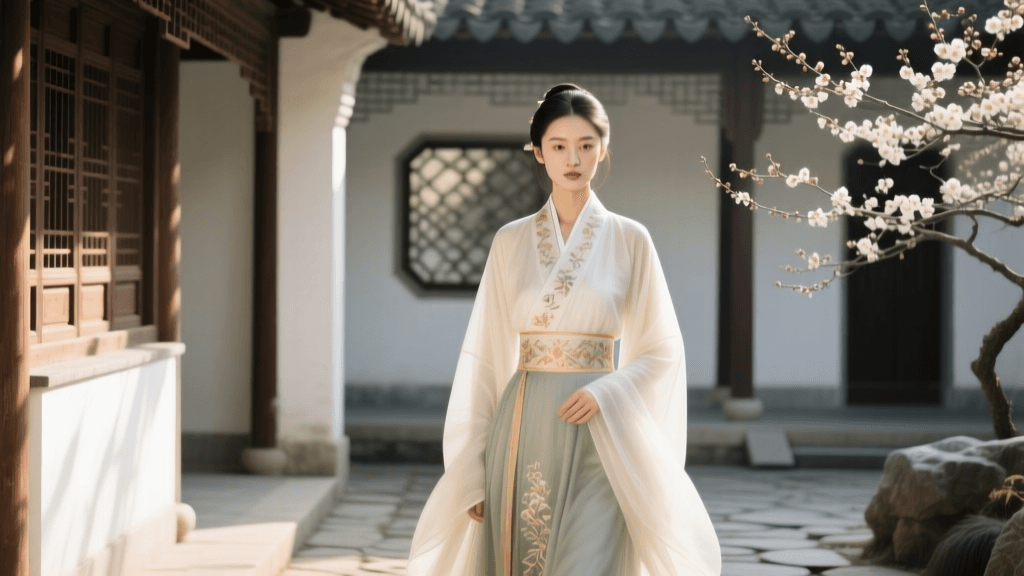
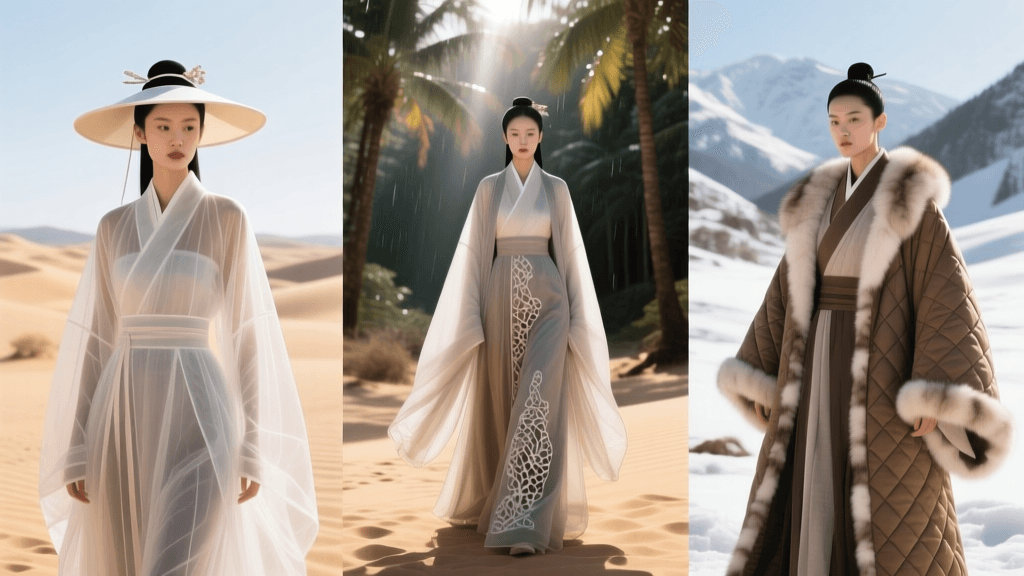
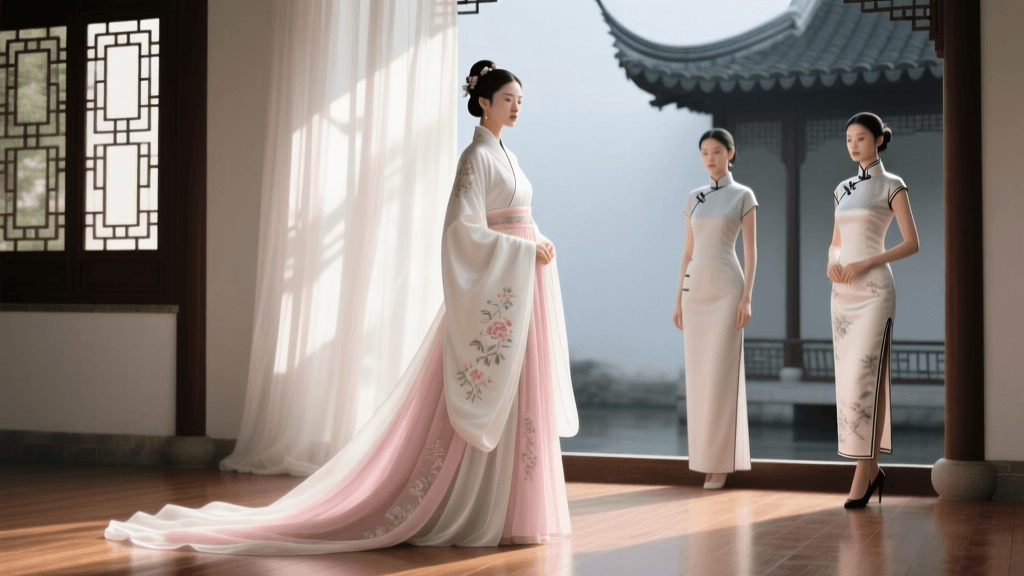
As we navigate the holistic wellness landscape of 2026, the convergence of traditional Asian garments and mindful health practices has reached an unprecedented peak. For practitioners of Qigong and meditation, the clothing worn during practice is no longer just a matter of comfort; it is an extension of the body's energetic field. The modern resurgence of Hanfu has brought with it a profound appreciation for ancient, eco-friendly dyeing methods. When you combine the flowing silhouettes of traditional Chinese garments with the grounding, toxin-free properties of plant-dyed textiles, you create an optimal environment for internal alchemy and deep meditation.
In 2026, wellness enthusiasts are increasingly rejecting synthetic activewear in favor of natural fibers that allow the skin to breathe and the body's Qi (vital energy) to circulate unimpeded. The World Health Organization has continually emphasized the importance of integrating traditional medicine and holistic practices into modern well-being routines. Wearing garments dyed with indigo, madder root, or tea not only connects the practitioner to centuries of Asian heritage but also aligns perfectly with contemporary sustainable living standards.
Why Natural Dyes Matter for Qigong and Meditation
The skin is the body's largest organ, and during deep Qigong practice, the pores open to release internal heat and absorb environmental energy. Synthetic dyes and heavy metal mordants commonly found in fast fashion can disrupt this natural exchange. Plant-based dyes, conversely, possess subtle aromatic and therapeutic properties that enhance the meditative state.
- Thermoregulation: Natural dyes penetrate the core of fibers like linen and peace silk without clogging them, ensuring superior moisture-wicking during vigorous Ba Duan Jin (Eight Brocades) routines.
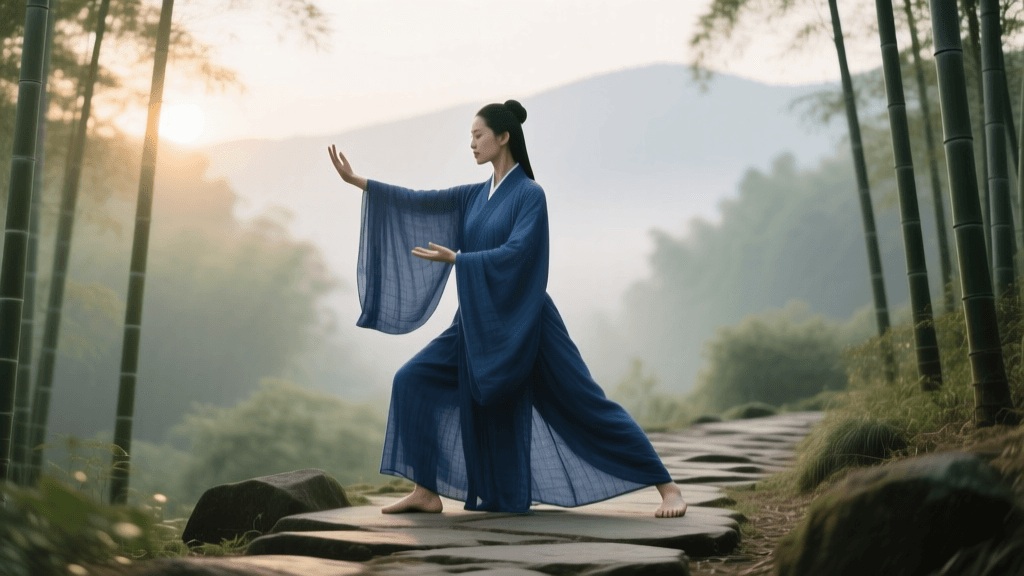
- Energetic Grounding: Earth-derived pigments carry a natural resonance. Indigo, derived from the Persicaria tinctoria plant, is traditionally associated with cooling the mind and calming the Shen (spirit), making it ideal for seated meditation.
- Toxin-Free Environment: By avoiding petrochemical dyes, practitioners ensure their immediate micro-environment remains pure, a core tenet of Feng Shui and internal martial arts.
Top Eco-Friendly Fabrics and Dyes for 2026 Practitioners
Choosing the right combination of textile and dye is crucial for your practice. Below is a comprehensive guide to the most sought-after natural fabric and dye pairings available in the 2026 artisan market.
| Fabric Type | Best Plant Dye Pairing | Qigong/Meditation Benefit | 2026 Avg. Price (USD) |
|---|---|---|---|
| Handwoven Ramie | Fermented Indigo (Lancao) | Highly breathable; cools the body during dynamic Yang movements. | $140 - $220 |
| Peace Silk (Ahimsa) | Madder Root (Qiancao) | Soft against the skin; promotes warmth and blood circulation for Yin practices. | $250 - $380 |
| Organic Hemp Blend | Pagoda Tree Buds (Huaimi) | Durable and grounding; excellent for outdoor Tai Chi and standing meditation (Zhan Zhuang). | $120 - $190 |
| Bamboo Linen | Black Tea & Pomegranate | Antibacterial properties; creates a serene, neutral aesthetic for indoor Zen meditation. | $160 - $240 |
Sourcing Authentic Plant-Dyed Hanfu in 2026
The market for authentic, sustainably produced Hanfu has matured significantly. In 2026, buyers must look beyond mass-produced costumes and seek out certified artisan workshops, particularly those based in Suzhou, Hangzhou, and Jingdezhen, which have pioneered zero-waste dyeing facilities. The United Nations Environment Programme highlights the critical need for sustainable fashion and resource efficiency, a standard that traditional Chinese eco-dyeing naturally meets.
When shopping for a Daopao (traditional Taoist robe) or a Duijin (symmetrical jacket) for your practice, verify the following:
- Mordant Transparency: Authentic artisans use alum, soy milk, or rice vinegar as mordants to fix the dye. Avoid sellers who cannot specify their mordanting process.
- Imperfections as Proof: Natural plant dyes rarely produce perfectly uniform colors. Look for subtle gradients and organic variations, which are hallmarks of hand-dipped textiles.
- Certifications: Look for the 2026 Global Organic Textile Standard (GOTS) or local Chinese intangible cultural heritage certifications on the product tags.
A 20-Minute Qigong Routine for Your Plant-Dyed Hanfu
To fully experience the sensory benefits of your naturally dyed garments, engage in a mindful movement routine. The National Institutes of Health notes that practices like Qigong and Tai Chi significantly improve balance, reduce stress, and enhance overall mind-body awareness. Here is a sequence designed to maximize the flow of your Hanfu sleeves and the breathability of your linen or silk.
1. Two Hands Hold Up the Heavens (5 Minutes)
Stand in a relaxed Wuji posture. As you inhale, sweep your arms outward and upward, palms facing the sky. The wide sleeves of your Duijin will catch the air, providing a gentle, cooling sensation against your forearms. This movement regulates the Triple Burner meridian, aligning your internal organs. As you exhale, bring your palms down the centerline of your body, feeling the natural weight of the plant-dyed fabric settling around you.
2. Drawing the Bow to Shoot the Hawk (10 Minutes)
Step out into a wide horse stance. Cross your wrists in front of your chest, then pull them apart as if drawing a heavy bow. The structural integrity of a hemp-blend Hanfu provides gentle, grounding feedback against your shoulders and thighs during this deep stance. Focus your gaze on the horizon. This movement builds leg strength and expands lung capacity, allowing the natural fibers to absorb and wick away any perspiration effortlessly.
3. Gathering the Qi (5 Minutes)
Return to a standing position. Inhale and sweep your arms out to the sides and up above your head, envisioning gathering pure, healing energy from the universe. Exhale and press your palms down the front of your body, guiding the Qi into your lower Dantian (the energy center below the navel). Close your eyes and feel the soft, non-irritating touch of the peace silk or bamboo linen against your skin, anchoring your mind in the present moment.
Caring for Naturally Dyed Meditation Garments
Plant-dyed Hanfu requires specific care to maintain its therapeutic properties and vibrant, earthy hues. Unlike synthetic fabrics, natural dyes are living pigments that evolve over time.
- Washing: Always hand-wash your garments in cold water using a pH-neutral, plant-based detergent. Avoid harsh alkaline soaps, which can strip the indigo or madder pigments and alter the fabric's energetic resonance.
- Drying: Never wring out peace silk or fine ramie. Gently press the water out and lay the garment flat to dry in the shade. Direct sunlight in 2026's intense UV climate can rapidly fade natural tea and botanical dyes.
- Storage: Store your meditation Hanfu in a breathable cotton bag with dried sandalwood or cedar chips. This prevents moisture buildup and infuses the garment with a subtle, grounding aroma that will trigger a meditative state the moment you put it on.
Conclusion: Embodying Tradition in Modern Practice
The integration of plant-dyed Hanfu into Qigong and meditation is more than a fleeting trend; it is a return to a holistic understanding of the human body and its environment. By choosing garments crafted from organic hemp, ramie, or peace silk, and colored with the roots, leaves, and barks of the earth, you are actively participating in a sustainable, mindful lifestyle. As you move through your forms in 2026, let the gentle sway of your indigo-dyed sleeves serve as a visual and tactile reminder of your connection to nature, tradition, and the vital breath of life.