Vyshyvanka & Ie Embroidery Guide 2026: Sourcing Authentic Linen
The Renaissance of Eastern European Heritage Textiles in 2026
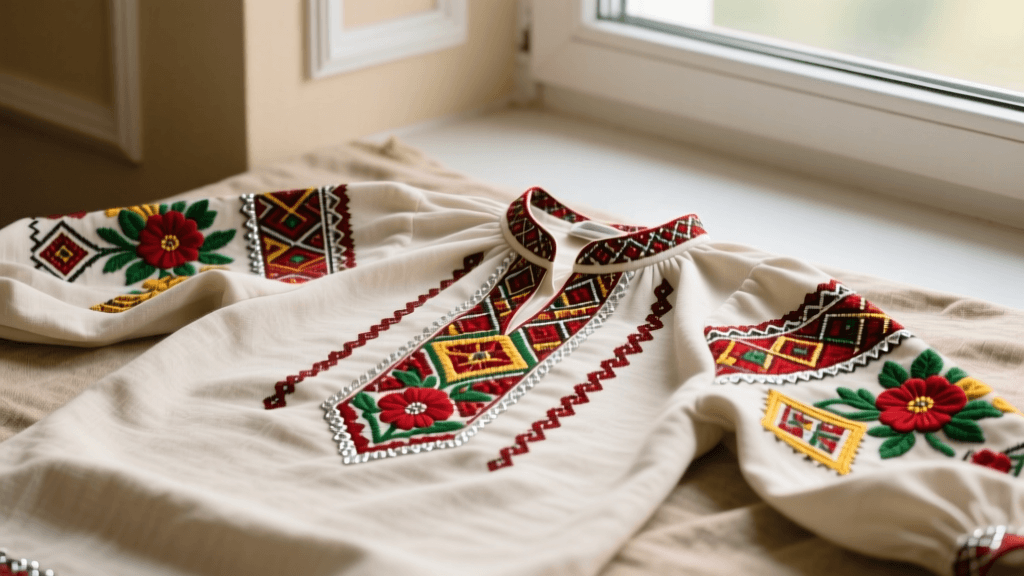
The year 2026 has marked a monumental turning point for Slavic and Balkan folk dress. Driven by the European Union's recent Heritage Textile Sustainability Mandate and a profound global desire for slow, meaningful fashion, traditional garments like the Ukrainian Vyshyvanka and the Romanian Ie are experiencing an unprecedented renaissance. However, as global demand surges, the market has been flooded with mass-produced, machine-embroidered synthetic replicas. For serious artisans, cultural historians, and collectors, distinguishing and sourcing authentic, hand-loomed linen and naturally dyed threads has never been more critical. This comprehensive guide explores the intricate world of Carpathian and Balkan embroidery, providing actionable advice on sourcing genuine materials, understanding regional motifs, and preserving these masterpieces for future generations.
The 2026 Resurgence of Heritage Flax and Hand-Loomed Linen
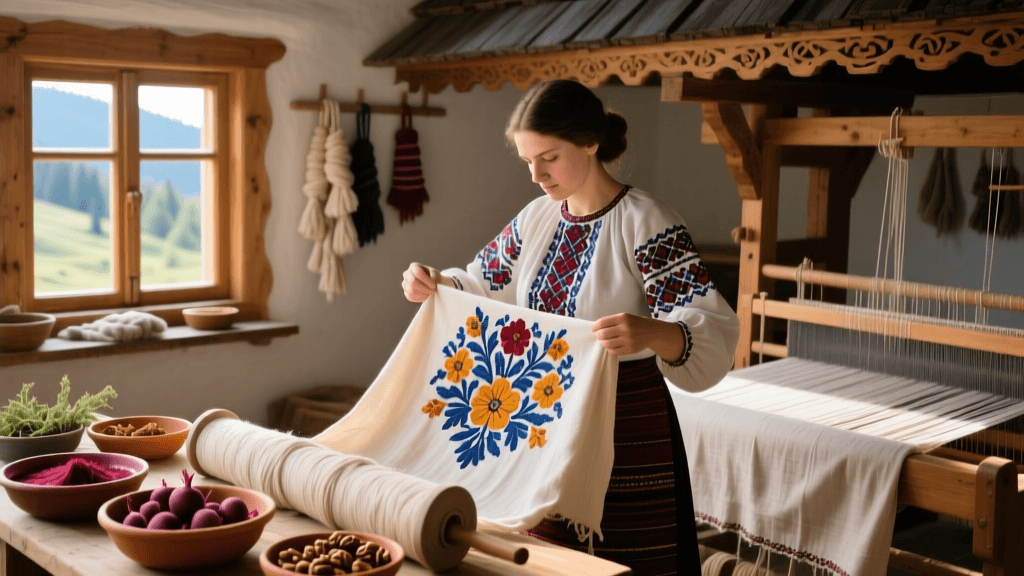
The foundation of any authentic Vyshyvanka or Ie is the fabric. Historically, Eastern European peasants cultivated flax, harvested it, and processed it through a grueling months-long journey of retting, scutching, and hackling before weaving it on wooden floor looms. In 2026, thanks to targeted agricultural grants in Ukraine and Romania, heritage flax farming has returned to the Carpathian foothills and the Transylvanian plateau. Authentic hand-loomed linen is characterized by its slight irregularities in the warp and weft, a distinct crispness that softens beautifully over decades, and a natural, unbleached ecru hue.
When sourcing base fabrics in 2026, buyers must look for cooperatives that utilize traditional dew-retting methods rather than chemical water-retting. Dew-retting produces a stronger, more lustrous fiber with a naturally warm, grey-beige tone that serves as the perfect canvas for natural dyes. Expect to pay between €45 and €65 per meter for genuine, artisan-woven heritage linen this year, a price that reflects the immense labor and the revitalization of rural weaving communities.
Regional Comparison: Hutsul vs. Maramureș Traditions
While both the Ukrainian Hutsul region and the Romanian Maramureș region share the Carpathian mountain range, their textile traditions diverge beautifully in color, geometry, and structural composition. Understanding these differences is vital for accurate historical reproduction and culturally respectful contemporary design.
| Feature | Hutsul Vyshyvanka (Ukraine) | Maramureș Ie (Romania) |
|---|---|---|
| Base Fabric | Heavyweight hand-loomed linen or hemp blend | Fine, lightweight hand-loomed linen or cotton-linen mix |
| Primary Colors | Vibrant orange, deep black, forest green, and brick red | Monochromatic black, deep indigo, or subtle earthy browns |
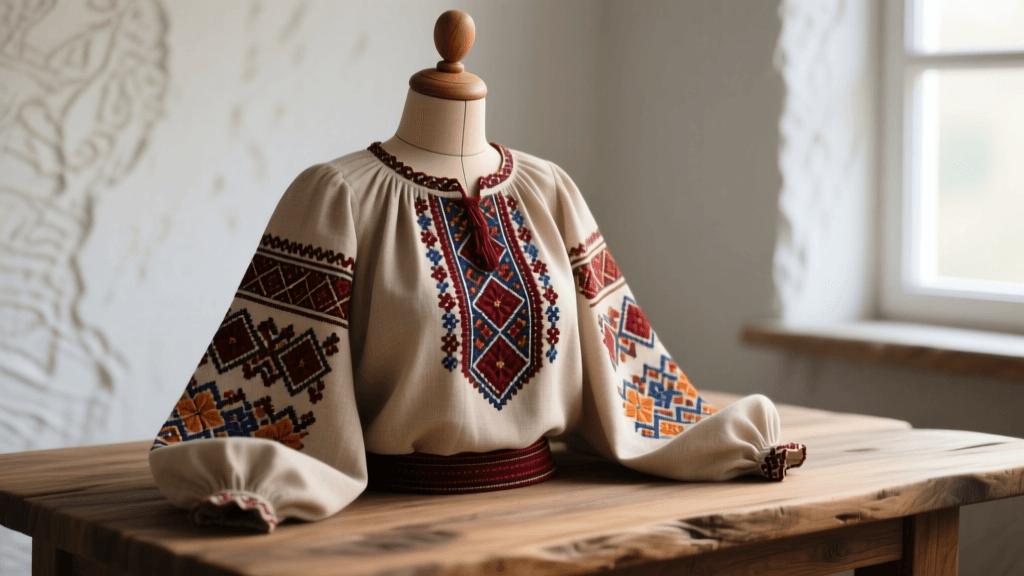
| Dominant Motifs | Geometric stars, rhombuses, and the 'tree of life' | Botanical vines, sun wheels, and the 'altita' shoulder block |
| Signature Stitch | Nyz (darning stitch) and Zavolikannya (running stitch) | Altița (dense shoulder block) and Incret (gathered neckline) |
| 2026 Avg. Artisan Cost | €350 - €600 (depending on thread count and silk usage) | €400 - €750 (reflecting the extreme density of the altita) |
Decoding the Stitches: Nyz, Zavolikannya, and Altița
To authenticate a piece, one must examine the reverse side of the embroidery. Traditional Eastern European needlework demands that the back of the garment be nearly as neat as the front. The Ukrainian nyz stitch is a form of surface darning where the thread is woven in and out of the fabric's warp threads, creating a reversible, geometric pattern. The zavolikannya is a horizontal running stitch that creates dense, banded patterns, often used to depict stylized mountains or rivers.
In contrast, the Romanian Ie is defined by its structural anatomy. The most sacred element is the altița, a dense, rectangular block of embroidery located on the shoulder. According to the UNESCO Intangible Cultural Heritage archives, the altița is not merely decorative; it is a protective talisman guarding the wearer's physical and spiritual boundaries. Below the altița lies the incret (a transitional gathering stitch), followed by the râuri (rivers), which are vertical or diagonal bands of embroidery flowing down the sleeve. In 2026, master artisans in Maramureș are increasingly using magnification loupes to execute micro-stitches that mimic 19th-century museum pieces, utilizing silk threads that catch the light in ways modern cotton cannot replicate.
Sourcing Natural Dyes and Authentic Threads in 2026
The shift away from synthetic aniline dyes is complete among top-tier heritage brands. In 2026, the most sought-after embroidery threads are spun from Carpathian merino wool or mulberry silk, dyed using historical botanical recipes. Sourcing these materials requires connecting directly with specialized dye houses in Eastern Europe.
- Madder Root (Rubia tinctorum): Cultivated in the Balkans, madder provides the iconic brick-red and deep orange hues found in Hutsul textiles. Authentic madder requires a mordant of alum and cream of tartar to achieve colorfastness.
- Walnut Hulls (Juglans regia): Used extensively in Romanian mourning dress and everyday work blouses, walnut hulls yield rich, complex browns and deep greys. The tannins in the hulls act as a natural mordant, making it incredibly colorfast.
- Woad (Isatis tinctoria): Before the importation of tropical indigo, Eastern Europeans relied on woad for their blues. Revivalist dye workshops in Ukraine are currently producing limited batches of woad-dyed silk, prized for its slightly greyish, organic undertone.
For comprehensive historical context on natural dyeing and textile conservation, the Victoria and Albert Museum's textile archives remain an invaluable resource for understanding how historical mordants affect the longevity of organic fibers. When purchasing threads in 2026, always request a 'lightfastness and washfastness' certificate from the dyer, as natural dyes require specific pH-neutral care.
A Step-by-Step Sourcing Guide for Modern Artisans
Whether you are an independent designer integrating folk motifs into contemporary fashion or a collector seeking museum-quality garments, follow this actionable sourcing protocol:
- Verify the Loom Width: Authentic hand-woven linen is typically woven on narrow looms, resulting in fabric widths of 40cm to 60cm. If a supplier offers 150cm wide 'hand-loomed' linen, it is almost certainly mill-woven on modern power looms.
- Examine the Selvedge: Hand-loomed fabric will have a distinct, slightly thicker selvedge edge where the weaver turned the shuttle. This edge is often incorporated into the garment's seams to prevent fraying without the need for modern overlocking.
- Request the 'Reverse' Photo: Always ask the artisan for a high-resolution photograph of the inside of the embroidery. Machine embroidery will show a chaotic web of bobbin threads and jump-stitch cuts, whereas hand-stitched nyz or altița will display a clean, mirrored, or neatly carried thread path.
- Trace the Cooperative: In 2026, legitimate artisan cooperatives in Ukraine and Romania utilize blockchain-backed supply chain ledgers to prove the origin of their flax and the fair-wage compensation of their embroiderers. Request the digital provenance token before making high-value purchases.
Caring for and Preserving Heritage Garments
Investing in authentic Slavic and Balkan folk dress requires a commitment to proper preservation. The combination of organic linen, protein-based silk threads, and botanical dyes makes these garments sensitive to modern laundering techniques. Never use enzymatic detergents, as they will degrade the silk threads and strip the natural oils from the linen.
Instead, wash garments by hand in cool water using a specialized, pH-neutral textile conservation soap. According to preservation guidelines highlighted by Smithsonian Folkways and allied cultural institutions, textiles should never be wrung out. Roll the garment in a clean, dry cotton towel to gently press out moisture, then lay it flat on a drying rack away from direct sunlight to prevent the natural dyes from photobleaching. When storing, wrap the garment in acid-free tissue paper and place it in a breathable cotton bag; never use plastic, which traps moisture and encourages the growth of mold on natural fibers.
Conclusion: Wearing History in the Modern Era
The Vyshyvanka and the Ie are far more than beautiful garments; they are woven manuscripts of Eastern European history, carrying the cosmological beliefs, agricultural rhythms, and protective prayers of generations past. As we navigate the textile landscape of 2026, the responsibility falls on us as consumers and artisans to support the genuine custodians of these traditions. By prioritizing hand-loomed heritage flax, demanding natural botanical dyes, and understanding the profound regional distinctions between Hutsul geometry and Maramureș botanicals, we ensure that the true soul of Slavic and Balkan folk dress continues to thrive, uncorrupted by the shortcuts of fast fashion.