Hangzhou vs Suzhou Brocade: Choosing Cheongsam Silk 2026
The Renaissance of the Cheongsam in 2026
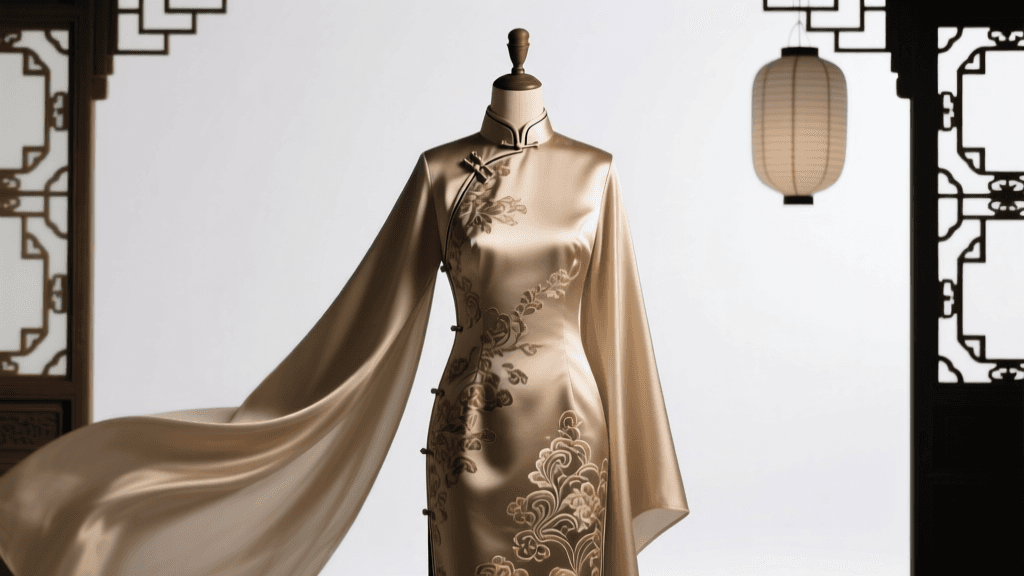
The cheongsam, also known as the qipao, has evolved from a symbol of 1920s Shanghai modernity into a dynamic, living garment that continues to define East Asian sartorial elegance. As we navigate the fashion landscape of 2026, the demand for bespoke, sustainably sourced, and historically grounded cheongsams has reached unprecedented heights. Discerning collectors and modern wearers alike are no longer satisfied with mass-produced synthetic blends; instead, they are seeking out authentic, heritage-grade silk textiles that honor the garment's rich lineage while meeting contemporary ethical standards. At the heart of this bespoke revival is the critical choice between two titans of Chinese textile production: Hangzhou silk and Suzhou brocade. Understanding the distinct structural and aesthetic properties of these fabrics is essential for anyone commissioning or crafting a custom cheongsam this year.
According to historical archives preserved by institutions like The Metropolitan Museum of Art, the mastery of Chinese silk has been a cornerstone of global textile trade for millennia. Today, that legacy continues through specialized regional techniques that dictate how a cheongsam will drape, wear, and age. Choosing the wrong fabric can result in a garment that buckles at the seams or fails to achieve the iconic, fluid silhouette that defines the qipao. This comprehensive guide breaks down the technical specifications, 2026 market pricing, and tailoring requirements for Hangzhou and Suzhou textiles, ensuring your next commission is a masterclass in traditional Asian garment construction.
Hangzhou Silk: The Master of Fluidity and Drape
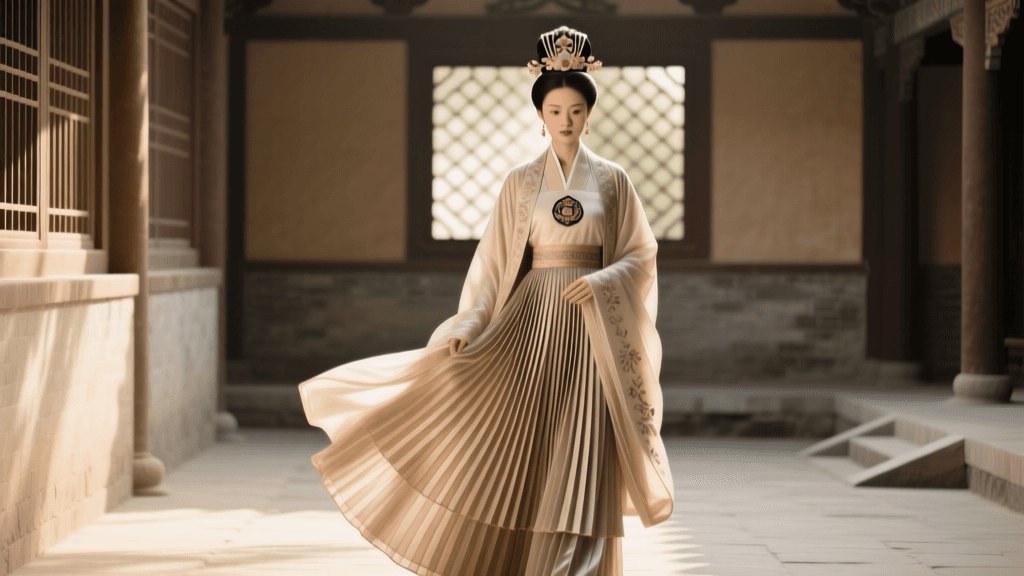
Hangzhou, the historic capital of China's Zhejiang province, is globally renowned for its lightweight, lustrous silks, particularly its crepes and satins. When envisioning the classic, form-fitting cheongsam of the 1930s—which relies heavily on the bias cut to cling to the body's natural curves without the need for excessive darting—Hangzhou silk is the undisputed champion. The fabric's natural elasticity and liquid drape allow it to move seamlessly with the wearer, creating a silhouette that is both modest and profoundly elegant.
Technical Specifications and Momme Weights
In 2026, the standard measurement for silk weight remains the 'momme' (mm). For a high-quality cheongsam, you must look for Hangzhou silk in the 19mm to 22mm range. Anything below 16mm is too sheer and fragile for the structural stress of a fitted garment, while anything above 25mm begins to lose the signature fluid drape. The most sought-after variant for qipao construction is Hangzhou heavy crepe, which features a subtle pebbled texture that resists wrinkling far better than smooth satin. Furthermore, the crepe's matte finish provides an excellent canvas for traditional pankou (knotted frog buttons) and intricate xiangbian (piping), allowing the artisan's handiwork to stand out without competing against a high-gloss background.
2026 Market Pricing and Sourcing
As of early 2026, authentic, traceable Hangzhou heavy crepe retails between $55 and $95 per yard, depending on the complexity of the digital or block-printed motifs. For solid, yarn-dyed colors, expect to pay around $65 per yard. When sourcing, always request a 'burn test' sample if purchasing from an unverified vendor; genuine Hangzhou silk will smell like burning hair and leave a crushable, dark ash, whereas synthetic imposters will melt into a hard plastic bead.
Suzhou Song Brocade: The Architect of Structure
If Hangzhou silk is the master of fluidity, Suzhou's Song Brocade (Song Jin) is the architect of structure. Originating in the Jiangsu province, this textile is a marvel of complex, multi-layered weaving. Recognized officially by UNESCO as an Intangible Cultural Heritage, Song brocade utilizes a technique where the warp and weft threads are interlaced to create raised, highly detailed geometric or floral patterns. The result is a fabric that is thick, incredibly durable, and possesses a stiff, almost papery hand-feel that holds its shape impeccably.
Tailoring Considerations and Structural Integrity
Because of its density, Song brocade cannot be cut on the bias like Hangzhou crepe. Attempting to force a bias cut on this heavy textile will cause the seams to warp and the intricate woven patterns to misalign disastrously. Instead, a cheongsam made from Song brocade must be cut on the straight grain. The tailor must rely on precise, strategic darting at the bust, waist, and hips to achieve the fitted silhouette. This makes the tailoring process significantly more complex and expensive. However, the payoff is a garment that acts almost like soft armor—ideal for winter wear, formal evening galas, or bridal cheongsams where a structured, commanding presence is desired.
The Cost of Heritage in 2026
True, hand-loomed or heritage-loom Song brocade is a luxury investment. In 2026, prices for authentic Suzhou Song brocade range from $150 to over $300 per yard. The high cost is driven by the slow weaving process; a master weaver may only produce a few meters of the highest grade brocade in a single week. Many modern ateliers now offer 'semi-handmade' brocades utilizing computerized Jacquard looms programmed with traditional patterns, which bring the cost down to the $80 to $120 per yard range, though purists will note a slight difference in the depth of the woven relief.
Comparative Analysis: Hangzhou vs. Suzhou Textiles
To help you make an informed decision for your 2026 commission, we have compiled a direct comparison of these two legendary fabrics. Use this chart to align your textile choice with your intended use case, climate, and tailoring preferences.
| Feature | Hangzhou Silk (Heavy Crepe/Satin) | Suzhou Song Brocade (Song Jin) |
|---|---|---|
| Weave Type | Plain or Satin weave with twisted weft | Complex multi-layered Jacquard/Brocade |
| Momme Weight | 19mm - 22mm (Medium-Heavy) | 30mm+ equivalent (Very Heavy/Dense) |
| Drape Quality | Fluid, liquid, clings to body contours | Stiff, structured, holds architectural shape |
| Best Season | Spring, Summer, Early Autumn | Late Autumn, Winter, Climate-controlled evenings |
| 2026 Avg Price | $55 - $95 per yard | $150 - $300+ per yard (Heritage loom) |
| Tailoring Method | Bias cut, minimal darting | Straight grain, extensive precision darting |
| Ideal Use Case | Daywear, cocktail attire, fluid silhouettes | Bridal, winter formal, structural statement pieces |
2026 Sourcing Guide: Traceability and Ethical Silk
The most significant shift in the Asian traditional garment market in 2026 is the non-negotiable demand for supply chain transparency. Modern consumers want to know that the silk they wear was produced without exploitative labor and with minimal environmental degradation. When sourcing either Hangzhou or Suzhou silks, look for vendors who provide blockchain-backed traceability tags, a technology that has become standard among top-tier Zhejiang and Jiangsu silk cooperatives this year.
Navigating Certifications
Beyond traceability, chemical safety is paramount, especially for a garment worn directly against the skin. Always verify that the dyed silk carries the OEKO-TEX Standard 100 certification. This ensures the fabric is free from harmful levels of heavy metals and toxic azo dyes, which are sometimes used in cheaper, unregulated silk markets to achieve hyper-vibrant reds and blacks. Additionally, if animal welfare is a priority, seek out 'Peace Silk' (Ahimsa silk) alternatives. While traditional sericulture boils the cocoon with the moth inside, Peace silk allows the moth to emerge naturally before the silk is spun. Note that Peace silk has a slightly more textured, uneven slub appearance, which adds a beautiful, organic, and modern aesthetic to a contemporary cheongsam.
Care and Maintenance for Longevity
Investing in heritage-grade silk requires a commitment to proper maintenance. Both Hangzhou crepe and Suzhou brocade are protein-based fibers that are highly sensitive to alkaline substances and UV radiation. In 2026, the golden rule of silk care remains unchanged: never use standard laundry detergents, which contain enzymes and bleaching agents that will dissolve the silk fibroin over time.
For Hangzhou silk, gentle hand-washing in cold water with a pH-neutral, silk-specific detergent is recommended. Do not wring or twist the fabric; instead, roll it in a clean, dry cotton towel to press out excess moisture, then lay it flat to dry away from direct sunlight. Suzhou brocade, due to its complex structure and potential use of metallic threads, should strictly be dry-cleaned by a specialist who has experience with traditional Asian textiles. When storing your cheongsam, avoid plastic garment bags, which trap moisture and cause yellowing. Instead, use unbleached, breathable cotton muslin bags, and store the garment flat or loosely rolled to prevent permanent creasing along the structural seams.
By understanding the profound differences between the fluid grace of Hangzhou silk and the architectural majesty of Suzhou brocade, you are equipped to commission a cheongsam that is not merely a piece of clothing, but a wearable archive of Asian textile history. Whether you prioritize the sweeping drape of a bias-cut crepe or the commanding presence of a structured Song brocade, the right fabric choice will ensure your garment remains a timeless staple in your wardrobe for decades to come.