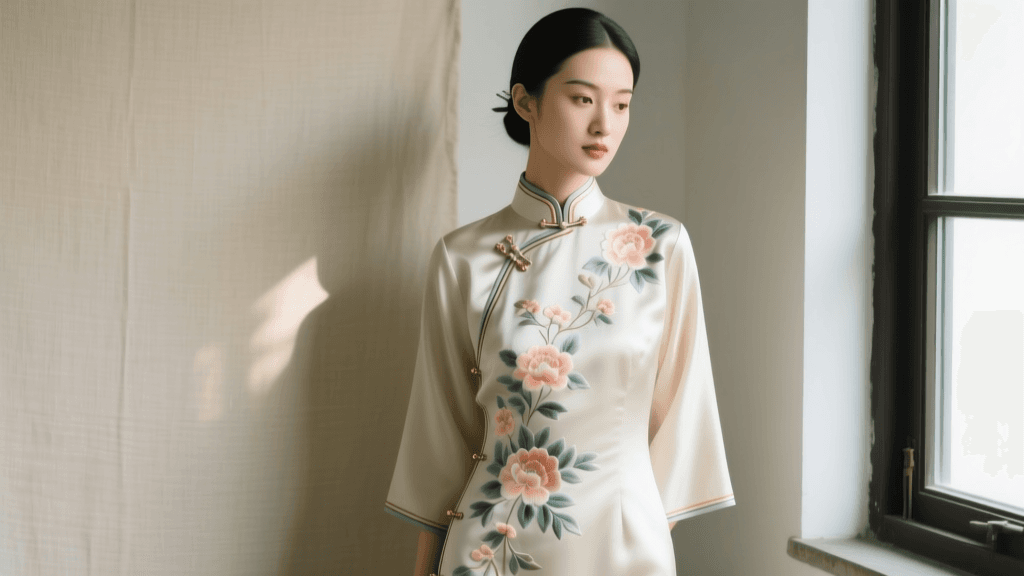
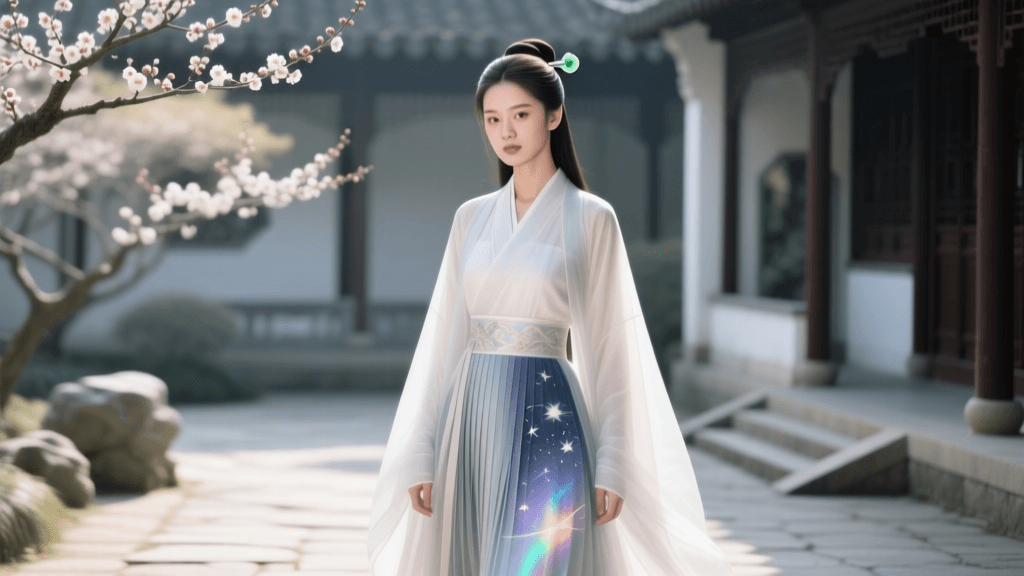
Hanfu Travel Guide: Styling for Tourism & Social Media
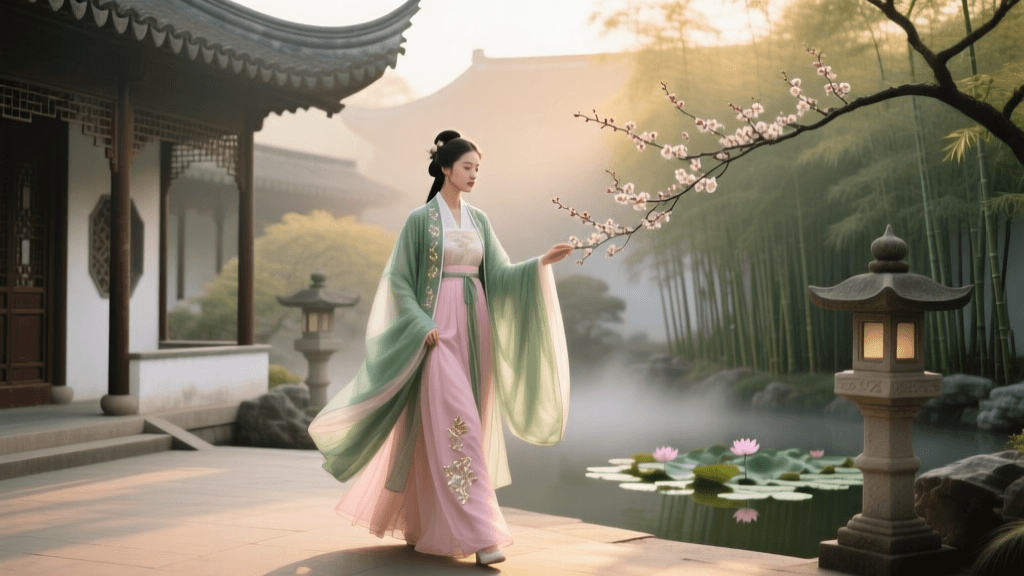
The Rise of Hanfu Tourism: Blending Heritage with Modern Travel
Over the past decade, the Hanfu movement has transformed from a niche subculture into a mainstream cultural phenomenon, deeply intertwined with China's booming domestic tourism and social media ecosystems. For modern travelers and content creators, wearing traditional Han clothing is no longer just about historical reenactment; it is a dynamic form of self-expression, destination marketing, and digital storytelling. From the neon-lit pagodas of Xi'an to the misty bamboo forests of Hangzhou, Hanfu offers a visually striking lens through which to experience Asian heritage.
According to Encyclopedia Britannica, the evolution of Chinese dress reflects centuries of dynastic shifts, philosophical changes, and regional diversity. Today's travelers leverage this rich history to create compelling visual narratives. However, successfully executing a Hanfu travel itinerary requires more than just buying a beautiful garment. It demands an understanding of seasonal styling, destination-specific aesthetics, logistical packing, and the nuances of platforms like Douyin and Xiaohongshu (RED).
Choosing the Right Hanfu for Your Destination
Climate and geography should dictate your Hanfu wardrobe. Wearing a heavy, multi-layered Ming Dynasty winter coat in the sweltering humidity of a southern Chinese summer will not only ruin your travel experience but also result in unflattering, sweat-drenched photography. Conversely, wearing a sheer, lightweight Song Dynasty ensemble in the biting winds of a northern autumn will leave you shivering and stiff in front of the camera.
| Season | Recommended Style | Key Garments | Best Fabrics | Ideal Destinations |
|---|---|---|---|---|
| Spring | Tang / Song Hybrid | Qixiong Ruqun, Beizi | Silk blends, Chiffon | Chengdu, Wuhan (Cherry Blossoms) |
| Summer | Song Dynasty | Duanshan, Songku (Trousers) | Linen, Ramie, Organza | Hangzhou, Suzhou, Water Towns |
| Autumn | Ming Dynasty | Aoqun, Mamianqun | Cotton, Light Brocade | Beijing, Xi'an, Pingyao |
| Winter | Ming (Layered) | Pifeng (Cape), Lined Ao | Wool, Jacquard, Faux Fur | Harbin, Datong, Snowscapes |
Spring & Summer: Song Dynasty Elegance and Breathability
The Song Dynasty (960–1279) aesthetic is characterized by minimalism, slender silhouettes, and understated elegance. For summer travel, the Songku (wide-leg trousers) paired with a short-sleeved Duanshan (top) and a sheer, long-sleeved Beizi (outer jacket) is the ultimate travel hack. This combination provides UV protection while allowing maximum airflow. Opt for ramie or high-quality linen blends in muted, natural tones like celadon, lotus pink, or bamboo green to complement lush, botanical destinations.
Autumn & Winter: Ming Dynasty Grandeur and Warmth
The Metropolitan Museum of Art highlights the Ming Dynasty's mastery of textiles and structured tailoring. The iconic Mamianqun (horse-face skirt) is a staple for autumn travel. Its flat front and pleated sides allow for ease of movement while looking incredibly regal. Pair it with a lined Ao (jacket) and a thick, embroidered Pifeng (cape) for winter shoots. The heavy jacquard and brocade fabrics hold their shape beautifully in high winds, making them perfect for dramatic, slow-motion video content.
Top Destinations for Hanfu Photography
Xi'an: The Tang Dynasty Dream
Xi'an, particularly the Datang Everbright City, is the undisputed capital of Hanfu tourism. The area is designed to mimic the cosmopolitan grandeur of the Tang Dynasty. Here, the Qixiong Ruqun (chest-high skirt) with its vibrant colors, wide sleeves, and flowing shawls (Pibo) reigns supreme. Local rental boutiques offer full packages—including intricate hair styling, makeup, and accessories—typically ranging from 199 to 399 RMB ($30 to $60 USD) for a 12-hour rental. The vibrant nightlife and warm lighting of the pedestrian streets provide a cinematic backdrop that requires minimal external lighting equipment.
Hangzhou: West Lake Serenity
Hangzhou's West Lake, a UNESCO World Heritage site, offers a stark contrast to Xi'an's bustling energy. The misty waters, ancient stone bridges, and weeping willows demand a softer, more ethereal aesthetic. The Song Dynasty or early Ming styles in pastel or monochromatic palettes work best here. Renting a traditional wooden rowboat during the early morning mist (around 6:00 AM) allows for uninterrupted, mirror-like reflections on the water, a highly sought-after composition on Xiaohongshu.
Packing and Transit: Practical Tips for Travelers
Traveling with Hanfu requires strategic packing. Traditional garments are prone to severe wrinkling, which can ruin a photoshoot before it begins.
- Use Garment Bags and Roll, Don't Fold: For delicate silk and chiffon, hang them in breathable canvas garment bags. For structured Mamianqun skirts, roll them tightly around a cardboard tube to preserve the pleats.
- Invest in a Portable Steamer: A handheld travel steamer is non-negotiable. Hotel irons often lack the steam output required for heavy brocades and can scorch delicate organzas.
- The "Base Layer" Secret: Always pack skin-toned, moisture-wicking base layers. Traditional Hanfu necklines and armholes can be unforgiving in bright sunlight, and base layers prevent both wardrobe malfunctions and sweat stains on rented garments.
- Footwear Hacks: Traditional cloth shoes look authentic but offer zero arch support for cobblestone streets. Pack a pair of modern, neutral-colored sneakers or low-heeled ankle boots that can be hidden beneath the long hemlines of your skirt.
Hair, Makeup, and Accessory Logistics on the Road
Achieving the perfect historical silhouette extends far beyond the garments; hair and accessories are paramount. For travelers without a professional styling team, managing elaborate Hanfu hairstyles in a hotel room can be daunting.
- Pre-styled Wig Caps: The modern Hanfu community relies heavily on high-quality, pre-styled wig caps. These can be purchased on Taobao before your trip or at local boutiques. They secure to your natural hair with U-shaped pins and instantly provide the volume and intricate updos required for Tang and Ming styles.
- Minimalist Hair Accessories: Pack versatile, lightweight hairpins. A single jade-encrusted Zan (hairpin) or a simple pearl-encrusted comb can elevate a simple Song Dynasty look without the risk of losing expensive, heavy metal crowns during transit.
- Makeup Considerations: Hanfu makeup emphasizes a clean, porcelain base, elongated eyeliner, and traditional floral motifs (Huadian) applied to the forehead. Use waterproof cosmetics, especially if shooting in humid environments like Suzhou's water towns, and bring a setting spray to combat the heat generated by heavy lighting or summer sun.
Photography Gear and Camera Settings
To truly capture the ethereal quality of Hanfu, your gear choices matter. A full-frame mirrorless camera paired with an 85mm f/1.4 or 50mm f/1.2 lens is ideal for isolating the subject from busy tourist backgrounds, creating a creamy bokeh that highlights the intricate embroidery of a Mamianqun. If you are shooting video for Douyin, a smartphone gimbal (like the DJI OM series) is essential for executing smooth, cinematic tracking shots as you walk through ancient courtyards. Always shoot in RAW format for photos to retain maximum dynamic range, allowing you to recover details in the deep shadows of dark brocades and the bright highlights of reflective silk.
Mastering Social Media: Posing, Lighting, and Trends
Creating viral content requires understanding the distinct algorithms and aesthetics of Chinese social media platforms.
The Xiaohongshu (RED) Aesthetic
Xiaohongshu favors high-resolution, editorial-style photography. The standard aspect ratio is 3:4. Content creators should focus on "atmosphere" (氛围感 - fenweigan). This means utilizing natural backlighting during the golden hour, incorporating props like oil-paper umbrellas, round silk fans, or bamboo flutes, and using warm, film-simulation filters. Posing should be candid and dynamic—looking away from the camera, adjusting a hairpin, or walking briskly to capture the movement of the skirt's pleats.
Douyin Video Transitions
On Douyin (the Chinese version of TikTok), the "Hanfu Transformation" remains a dominant trend. The classic format involves starting in modern, casual streetwear, covering the camera lens with a sleeve or a fan, and transitioning into full Hanfu regalia in a breathtaking location. To execute this flawlessly:
- Use a tripod to ensure the framing remains identical before and after the transition.
- Shoot in 60fps to allow for smooth slow-motion playback of the flowing sleeves.
- Sync the transition precisely to the beat drop of trending traditional-electronic fusion tracks (Guochao music).
Respecting the Culture While Creating Content
While Hanfu is a celebration of living culture, travelers must approach it with respect. Avoid mixing garments from vastly different dynasties in a single outfit (a practice known as "Hanfu Cosplay" or Chaocao, which is frowned upon by purists). Ensure your collar is always crossed left over right (the Jiaoling Youren rule), as the reverse is traditionally reserved for the deceased. Furthermore, when visiting active temples or sacred historical sites, maintain a respectful demeanor, avoiding overly provocative poses or disruptive flash photography.
Ultimately, traveling in Hanfu is a profound way to connect with the rhythms of Asian history. By thoughtfully selecting your garments, respecting the destinations, and mastering the digital canvas of modern social media, you can create a travel experience that is as culturally enriching as it is visually spectacular.