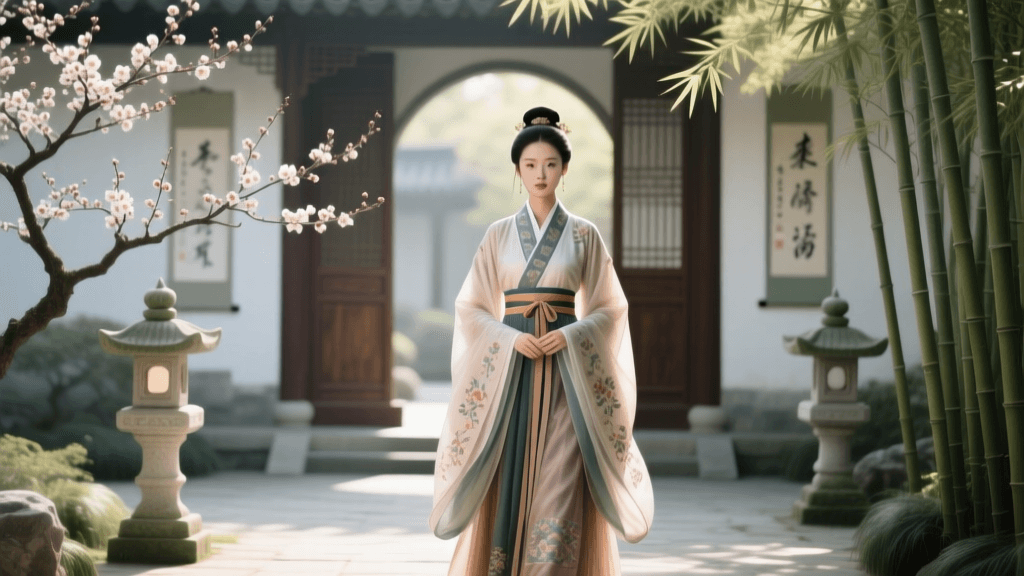
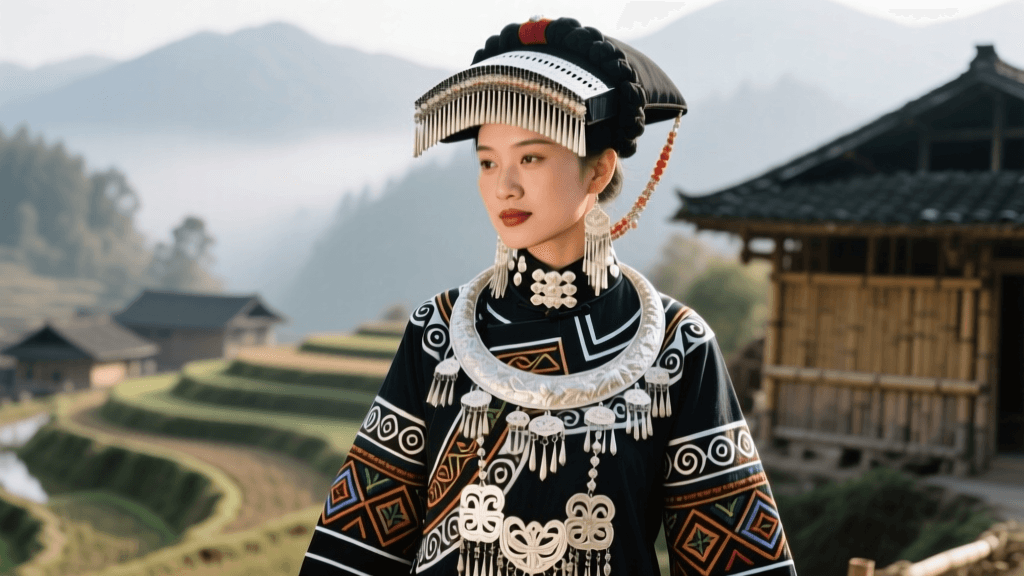
Hanfu Fabric Drape & Comfort: 2026 Texture Analysis
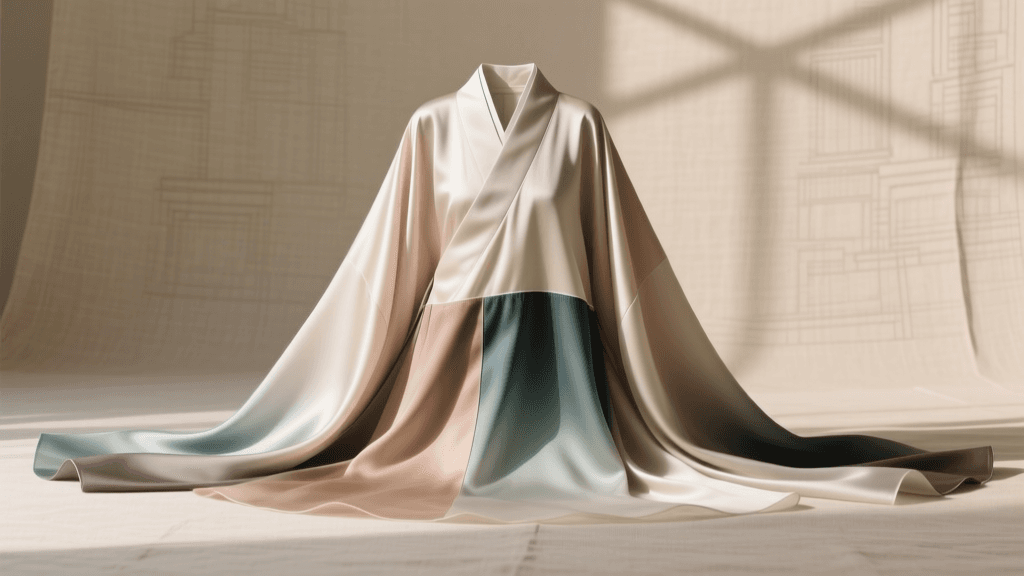
The Evolution of Hanfu Textiles in 2026
The Hanfu renaissance has matured significantly by 2026. No longer just a niche historical hobby, traditional Chinese clothing has firmly established itself as a staple of global sustainable fashion and everyday wear. As the Xin Zhongshi (new Chinese style) movement continues to evolve, modern wearers are demanding garments that offer both historical authenticity and contemporary comfort. The crux of this demand lies in textile engineering—specifically, how different fabrics drape, breathe, and feel against the skin during daily activities.
Choosing the right fabric for a Hanfu ensemble is no longer just about selecting a beautiful color or pattern. It requires a deep understanding of fabric texture, weight, and structural behavior. A flowing beizi (traditional jacket) requires a completely different textile profile than a structured mamianqun (horse-face skirt). In this comprehensive 2026 texture analysis, we break down the science of fabric drape, evaluate the most popular materials on the market, and provide actionable advice for building a comfortable, historically inspired wardrobe.
The Science of Drape: How Hanfu Fabrics Move
Drape is the ability of a fabric to hang in graceful folds under its own weight. According to textile researchers at the NC State College of Textiles, fabric drape is quantified by the drape coefficient, which measures the bending length and flexural rigidity of a material. In the context of Hanfu, drape dictates how a garment interacts with the body's movement, how it layers, and how well it retains traditional silhouettes.
Understanding the Drape Coefficient in Traditional Weaves
Historically, Chinese weavers manipulated warp and weft tensions to achieve specific drape qualities. The Victoria and Albert Museum textile archives highlight how ancient artisans utilized complex weave structures like xiewen (twill) and chou (silk plain weave) to create garments that moved fluidly with the wearer. Today, modern smart-looms replicate these historical tension profiles while integrating 2026 advancements in fiber technology.
A high drape coefficient means the fabric is stiff and holds its shape—ideal for the crisp, architectural pleats of a mamianqun. Conversely, a low drape coefficient indicates a fluid, clingy fabric, which is perfect for the ethereal, sweeping sleeves of a ruqun or banbi (half-sleeve jacket). Understanding this distinction is the first step toward mastering Hanfu comfort.
2026 Hanfu Fabric Comparison Chart
To help you navigate the current market, we have compiled a comprehensive comparison of the most prominent Hanfu fabrics available in 2026. This chart evaluates materials based on their drape quality, breathability, weight, and current market pricing.
| Material Composition | Drape Quality | Breathability | Weight (g/m²) | Best Hanfu Application | 2026 Avg Cost (per meter) |
|---|---|---|---|---|---|
| 100% Mulberry Silk (Chou) | Fluid, High | Excellent | 95 - 115 | Summer Ruqun, Inner Layers | $45 - $65 USD |
| Silk-Cupro Blend (60/40) | Fluid, Medium | Very Good | 120 - 140 | Beizi, Song Dynasty Sets | $25 - $35 USD |
| High-Twist Poly Chiffon | Stiff, Structured | Poor to Fair | 75 - 90 | Mamianqun, Outer Layers | $8 - $14 USD |
| Ramie-Linen Weave | Crisp, Angular | Exceptional | 160 - 190 | Summer Hanfu, Scholar Robes | $18 - $28 USD |
Deep Dive: Top 3 Hanfu Fabrics for Modern Wearers
1. Mulberry Silk and Cupro Blends (The Premium Standard)
For those seeking the ultimate balance of luxury, historical accuracy, and modern sustainability, silk-cupro blends have become the gold standard in 2026. Cupro, a regenerated cellulose fiber derived from cotton linter, mimics the smooth, cooling touch of silk while offering superior durability and easier maintenance. When blended with Mulberry silk, the resulting fabric achieves a magnificent, fluid drape that cascades beautifully over the body.
This blend is particularly favored for beizi and wide-sleeved Ming Dynasty jackets. The cupro content adds a subtle weight to the fabric, preventing the garment from flying up in the wind while maintaining exceptional breathability. Furthermore, Fibre2Fashion industry reports note that 2026 has seen a massive spike in demand for regenerated cellulose fibers due to their closed-loop, eco-friendly manufacturing processes, making silk-cupro a favorite among environmentally conscious Hanfu enthusiasts.
2. High-Density Polyester Chiffon (The Everyday Workhorse)
While natural fibers dominate the premium market, high-density polyester chiffon remains the undisputed king of everyday, budget-friendly Hanfu. In 2026, advances in microfiber extrusion technology have vastly improved the hand-feel of polyester, reducing the "plastic" sensation that plagued earlier iterations. By utilizing high-twist yarns, manufacturers create a chiffon that is incredibly resilient, wrinkle-resistant, and capable of holding sharp, heat-set pleats indefinitely.
This structural rigidity makes high-twist polyester the absolute best choice for mamianqun (horse-face skirts). The crisp drape coefficient ensures that the pleats remain perfectly aligned even after hours of walking or sitting. However, wearers must be mindful of breathability; polyester traps heat, making it less suitable for high-humidity summer environments unless worn as an outer layer over a breathable cotton or linen undergarment.
3. Ramie-Linen Weaves (The Summer Breathable Choice)
Summer Hanfu requires fabrics that actively wick moisture and allow for maximum airflow. Ramie-linen blends offer a historically grounded solution that excels in hot climates. Ramie, one of the oldest textile fibers used in China, provides a natural luster and exceptional tensile strength, while linen adds softness and rapid moisture-wicking properties.
The drape of ramie-linen is distinctly crisp and angular. It does not cling to the body, instead creating a structured, airy silhouette that keeps the fabric away from the skin, promoting natural cooling. This texture is highly sought after for recreating the minimalist, elegant aesthetics of Song Dynasty scholar robes and lightweight summer ruqun. While it is prone to wrinkling, many wearers embrace the natural creases as part of the fabric's organic, lived-in charm.
Conducting Your Own At-Home Drape and Comfort Test
You do not need a professional textile lab to evaluate the drape and comfort of a Hanfu fabric. Before purchasing or cutting your own yardage, perform these two simple at-home tests:
- The Over-the-Hand Test (Drape Evaluation): Drape the fabric over your extended forearm. Observe how it falls. If it pools closely to your skin and creates small, tight folds, it has a low drape coefficient (fluid). If it extends outward and holds a wide, bell-like shape, it has a high drape coefficient (stiff). Use fluid fabrics for flowing sleeves and stiff fabrics for pleated skirts.
- The Crush Test (Wrinkle Recovery): Tightly ball up a handful of the fabric in your fist for ten seconds, then release it. If the fabric immediately springs back to its original smooth state, it has high wrinkle recovery (typical of polyester and cupro blends). If it remains heavily creased, it will require frequent steaming or ironing (typical of 100% silk, linen, and ramie).
Care and Maintenance for Optimal Fabric Longevity
Preserving the texture and drape of your Hanfu requires specific care routines tailored to the fiber content. In 2026, the golden rule for natural fibers like silk and ramie is to avoid high heat and alkaline detergents, which break down the protein and cellulose structures, leading to a loss of drape and increased brittleness.
Always wash silk and cupro blends in cold water using a pH-neutral, enzyme-free detergent. Never wring or twist the fabric; instead, gently press the water out and lay the garment flat on a mesh drying rack to maintain its structural integrity. For polyester mamianqun, avoid high-heat tumble drying, as excessive heat can melt the microfibers and ruin the sharp, heat-set pleats. Instead, use a handheld garment steamer on a medium setting to gently refresh the pleats and remove any storage wrinkles without applying direct pressure.
Conclusion
As we move through 2026, the intersection of traditional Chinese aesthetics and modern textile science offers Hanfu wearers an unprecedented range of choices. By understanding the physics of fabric drape and the unique comfort profiles of silk, cupro, polyester, and linen, you can curate a wardrobe that is not only visually stunning but also a joy to wear. Whether you are attending a formal cultural festival in a flowing silk-cupro beizi or navigating a busy city street in a crisp polyester mamianqun, selecting the right texture ensures your Hanfu experience is both authentic and effortlessly comfortable.