2026 Hanfu Storage Rotation and Seasonal Care Guide
The Evolution of Hanfu Wardrobes in 2026
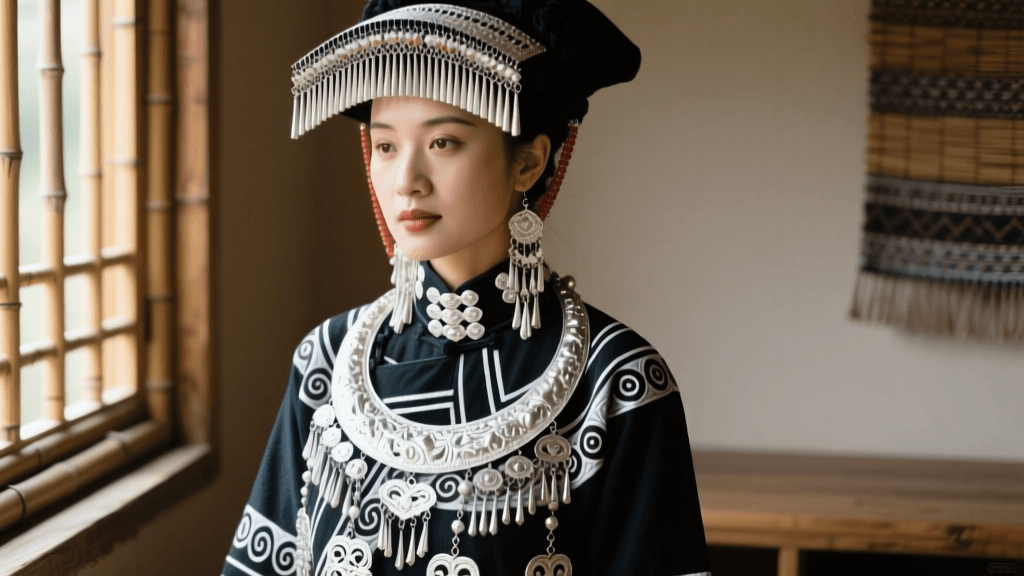
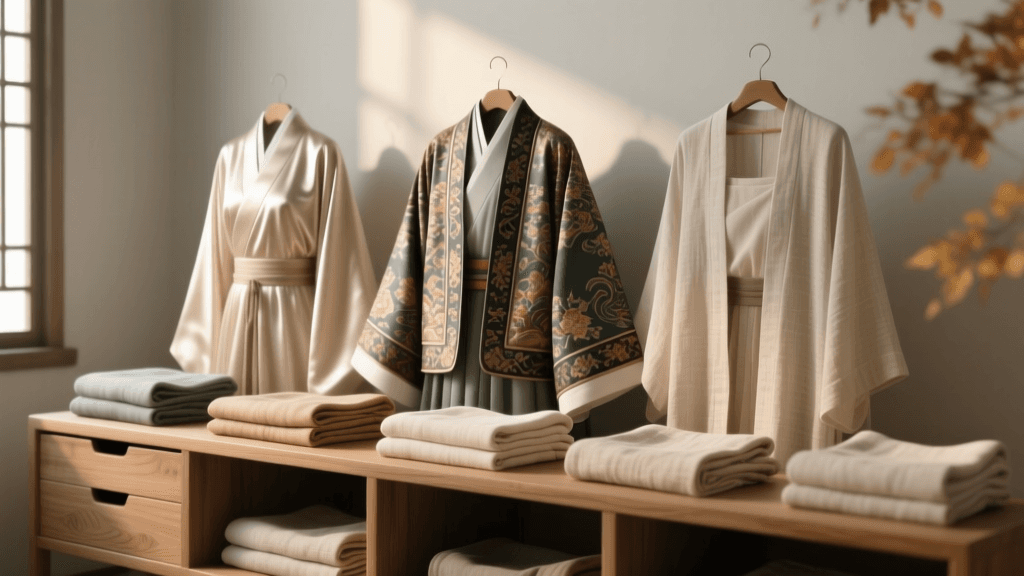
As the global appreciation for traditional Chinese clothing continues to surge in 2026, the modern Hanfu wardrobe has evolved from a niche hobbyist collection into a substantial investment in cultural heritage and artisanal textiles. Today's enthusiasts and collectors own a diverse array of garments, ranging from delicate summer Ruqun (blouse and skirt sets) to heavy, intricately woven winter Mamianqun (horse-face skirts) and Aoqun (jacket and skirt ensembles). However, the very materials that make these garments so breathtaking—mulberry silk, Xiangyunsha (mud-silk), Song brocade, and raw ramie—are highly susceptible to environmental damage, pest infestation, and structural degradation if improperly stored.
Proper Hanfu storage is not merely about putting clothes away; it is an active practice of preservation. According to the Victoria and Albert Museum, historic textiles require strict environmental controls to prevent the irreversible breakdown of natural protein and cellulose fibers. This comprehensive 2026 guide will walk you through the exact seasonal rotation strategies, smart climate control technologies, and archival folding techniques required to keep your Hanfu collection pristine for generations.
Fabric-Specific Storage Protocols
Different traditional Chinese textiles react uniquely to light, humidity, and physical stress. Understanding the specific needs of your fabrics is the first step in seasonal maintenance.
Mulberry Silk and Xiangyunsha (Mud-Silk)
Mulberry silk is a protein fiber that weakens when exposed to prolonged ultraviolet light and high alkalinity. Xiangyunsha, the prestigious gambiered Guangdong silk coated in river mud and dyed with薯莨 (shulang) juice, requires even more specialized care. The unique 'crackling' sound and water-resistant properties of Xiangyunsha can be compromised if stored in highly humid environments, which can cause the mud-silk coating to bloom with mold. In 2026, experts recommend storing Xiangyunsha garments in breathable, unbleached cotton garment bags with silica gel packets placed in the outer pockets (never touching the fabric directly) to maintain a micro-climate of 45-50% relative humidity.
Song Brocade and Heavy Jacquard
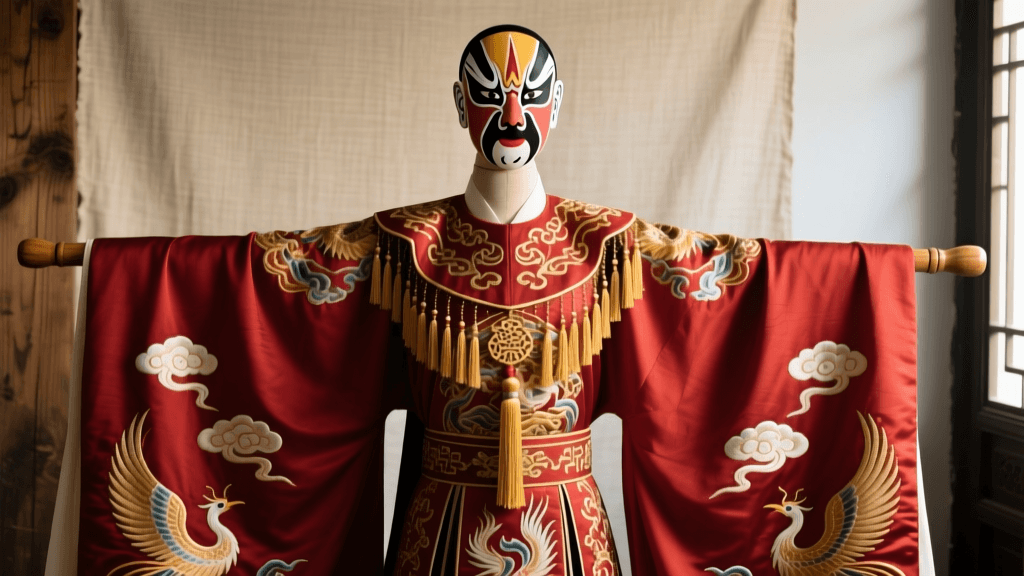
Brocades, characterized by their complex supplementary weft patterns and metallic thread accents, are notoriously heavy. Hanging a heavily embroidered Song brocade Beizi (open-front jacket) for extended periods will cause the warp threads to stretch and the metallic threads to snap under the garment's own weight. The Canadian Conservation Institute strongly advises that heavy, multi-layered textiles be stored flat or rolled rather than hung to prevent gravitational distortion.
Ramie and Summer Linens
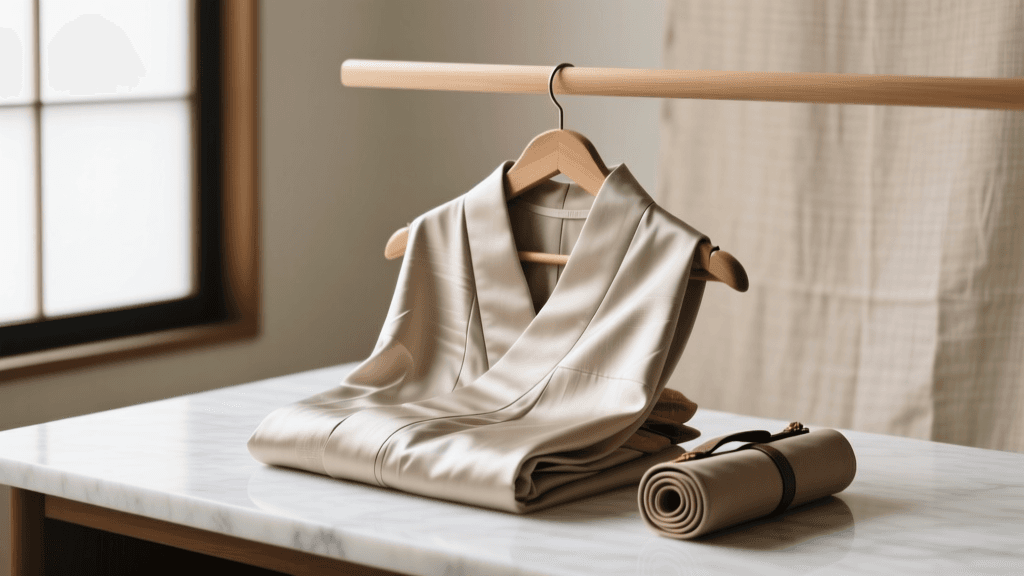
Summer Hanfu often utilizes ramie or linen blends for their breathability. These cellulose fibers are prone to hard, permanent creases if folded sharply and left under pressure for months. To prevent fiber breakage along the fold lines, ramie garments should be rolled around acid-free archival tubes or padded with unbuffered acid-free tissue paper before being placed in storage drawers.
Smart Climate Control for Traditional Garments
The integration of smart home technology into wardrobe management has revolutionized textile preservation in 2026. Relying solely on seasonal intuition is no longer sufficient, especially with increasingly unpredictable global humidity shifts.
- Smart Hygrometers: Devices like the 2026 edition of the SwitchBot Wardrobe Monitor or Govee Wi-Fi Thermometer Hygrometer can be placed inside cedar chests and wardrobe compartments. These sensors connect to your smartphone, sending push notifications if the relative humidity (RH) breaches the safe 45-55% threshold.
- Automated Dehumidification: Pairing smart plugs with compact, renewable silica-based dehumidifiers ensures that enclosed storage spaces remain dry without the need for constant manual checking.
- UV-Blocking Window Films: For open-concept clothing racks, applying 99% UV-blocking window films is essential to prevent the photodegradation of natural plant-based dyes commonly used in artisanal Hanfu.
Seasonal Rotation Strategy
Rotating your Hanfu wardrobe bi-annually ensures that garments are inspected, aired out, and cleaned before long-term storage. Below is the recommended 2026 rotation schedule and storage methodology.
| Season | Garment Types | Pre-Storage Cleaning | Storage Method | Target Environment |
|---|---|---|---|---|
| Spring/Summer | Ruqun, Beizi, Ramie tops, lightweight silk skirts | Professional wet cleaning (pH neutral) or gentle hand wash | Padded hangers in breathable cotton bags; rolled ramie | 18-20°C, 45-50% RH, dark |
| Autumn/Winter | Mamianqun, Aoqun, Brocade jackets, fur-lined coats | Spot cleaning, professional dry cleaning for heavy brocades | Flat archival boxes, padded folding, or rolled on tubes | 16-18°C, 50-55% RH, dark |
Before sealing any garment away for the season, it must be impeccably clean. Invisible stains from sweat, sebum, or food will oxidize over time, turning yellow and attracting carpet moths and silverfish. As highlighted by the University of Rhode Island Historic Textile Collection, soil and organic residues act as a primary catalyst for both biological pest activity and chemical fiber degradation.
Mastering the Mamianqun: Pleat Preservation
The Mamianqun, with its intricate, heat-set knife pleats, presents a unique storage challenge. Improper folding can cause the pleats to shift, resulting in a chaotic, uneven drape that is incredibly difficult to restore without professional steaming.
The 2026 Pleat Maintenance Technique
- Alignment: Lay the skirt flat on a clean, padded surface. Carefully align every single pleat by hand, ensuring the inner and outer folds match perfectly.
- Magnetic Pleat Boards: In 2026, many collectors use specialized, velvet-covered magnetic pleat boards. These boards gently clamp the pleats in place without the harsh creasing caused by traditional binder clips.
- Tissue Interleaving: Place sheets of unbuffered, acid-free tissue paper between the front and back panels of the skirt to prevent the metallic threads or embroidery from snagging on the opposite side.
- Flat Storage: Place the aligned and padded skirt into a wide, shallow archival box. Never hang a heavily pleated Mamianqun by its waistband for long-term storage, as the weight of the fabric will eventually pull the pleats out of alignment at the waist.
Archival Materials and Pest Deterrence
The materials surrounding your Hanfu during storage are just as critical as the environment. Standard cardboard boxes emit acidic gases that will yellow and weaken silk fibers over time. Plastic bins, while seemingly protective, trap moisture and off-gas volatile organic compounds (VOCs) that can degrade delicate dyes.
Approved Archival Supplies
- Acid-Free Tissue Paper: Always use unbuffered (pH neutral) tissue paper. Buffered tissue, which contains calcium carbonate, is safe for cotton and linen but can cause chemical reactions with protein fibers like silk and wool.
- Ethafoam Padding: Use archival-grade polyethylene foam to stuff the sleeves of jackets and the bodices of tops, preventing hard creases and maintaining the garment's three-dimensional structure.
- Archival Textile Boxes: Invest in drop-front archival boxes made from acid-free, lignin-free corrugated board. These allow you to slide garments out without lifting and pulling on delicate fabrics.
Natural Pest Management
Carpet moths and silverfish are the natural enemies of silk and starched linens. Avoid traditional mothballs, which contain toxic naphthalene or paradichlorobenzene that can melt synthetic threads and permanently taint fabrics with a noxious odor. Instead, utilize natural deterrents:
- Cedarwood Blocks: Sand them lightly every six months to release their natural oils. Keep them in small muslin bags so they do not transfer oils directly to the silk.
- Lavender and Mugwort Sachets: Traditional Chinese mugwort (Ai cao) has been used for centuries to repel insects. Combine dried mugwort with lavender in silk sachets and place them in the corners of your storage drawers.
- Pheromone Traps: Place non-toxic sticky pheromone traps in the corners of your wardrobe room to monitor and intercept male moths before they can mate and lay eggs on your textiles.
Conclusion
Maintaining a Hanfu collection in 2026 requires a harmonious blend of ancient respect for natural materials and modern preservation technology. By implementing a strict seasonal rotation, utilizing smart climate monitoring, and adhering to archival folding standards, you ensure that these magnificent garments remain vibrant, structurally sound, and ready to be worn with pride. Treat your Hanfu not just as clothing, but as living artifacts of Asian tradition that deserve the highest standard of care.