Hanfu Shopping Evolution: From Silk Markets to Taobao
The Historical Roots: Silk Road Bazaars and Imperial Tailors
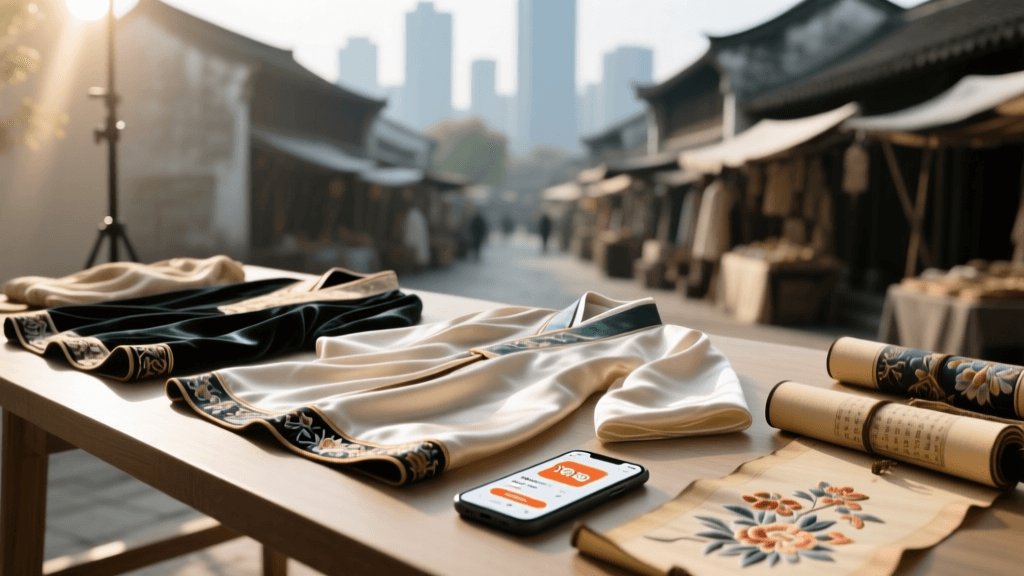
Long before the advent of digital shopping carts, global shipping networks, and livestream commerce, the acquisition of traditional Chinese garments was a deeply localized and tactile experience. For centuries, the procurement of Hanfu (traditional Han Chinese clothing) was dictated by strict sumptuary laws, regional textile availability, and the bustling energy of physical silk markets. During the Tang and Song dynasties, cities like Chang'an and Hangzhou featured dedicated market wards where merchants sold raw silk, spun yarn, and finished garments. The China Silk Museum in Hangzhou preserves the rich history of these early textile hubs, showcasing how intricate brocades and delicate gauzes were once traded along the Silk Road.
For the imperial elite and wealthy merchants, garments were not bought off the rack. Instead, they relied on bespoke tailors and imperial workshops, such as the historic Jiangning Imperial Silk Manufactory. These artisans would take precise measurements, source premium materials like Xiangyunsha (gambiered Canton gauze) or Shu brocade, and spend weeks hand-stitching elaborate robes. Commoners, meanwhile, relied on local weavers, spinning hemp or ramie at home and purchasing basic cotton or linen fabrics from traveling peddlers or regional bazaars. The transaction was inherently relational; buying clothing meant negotiating face-to-face, feeling the weight of the textile, and establishing trust with a local artisan.
The Digital Renaissance: Hanfu Meets E-Commerce
The transition from physical bazaars to digital storefronts did not happen overnight. Following the cultural revival of Hanfu in the early 2000s, early enthusiasts relied on niche internet forums to share patterns and commission small-batch garments from independent seamstresses. However, as the movement gained momentum among Chinese youth, the market rapidly commercialized. Platforms like Taobao and Tmall became the new digital silk markets, democratizing access to traditional clothing and transforming a niche hobby into a multi-billion-dollar industry.
Today, the Hanfu e-commerce ecosystem is a sophisticated blend of mass production, independent designer studios, and digital marketing. According to extensive cultural reporting by BBC News, the modern Hanfu movement is heavily driven by Gen Z consumers who blend historical appreciation with contemporary fashion sensibilities. This demographic shift has forced e-commerce platforms to adapt, introducing specialized categories for traditional garments, augmented reality (AR) fitting rooms, and algorithm-driven recommendations for specific historical eras, such as the elegant Song Dynasty Beizi (long outercoats) or the opulent Ming Dynasty Mamianqun (horse-face skirts).
Practical Guide: Navigating the Modern Hanfu Market
For modern consumers, whether domestic or international, navigating the Hanfu e-commerce landscape requires an understanding of market terminology, pricing structures, and production timelines. Unlike Western fast fashion, the Hanfu market operates on unique models that blend historical authenticity with modern retail strategies.
Understanding Pricing Tiers and Quality
The price of Hanfu varies wildly based on fabric, historical accuracy, and production methods. Buyers should categorize their purchases into three main tiers:
- Budget Tier (100 - 300 RMB / $15 - $45 USD): Ideal for beginners, festival wear, and cosplay. These garments are typically made from polyester blends, chiffon, or basic cotton. While they capture the general silhouette of historical garments, they often lack structural accuracy and feature machine-embroidered or printed motifs.
- Mid-Tier (400 - 800 RMB / $55 - $115 USD): The sweet spot for most enthusiasts. These sets often feature high-quality jacquard weaves, silk-cotton blends, and accurate historical patterning. Brands in this tier usually provide detailed citations for their designs, referencing specific museum artifacts or tomb murals.
- Premium and Custom Tier (1,500+ RMB / $210+ USD): Reserved for serious collectors and formal events. These garments utilize authentic materials like mulberry silk, real gold-leaf thread weaving, and traditional intangible heritage techniques such as Suzhou embroidery or velvet carving (Zhangzhou velvet).
Sizing, Measurements, and Fabric Selection
One of the most critical aspects of buying Hanfu online is understanding traditional Chinese sizing, which differs significantly from Western standards. Hanfu is generally designed with a generous, flowing fit, but the wrap-around nature of garments like the Ruqun (blouse and skirt) requires precise layering measurements.
When ordering from Taobao or independent sites, you must provide your measurements in centimeters. Essential metrics include Xiongwei (chest circumference), Yaowei (waist circumference), and Shengao (height). For the popular Ming Dynasty Mamianqun, the waist measurement is crucial, as the skirt relies on overlapping panels and side ties rather than zippers. Furthermore, buyers must read fabric descriptions carefully. Terms like 'Bingba' (ice silk) often denote synthetic viscose blends that drape well but lack breathability, whereas 'Shengchou' (raw silk) offers historical authenticity but requires meticulous dry-cleaning and care.
The Yushou System: Crowdfunding and Pre-Sales
Perhaps the most unique aspect of Hanfu e-commerce is the Yushou (pre-sale) system. Because high-quality Hanfu requires specialized looms and intricate embroidery, independent studios cannot afford to hold massive inventories. Instead, they release digital renderings or prototype photos and open a pre-sale window, usually lasting 7 to 15 days.
Consumers pay a deposit or the full price upfront, and the studio uses this capital to fund the production run. Wait times for Yushou items typically range from 30 to 60 days, and sometimes longer for complex winter garments lined with rabbit fur or heavy brocade. While this requires patience, it ensures buyers receive meticulously crafted garments without the brand markup associated with traditional retail inventory models.
Comparison Chart: Where to Buy Hanfu Today
| Purchasing Channel | Best For | Price Range (RMB) | Wait Time | Pros & Cons |
|---|---|---|---|---|
| Taobao Mass Market | Beginners, daily wear, budget buyers | 100 - 400 | 3 - 7 days (Spot goods) | Pros: Fast shipping, easy returns, vast variety. Cons: High risk of synthetic fabrics, inaccurate historical cuts. |
| Independent Studio Yushou | Enthusiasts, historical accuracy, collectors | 400 - 1,500 | 30 - 60 days | Pros: Museum-grade accuracy, premium fabrics, unique designs. Cons: Long wait times, strict no-refund policies on custom runs. |
| Physical Hanfu Boutiques | Tourists, luxury buyers, bespoke fitting | 800 - 5,000+ | Immediate / Custom: 2 weeks | Pros: Tactile fabric selection, professional dressing services. Cons: High retail markup, limited to major cities like Chengdu or Xi'an. |
| Xianyu (Second-hand) | Rare discontinued sets, budget-conscious buyers | Varies (Usually 20-50% off) | 3 - 7 days | Pros: Access to sold-out Yushou items, lower prices. Cons: High risk of scams, no return policy, hygiene concerns. |
Global Access: Proxy Agents and International Shipping
The digital evolution of the Hanfu market has not been confined to China's borders. As noted by the South China Morning Post, the commercialization and global export of traditional Chinese aesthetics have created a massive international demand. However, because most independent Hanfu studios do not ship directly overseas, international buyers must rely on proxy shopping agents like Superbuy, CSSBuy, or Sugargoo.
The process requires a strategic approach. International buyers must first find the desired Taobao or Weidian store link, paste it into the agent's platform, and pay the domestic shipping fee to the agent's warehouse. Once the garment arrives at the warehouse, the agent provides quality check (QC) photos. This step is vital for Hanfu, as buyers must verify the accuracy of the embroidery, the alignment of the Mamianqun pleats, and the absence of fabric defects before committing to expensive international freight. Shipping costs are calculated by volumetric weight, meaning bulky winter garments like the Pifeng (cloak) will cost significantly more to ship than lightweight summer Banbi (half-sleeve tops).
Conclusion: The Future of Traditional Retail
The journey of Hanfu from the dusty, vibrant silk bazaars of ancient Chang'an to the hyper-optimized, algorithm-driven storefronts of modern e-commerce is a testament to the resilience of Chinese cultural heritage. While the medium of exchange has shifted from silver taels and face-to-face haggling to digital wallets and livestream shopping, the core desire remains unchanged: the pursuit of beauty, identity, and a tangible connection to the past. As livestreaming platforms like Douyin and TikTok continue to merge entertainment with instant purchasing, the Hanfu market is poised to become even more accessible, ensuring that these ancient garments continue to flow seamlessly into the modern global wardrobe.