Hanfu Travel Wardrobe 2026: Packing Essentials & Destination Guide
The Renaissance of Hanfu Tourism in 2026
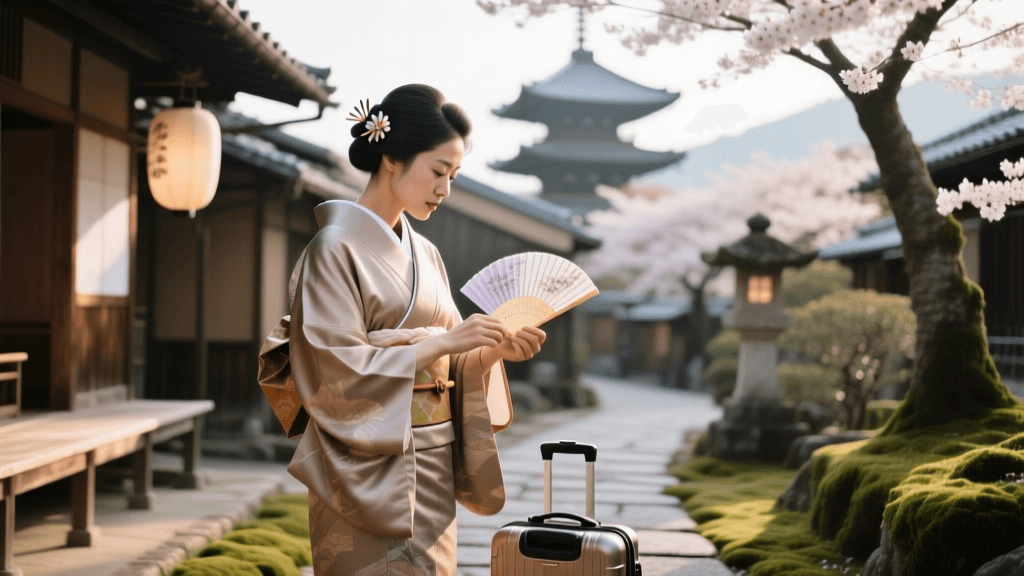
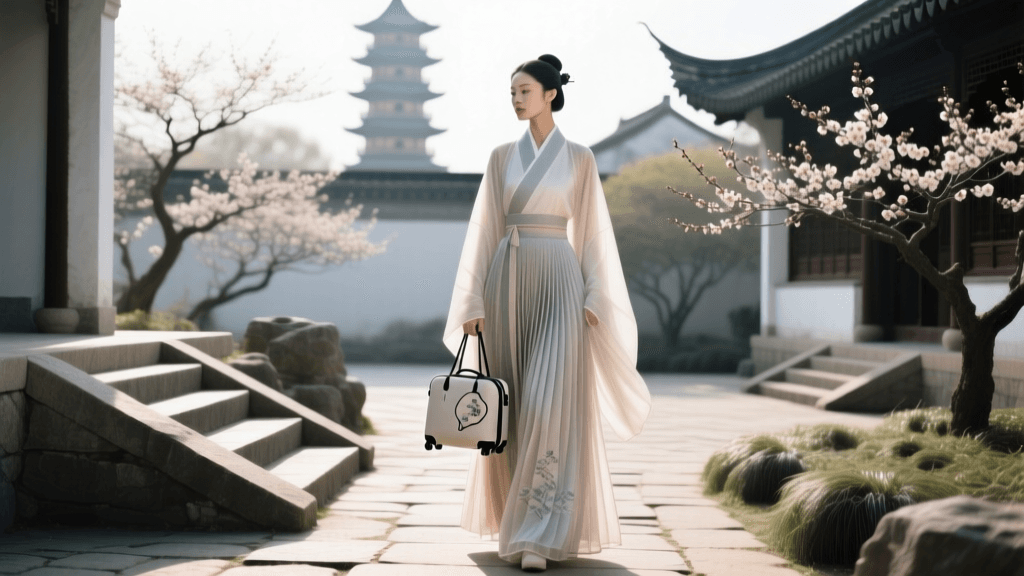
As we move through 2026, the global and domestic tourism landscape has been profoundly shaped by the Hanfu revival. Travelers are no longer just visiting historical sites; they are immersing themselves in the living history of Asian traditions by wearing period-accurate garments to destinations like Xi'an, Suzhou, and Luoyang. However, traveling with traditional Chinese clothing presents unique logistical challenges. From preserving the sharp, knife-like pleats of a Ming-dynasty Mamianqun (horse-face skirt) to managing delicate silk layers in humid climates, building a functional Hanfu travel wardrobe requires strategic planning.
This comprehensive guide explores the best practices for packing, styling, and maintaining your Hanfu garments on the road in 2026, ensuring you look historically resplendent without compromising modern travel convenience.
Selecting the Right Garments for the Road
Not all Hanfu are created equal when it comes to travel. The key to a successful destination wardrobe lies in selecting pieces that balance historical accuracy with textile durability. In 2026, advancements in heritage textile weaving have introduced wrinkle-resistant peace silk and Tencel-silk blends that mimic the drape of traditional mulberry silk while offering the resilience needed for transit.
The Mamianqun (Horse-Face Skirt)
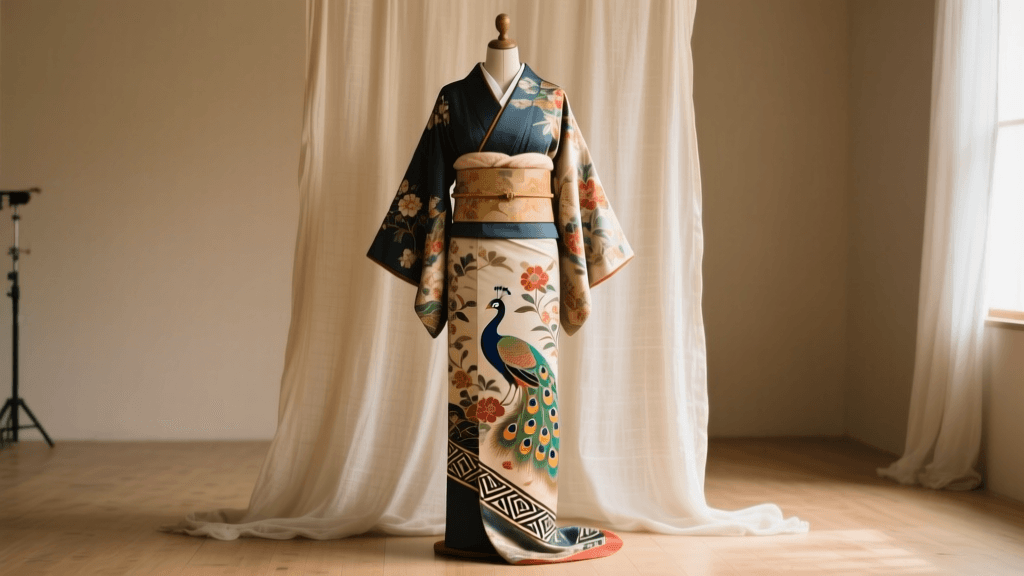
The Mamianqun remains the undisputed centerpiece of the modern Hanfu travel wardrobe. Its structured waistband and intricate pleating make it elegant, but the pleats are highly susceptible to crushing in a suitcase. When packing for travel, opt for Mamianqun crafted from modern heat-set polyester-silk blends or heavy crepe fabrics. These materials hold their pleat memory far better than traditional raw silks, allowing you to unpack and wear them with minimal steaming.
Song-Style Beizi and Ku (Outerwear and Trousers)
For active travel days involving extensive walking or navigating crowded transit hubs, the Song-dynasty Beizi (a long, open-front coat) paired with Ku (wide-leg trousers) is an exceptional choice. This silhouette is inherently less restrictive than the layered Ruqun styles and allows for greater mobility. Look for Beizi made from lightweight linen-cotton blends or textured ramie, which naturally embrace a slightly rumpled, organic aesthetic that forgives travel wrinkles.
The 2026 Hanfu Packing Toolkit
To protect your investment in traditional garments, your luggage must be equipped with specialized tools. The standard packing cube is insufficient for structured historical dress. Here is the essential 2026 packing toolkit for the Hanfu traveler:
- PVC Garment Tubes: Instead of folding a Mamianqun, the gold standard for 2026 travel is the 'roll and tube' method. Lay the skirt flat, align the pleats, roll it gently from the hem to the waistband, and slide it into a rigid, lightweight PVC tube. This completely eliminates crease lines across the pleats.
- Magnetic Pleat Clips: For skirts that must be folded, use specialized magnetic clips along the hem and waist to lock the pleats in place before folding the garment into a silk-lined compression bag.
- Micro-Ionic Travel Steamer: The latest 2026 portable steamers feature micro-ionic technology that relaxes silk fibers in seconds without the risk of water spotting. Look for dual-voltage models with a ceramic-coated plate that can safely press a collar or waistband.
- Acid-Free Tissue Paper: When folding delicate embroidered collars or cloud shoulders (Yunjian), buffer the folds with acid-free tissue to prevent permanent creasing and protect metallic threads from tarnishing due to humidity.
Destination Wardrobe Matrix
Different historical sites and cultural hubs call for distinct sartorial approaches. Below is a strategic guide to matching your Hanfu style with specific 2026 travel destinations, taking into account local climate, cultural etiquette, and photographic backdrops.
| Destination | Recommended Era & Style | Ideal Fabric for Climate | Styling & Accessory Notes |
|---|---|---|---|
| Xi'an (Shaanxi) | Tang Dynasty (Qixiong Ruqun) | Breathable Chiffon & Lightweight Brocade | Opt for vibrant, high-contrast colors that pop against the ancient City Wall. Bring a sheer Pibo (stole) for sun protection. |
| Suzhou (Jiangsu) | Song Dynasty (Beizi & Baidiequn) | Wrinkle-Resistant Ramie & Peace Silk | Choose muted, botanical tones to harmonize with the classical gardens. The slender Song silhouette navigates narrow pavilions easily. |
| Kyoto (Japan) | Ming Dynasty (Mamianqun & Ao) | Structured Cotton-Silk Blends | Cross-cultural etiquette requires modest layering. The high-collared Ming Ao provides coverage while respecting local temple dress codes. |
| Luoyang (Henan) | Wei-Jin / Tang Fusion | Flowy Tencel & Linen | Embrace the 'ethereal scholar' look for the Longmen Grottoes. Wide sleeves photograph beautifully in the natural canyon winds. |
Navigating Transit and Cultural Etiquette
Traveling in full traditional dress involves navigating modern infrastructure that was not designed for flowing sleeves and intricate hairpieces. When passing through airport security or high-speed rail checkpoints in 2026, be prepared for the reality of traditional accessories. Metal hairpins (Zan), ornate combs, and brocade shoes with metal clasps will trigger security scanners. We recommend packing all metal hairpieces in your checked luggage or a TSA-approved clear pouch, opting instead for modern resin or carved wood replicas for your carry-on transit days.
Furthermore, the historical context of silk is paramount when discussing travel wardrobes. As detailed by the Metropolitan Museum of Art's Heilbrunn Timeline of Art History, silk has dictated trade, fashion, and cultural exchange across Asia for millennia. When wearing authentic silk garments abroad, you are participating in a continuum of cultural diplomacy. It is essential to research the dress codes of international destinations; while Hanfu is celebrated in China, wearing highly formal, ceremonial-grade garments (like a Daoshan) in casual Western settings may require a modesty layer or an adapted, simplified silhouette to maintain comfort and contextual appropriateness.
Climate Adaptations and Under-Layers
The most common mistake Hanfu travelers make is neglecting the under-layers. Traditional garments were designed for specific historical climates, and adapting them to the extreme weather fluctuations of 2026 requires modern base layers. In the sweltering humidity of a southern Chinese summer, wearing traditional cotton undergarments (Zhongyi) can lead to heat exhaustion. Modern travelers utilize ultra-thin, moisture-wicking athletic wear in nude tones as a base layer. These modern fabrics pull sweat away from the body, protecting the outer silk layers from salt damage while keeping the wearer cool.
Conversely, for autumn travel to northern destinations like Beijing or Xi'an, the open collars of cross-collar (Jiaoling) robes leave the neck vulnerable to biting winds. Incorporating a modern, flesh-toned turtleneck base layer, or utilizing a historically accurate but heavily insulated velvet-lined Biying (closed-collar inner garment), ensures warmth without breaking the historical silhouette.
On-the-Road Garment Care
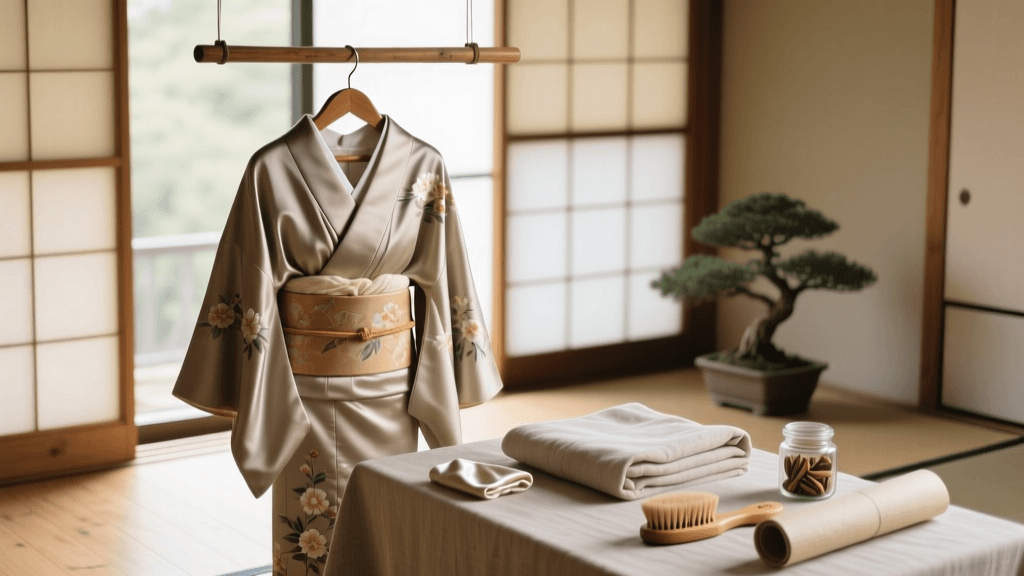
Maintaining pristine garments in a hotel room requires a proactive approach to stain management and fabric care. Traditional silk is notoriously unforgiving when exposed to water spots or oil. Always carry a 2026-formulated dry-erase silk stain pen, which uses enzymatic action to lift food oils without requiring a full wash. If your Mamianqun loses its pleat structure after a long day of walking, hang it in the bathroom while running a hot shower; the ambient steam, combined with the weight of the skirt's hem, will naturally pull the pleats back into alignment overnight.
The preservation of these garments is not merely about personal aesthetics; it is about respecting the heritage of the craft. According to the UNESCO Intangible Cultural Heritage registry, traditional sericulture and silk craftsmanship represent generations of meticulous artisanal labor. Treating these garments with care on the road honors the weavers, dyers, and embroiderers who keep these Asian traditions alive.
Conclusion
Building a Hanfu travel wardrobe in 2026 is an exercise in balancing historical reverence with modern pragmatism. By selecting resilient fabrics, utilizing specialized packing tubes, and adapting your layers to the local climate, you can traverse the globe with elegance and ease. Whether you are walking the ancient ramparts of Xi'an or navigating the serene bamboo groves of Kyoto, a well-planned destination wardrobe ensures that your journey is as seamless and beautiful as the garments you wear.