Hanfu on Global Runways: 2026 International Fashion Trends
marcus reid·
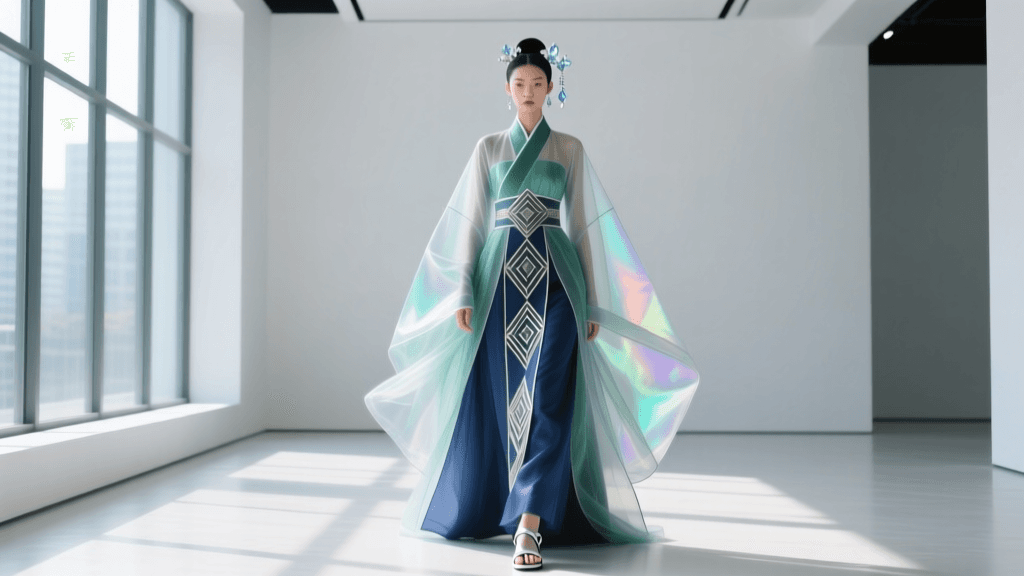
The intersection of traditional Chinese dress and Western haute couture has reached an unprecedented zenith in 2026. What was once considered a niche interest for historical reenactors or street-style enthusiasts has firmly secured its place on the most prestigious global runways. From the grand salons of Paris to the industrial lofts of New York, Hanfu is no longer just a nod to heritage; it is a driving force in contemporary avant-garde fashion. This year’s international fashion weeks have showcased a masterful blend of Ming and Song dynasty silhouettes with hyper-modern tailoring, sustainable textiles, and futuristic styling. For fashion aficionados, cultural historians, and sartorial trendsetters, understanding how Hanfu is being reinterpreted in 2026 is essential to grasping the current global fashion zeitgeist.
The Evolution of Hanfu on the Global Stage
To appreciate the 2026 runway collections, one must recognize the journey of Hanfu in international fashion. In the early 2020s, luxury houses often relied on superficial Orientalist motifs—slapping dragon embroidery onto standard Western evening gowns. However, the 2026 landscape is defined by structural authenticity and deep material respect. Leading designers, many of whom are part of the Chinese diaspora or trained in traditional textile hubs like Hangzhou and Suzhou, are deconstructing the actual architecture of Hanfu. They are studying the flat-cutting techniques, the zero-waste geometry of the jiaoling youren (cross-collared right lapel), and the intricate pleating of the Mamianqun. According to the scheduling archives of the Fédération de la Haute Couture et de la Mode, the inclusion of Asian heritage brands in official Paris Fashion Week calendars has doubled over the last three years, signaling a permanent shift in the industry's center of gravity.Key Hanfu Silhouettes Dominating 2026 Runways
The runways of 2026 have highlighted specific historical garments, translating them into wearable, high-impact luxury pieces. Below is a breakdown of how traditional silhouettes have been adapted for the modern couture consumer.| Traditional Element | 2026 Runway Adaptation | Styling Application |
|---|---|---|
| Mamianqun (Horse-Face Skirt) | Asymmetric pleated midi with metallic jacquard and raw hems | Paired with structured, oversized wool blazers or vegan leather moto jackets |
| Dahu (Ming Dynasty Vest) | Cropped, sleeveless brocade gilet with exaggerated armholes | Layered over sheer organza turtlenecks or minimalist silk slip dresses |
| Pibo (Silk Stole/Ribbon) | Oversized, trailing taffeta scarf with weighted, beaded ends | Draped over evening gowns as statement capes or woven through belt loops |
| Aoqun (Jacket and Skirt) | Deconstructed two-piece with drop-shoulders and high-low hemlines | High-fashion editorial streetwear, often styled with architectural loafers |
The Mamianqun: From Imperial Courts to Milan
The Mamianqun, or horse-face skirt, is undeniably the breakout star of the 2026 fashion season. Characterized by its flat front and back panels with intricately pleated sides, the skirt offers a dramatic, sweeping silhouette that moves beautifully on the runway. This year, Milanese designers have experimented with the pleat structure, introducing heat-set synthetic blends that hold their shape even in torrential rain, while maintaining the traditional woven waistband. The juxtaposition of a centuries-old pleating technique with modern, weather-resistant textiles perfectly encapsulates the 2026 design philosophy.Xiangyunsha and the Push for Sustainable Couture
Sustainability is not just a buzzword in 2026; it is a strict requirement for top-tier fashion houses. This has led to a massive resurgence in the use of Xiangyunsha (Gambiered Canton Gauze). This traditional silk dyeing technique, which involves coating silk in the juice of the dioscorea cirrhosa tuber and mud from specific iron-rich ponds, creates a luxurious, leather-like fabric that is entirely biodegradable. The Victoria and Albert Museum's Asian Collections has extensively documented the historical significance of these regional dyeing methods, and today's designers are leveraging this heritage to appeal to eco-conscious luxury buyers. On the 2026 runways, Xiangyunsha was featured in dark, earthy tones—deep umbers, midnight blues, and rich ochres—crafted into flowing outer robes that mimic the grandeur of the traditional Daopao but tailored with sharp, modern lapels.How to Style Runway-Inspired Hanfu for 2026 Events
Translating high-fashion runway concepts into real-world attire for galas, fashion week attendance, or high-society events requires a careful balance of respect for tradition and modern sartorial flair. Here is actionable advice for styling Hanfu-inspired couture in 2026.- Master the Proportions: Traditional Hanfu often features voluminous, floor-sweeping sleeves and skirts. For modern events, opt for runway adaptations that scale down the volume. A midi-length Mamianqun paired with a fitted, cross-collared top creates a balanced silhouette that is practical for navigating crowded fashion week venues.
- Mix Heritage Textiles with Modern Hardware: The 2026 aesthetic heavily favors contrast. Pair a delicate Song brocade (Songjin) jacket with heavy, industrial metal accessories. Think chunky silver chain belts or architectural, geometric earrings that offset the intricate floral motifs of the traditional weave.
- Footwear is Crucial: Abandon the historical cloth shoes for contemporary luxury footwear. Runway stylists in 2026 are pairing pleated Hanfu skirts with knee-high leather boots, platform loafers, or sleek, pointed-toe mules to ground the ethereal fabrics with a dose of urban grit.
- Hair and Grooming: Move away from strict, elaborate historical updos. The current trend favors sleek, minimalist styling. A sharp, wet-look low bun or a blunt, chin-length bob provides a striking, modern frame for the traditional cross-collared necklines.
Sourcing Authentic and Couture Hanfu in 2026
For those looking to acquire runway-quality Hanfu, the market has bifurcated into ready-to-wear luxury and bespoke commissions. Understanding where to invest your budget is key to building a high-end traditional wardrobe.Bespoke Commissions from Hangzhou and Suzhou
If you are targeting a specific Fashion Week event or a major gala, bespoke is the only way to ensure a flawless fit and exclusive textile access. Studios in Hangzhou specializing in Song-style aesthetics and Suzhou ateliers focusing on Ming dynasty brocades are currently booking international clients.- Lead Time: Expect a 3 to 4-month turnaround. For Fall/Winter 2026 events, commissions must be finalized by May.
- Pricing: A bespoke, authentic Xiangyunsha Mamianqun ranges from $1,800 to $3,500. Hand-woven Songjin jackets start at $2,500 and can exceed $6,000 depending on the complexity of the metallic thread work.
- Fitting Process: Most top-tier studios now offer 3D virtual fittings via specialized apps, followed by one physical muslin toile fitting, making international commissions highly accessible.
Ready-to-Wear Luxury Brands
Several contemporary Chinese luxury brands have bridged the gap between historical accuracy and ready-to-wear convenience. Brands showcased during the British Fashion Council events and Shanghai Fashion Week offer capsule collections that are immediately shippable.- Price Range: $400 to $1,200 per piece.
- Best For: Fashion week street style, editorial shoots, and modern cocktail attire.
- Key Materials: Mulberry silk blends, jacquard weaves, and eco-friendly cupro linings that mimic the drape of traditional ramie but offer modern machine-washability or easy dry-cleaning.